
“NASCAR isn’t just a sport, it’s a way of life,” is a famous quote from Ned Jarrett, former race car driver, and it’s a sentiment that fans across the country believe. When it comes to NASCAR, speed and strategy often steal the spotlight, but the liveries are what capture our eyes and make cars unforgettable. Over the decades, certain paint schemes have become synonymous with greatness, inspiring fans and collectors alike. They’ve graced die-cast models, posters, and T-shirts, and some have even achieved near-mythical status.
For this list, we looked beyond just popularity. We considered the stories behind these designs, their impact on NASCAR history, and their staying power among fans. Many of these schemes are instantly recognizable, even to those who don’t follow the sport closely (you may just not realize why it’s so familiar). Whether it’s through bold color combinations, unforgettable sponsor tie-ins, or being associated with some of the sport’s most iconic wins, these paint jobs are in a league of their own.
How We Ranked These Paint Schemes
Our methodology was simple but thorough. We analyzed the cultural significance, longevity, fan appeal, and historical context of each scheme. Popularity was important, but a memorable paint scheme is about more than recognition, it’s about the emotions it stirs and the legacy it creates. We considered how well each design reflected its era and how often it appears on best-of lists or fan polls.
To make this list objective, we included only paint schemes that have a strong historical connection and influence, not just recent eye-catching designs. We also took into account how often these schemes resurface in throwback races or merchandise. In short, the cars that made the cut are those that defined NASCAR aesthetics, making a lasting impression on fans for generations.
And then, why 15? The number itself is significant in NASCAR, being worn by some of the driving greats.
Dale Earnhardt’s Black No. 3 Goodwrench Chevrolet

Few paint schemes in NASCAR history carry the weight of Dale Earnhardt’s iconic black No. 3. When fans see that jet-black Chevrolet with silver accents and the Goodwrench logo, they immediately think of dominance, grit, and the Intimidator himself. It became a symbol of Earnhardt’s no-nonsense attitude and his aggressive driving style that kept competitors on edge.
Introduced in the late 1980s, this scheme wasn’t flashy, it didn’t need to be. Its simplicity was its power. The stark contrast of black and silver made the car look fast even when parked, and it perfectly matched Earnhardt’s persona. To this day, the black No. 3 remains one of the most collected die-cast models and a fan favorite during throwback weekends.
Richard Petty’s “Petty Blue” No. 43 STP Pontiac

Few cars in motorsports history are as iconic as Richard Petty’s No. 43, and when the legendary driver switched to Pontiac in the early 1980s, the car’s legacy only grew stronger. The combination of Petty Blue, a custom color born in the Petty family shop, and STP’s bold red created one of the most recognizable designs in all of racing. On the Pontiac body, that color pairing looked sleek, modern, and perfectly suited to the era’s NASCAR aesthetics.
The scheme extended beyond looks, it was tied to an incredible career. Petty scored his record-breaking 200th win in a Pontiac at Daytona in 1984, forever linking this design with one of the sport’s most historic moments. The No. 43 Pontiac remains a visual representation of excellence and tradition, proving that sometimes the simplest designs make the loudest statements.
Jeff Gordon’s Rainbow Warrior No. 24 DuPont Chevrolet

In the 1990s, Jeff Gordon’s rainbow-colored No. 24 car broke the mold. While most cars stuck to single-tone schemes, Gordon’s car exploded with color in vibrant streaks of red, blue, yellow, and green that earned it the nickname “Rainbow Warrior.” This was a bold statement that NASCAR was entering a new era.
Fans loved it, and it didn’t hurt that Gordon was racking up wins left and right. The rainbow scheme became synonymous with Gordon’s rise to superstardom and his challenge to the established veterans. Today, the design remains one of the most sought-after in die-cast collections and is celebrated whenever it reappears on track for throwback events.
Dale Jarrett’s UPS No. 88 Ford

Dale Jarrett’s brown-and-white UPS No. 88 car became one of the most unique and recognizable paint schemes of the early 2000s. At a time when most cars leaned on bright colors, the UPS scheme dared to stand out with its earthy tones and bold “What can Brown do for you?” slogan splashed across the sides.
This design was tied to one of NASCAR’s most successful marketing campaigns, and Jarrett gave the brand plenty of exposure with competitive runs and high-profile wins. The UPS car became a cultural touchpoint, and the slogan even made its way into casual conversation outside racing circles. Its clean, professional look paired perfectly with Jarrett’s calm, methodical driving style, ensuring this scheme a permanent spot in NASCAR’s design hall of fame.
Bobby Allison’s Miller High Life No. 22 Buick

Bobby Allison’s gold-and-white Miller High Life Buick in the mid-1980s remains one of the most visually striking schemes ever, and just looking at it makes us want to crack a cold one. The metallic gold shimmered under the sun, making the car look like pure speed wrapped in luxury. It was a perfect reflection of its sponsor, a brand that stood for celebration and class.
The scheme is also tied to one of Allison’s most memorable wins: the 1988 Daytona 500, where he famously finished ahead of his son, Davey. That combination of aesthetics and history ensures this paint scheme’s place among the legends.
Dale Earnhardt Jr.’s Budweiser No. 8 Chevrolet

Dale Jr.’s bright red Budweiser No. 8 car became an icon of early 2000s NASCAR. With bold white numerals outlined in black and the unmistakable Budweiser logo across the hood, this scheme was as classic as its sponsor’s tagline: “King of Beers.” It captured the youthful energy Jr. brought to the sport and cemented his identity during his peak years.
The scheme was eye-catching and fully tied to some of Jr.’s biggest wins, including multiple victories at restrictor-plate tracks like Daytona and Talladega. Even years later, fans still wear Budweiser No. 8 gear at races, making it one of the most enduring paint schemes in modern NASCAR history.
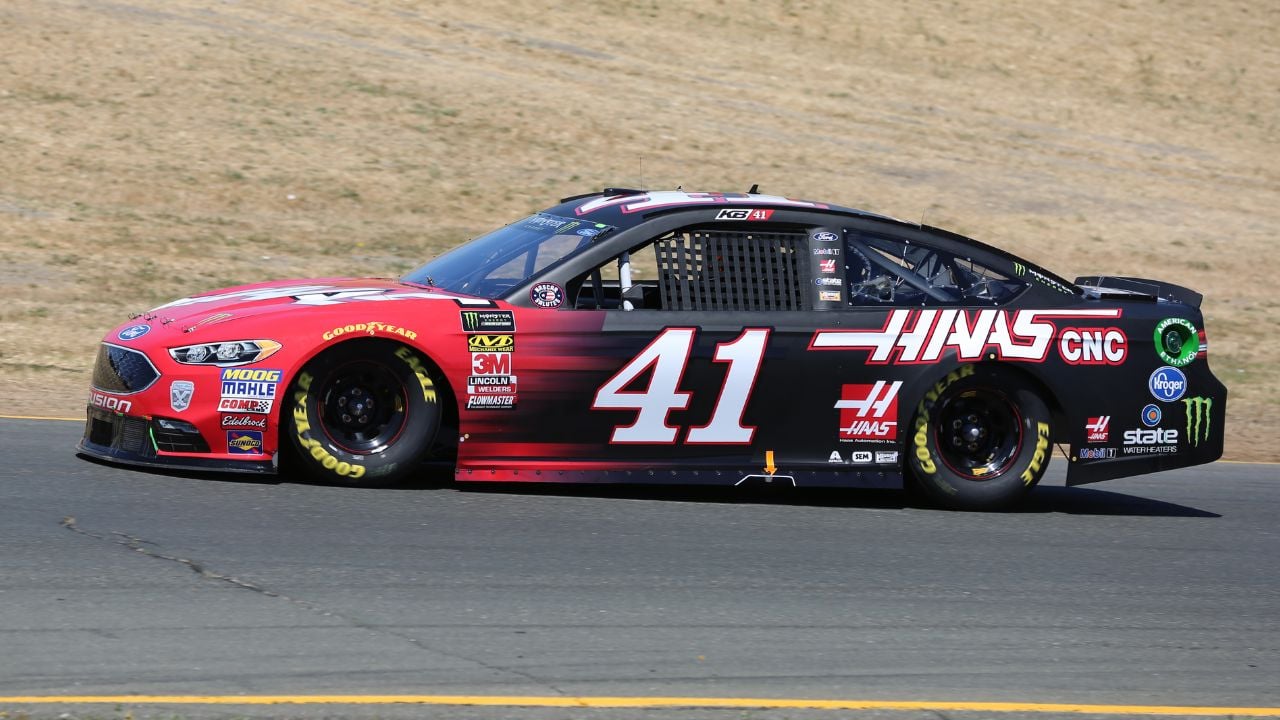
Kurt Busch’s Monster Energy No. 41 Ford

Few modern paint schemes exude as much attitude as Kurt Busch’s Monster Energy No. 41 car. With a matte-black base and bold green claw marks across the hood and sides, the design radiated aggression and edge. The Monster Energy logo stood out prominently, making the car instantly recognizable both on and off the track.
This scheme aligned perfectly with Busch’s fierce, unpredictable racing persona, creating a cohesive driver-brand identity that fans loved. The design went beyond style, it saw plenty of success, including big wins that cemented its reputation. Even among a field of vibrant and colorful cars, the Monster Energy machine managed to stand out with its minimalist yet menacing look. It represents the modern era’s push toward edgier, more lifestyle-driven branding in NASCAR.
Bill Elliott’s Coors No. 9 Ford

Bill Elliott’s No. 9 Coors car was as smooth and polished as the beer it represented. Featuring silver and red hues with sharp, angular striping, the design stood out in an era dominated by simpler schemes.
This paint job became synonymous with Elliott’s record-setting speed. Now remember, this is the car that set the all-time qualifying record at Talladega, a record that still stands. Its sleek aesthetic and association with “Awesome Bill from Dawsonville” have made it one of the most admired designs in NASCAR lore.
Terry Labonte’s Kellogg’s Corn Flakes No. 5 Chevrolet

Terry Labonte’s bright yellow No. 5 Kellogg’s Corn Flakes car became a fan favorite during the 1990s. The cheerful design featured bold red accents, cartoonish graphics, and Tony the Tiger on the hood, making it one of the most playful and family-friendly paint schemes in NASCAR history.
This car delivered both looks and consistent results. Labonte drove this machine to the 1996 Cup Series championship, further cementing its place among the greats. Its popularity extended beyond the track, appearing in commercials and becoming a staple in NASCAR merchandise. Fans still smile when this design returns for throwback weekends, and it remains a nostalgic favorite among collectors. The Kellogg’s scheme perfectly blended sponsor branding with racing flair, making it one of the most memorable and marketable designs in the sport’s history.
Davey Allison’s Havoline No. 28 Ford

Davey Allison’s black Havoline No. 28 is one of the cleanest, most striking designs in NASCAR history. The jet-black base, accented by bold red and yellow striping, projected an image of raw speed and power.
This car became an icon during Allison’s tragically short career. Despite the heartbreak of his untimely death, the No. 28 remains a beloved throwback and a lasting tribute to one of NASCAR’s most promising talents.
Mark Martin’s Valvoline No. 6 Ford

Mark Martin’s No. 6 Valvoline car is a masterclass in early ’90s design. Its crisp white base, accented by bold red and blue stripes in a slanted, aerodynamic pattern, looked fast even when it was sitting still. The angular striping gave the car a sense of motion, perfectly matching the era’s aesthetic without feeling overdone. Combined with the bold Valvoline branding, it was instantly recognizable from any angle on the track.
This car had the looks, while also symbolizing consistency and professionalism, much like Martin himself. During his tenure with Roush Racing, Martin piloted this scheme to numerous victories, including crown jewel races, and consistently contended for championships throughout the ’90s. For many fans, the No. 6 Valvoline Ford was the face of reliability in an era dominated by big personalities and flashy designs.
Collectors still prize die-cast replicas of this car, and it remains one of the most requested throwbacks whenever retro paint schemes return to the circuit. Its clean design, paired with Martin’s reputation as one of NASCAR’s most respected drivers, ensures this scheme will always hold a special place in NASCAR history.
Kyle Busch’s M&M’s No. 18 Toyota

Sometimes, a paint scheme is legendary because it’s fun, and Kyle Busch’s M&M’s No. 18 car proves that perfectly. Bursting with bold colors and covered in smiling candy-coated characters, it stood out in a sport dominated by more traditional designs. Its playful look brought an element of lightheartedness to the grid, making it one of the most recognizable schemes in NASCAR history.
However, this car was far from a novelty. Busch drove the No. 18 to countless wins and two championships, proving that a colorful design can also dominate on the track. Over the years, fans have seen numerous creative variations, from seasonal themes to special-edition colors, each adding to its appeal. The scheme’s vibrant personality matched Busch’s unpredictable nature, making it a true modern classic. Love it or hate it, the M&M’s car remains an icon of NASCAR’s recent era.
Rusty Wallace’s Miller Genuine Draft No. 2 Ford

Rusty Wallace’s black-and-gold Miller Genuine Draft scheme is pure class. Sleek, stylish, and intimidating, this car became one of the most recognizable designs of the 1990s. The glossy black base paired with sharp gold accents created a look that was bold without being over-the-top, perfectly matching Wallace’s no-nonsense, aggressive driving style. On the track, the car delivered results, racking up wins and making Wallace a perennial contender.
What made this paint scheme iconic was its ability to project confidence and power. It wasn’t designed to be flashy; instead, it commanded attention through clean lines and a timeless color palette. Even decades later, this scheme is celebrated by fans and remains a favorite during throwback weekends. The Miller Genuine Draft No. 2 represents an era when simplicity, combined with strength, defined what a legendary NASCAR paint scheme should look like.
Alan Kulwicki’s Hooters No. 7 Ford

Alan Kulwicki’s Hooters No. 7 is remembered as one of the most iconic symbols of perseverance in NASCAR history. Its vibrant orange-and-white color scheme, accented by the bold Hooters branding and the unmistakable owl logo, made it stand out on the track. The design carried a unique personality that reflected Kulwicki’s independent spirit and determination to succeed on his own terms.
Kulwicki operated a small, underfunded team in an era dominated by powerhouse organizations, yet he turned the No. 7 into a championship-winning car. In 1992, he captured the NASCAR Cup Series title in one of the most dramatic and competitive finales the sport has ever seen. That victory, combined with this eye-catching scheme, cemented its legendary status. Today, the Hooters No. 7 remains a fan favorite and a lasting tribute to hard work, strategy, and the drive to overcome the odds in motorsports.
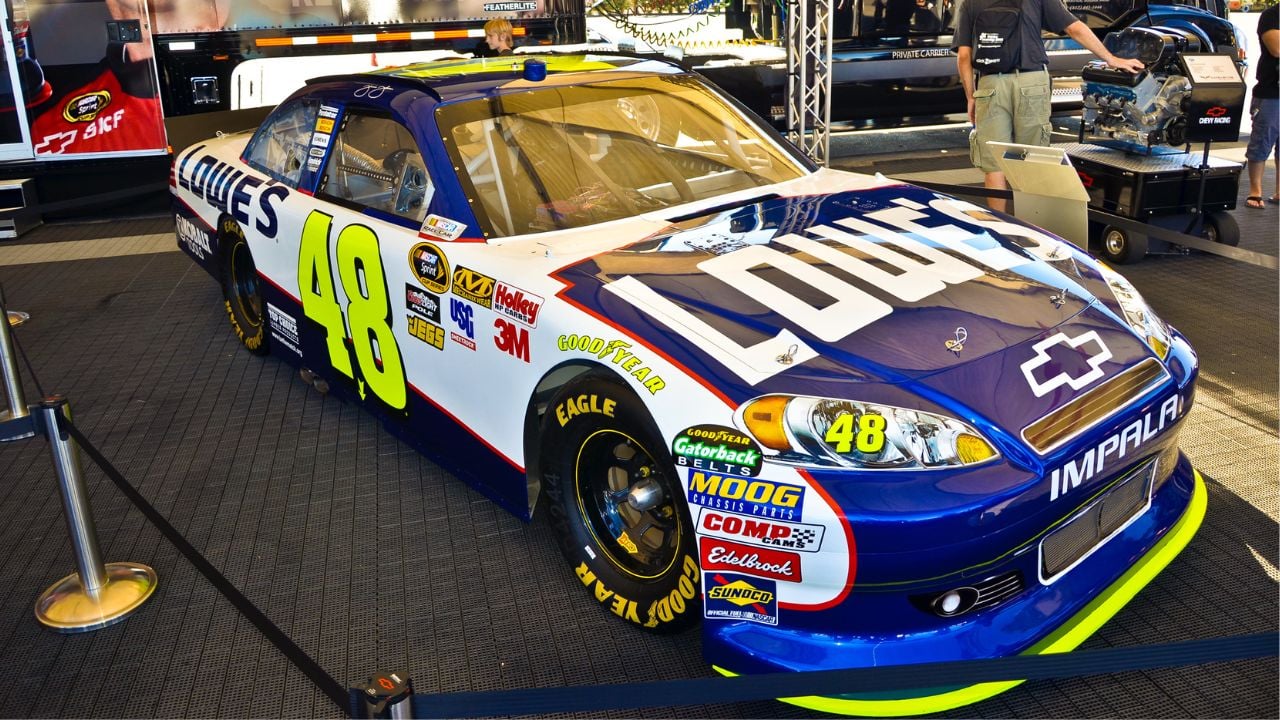
Jimmie Johnson’s Lowe’s No. 48 Chevrolet

Jimmie Johnson’s blue-and-silver Lowe’s No. 48 car dominated NASCAR’s modern era and became synonymous with consistent excellence. The bold Lowe’s lettering across the hood, set against the deep blue backdrop, was simple yet instantly recognizable on race day. For over a decade, fans saw this scheme at the front of the pack, creating a visual link to one of the most successful careers in NASCAR history.
Johnson drove this car to seven Cup Series championships, tying the all-time record, and cemented both himself and the Lowe’s brand in racing lore. Even today, the sight of the No. 48 sparks memories of dominance, championships, and a driver who redefined what it meant to be consistent in a sport built on speed and chaos.
The Last Lap: Paint Schemes That Defined NASCAR

These 15 paint schemes represent the perfect blend of design and legacy. Each one tells a story—whether it’s dominance on the track, a bold marketing move, or a moment that changed the sport forever. They’ve transcended their role as mere liveries and become cultural touchstones, recognizable even to those who have never attended a race.
From Petty Blue to the Rainbow Warrior, these schemes continue to inspire fans and drivers alike, proving that in NASCAR, style is as much a part of the spectacle as speed. They’ve graced merchandise, video games, and countless throwback weekends, reinforcing their status as timeless icons.
As the sport evolves and new paint schemes emerge, these legendary designs will always hold a special place in NASCAR lore. They are a testament to the power of color, creativity, and identity in motorsports. Simply put—they’re unforgettable, just like the drivers who raced them.