Driving in the dark already presents an extra challenge for most motorists, purely because visibility isn’t on the same level as in the daytime.
But that doesn’t factor in other cars on the roads, and a new survey from AAA finds that a majority of U.S. drivers say headlight glare has become a growing problem out on the road.
Director of automotive engineering and research at AAA, Greg Bannon stated: “Headlight glare has become a major source of frustration and concern for millions of drivers. As vehicle lighting technology evolves, so must our understanding of glare, its impact and the steps drivers can take to maintain safety.”
AAA’s survey consisted of 1,092 interviews among U.S. adults, 18 years of age or older. The margin of error for the study overall is +/- 4% at the 95% confidence level. The research carried out showed that six in ten drivers report glare from headlights as an issue when driving at night, raising new concerns about road safety and lighting on modern vehicles.
Drivers Say Headlight Glare Is Getting Worse
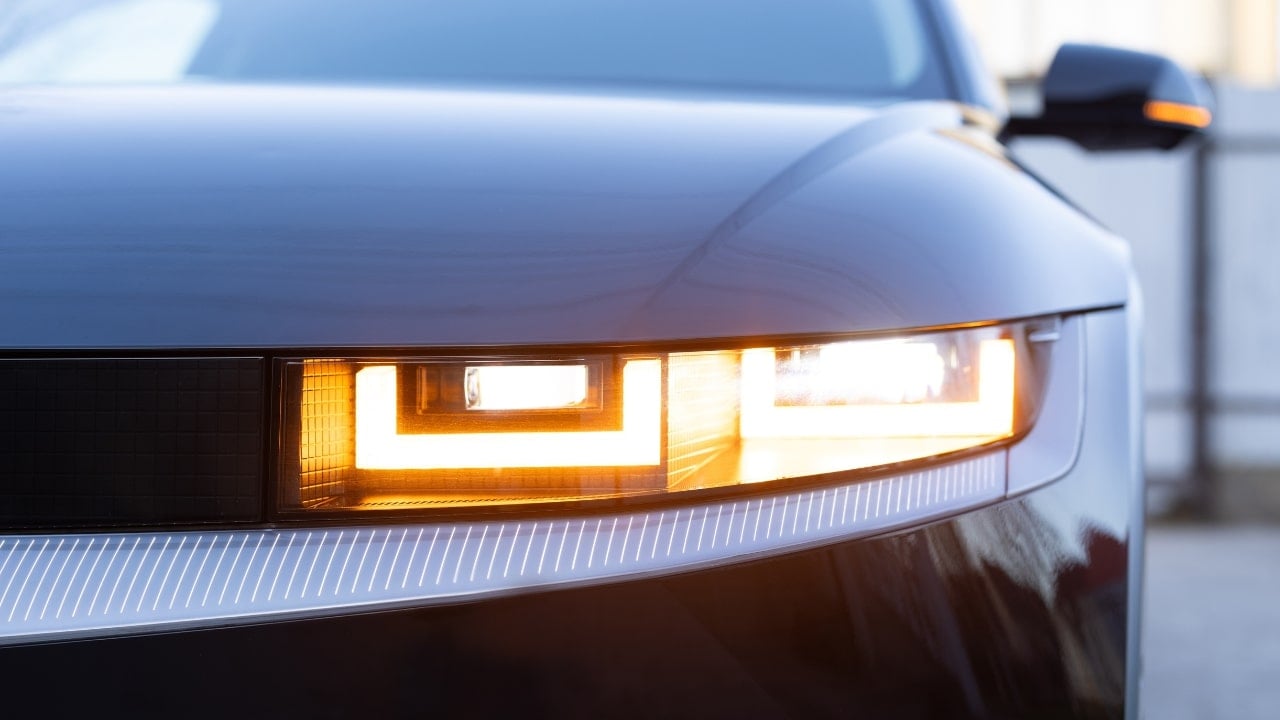
According to the survey, 73% of drivers who experience glare say the problem has grown worse over the past decade. AAA researchers say several factors may be contributing to the trend, including the rise of brighter headlight technologies and the growing number of taller vehicles on the road.
For many drivers, the issue is most noticeable when facing oncoming traffic. About 92% of drivers who report glare say headlights from approaching vehicles are the biggest source of the problem.
In addition, roughly one-third of respondents say they experience glare from vehicles behind them, often reflected in their rearview or side mirrors.
In an attempt to address these concerns, AAA testing nighttime pedestrian automatic emergency braking systems found that impact avoidance increased from 0% in 2019 to 60% in 2025. Researchers believe some of this progress may be linked to better lighting systems that help vehicle sensors detect pedestrians and obstacles more effectively in low-light conditions.
Key Findings

Drivers who wear prescription glasses report experiencing headlight glare more frequently than those who do not. According to the survey, 70% of drivers who wear glasses say glare is an issue while driving at night, compared with 56% of drivers who do not wear prescription eyewear.
Vehicle type also appears to influence how often drivers encounter glare. Pickup truck drivers are less likely to report problems with glare, with 41% saying they experience it, compared with 66% of drivers of other vehicle types. Researchers suggest a truck’s higher seating position may place drivers above the direct beam of many headlights.
The survey also found that female drivers report glare more often than male drivers, with 70% of women saying it is a problem compared with 57% of men. However, age and driver height did not show a statistically significant impact on the likelihood of experiencing headlight glare.
AAA’s Tips and Tricks

AAA provided several tips to help drivers deal with bright headlights, stating first and foremost to avoid looking directly into oncoming vehicles’ lights whenever possible. Looking straight at the beam can quickly reduce visibility, so AAA recommends shifting your focus slightly toward the right edge of the roadway. Doing so can help drivers maintain lane discipline while minimizing the impact of bright lights from approaching vehicles.
The advice also extends to keeping your windshield clean, both inside and out, as dirt and smudges can cause light to scatter across the glass and amplify glare. Some drivers also report that anti-glare or night-driving glasses can help reduce brightness and make nighttime driving more comfortable. Above all, drivers are encouraged to stay cautious and aware of their surroundings to ensure they remain safely within their lane.
Growing concerns around headlight brightness may eventually lead to broader discussions about lighting standards and vehicle design. Similar conversations are already happening in the United Kingdom, where Prime Minister Keir Starmer and the Labour Party (UK) government have begun examining ways to address the issue across the Atlantic.