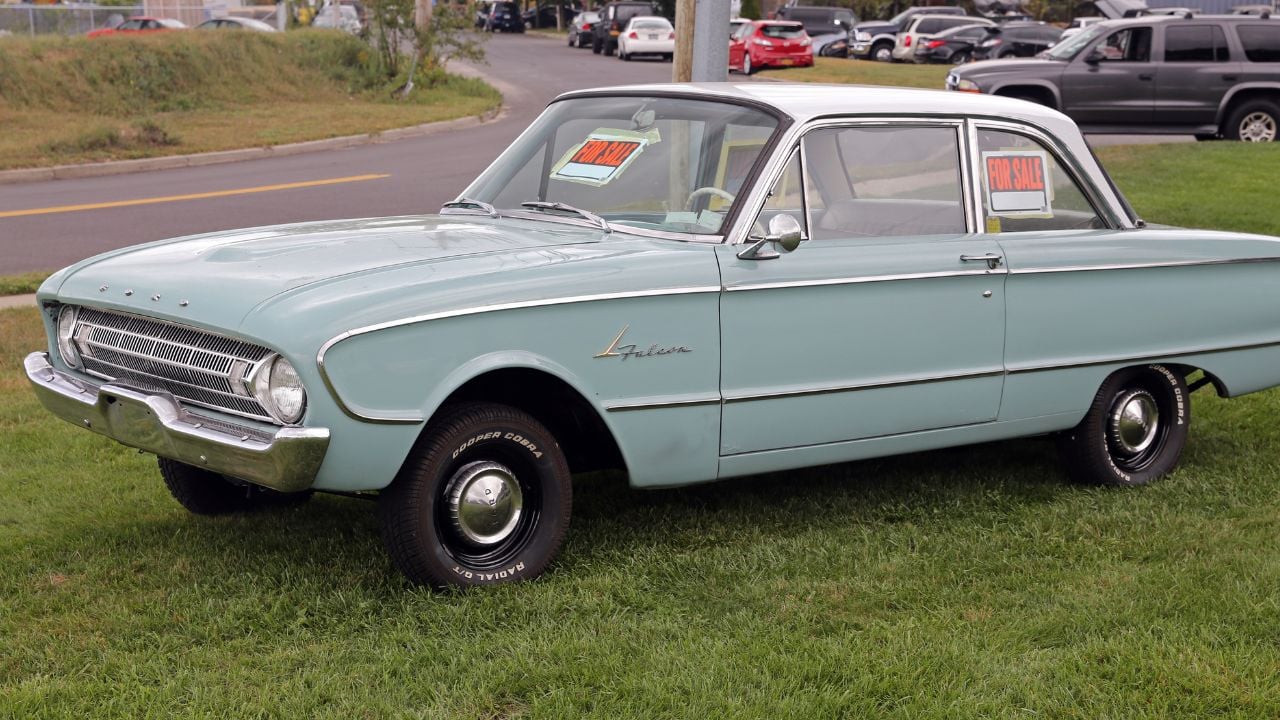
A proposed law in the US state of Minnesota is drawing widespread attention and plenty of criticism after details emerged suggesting it could severely limit when classic cars are allowed on the road.
The proposal, known as House File 3865, focuses on vehicles registered under “collector” status. Supporters say the goal is to clarify and tighten existing rules. Many drivers believe it goes much further and could restrict usage to the point where owning a classic car becomes far less practical.
At the heart of the issue is how and when these vehicles could legally be driven. Under the proposed changes, collector vehicles would only be permitted on public roads for specific purposes, such as traveling to or from exhibitions, parades, or similar events. Outside of those situations, general leisure driving could be heavily limited.
For many enthusiasts, that represents a major shift. Classic cars are often used sparingly already, but the appeal lies in the freedom to take them out on a sunny evening or for a midweek drive. That freedom could effectively disappear if the proposal becomes law.
Proposed Law in Practice

If passed in its current form, the bill could make classic cars a weekend-only hobby and only during daylight hours.
The proposal suggests that driving outside of approved activities would be restricted to Saturdays and Sundays between sunrise and sunset. This would mean no evening cruises, no nighttime car meets, and no spontaneous weekday drives.
This is a notable tightening compared to current rules in Minnesota. At present, collector vehicles are not supposed to be used for general daily transportation, but the law leaves room for interpretation. Owners can still take their cars out occasionally during the week without strict time limits.
The new proposal removes that flexibility. Even practical situations could become difficult. For example, taking a car out for a short test drive after repairs on a weekday evening might not be allowed unless it is directly tied to an approved event.
Another issue lies in the wording of the bill. Phrases such as “exhibition” or “similar use” are not clearly defined, which creates uncertainty about what qualifies as legal driving. A casual meet-up or a charity cruise may or may not fall within the rules, depending on the ruling’s interpretation.
An Entire Culture Threatened
If passed in its current form, the bill could make classic cars a weekend-only hobby and only during daylight hours.
The proposal suggests that driving outside of approved activities would be restricted to Saturdays and Sundays between sunrise and sunset. This would mean no evening cruises, no nighttime car meets, and no spontaneous weekday drives.
This is a notable tightening compared to current rules in Minnesota. At present, collector vehicles are not supposed to be used for general daily transportation, but the law leaves room for interpretation. Owners can still take their cars out occasionally during the week without strict time limits.
The new proposal removes that flexibility. Even practical situations could become difficult. For example, taking a car out for a short test drive after repairs on a weekday evening might not be allowed unless it is directly tied to an approved event.
Another issue lies in the wording of the bill. Phrases such as “exhibition” or “similar use” are not clearly defined, which creates uncertainty about what qualifies as legal driving. A casual meet-up or a charity cruise may or may not fall within the rules, depending on interpretation.
The response from the classic car community has been strong and largely negative. Enthusiasts argue that the proposal risks undermining a long-standing culture built around passion, restoration, and shared experiences.
Classic cars are rarely used as daily transport. They are typically maintained as hobby vehicles and taken out for enjoyment, social events, or occasional drives. Critics of the bill say the restrictions ignore this reality and treat all collector vehicles as if they are likely to be misused.
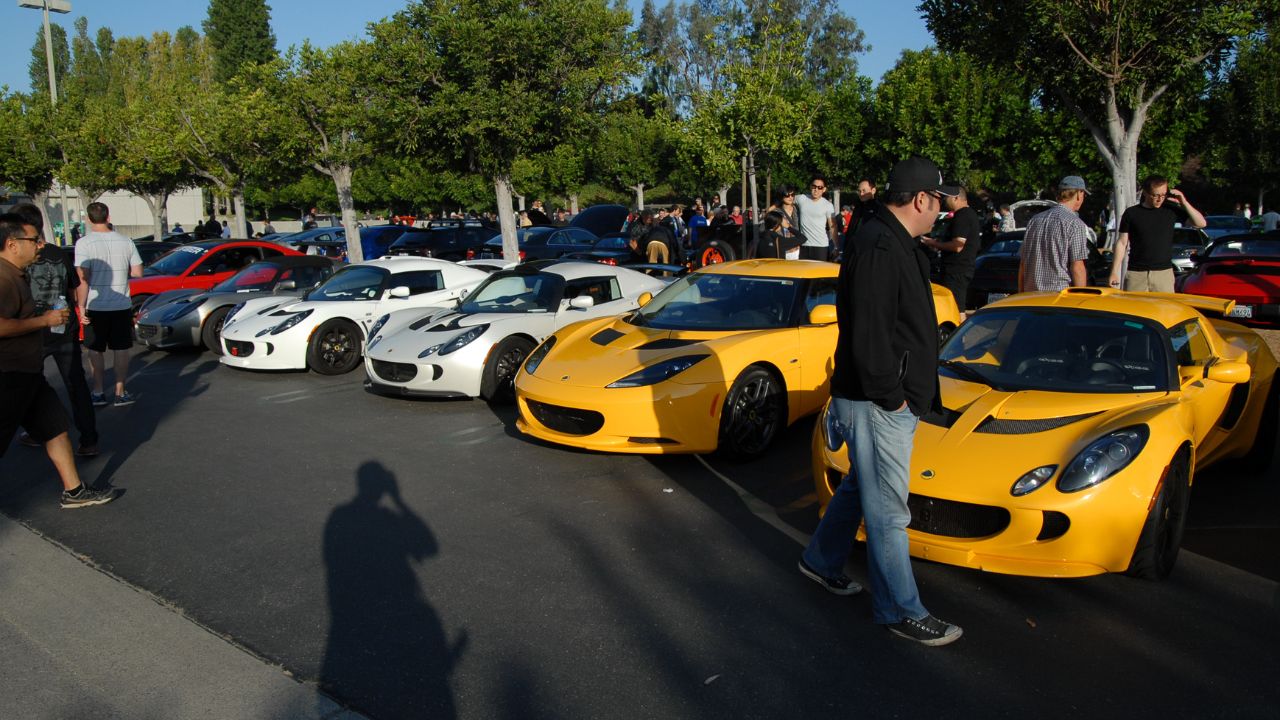
Many are especially concerned about the social side of the hobby. Evening car meets, midweek gatherings, and casual drives are an important part of the community. Limiting usage to weekend daylight hours could reduce opportunities for owners to connect and share their vehicles.
There are also economic concerns. Restoration shops, parts suppliers, and specialist mechanics rely on consistent demand from classic car owners. If people feel they cannot use their vehicles freely, demand for these services could decline over time.
Some critics have pointed out that there may be a workaround. Owners could register their cars with standard license plates instead of collector plates. This would remove the restrictions, but it would also mean losing benefits such as reduced fees and simpler requirements.

Supporters of the bill argue that it is about fairness and preventing abuse of the system. Collector plates often come with lower costs, and lawmakers want to ensure they are not used for everyday commuting. Opponents believe the proposal goes too far and penalizes responsible owners rather than addressing a widespread issue.
It’s Not Law Just Yet
For now, the legislation is still under consideration in Minnesota and has not yet been passed. There is still time for revisions, and the strong public reaction could influence the outcome.
The debate highlights a broader tension between regulation and personal freedom. For classic car owners, these vehicles represent history, craftsmanship, and a shared passion. Any rule that limits their use is likely to generate strong opinions.
Whether the proposal moves forward or is revised, one thing is clear. In Minnesota and beyond, classic cars remain an important part of automotive culture, and enthusiasts are determined to keep them on the road.