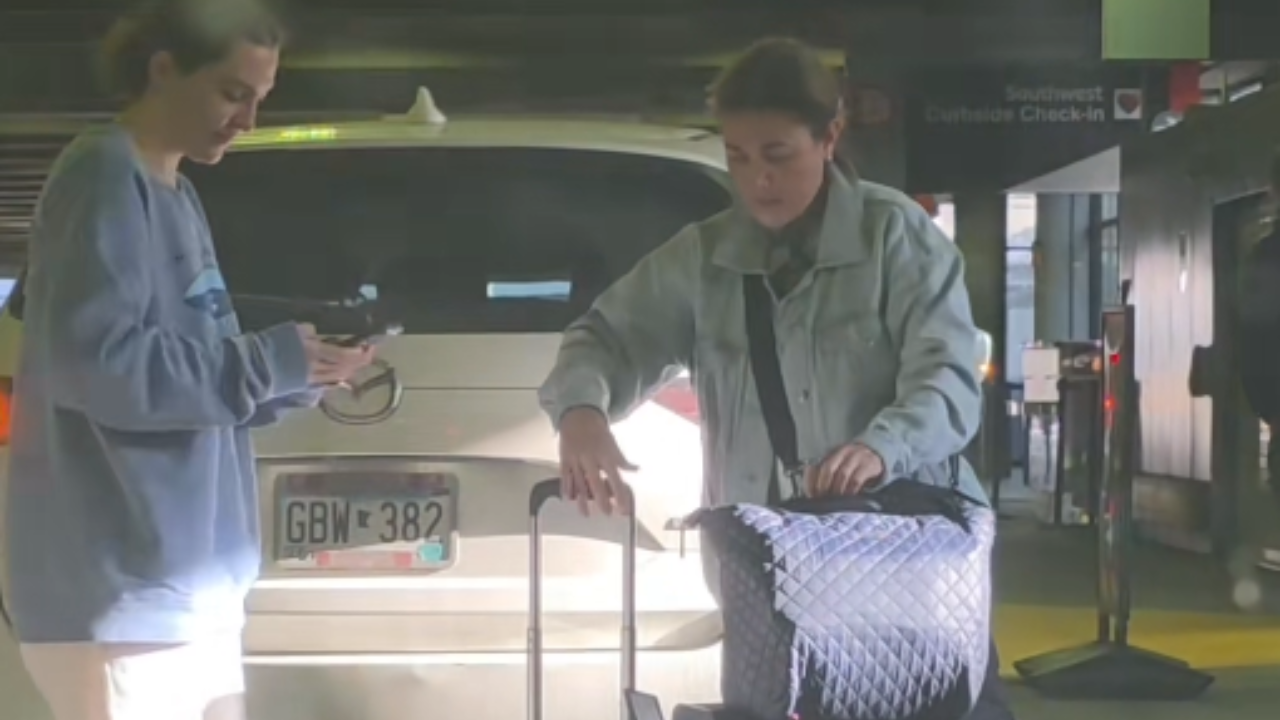
Ridesharing has changed a lot of things about how we get around, but it’s also created some interesting new social rules nobody quite agreed on beforehand. Case in point: a video making the rounds on TikTok shows two women chatting at an airport curb while one hands over a suitcase, presumably wrapping up an Uber trip. What happens next is the whole reason this clip is getting attention. The two women swap phone numbers before parting ways.
The person who posted the video, TikTok user tilova123, wasn’t filming a heartwarming moment of human connection. She was filming what she considers evidence. According to her caption, she has reported this kind of behavior before, hoping to get drivers deactivated from the platform for it. Her reasoning is that trading numbers to arrange rides or services outside the app crosses a line. In her words, doing business outside the app after connecting through it is “criminal.”
That is a strong word for something that, on its face, looks like two adults being friendly. And judging by the comment section, plenty of people felt the same way. The replies were not kind to the original poster, with commenters pushing back hard on the idea that this was worth reporting at all, let alone worth filming for the internet.
It’s the kind of story that says less about rideshare policy and more about how differently people define what’s actually their business. So let’s break down why this struck such a nerve.
Why Drivers and Passengers Swap Numbers in the First Place
Anyone who has used Uber or Lyft regularly has probably had a driver who was easy to talk to, showed up early, or just did a genuinely good job. It’s not unusual for a passenger to want that same driver again, especially for airport runs where reliability matters.
Arranging a private pickup outside the app, on a driver’s own time, is a workaround some drivers and passengers use to cut out the wait times and surge pricing that come with the platform. Whether that’s technically against platform rules is one conversation. Whether it’s actually harming anyone is a different one entirely.
The Internet Didn’t Hold Back
The comments on this video read like a group of people who all had the same reaction at once. One commenter pointed out that drivers offering their services outside of working hours could genuinely benefit everyone involved, and questioned what exactly the problem was supposed to be.
Another asked, only half joking, if the original poster used to be a hall monitor back in school. A third summed up the sentiment plenty of people share: if something doesn’t affect you financially, emotionally, or physically, it’s simply not your business.
Reporting Behavior That Doesn’t Involve You
@tilova123Report Uber drivers that collect numbers from passengers to transact outside the app
There’s a difference between flagging something genuinely unsafe, like reckless driving or a driver behaving inappropriately, and reporting two people exchanging contact information in broad daylight at an airport. Rideshare apps do have policies about off-platform arrangements, largely for liability and safety tracking reasons.
But enforcement of those policies is meant to protect passengers, not to police every friendly interaction a driver has once the ride is technically over.
The Real Lesson Here
At the end of the day, this video is less about Uber policy and more about a mismatch in how people view boundaries.
Most folks seem to agree that unless something puts a passenger at risk, what happens after the ride ends is between the two people involved. Judging by the pile-on in the comments, most of the internet landed on “mind your business” as the final verdict.
There are other services and referrals or a driver is a realtor or broker or techie. Might offer a legitimate lawn service. There are folks generally working more than one job. Once it’s off the clock. It’s fare game. I have been recommended to a hairstylist and the riders gave them a hand written notes with the name of the person or snapped a pic. —
These Karens may not need second jobs. But to hurt someone in their pockets. When they do not understand. You don’t get paid enuf by these Rideshare Corporations. That do not pay enuf. As They are Taxpayers galore! It should be NONE YA BUSINESS!! —