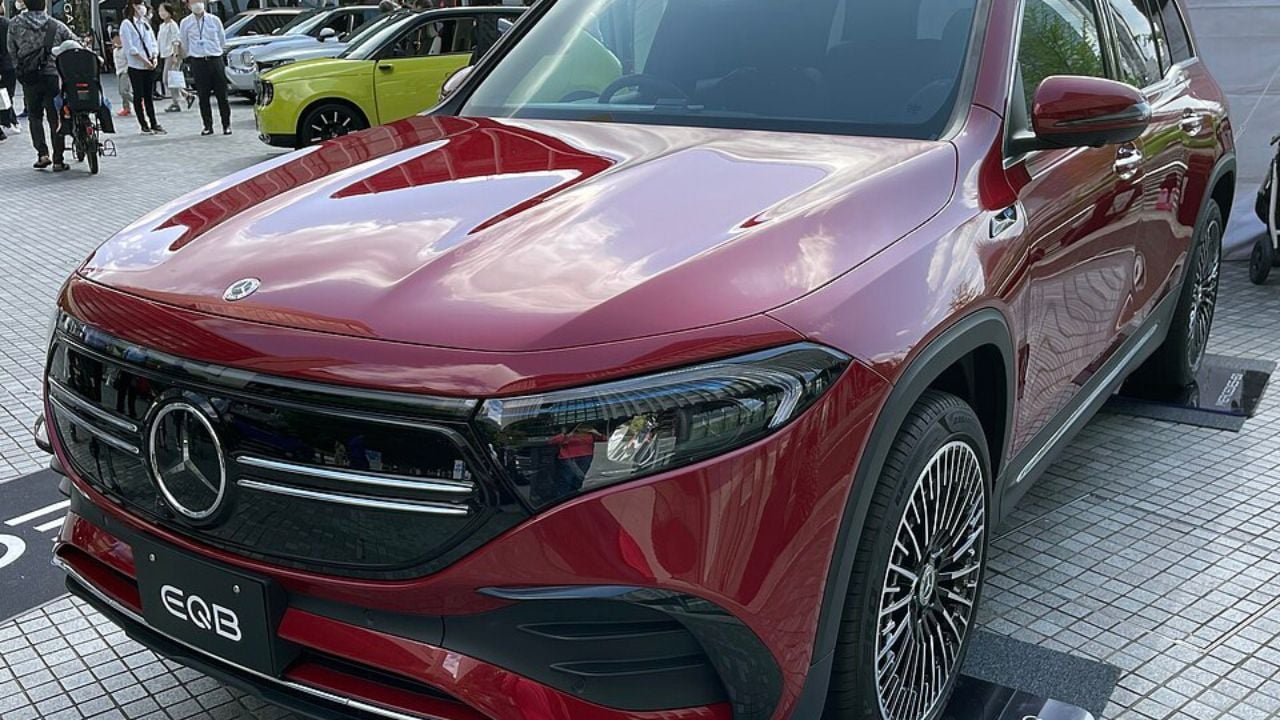
Mercedes-Benz has issued a major safety recall affecting more than 11,895 EQB electric SUVs in the United States due to concerns about a potential fire risk linked to the high-voltage battery system. The recall covers model years 2022 through 2024, and includes multiple variants of the EQB lineup.
The action was implemented after investigations and regulatory filings that identified defects in early-production battery cells. Under certain conditions, it can lead to internal short circuits and increase fire risk even when the vehicle is stationary or not charging.
Battery Defect Triggers Large-scale Recall
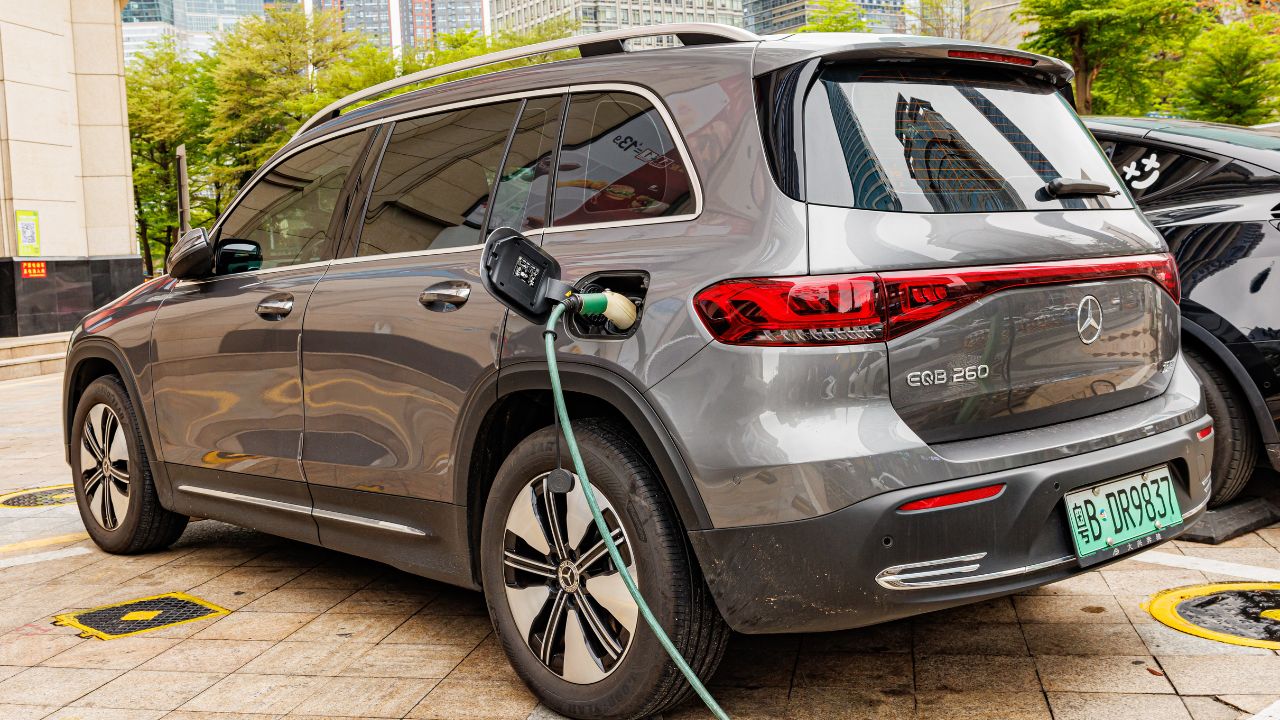
According to filings with the National Highway Traffic Safety Administration, the issue stemmed from production issues in early batteries and use conditions leading to internal short-circuiting. This, in turn, increased the risks of fires. The filings further note that the defect emerges under a combination of manufacturing deviations and real-world stress factors, particularly when the battery is at a high state of charge.
Industry coverage shows that variations in the supplier process led to some battery cells from early production models being less durable than those from later iterations. Hence, they are more vulnerable to factors such as high charge levels. External influences such as charging infrastructure fluctuations, current ripples, or potential mechanical damage to the battery pack can further increase the likelihood of a failure in affected cells, compounding the fire risk under certain operating conditions.
Safety Guidance Issued to Owners
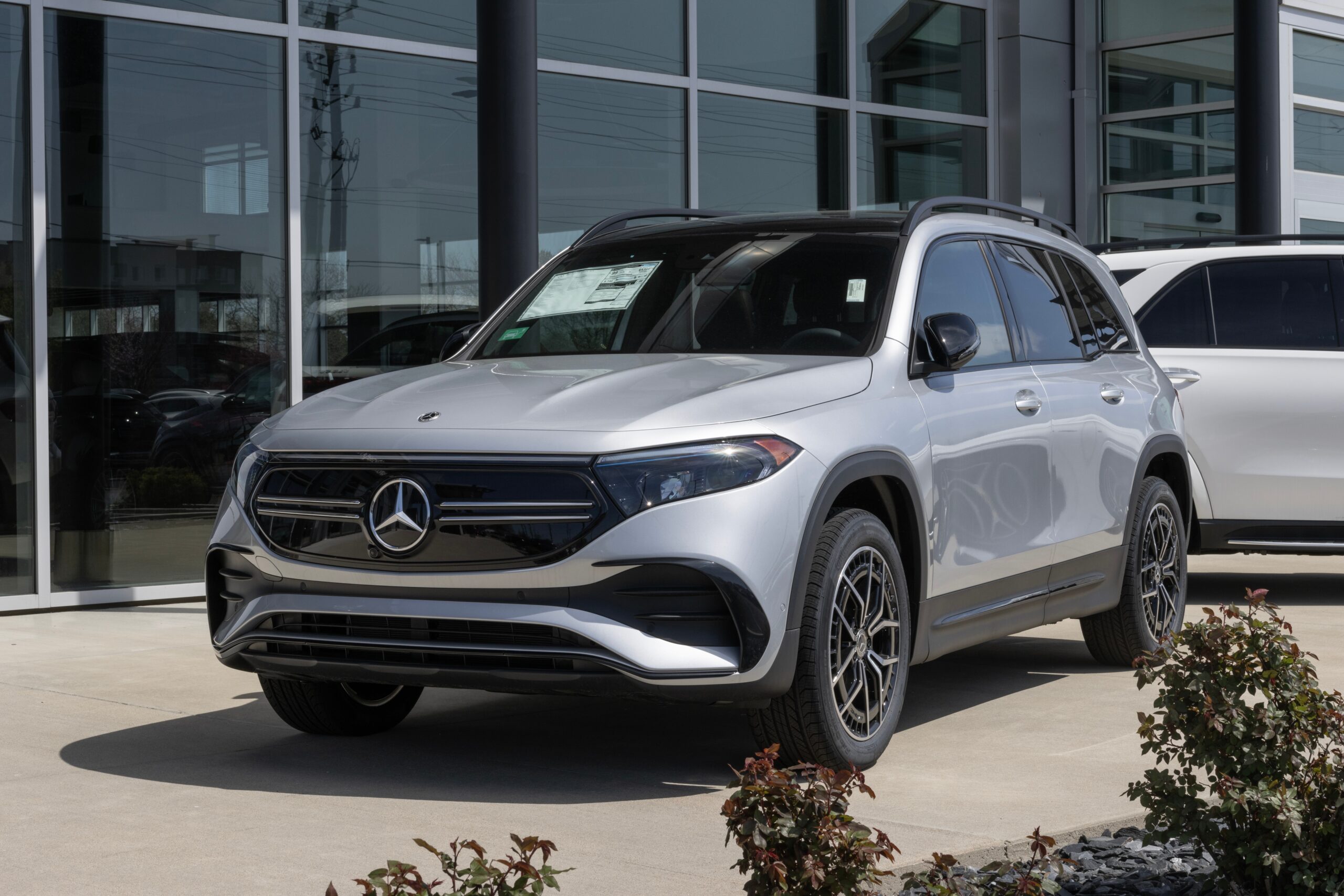
Mercedes-Benz has issued interim safety instructions while a permanent fix is being prepared. Owners are advised to limit charging to 80 percent and to park their vehicles outdoors. This is to reduce liability.
A prior recall effort in 2025 attempted to resolve the risk through software updates, but investigations later found that the fix did not fully address the underlying battery vulnerability. Two fire incidents happened in the United States, involving cars from the indicated production batch.
Though these fires took place prior to the 2025 software update being deployed. Though detailed reports are still limited at this time, investigators confirmed that the fires were consistent with the defect pattern within the recall. The recall is part of a broader pattern of repeated interventions on the EQB platform, underscoring the complexity of managing battery safety in early-stage electric vehicle production.
Full Battery Replacement Planned
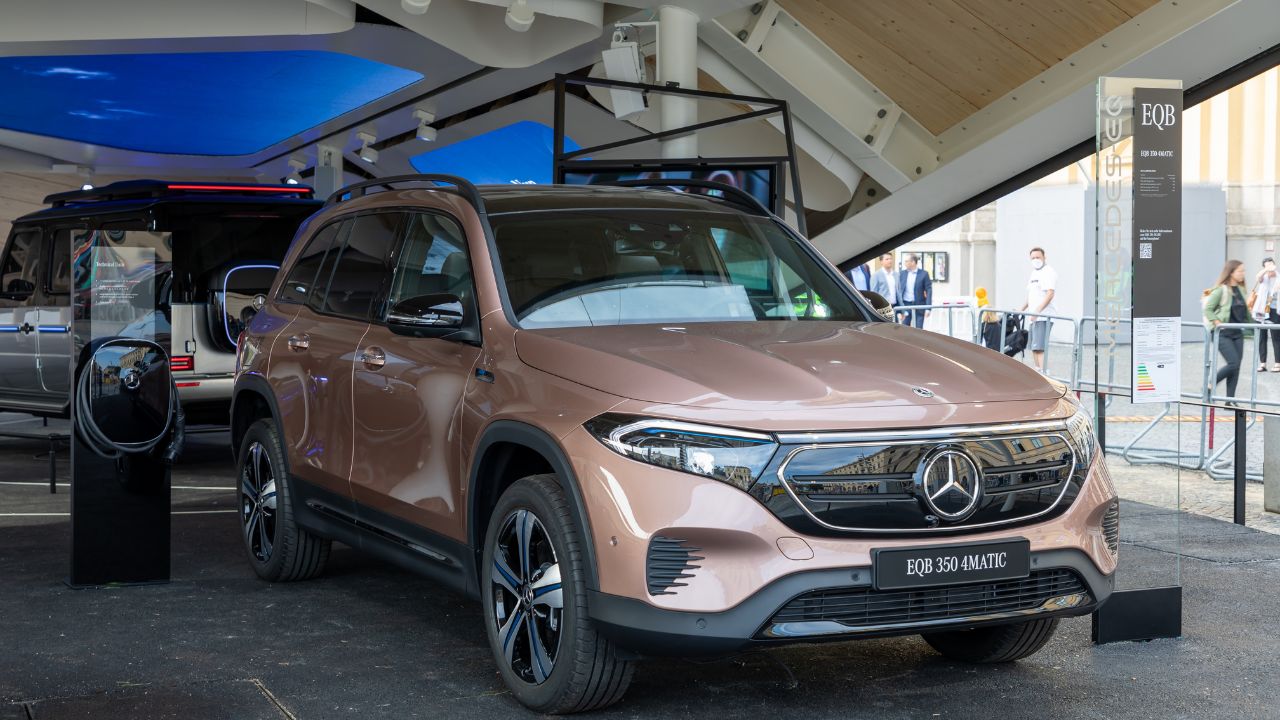
To resolve the issue, Mercedes-Benz will replace the high-voltage battery packs in all affected vehicles at no cost to customers. The updated batteries are designed with improved durability to eliminate the risk associated with earlier production units. Dealer notifications have already begun, with owner communication expected in phases starting in late February 2026. Replacement programs are anticipated to roll out in the following months as the supply of the revised battery units becomes available.
The recall underscores broader challenges facing the electric vehicle sector, where battery reliability remains critical to safety and consumer confidence. Early production issues, supplier variability, and real-world usage conditions continue to expose vulnerabilities in high-voltage systems.
As automakers scale electric vehicle production globally, incidents like the EQB recall show that battery engineering and quality control remain key risk areas. Manufacturers are under increasing regulatory and consumer pressure to ensure consistency in battery performance and to respond quickly when defects emerge.