The humble family SUV is getting surprisingly sophisticated underneath, as Toyota has equipped the latest North American-spec Toyota RAV4 with active aerodynamic technology typically associated with high-performance sports cars and cutting-edge EVs.
Most owners will probably never even notice it, but hidden beneath the front bumper is a system called “Active Front Spats,” developed jointly by Toyota and supplier Aisin to help improve efficiency by managing airflow around the front wheels.
That may sound minor, but airflow around rotating tires is one of the messiest aerodynamic areas on any vehicle. Controlling it more effectively can reduce drag, improve fuel economy, and extend driving range, especially on taller SUVs that naturally punch a bigger hole through the air than low-slung sedans.
The interesting part is not simply that the RAV4 uses aerodynamic spats. Plenty of fuel-efficient vehicles have fixed air deflectors underneath. What makes Toyota’s setup different is that these components actually move depending on vehicle speed.
The RAV4’s Aero Parts Hide Until They’re Needed
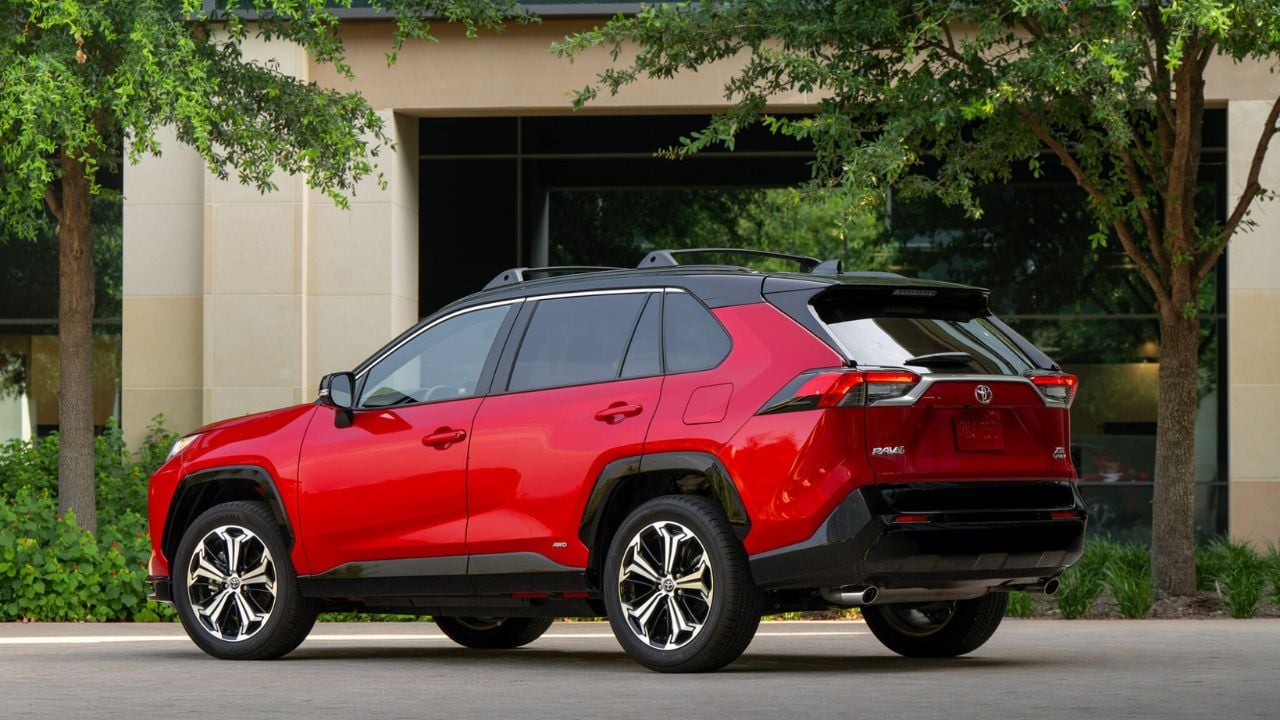
According to Aisin, the Active Front Spats automatically deploy and retract while driving. At low speeds or while stationary, the panels stay tucked away behind the bumper to preserve ground clearance and avoid scraping on obstacles or uneven surfaces.
That’s important because SUVs like the RAV4 still need to handle speed bumps, steep driveways, and occasional light off-road use. Large fixed aero components would compromise approach angles and make everyday driving more annoying.
Once speeds increase, though, the system deploys the spats downward using a proprietary linkage mechanism. With the panels extended, airflow around the front tires becomes cleaner and more controlled, helping reduce turbulence and aerodynamic drag.
It is a surprisingly advanced solution for a mainstream crossover. Active aerodynamic systems used to be reserved almost entirely for supercars chasing lap times or ultra-efficient EVs trying to maximize range.
Efficiency Is The New Performance Battleground
The automotive industry is now obsessed with finding tiny efficiency gains wherever possible. Bigger batteries and more powerful hybrid systems help, but engineers are increasingly focusing on smaller aerodynamic improvements that add up over time.
That is especially important for SUVs, which remain inherently less aerodynamic than sedans or wagons because of their taller ride height and boxier proportions. Even a modest reduction in drag can improve highway efficiency in noticeable ways over the lifespan of a vehicle.
Toyota’s decision to fit active aero technology to the RAV4 also reflects how competitive the hybrid SUV market has become. The RAV4 remains one of the world’s best-selling vehicles, and squeezing extra efficiency out of an already highly optimized package is becoming increasingly difficult.
As a result, automakers are now turning to technologies that previously seemed excessive for ordinary family cars. Features once developed for racing programs or exotic performance cars are gradually trickling down into everyday transportation.
Hidden Tech Is Becoming The Norm
Interestingly, the Active Front Spats are currently confirmed only for North American-spec RAV4 models. Aisin has not yet said whether the technology will expand into other global markets or spread to additional Toyota SUVs in the future.
Still, it would not be surprising to see similar systems appear elsewhere across the industry very soon. Active shutters, adaptive ride heights, deployable spoilers, and movable underbody panels are already becoming more common as manufacturers chase stricter emissions targets and improved EV range.
The funny thing is that most owners will probably never realize their family crossover has moving aerodynamic components hiding underneath it. There is no flashy button, no dramatic wing deploying in the rearview mirror, and no obvious visual theater.
Yet that subtlety is exactly what makes it interesting. The modern car industry is increasingly turning everyday vehicles into rolling showcases for technology that once belonged exclusively to supercars and racing machines.