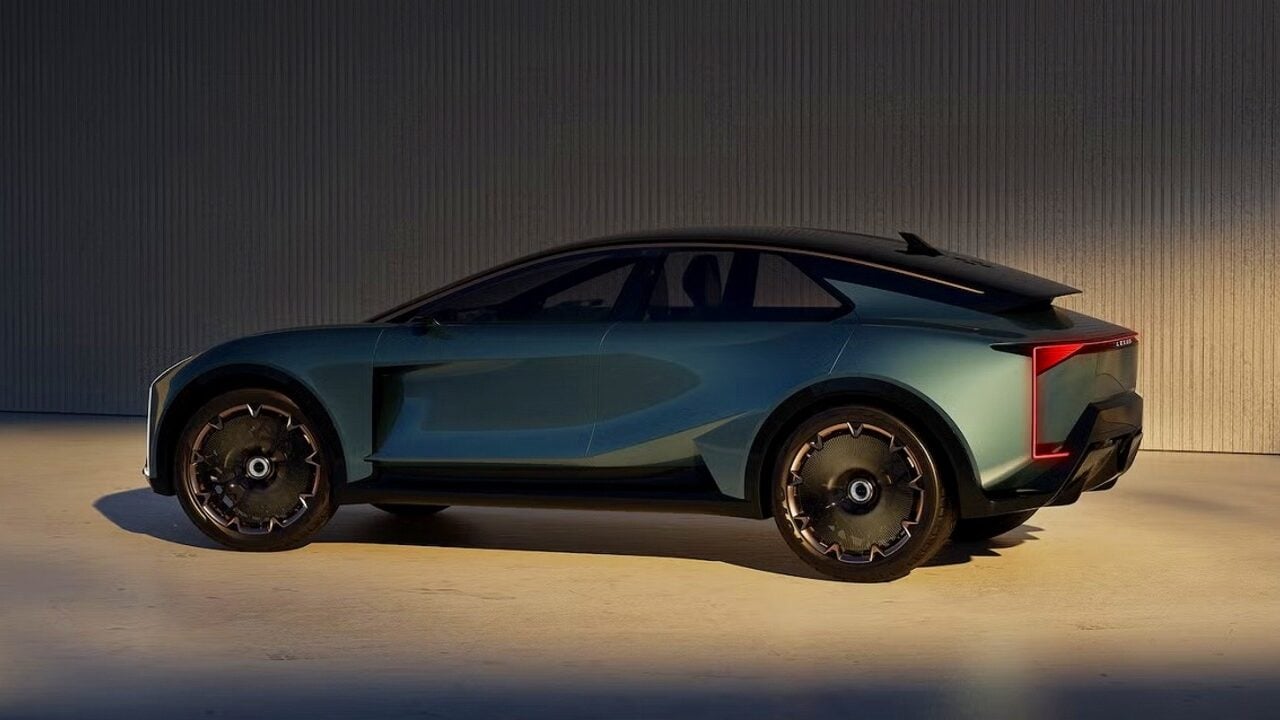
Lexus may be preparing the biggest identity switch in the history of the LS. After decades as the brand’s flagship luxury sedan, new reports suggest the next-generation LS could abandon the traditional four-door formula entirely in favor of a large luxury SUV or crossover.
That possibility would have sounded ridiculous a few years ago. The LS has been synonymous with Japanese luxury sedans since 1989, originally launching as the car that helped establish Lexus as a serious rival to Mercedes-Benz and BMW in the global luxury market.
Now, though, Lexus itself appears to be laying the groundwork for something very different. At the 2025 Japan Mobility Show, the company showcased two radical LS-themed concepts that looked nothing like a conventional sedan, signaling that the LS name may soon represent an entire family of flagship vehicles instead of a single model.
One concept took the form of a futuristic six-wheeled luxury van, while the other looked far more relevant to production reality: a sleek coupe-inspired crossover with proportions that felt much closer to today’s luxury SUV trends. Suddenly, rumors about an LS SUV do not seem quite so far-fetched anymore.
Lexus Is Redefining What “LS” Means
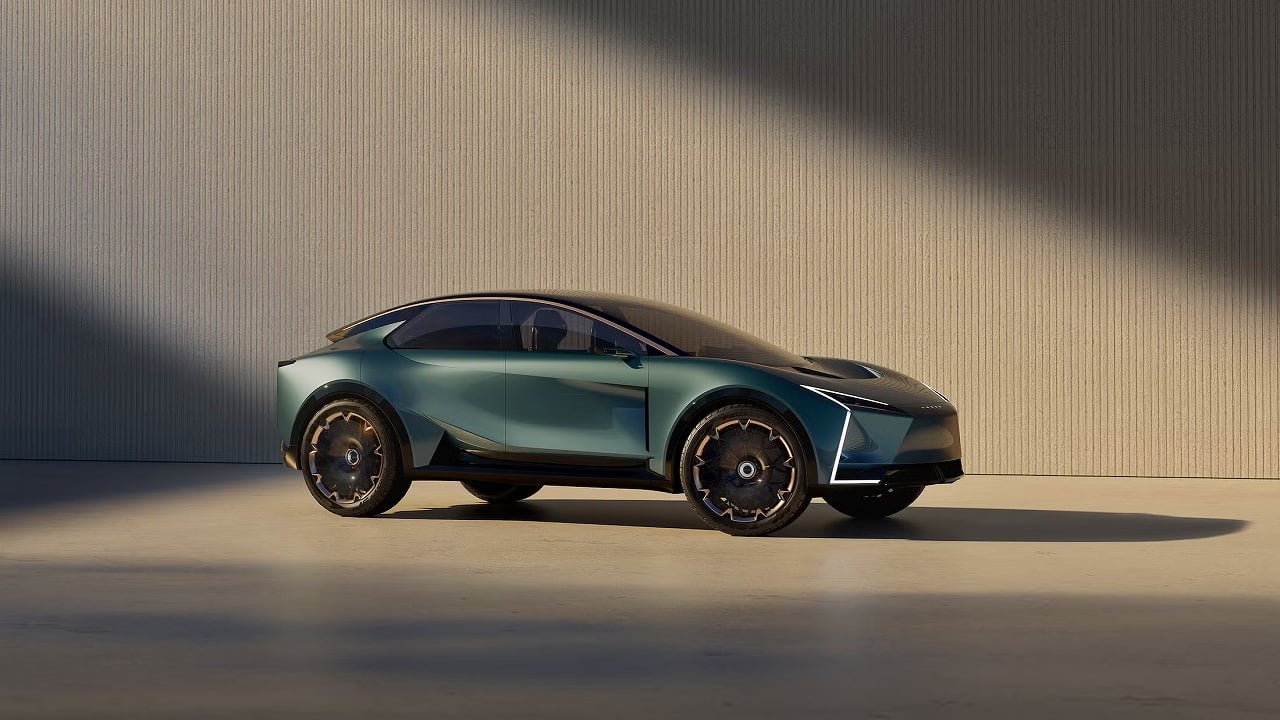
According to reports from Japan, Lexus internally no longer sees LS as simply shorthand for a Luxury Sedan. Instead, the company reportedly now interprets LS as “Luxury Space,” opening the door for multiple body styles and interpretations under the same flagship umbrella.
CALTY president Ian Cartabiano hinted at this during the Tokyo show by referring to LS as a “family of flagships.” That wording alone was enough to spark speculation that Lexus was preparing to fundamentally reinvent one of its most important nameplates.
Japanese publication Best Car now claims Lexus has already approved development of an LS SUV or crossover for production. While the rumored timeline points toward a launch around 2027 or 2028, there are also suggestions that development could be moving faster behind the scenes.
Naturally, none of this has been officially confirmed by Lexus. Best Car has a mixed history with future product rumors, though this particular story feels more believable than many previous reports because Lexus itself has already hinted at major changes.
The Luxury Market Has Changed Dramatically
Even without insider rumors, the move would make sense from a business perspective. The current LS launched back in 2017, making it one of the oldest vehicles in Lexus’ lineup, and luxury sedan demand has steadily declined almost everywhere in the world.
Buyers who once gravitated toward large flagship sedans are increasingly choosing luxury SUVs instead. Vehicles like the BMW X7, Mercedes-Benz GLS, and Range Rover have effectively replaced traditional flagship sedans for many wealthy customers.
Lexus already offers the Lexus LX, but that vehicle leans heavily into rugged off-road capability because of its Toyota Land Cruiser roots. An LS crossover or SUV could instead focus almost entirely on comfort, technology, and flagship-level luxury.
The coupe-inspired crossover concept shown in Tokyo also looked surprisingly realistic for a concept car. Its proportions, surfacing, and overall packaging appeared much closer to a production-ready vehicle than a purely experimental design exercise.
Hybrid And EV Power Could Define The Next LS
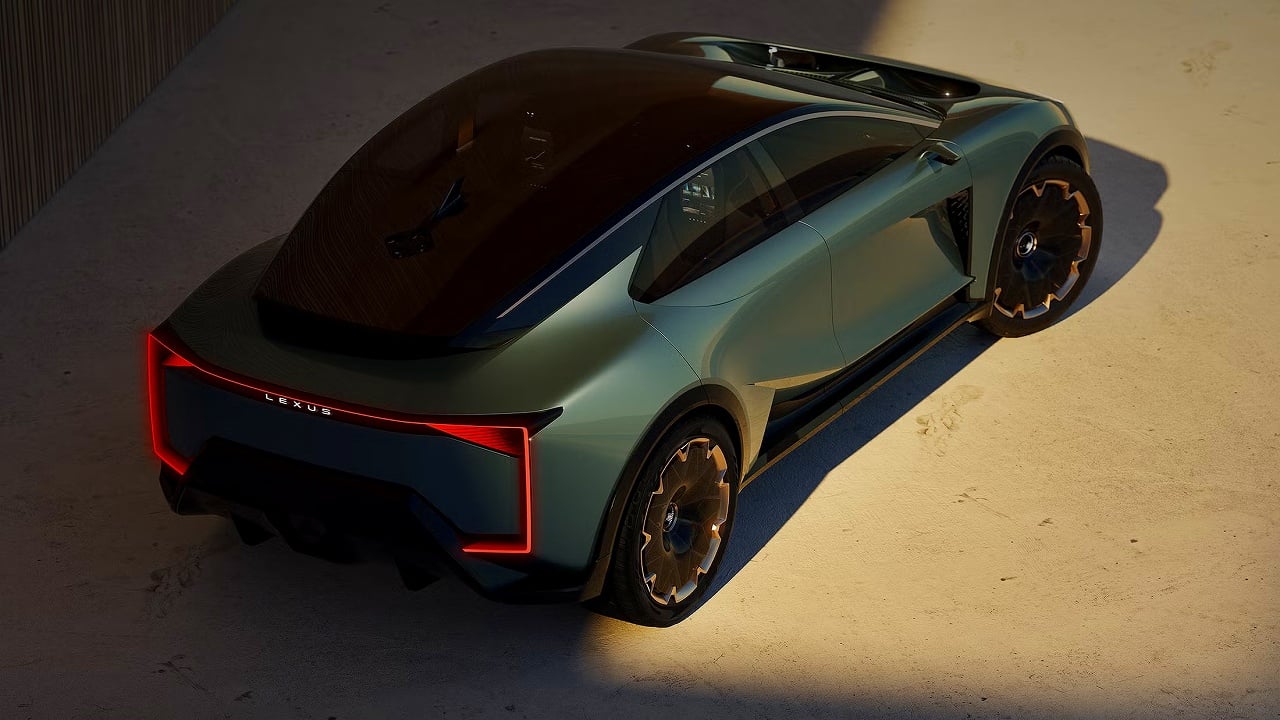
Reports also suggest the next LS flagship could arrive as either a plug-in hybrid or a fully electric model. Some rumors even claim it may share certain technologies or positioning strategies with the ultra-luxury Toyota Century SUV sold in Japan.
Names like LS600h+ and LS800e have already started circulating online, though those remain entirely speculative at this stage. Still, electrification would align perfectly with Lexus’ strategy as the brand continues expanding both its hybrid and EV lineups globally.
The bigger question is how traditional LS buyers will react. The LS built its reputation on understated luxury, smooth V8 power, and classic sedan proportions, qualities that helped distinguish it from louder or flashier German rivals for decades.
Yet the market has changed dramatically since the original LS debuted nearly 40 years ago. If Lexus truly wants the LS to remain relevant as a flagship product, transforming it into a luxury SUV may simply reflect where premium buyers have already moved.