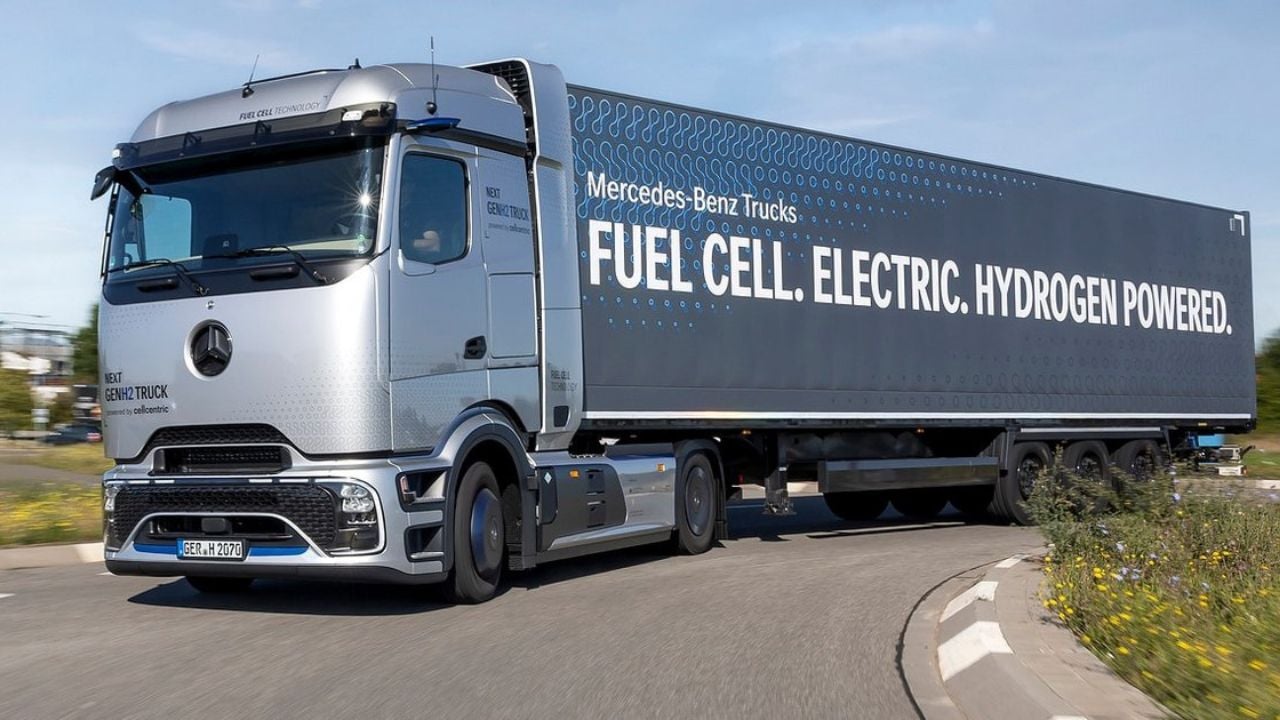

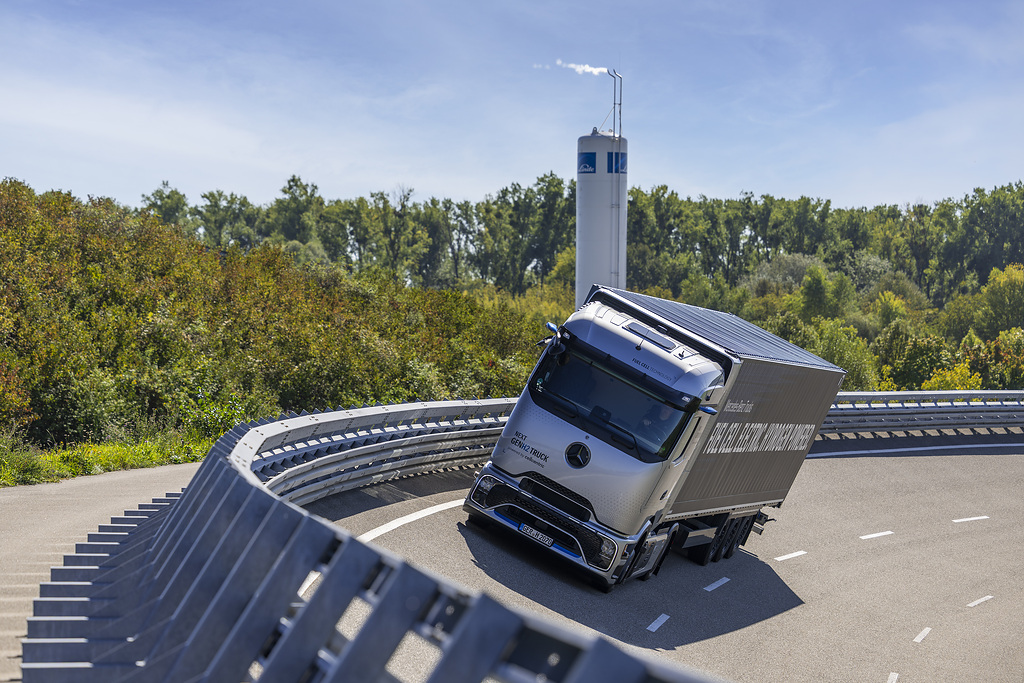
Mercedes‑Benz Trucks is finally turning its long‑standing hydrogen ambition into reality. After years of prototyping and trials, Daimler Truck AG has confirmed that the hydrogen‑electric NextGenH2 Truck will enter limited production later in 2026, representing one of the most concrete forays into hydrogen fuel‑cell freight transport to date.
It means the NextGenH2 is not merely a concept or a lab curiosity but a planned small‑series production run of 100 units, built at the Mercedes‑Benz Trucks plant in Wörth, Germany, and earmarked for real world deployment with select logistics partners from the end of next year onward.
The Tech Powering the NextGenH2
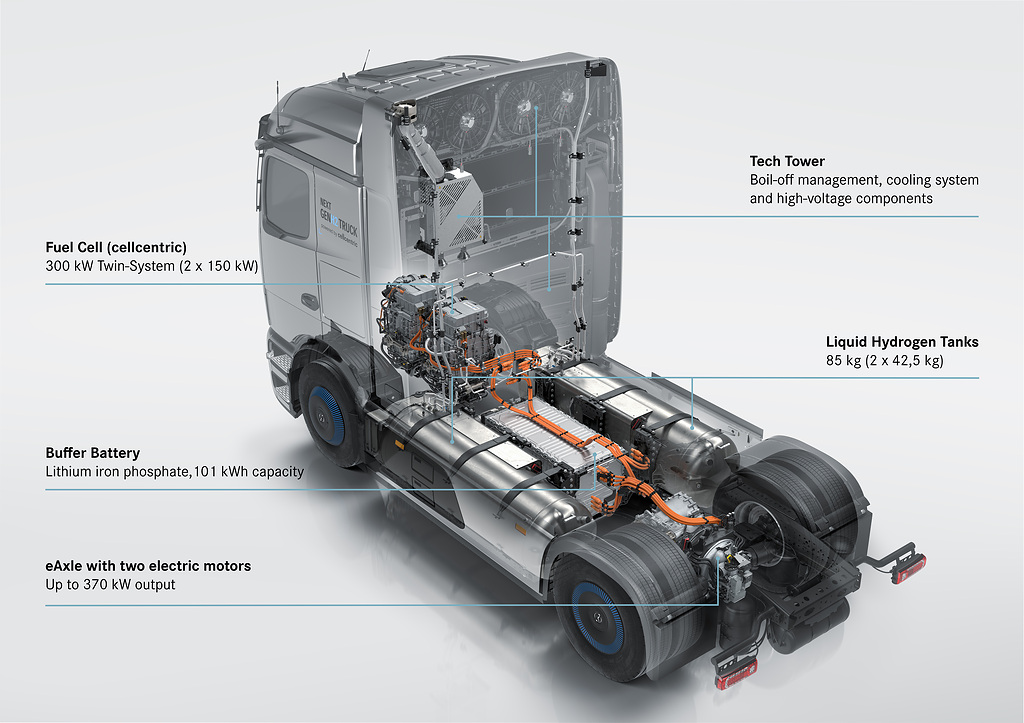
The NextGenH2 Truck builds on the foundation laid by its predecessor, the GenH2 prototype. Daimler has retained key technologies from that prototype, such as liquid hydrogen storage and fuel cell power units from the joint cellcentric venture with Volvo Group, while adding production‑ready components from Mercedes‑Benz’s existing truck lineup like the eActros 600 electric truck.
The technical edge is apparent, but even more particularly captivating is the confidence. By storing hydrogen in liquid form, the truck squeezes more energy per tank than most compressed gas systems, enabling ranges well beyond typical battery‑electric or gaseous hydrogen alternatives.
In fact, earlier prototype runs covered more than 621 miles (1,000 kilometers) on a single hydrogen fill, hinting that this could rival or even exceed diesel trucks on long routes.
Refuelling practicality has been a historical stumbling block for hydrogen vehicles, but Daimler’s work with partner Linde on the sLH2 refuelling standard aims to change that. According to company information, filling a NextGenH2 truck should be possible in roughly the same timeframe as refilling a diesel rig, with sessions taking just 10 to 15 minutes.
A Strategy of Caution and Learning
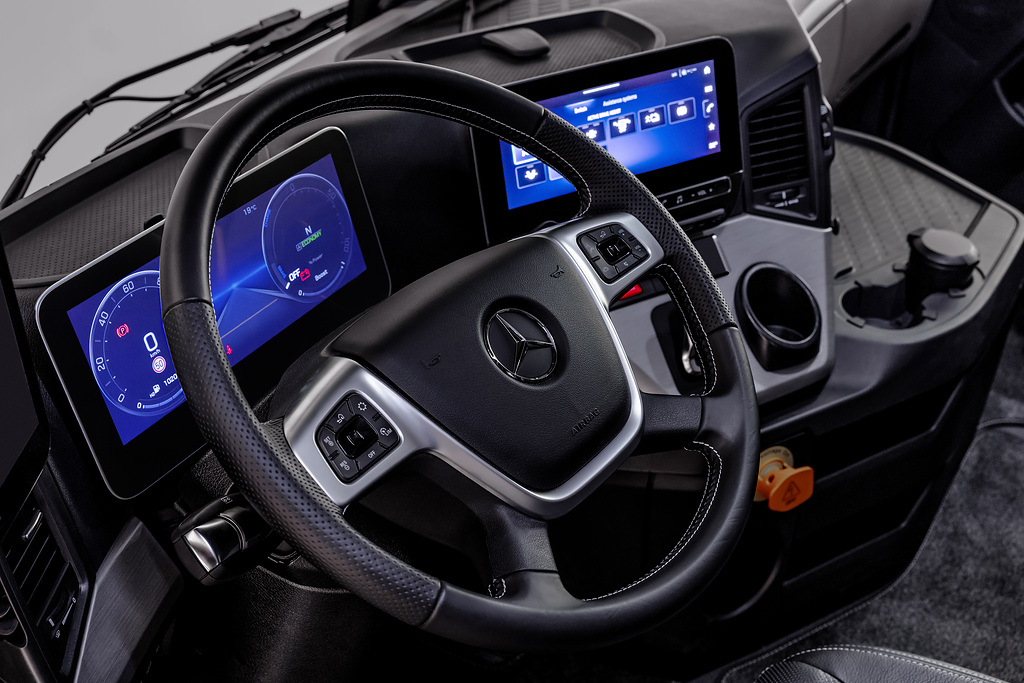
The NextGenH2’s cabin embraces modern truck comforts and technologies. It includes the ProCabin that also features on Mercedes’ battery‑electric designs, a contemporary multimedia cockpit, and advanced driver assistance systems. Integrating these features suggests Daimler is serious about sustainability as much as it is about driver experience and safety.
But before we picture a hydrogen fleet flooding Europe tomorrow, it’s important to see this project in context. Limited production of 100 units is tactical.
Daimler is approaching this as a learning phase, one designed to help the company and its customers gather invaluable data on daily operations, logistics workflows, serviceability, and refueling infrastructure readiness before any broader rollout in the early 2030s.
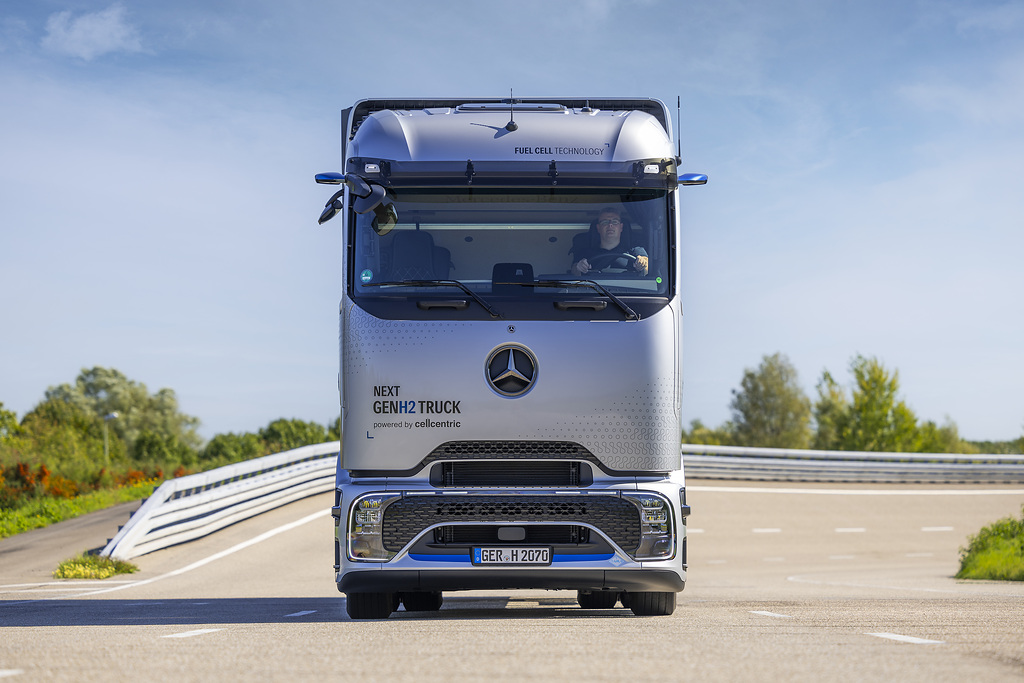
This strategy is not unique in the commercial vehicle world. Major players like Toyota and Hyundai have flirted with hydrogen over the years, but few have moved this close to real production with an integrated liquid hydrogen system aimed at true long‑haul logistics as Mercedes is doing now.
Daimler Truck CEO Achim Puchert has underscored hydrogen’s role in the industry’s decarbonized future, mentioning that alongside battery‑electric solutions, hydrogen‑based drives are essential for climate goals and operational flexibility.
That echoes a larger industry viewpoint that truck electrification will not be one size fits all; high‑duty, long range missions will likely require multiple energy solutions.
Shifting the Narrative
Mercedes has been in the crosshairs of hydrogen skeptics before. Previous reports suggested shifts in investment priorities, and budget pressures have periodically hit Daimler’s hydrogen ambitions. But for now, this small‑series shifts the narrative to something more practical and achievable.
It sends the message that hydrogen trucks are no longer distant possibilities or polished prototypes but are moving from R&D labs to customer fleets in a measurable way.
Granted, infrastructure scalability will remain a central question for fleet operators looking at total cost of ownership. But with liquid hydrogen promising high energy density, faster refills, and lower weight tanks compared with compressed systems, the NextGenH2 could make hydrogen trucking more practical than ever thought possible.
By the time the first units hit roads across Europe in 2026, Daimler Truck will have lit a fire under an entire segment of the industry. For fans of bold automotive innovation, this is a story worth watching.