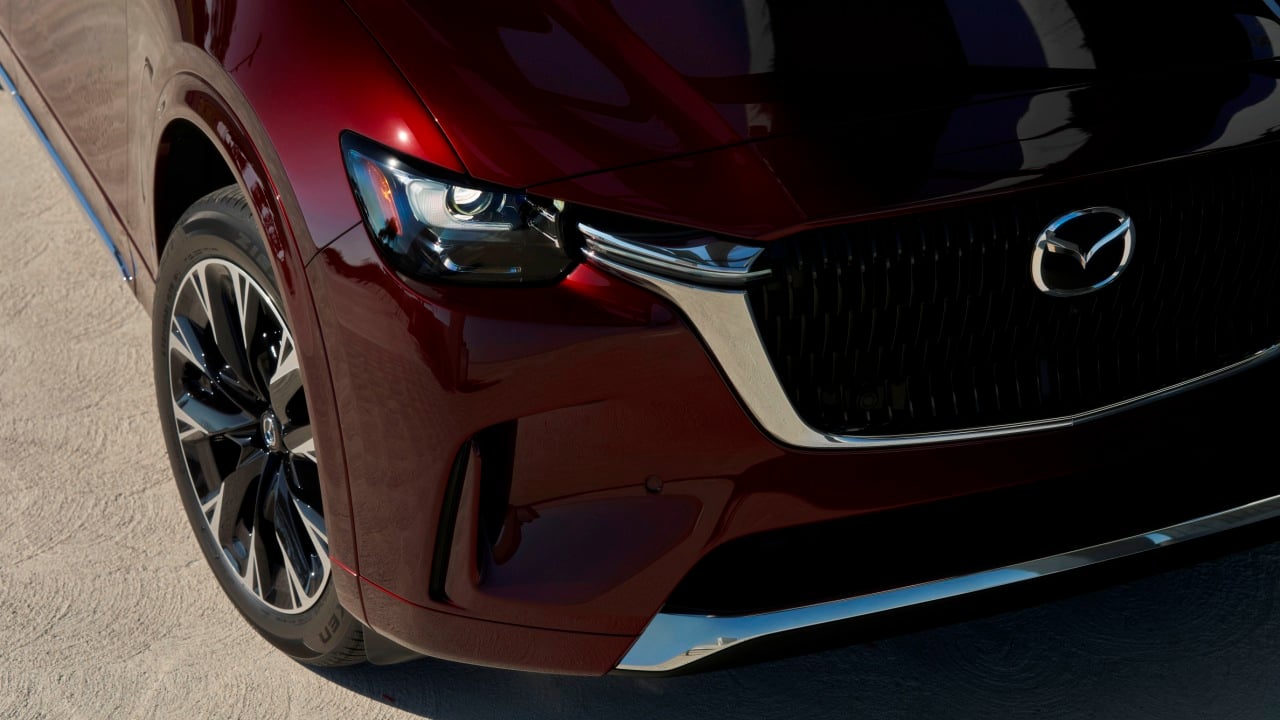
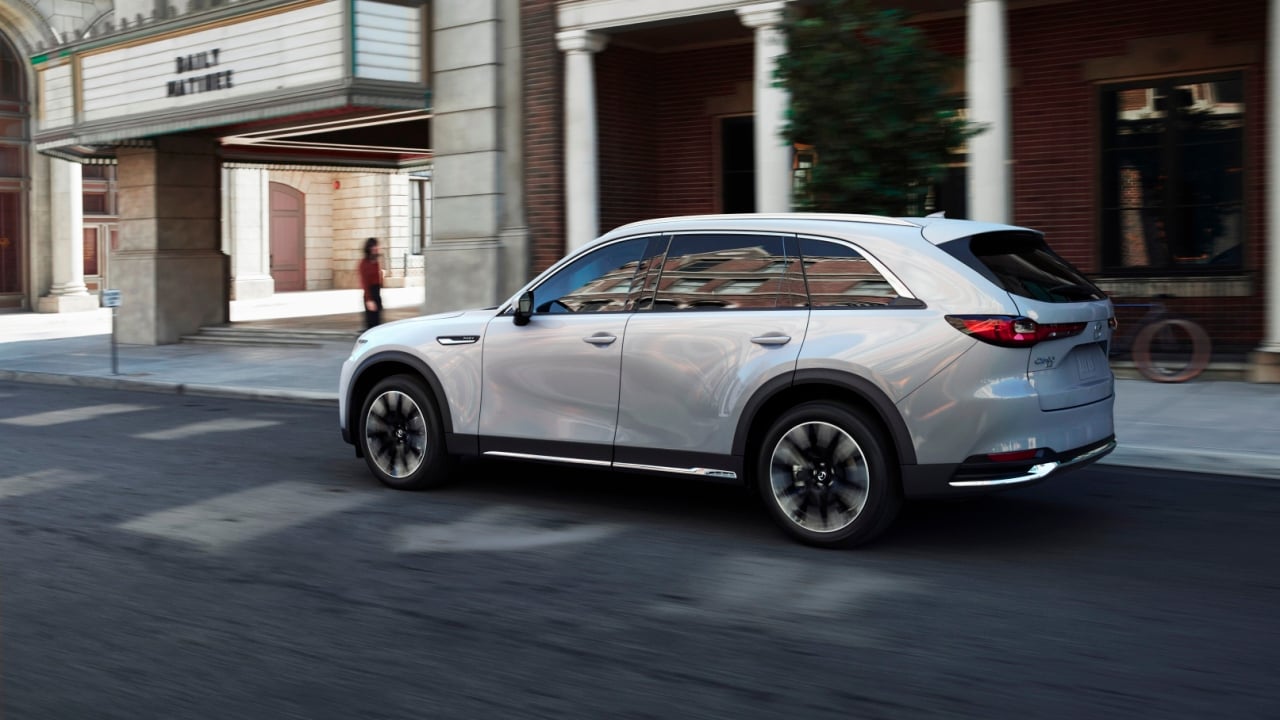
Mazda’s flagship three-row SUV, the CX-90, is the brand’s answer to families who want a large, premium daily driver. Surprisingly, it’s starring in its second major lawsuit in just over a year—and this time the headlines are about brake squeals and a lane-keeping feature that allegedly tries to drive the car for you. That’s the kind of surprise no new SUV owner wants to discover at the dealer or on a long road trip.
The fresh lawsuit, filed in the Eastern District of Virginia by plaintiff James R. Burnell, drags both key safety systems—braking and Lane Keep Assist—into the spotlight at once. Burnell’s experience paints a picture of a vehicle that, according to the complaint, delivered repeated noises; failed repairs; and a safety assist system that sometimes worked against the driver instead of with them. With owners across the country watching and Mazda having already faced one lawsuit last year over squealing brakes, this latest case has quickly become one of the most talked about legal headaches in the SUV world.
Whether you love Mazda’s handling, its relative fuel efficiency for a three-row SUV, or just think it looks slick for its class, this lawsuit is the kind of story that makes even loyal fans double-check their test drive notes.
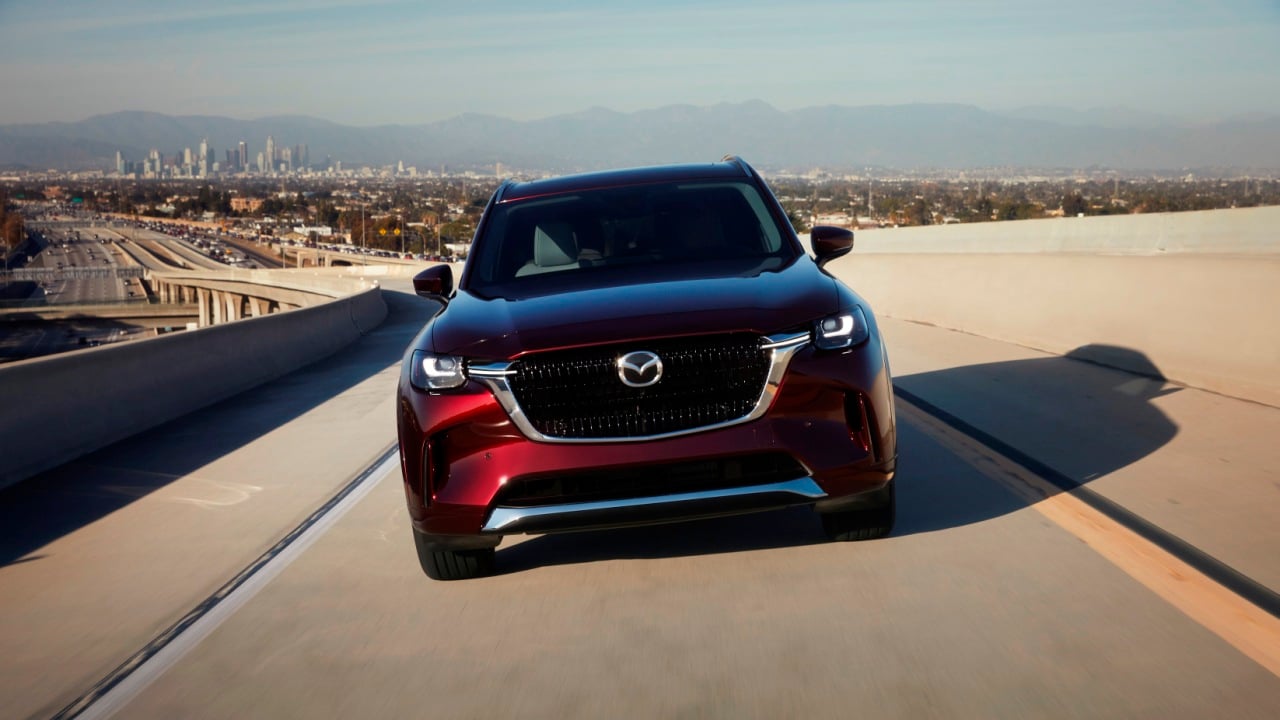
The Brakes That Never Shut Up
One of the core pillars of this lawsuit is the Mazda CX-90’s braking behavior—and yes, it sounds like something straight out of a worst-nightmare owner forum thread. The complaint alleges that the CX-90’s brake system suffers from premature, excessive deterioration that leads to loud, high-pitched squealing and even vibration during normal braking.
Brake pads on most vehicles are expected to last somewhere between 30,000 and 65,000 miles, but plaintiffs claim CX 90 owners have been replacing pads and other brake components within the first thousand miles of ownership. That’s a serious red flag for something consumers expect to be bulletproof on a nearly new vehicle—especially one positioned as a more premium SUV.
According to the lawsuit, these issues aren’t just noise complaints. High-pitched squealing, creaking, and vibration can mask or delay recognition of real brake wear and performance issues, which can undermine confidence in such a safety-critical system.
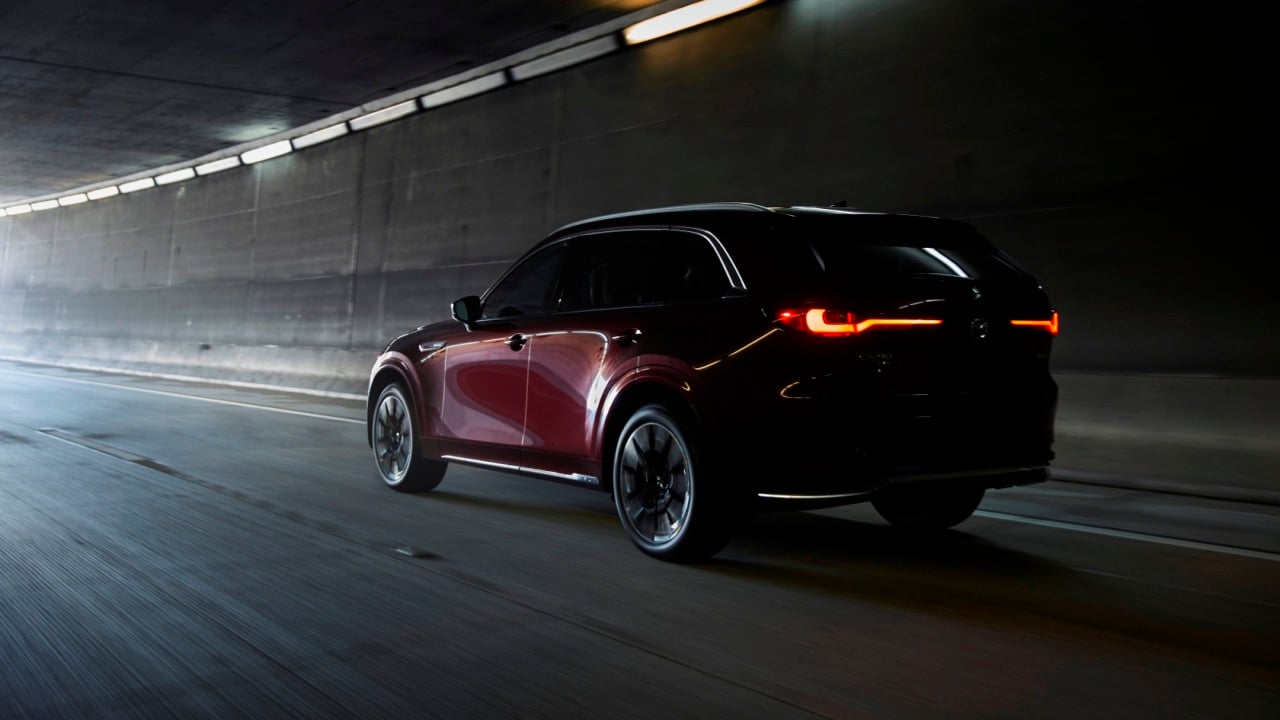
Lane Keep Assist: Helpful or Too Helpful?
Then there’s Mazda’s Lane Keep Assist system—a feature designed to gently nudge drivers back into their lane when the vehicle strays. In theory, it’s a safety net; in practice, the lawsuit claims it sometimes becomes a tug of war between driver intent and automation.
The complaint says the system can apply forceful steering torque that contradicts what the driver is trying to do — in other words, a system intended to assist might end up fighting the driver’s hands on the wheel. That’s not subtle lane centering help. That’s the car trying to take over the task in a way people did not expect.
To most owners, lane keeping aids are supposed to feel like polite reminders—slight, soothing nudges that help you stay in your lane on long drives. If they start acting too aggressive or inconsistent, it’s easy to see how owners would feel uneasy and wonder if the car is responding to human input or software logic that’s out of whack.
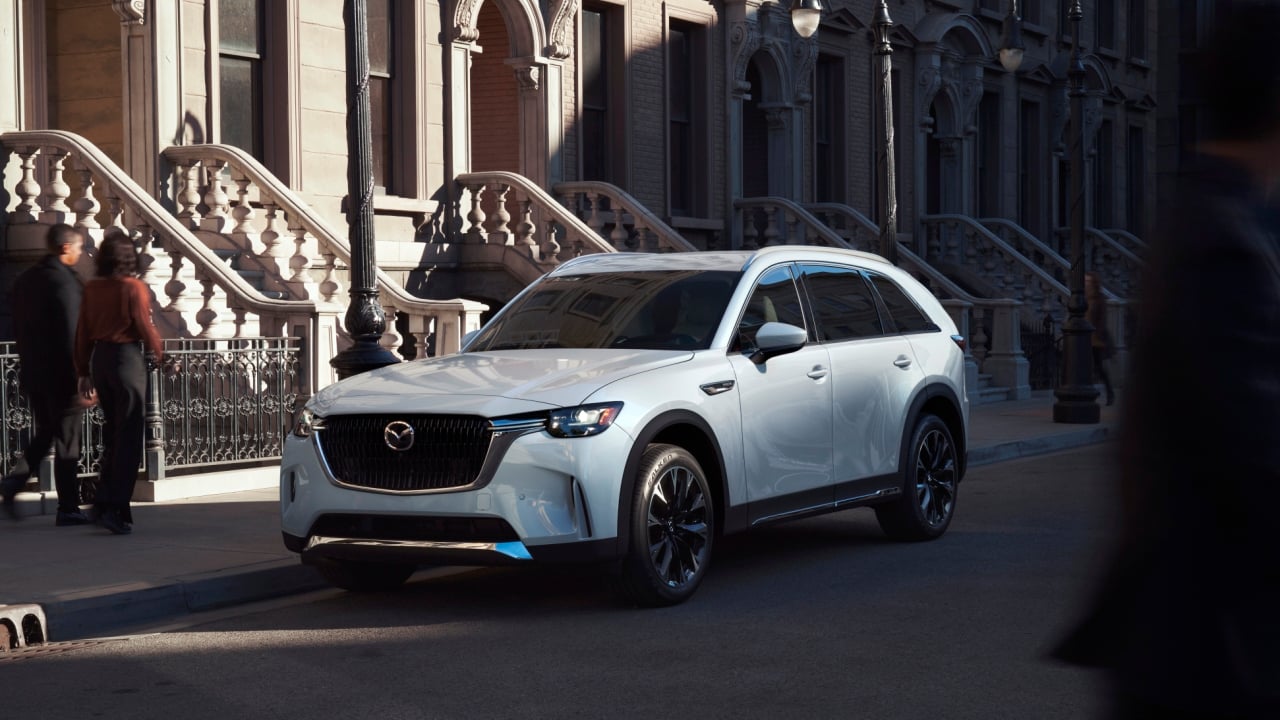
Dealer Visits That Led… Nowhere
The lawsuit takes pains to show the plaintiff’s grievances didn’t fall on deaf ears at first—they just didn’t find resolution. After purchasing a 2024 CX-90, Burnell says he brought the SUV to dealerships multiple times, with brake and lane assist complaints diagnosed as “normal” or given only temporary fixes.
Brake rotors were scuffed. Brake pads got a squeal-suppressing compound. Full brake systems got swapped. And yet, the complaints allegedly kept coming. That kind of repeated dealer limbo—where techs can’t replicate, don’t see a problem, or treat it as acceptable—is exactly the pattern that fuels class action lawyers’ calls for broader systemic fixes.
What This Lawsuit Is Aiming For
Unlike the earlier case that allegedly settled for just one individual, the Virginia lawsuit seeks to represent CX 90 owners nationwide. It claims Mazda may have known about the defects through consumer complaint data, dealer repair trends, and even pre-launch testing yet did not disclose or adequately resolve the problems.
That is a serious allegation in a lawsuit tied to brakes and steering — two of the most fundamental safety systems on any vehicle. For Mazda, which has built much of its brand identity around driving feel and solid engineering, this kind of legal scrutiny could sting if it gains traction in court or the court of public opinion.
Why Owners Are Paying Attention
SUV buyers across the market — not just Mazda loyalists — are watching this case because it touches on issues people care about deeply: safety, predictability, and expense. Brake repairs are not supposed to be frequent on a brand new car, and advanced driver assists are supposed to help, not make things feel unpredictable.
Whether this lawsuit will lead to a broader recall, compensation, or a rethinking of Mazda’s ADAS strategy remains to be seen. For now, the CX-90 saga is a reminder that even well-reviewed vehicles can stumble where it really counts: everyday confidence behind the wheel.