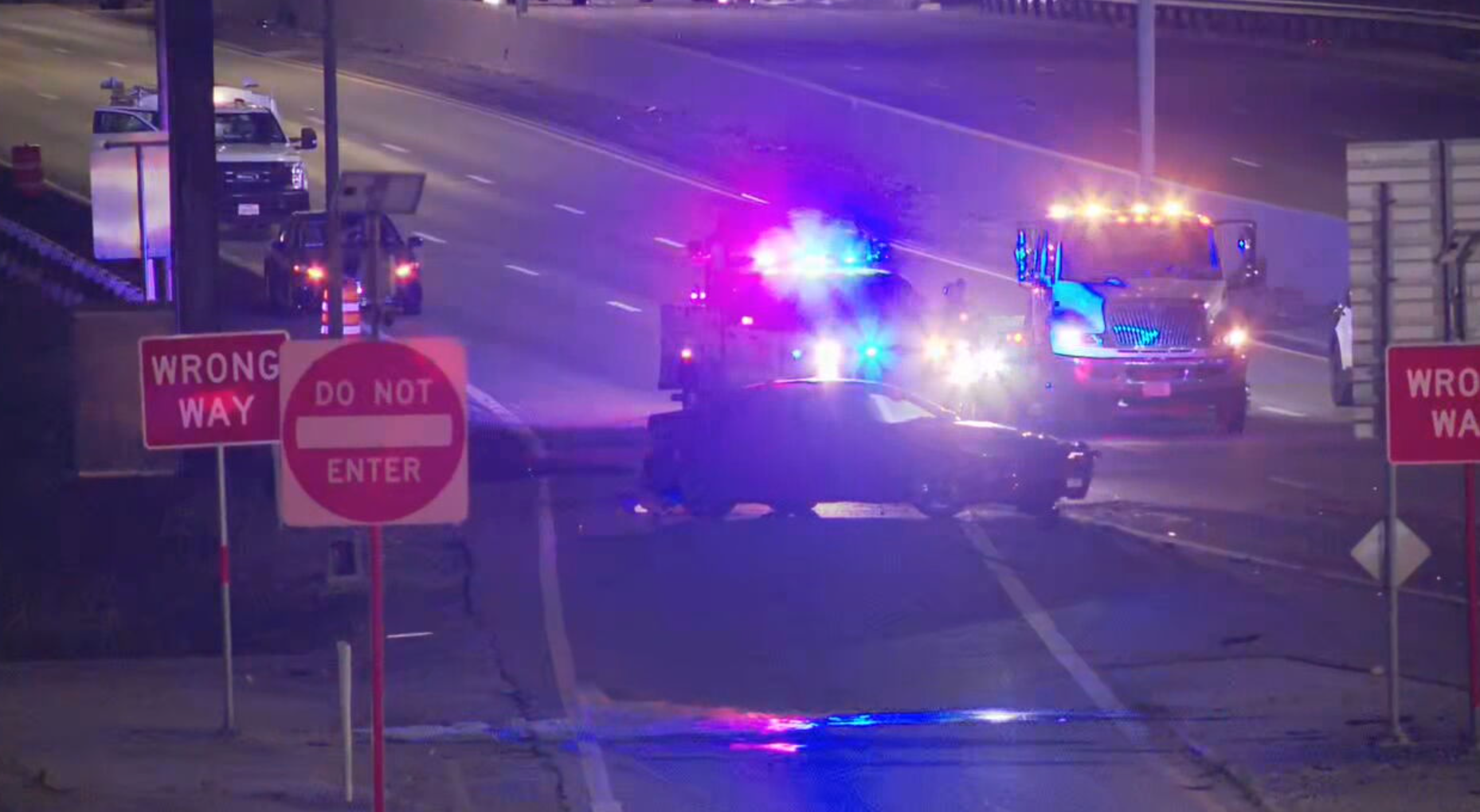
A tragic chain of events unfolded early in the morning on San Antonio’s Northeast Side after a single-vehicle crash ended with a pedestrian fatality and a hit-and-run investigation.
According to the San Antonio Police Department, the incident happened around 2:30 a.m. near Binz Engleman Road and Interstate 35. Authorities say a man was traveling northbound when he lost control of his vehicle and crashed into a guardrail.
Investigators said the driver got out of the damaged vehicle after the collision. Moments later, another vehicle struck him in the roadway. The man died at the scene.
Police say the driver who hit him did not stop and instead fled the area, leaving investigators searching for answers in a case that highlights how dangerous roadways can become after an initial crash.
What Police Say Happened
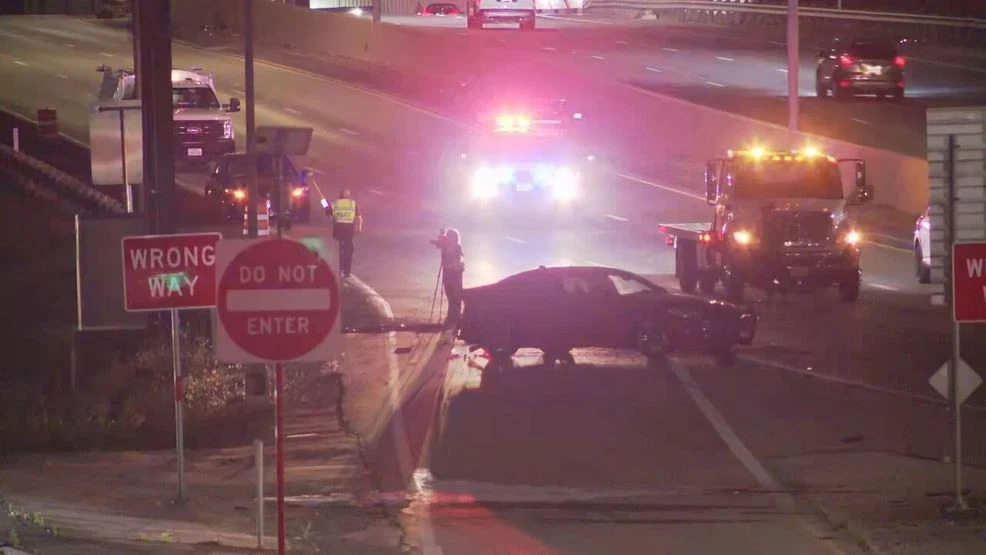
Details surrounding the first crash remain limited, but officers believe the victim lost control before hitting the guardrail along the roadway.
After the impact, the driver exited his vehicle for reasons that are still unclear. That decision turned fatal when another vehicle traveling through the area hit him.
Authorities have not publicly identified the victim, and information about the fleeing vehicle has not yet been released.
Hit-and-run crashes involving pedestrians are especially difficult for investigators because evidence can disappear quickly, particularly during overnight hours when traffic cameras and witnesses may be limited.
Why Secondary Crashes Are So Dangerous
Traffic safety experts often warn that the moments immediately after a collision can be just as dangerous as the crash itself.
Drivers who survive an initial wreck may instinctively leave their vehicles to inspect damage, call for help, or move away from danger. But highways and high-speed roads can become extremely hazardous, especially in darkness or low-visibility conditions.
A disabled vehicle near traffic lanes creates confusion for approaching drivers. Add nighttime conditions, speeding, distracted driving, or impaired driving into the mix, and the risk of a second impact rises dramatically.
Pedestrians on highways are especially vulnerable because drivers may not see them until it is too late to react.
What Drivers Should Do After a Crash
Incidents like this serve as an important reminder about roadside safety.
If a crash occurs, safety experts generally recommend staying calm and assessing the environment before exiting a vehicle. If the car is still operable and can be safely moved, drivers should pull as far away from active traffic lanes as possible.
Turning on hazard lights immediately can help warn approaching traffic. Calling 911 should also happen as soon as it is safe to do so.
If leaving the vehicle becomes necessary, experts recommend staying far from moving traffic and avoiding standing in travel lanes or near blind curves. Reflective gear, flashlights, or emergency triangles can also improve visibility during nighttime emergencies.
In some situations, staying inside a vehicle with a seatbelt fastened may actually be safer than standing near fast-moving traffic. Every crash scene is different, but visibility and distance from moving vehicles are critical factors.
Hit-and-Run Cases Continue to Frustrate Families and Police
Cases involving fleeing drivers often leave families searching for justice long after the crash scene is cleared.
Police departments across the country continue urging drivers involved in collisions to stop immediately, call emergency services, and remain at the scene. Leaving after a fatal crash can lead to serious criminal charges in addition to the emotional toll these incidents leave behind.
For investigators, locating fleeing drivers frequently depends on witness tips, surveillance footage, vehicle debris, and nearby traffic cameras.
As San Antonio police continue investigating the deadly crash near I-35, the incident stands as another grim reminder that surviving the first collision does not always mean the danger is over.