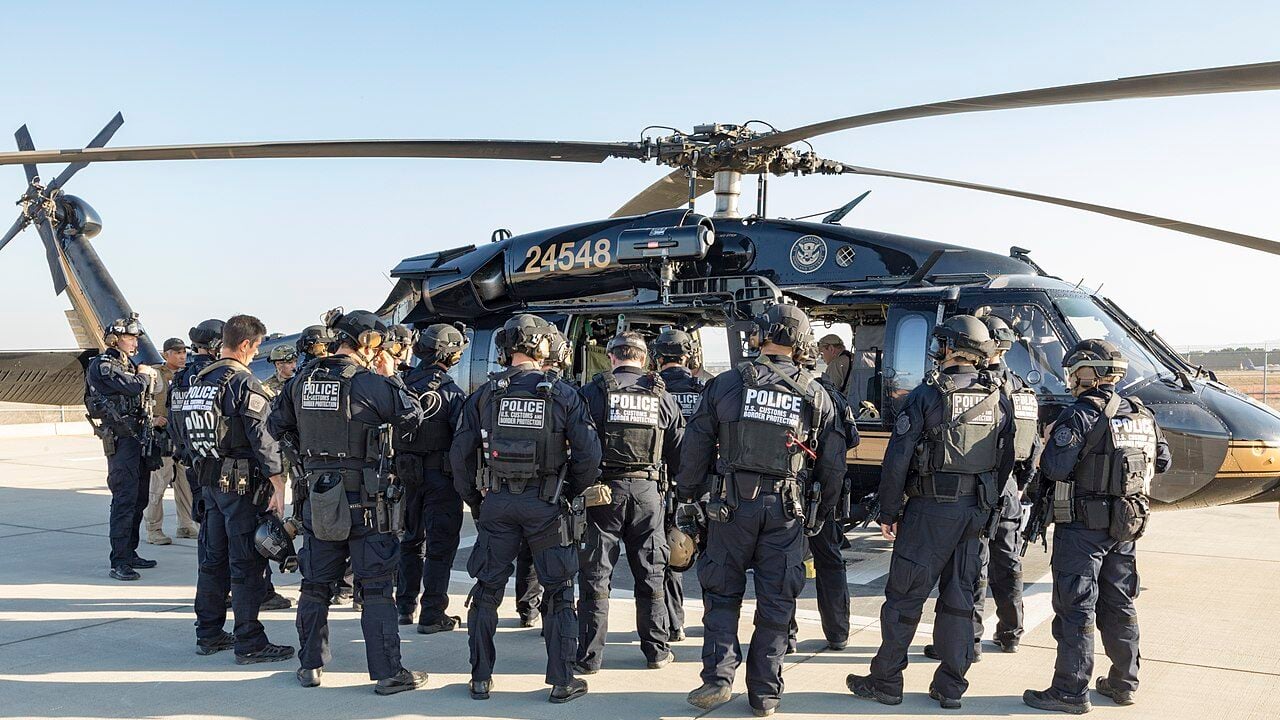

According to reporting by KATU, a serious aviation safety incident unfolded in Aloha, Oregon, when a man on the ground aimed a high-powered laser at a law enforcement helicopter preparing to land.
The aircraft involved was an Airbus H125 operated by U.S. Customs and Border Protection, identified in court records as tail number T169.
The event took place on October 3, 2025, as the helicopter approached Hillsboro Airport. Prosecutors say the aircraft was in a critical phase of flight when a green laser beam suddenly illuminated the cockpit.
The beam was intense enough to strike the eyes of one of the crew members, creating an immediate hazard. Pilots rely heavily on clear visibility and stable focus during landing, and even a brief flash of laser light can disorient vision or cause temporary blindness.
Faced with that risk, the crew made the decision to abort the landing and circle the area instead of continuing their descent. The disruption underscores how even a handheld device on the ground can interfere with highly advanced aviation systems.
Tracking the Source from the Air
After regaining composure, the helicopter crew remained airborne and began scanning the neighborhood below.
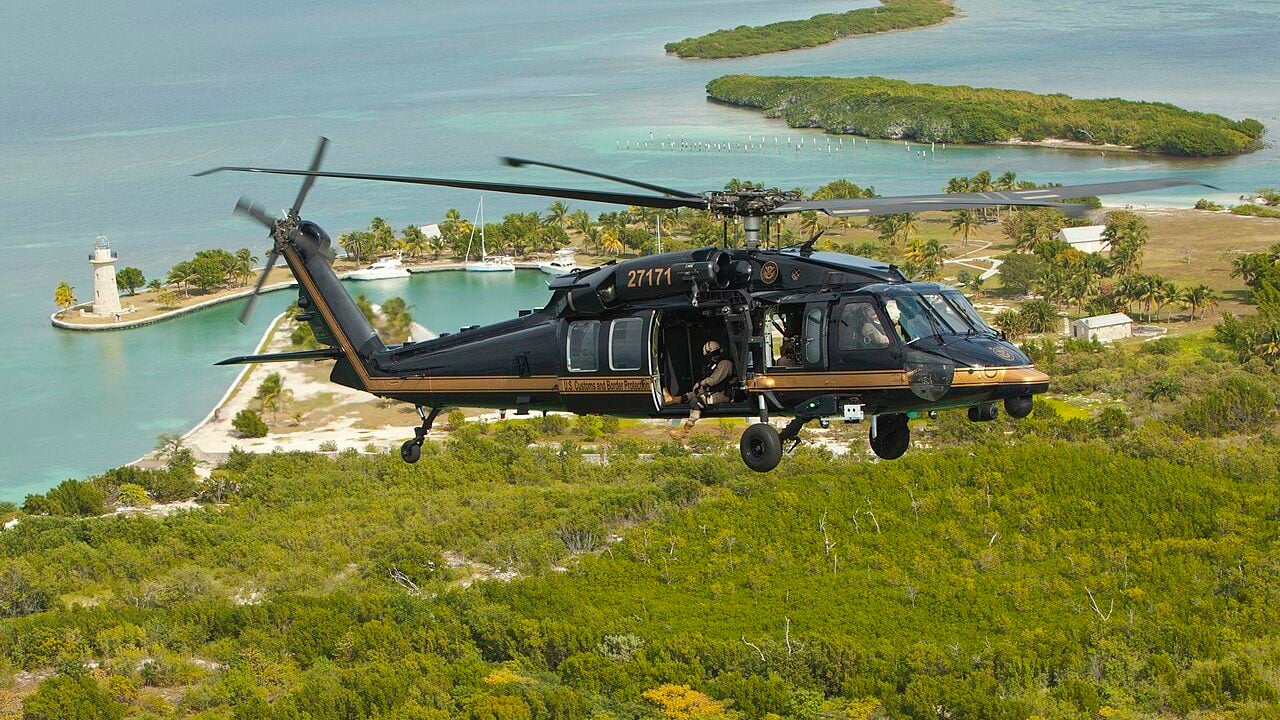
From their vantage point, they spotted an individual walking near a residence on Southwest Pinewood Way. That person was then seen disappearing from view, which drew further suspicion.
This aerial observation played a key role in guiding the next phase of the investigation.
Federal agents later secured a search warrant for the home identified by the crew. When authorities arrived to execute the warrant, they encountered resistance in the form of a locked bedroom door.
After breaching it, they discovered 38-year-old Brian Keith Kapileo Nepaial inside an adjoining bathroom.
Inside the residence, investigators reported finding the green laser device placed on a nightstand. Alongside it were quantities of methamphetamine and materials that suggested drug distribution activity.
The combination of evidence tied the suspect not only to the laser incident but also to a separate and more serious narcotics charge.
Admission and Federal Charges
Court documents reveal that Kapileo Nepaial admitted to pointing the laser at the aircraft. He told authorities that he had been outside smoking when he noticed or heard the helicopter overhead.

With a laser already in his pocket, he aimed it at the aircraft before heading back inside and going to sleep.
That admission aligned with the physical evidence and the observations made by the helicopter crew. A federal grand jury formally indicted him on December 16, 2025, on charges related to both the laser incident and drug possession with intent to distribute.
From an aviation safety perspective, pointing a laser at an aircraft is treated as a federal offense due to the risks it poses to pilots and passengers. Even a momentary distraction can have severe consequences, especially during landing or takeoff phases.
Sentencing Ahead and Wider Context
Kapileo Nepaial has since pleaded guilty to both charges. His sentencing is scheduled for July 28, where he faces significant penalties.

For aiming the laser at the helicopter, he could receive up to five years in prison, a fine of $250,000, and three years of supervised release.
The drug trafficking charge carries far steeper consequences, with a potential sentence of up to 40 years in prison, a mandatory minimum of five years, and fines reaching $5 million.
The incident also occurred during a period of heightened aerial activity in the area.
Reports noted that helicopters had been circling near an Immigration and Customs Enforcement facility in South Portland for weeks due to ongoing protests tied to federal immigration policies at the time.
For us who live and breathe cars, this case highlights how safety risks are not limited to roads. Whether it is a car navigating busy highways or a helicopter approaching a runway, human behavior can introduce unpredictable hazards.
In this instance, a small handheld device disrupted a sophisticated aircraft operation and triggered a chain of legal consequences that are still unfolding.
Sources: KATU