Many drivers are trying to save money by skipping routine car maintenance, from oil changes to brake inspections, but that behavior is more common than you might think. Recent industry data shows roughly four in ten vehicles are overdue for at least one critical maintenance task, illustrating how widespread deferred service has become.
What feels like a way to stretch a budget can actually set the stage for far more expensive and dangerous problems down the road. Modern engines and vehicle systems are engineered to tight tolerances, and delaying routine upkeep allows wear, contamination, and hidden faults to compound. A small missed service today, like an oil change or coolant flush, can quickly escalate into a major engine repair or catastrophic failure tomorrow.
Stretching Oil Change Intervals

Many drivers assume the mileage number printed on a synthetic oil bottle overrides the recommendation in their owner’s manual, but that’s a costly misconception. Engine oil does far more than keep metal parts from grinding together. It suspends dirt, neutralizes acids, and carries contaminants to the filter before they can accumulate in the engine. Over time, even high-quality synthetic oil loses its protective additives. When the oil breaks down, sludge begins to form in the narrow passages that modern engines rely on for proper lubrication.
This sludge doesn’t require a neglected beater to show up — even vehicles that look clean on the dipstick may be coated internally with a thick, sticky gel. These deposits restrict oil flow to critical components like cam bearings, hydraulic lifters, and timing chain tensioners, all of which depend on steady oil pressure. Once sludge forms, removing it can require engine disassembly or repeated solvent flushes, neither of which is cheap.
Most automakers recommend oil changes every 5,000 to 10,000 miles, depending on the engine design and driving habits. Vehicles that make mostly short trips, idle frequently, tow, or operate in extreme temperatures often require service on the shorter side of that range. An oil change typically costs $50 to $120, which is insignificant compared to the thousands of dollars it can cost to repair an engine damaged by sludge, starvation, or timing-chain failure.
And the math only becomes clearer when you take the long view. The cost of one extra oil change a year is tiny compared to a $4,000 to $10,000 or more, depending on the engine, or the five-figure cost of replacing a car entirely. Routine maintenance may feel like a hit to the budget in the moment, but it’s one of the most reliable ways to avoid the massive financial shock of engine failure.
How to Reduce the Cost of Oil Changes
Keeping up with oil changes doesn’t have to be expensive. Many shops run monthly promotions or seasonal discounts, and independent mechanics often charge less for labor than national chains. Buying oil and filters during retailer sales, then having a trusted shop install them, can cut the bill significantly. For drivers comfortable with basic tools, a DIY oil change typically costs half as much as a shop charge, and most auto parts stores accept used oil for recycling at no cost.
Above all, you don’t need the most expensive oil on the shelf — just the correct viscosity and certification listed in your owner’s manual. Following the recommended interval and checking your oil level regularly prevents both over-servicing and the far more expensive damage caused by neglect.
Ignoring the Timing Belt

Interference engines are built so that the pistons and valves travel through the same space, just not at the same moment. The timing belt keeps this choreography perfectly in sync, but it’s a wear item with a limited lifespan. When an old belt snaps, there’s no warning: the pistons and valves collide instantly, usually bending valves and causing major internal damage.
Many owners put off this service because the engine still runs smoothly, and the replacement cost isn’t small. But on an interference engine, delaying a timing-belt change is one of the riskiest maintenance shortcuts a driver can take. A routine job can turn into a multi-thousand-dollar repair in a fraction of a second.
Most manufacturers recommend replacing the timing belt every 60,000 to 100,000 miles, or roughly every 7–10 years, whichever comes first. The exact interval depends on the engine, but heat, age, and driving habits all accelerate wear. A proper timing-belt service typically costs $500 to $1,200, and often includes the belt, tensioner, idler pulleys, water pump, and fresh coolant. Replacing the water pump at the same time prevents paying the same labor twice.
Drivers of many older belt-driven engines from brands such as Honda, Acura, Subaru, Volkswagen, Audi, Toyota, Hyundai, and Kias should be especially attentive, as many of these engines are interference designs. Anyone who purchased a used vehicle without service records should also treat timing-belt replacement as a priority. If the mileage or age interval is already approaching, this is not the place to gamble.
Using the Wrong Oil Viscosity
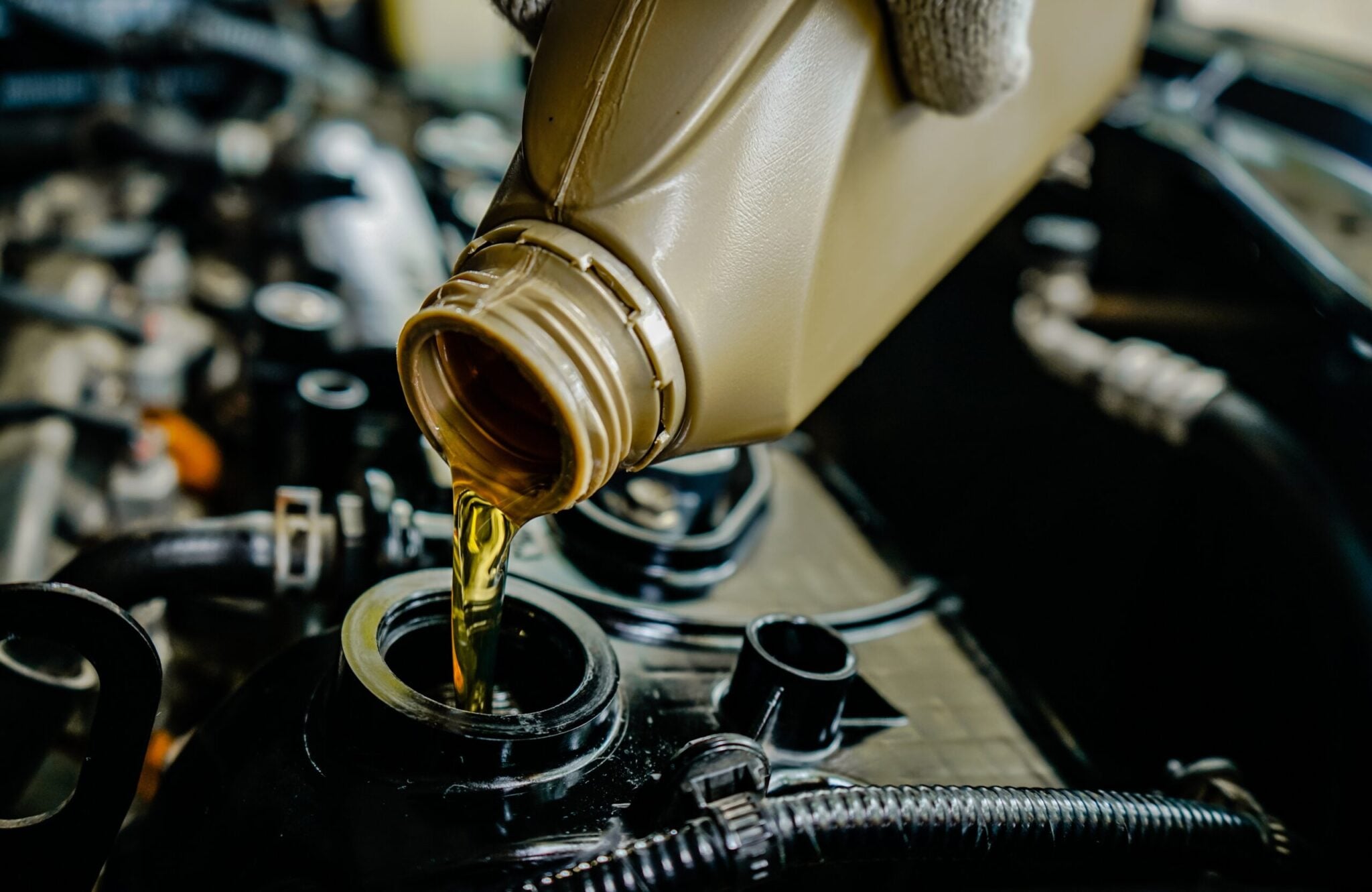
Modern engines are engineered with extremely tight internal clearances, and the oil they use is designed to match those tolerances. The viscosity listed in the owner’s manual isn’t optional — it determines how quickly oil flows through narrow passages and how well it maintains pressure. Using oil that’s too thick or too thin can disrupt that balance.
Systems like variable valve timing, turbocharger bearings, hydraulic lifters, and high-pressure fuel pumps all depend on precise oil pressure. If the oil is too thick, it may not circulate fast enough during cold starts. If it’s too thin, it may fail to hold the pressure needed for proper timing operation. Either mistake can trigger check-engine lights, cause rough idling, and accelerate wear on cams, chains, and bearings.
The financial consequences aren’t small. Replacing a VVT actuator, timing-chain tensioner, or turbocharger can cost hundreds to several thousand dollars, all because the wrong oil was used. By contrast, choosing the correct viscosity doesn’t cost anything extra.
Drivers of turbocharged engines, direct-injection engines, hybrids, and modern performance cars should be especially careful, as these designs rely heavily on oil–pressure–based systems. Cold climates add extra risk, since thick oil on a freezing morning may take too long to reach critical components.
How to Avoid Viscosity Mistakes
Before adding oil, check the oil cap or owner’s manual for the correct grade and certification. Some vehicles also require specific standards such as API SP, ACEA, or dexos1. You don’t need the most expensive oil on the shelf — just the one your engine was designed for.
Choosing the right oil is free. Choosing the wrong one can quietly take years off an engine’s life.
Neglecting Coolant Flushes

Coolant does far more than keep an engine from freezing in winter or overheating in summer. It contains corrosion inhibitors, lubricants, and additives that protect the aluminum, steel, and rubber components inside the cooling system. Over time, those additives break down, and the coolant gradually becomes acidic. Once that happens, it can no longer prevent corrosion, leading to rust buildup in the radiator, heater core, and water passages.
As acidity increases, coolant begins attacking gaskets and metal surfaces through a process known as electrolysis. This can cause pinhole leaks in aluminum components, swelling of rubber hoses, and internal block corrosion, all of which are extremely expensive to repair. Heater cores often fail first, leading to sweet-smelling coolant leaks inside the cabin — a repair that can cost $700 to $1,200 because of the labor required. Radiators, water pumps, and thermostat housings are also common casualties when coolant is neglected.
Most automakers recommend flushing coolant every 3 to 5 years or 30,000 to 60,000 miles, though some long-life formulas are rated for longer intervals, depending on the formula used. Some long-life coolants can last longer, but they still degrade over time, with heat cycles, and from contamination by metal particles. A basic coolant service typically costs $100 to $200, far less than the price of repairing leaks, replacing a heater core, or fixing an overheated engine.
Specific vehicles are susceptible to old coolant — including models from Subaru, BMW, Audi, Volkswagen, and Chrysler that rely heavily on aluminum components and have complex cooling pathways. Drivers who live in very hot climates, tow frequently, or make lots of short trips should also stick to shorter service intervals, since heat and frequent cycling accelerate coolant breakdown.
How to Reduce Coolant-Service Costs
A proper drain-and-fill at an independent shop is usually far cheaper than a visit to a dealership. Buying the correct coolant yourself (manufacturer-specific formulas matter) and having a shop install it can also reduce the bill. What you should never do is mix random coolants or top off with tap water — both can cause chemical reactions that accelerate corrosion.
Neglecting coolant may seem harmless because the engine still runs fine, but the damage happens quietly. A simple, inexpensive flush every few years is one of the most effective ways to prevent major cooling-system failures.
Revving a Cold Engine

Engines are engineered to operate at a specific temperature where metal parts have expanded to their ideal clearances. When the engine is cold, the oil is thicker, the piston-to-wall gap is larger, and internal components aren’t yet fully lubricated. Revving a cold engine, even a few quick bursts, puts heavy stress on rings, bearings, and cylinder walls before the oil has had time to circulate. This is one of the easiest ways to accelerate long-term engine wear.
A persistent myth says you should let a car “warm up” for several minutes before driving, but that advice applies to carbureted engines from decades ago. Modern fuel-injected engines do not need long warm-ups. They warm up faster, more evenly, and with less stress when driven gently rather than left idling in the driveway. The only reason to let a car idle today is to defrost the windshield — not to warm the engine.
The best routine is simple: Start the engine, buckle your seatbelt, adjust your mirrors, and drive away calmly. By the time you’re out of your neighborhood, the oil has circulated, and the engine is warming efficiently under light load.
Ignoring this advice can get expensive. Revving a cold engine increases scuffing on cylinder walls, accelerates bearing wear, and stresses timing components. Repairs for damage caused by cold-start abuse can run into the thousands of dollars, while driving gently for the first few minutes costs nothing.
Cold-climate drivers, turbocharged engines, and cars that make frequent short trips face the most significant risk. Thick, cold oil takes longer to reach turbo bearings and valvetrain components, making hard-throttle starts especially damaging.
A short warm-up behind the wheel, not in the driveway, is the safest and most efficient way to extend an engine’s life.
Using Tap Water in the Radiator
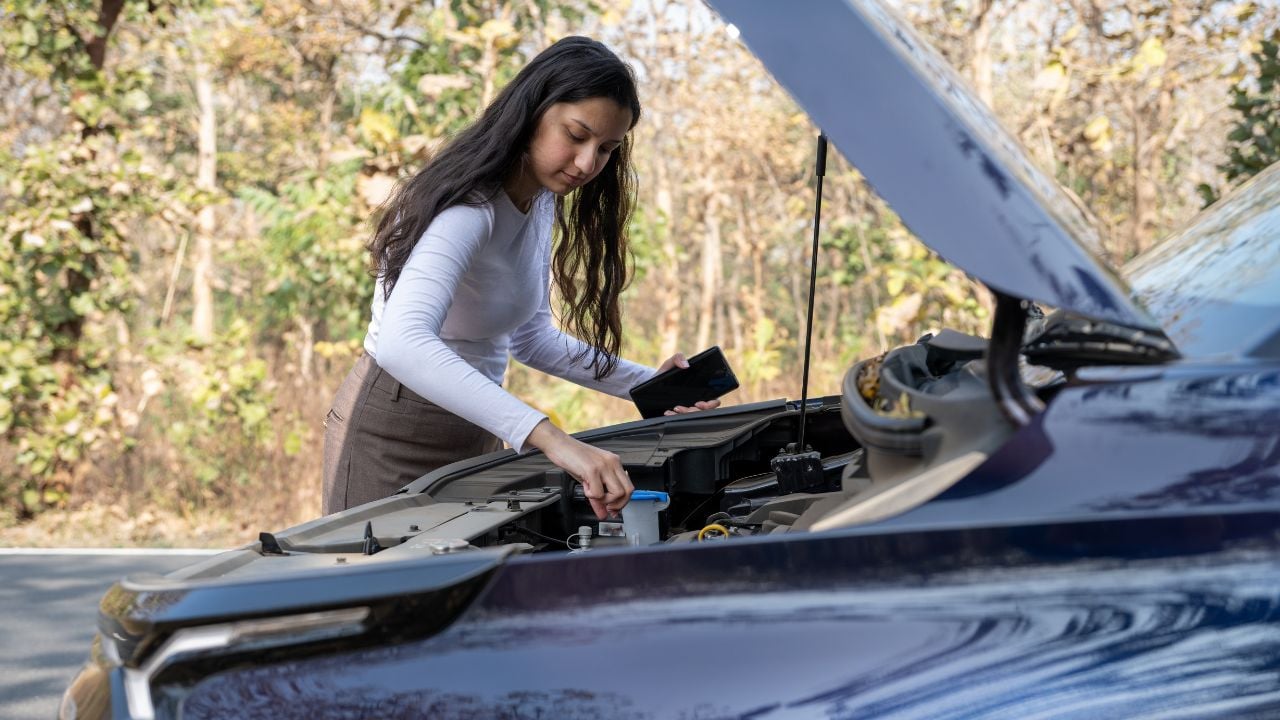
In an emergency, plain water is better than running an engine with no coolant at all, but leaving tap water in the system is a mistake that can quietly cause long-term damage. Tap water contains minerals like calcium, magnesium, and iron. When repeatedly heated and cooled, these minerals separate and harden into scale deposits inside the radiator, heater core, and engine passages.
Once scale builds up, it acts like insulation inside the cooling system. It blocks narrow passages, reduces heat transfer, and creates hot spots in the cylinder head that can warp metal or trigger chronic overheating. These problems can be challenging to diagnose because the engine may seem fine at idle but overheat under load. In severe cases, mineral buildup can clog the heater core entirely — a repair that often costs $700 to $1,200 due to labor.
Tap water also accelerates corrosion. Minerals and impurities interact with the aluminum, steel, and gaskets inside the cooling system, breaking down protective coatings and allowing rust to form. Over time, this can lead to pinhole leaks, degraded seals, and water-pump failure.
The safest approach is clear: Coolant should always be mixed with distilled water, never tap water. Distilled water contains no minerals, preventing scale formation and maximizing heat transfer. Pre-mixed 50/50 coolant accomplishes the same goal and ensures the correct concentration of antifreeze and corrosion inhibitors.
When Tap Water Can Be Used Safely
If you’re stranded and overheating, adding plain water to get off the road is acceptable — but it’s a temporary fix only. The system should be drained and refilled with the correct coolant mixture as soon as possible. A simple coolant flush typically costs $100 to $200, far less than the repairs caused by scale buildup or corrosion.
A cooling system is engineered to manage extreme heat. The wrong water can quietly sabotage that system from the inside out.
Ignoring the Air Filter
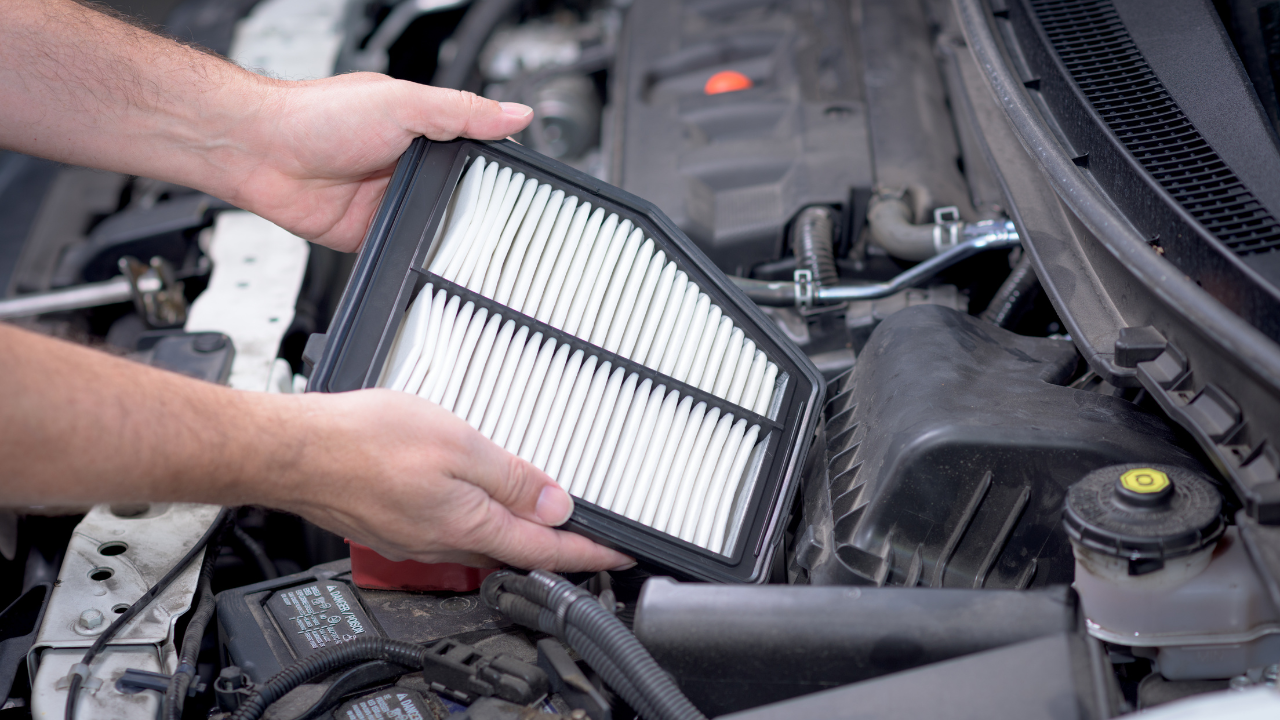
The air filter is the engine’s first and only line of defense against dust, sand, pollen, and other debris. Every bit of air that enters the combustion chamber passes through it, and when that filter becomes clogged, the engine has to work harder to breathe. This reduces fuel economy, hinders acceleration, and can even make modern engines run richer than intended, leading to excess wear and carbon buildup.
A damaged, cheap, or improperly installed filter is even worse. If dirt bypasses the filter entirely, it gets pulled straight into the cylinders, where it behaves like sandpaper on the walls and piston rings. Even small amounts of abrasive material can accelerate wear and reduce compression over time — problems that often don’t show up until the engine has lost power or begun burning oil. Repairs for this kind of damage can easily reach $1,500 to $4,000, depending on the engine.
Most manufacturers recommend replacing the air filter every 15,000 to 30,000 miles, but drivers in dusty regions, on gravel roads, or in areas with heavy pollen may need more frequent changes. Fortunately, the part itself is inexpensive, typically $15 to $40, and takes only minutes to install.
Choosing the Right Filter
Stick with a quality filter from a reputable brand. Some ultra-cheap filters lack proper sealing surfaces or use materials that allow fine dust to pass through. High-performance reusable filters can work well, but only if cleaned and oiled correctly — neglecting them can actually reduce filtration efficiency.
A clean, properly fitted air filter is one of the cheapest maintenance items on a car, yet it protects some of the most expensive components inside the engine. Skipping it simply isn’t worth the risk.
Overlooking the PCV Valve

The positive crankcase ventilation (PCV) valve is one of the smallest and most overlooked components in an engine. Its job is to vent pressure from the crankcase and route those gases back into the intake to be burned cleanly. This prevents moisture buildup, reduces sludge formation, and keeps seals from being exposed to excessive pressure. But because it’s inexpensive and rarely discussed, many drivers forget it exists until something goes wrong.
When a PCV valve sticks closed, crankcase pressure has nowhere to go. That pressure will find the weakest sealing surface, often forcing oil past gaskets and seals that were otherwise in good shape. Sudden leaks from the valve cover, oil pan gasket, or rear main seal are commonly linked to a failed PCV valve—not normal wear. In severe cases, excessive crankcase pressure can also contaminate the intake system with oil vapor, causing rough idling, increased oil consumption, and carbon buildup on intake valves.
The good news is that replacing a PCV valve is inexpensive and straightforward. Most cost $10 to $40, and many can be swapped in minutes. Many manufacturers recommend inspection or replacement around 30,000 to 60,000 miles, where a service interval is specified, but engines with known PCV issues—such as many turbocharged or direct-injection designs—benefit from more frequent checks.
Why Some Drivers Should Pay Extra Attention
Turbocharged engines, in particular, put more strain on the PCV system. Boost pressure exacerbates crankcase pressure spikes, and contaminated PCV valves in these engines can lead to clogged intercoolers, smoking exhaust, or misfires. Drivers who mostly take short trips, where moisture doesn’t fully evaporate from the oil, are also more prone to PCV-related sludge.
For a component that costs less than a tank of gas, a healthy PCV valve offers significant protection. Ignoring it can turn a tiny maintenance item into a four-figure repair bill.
Disregarding the Check Engine Light

A solid check engine light is the car’s way of telling you that a sensor is reporting something outside its normal range. While many of these faults are emissions-related, the underlying issue can affect fuel delivery, ignition timing, air–fuel balance, or engine temperature. The car may still seem to drive normally, but the engine computer often switches into a backup strategy to keep the vehicle running—and that strategy isn’t designed for long-term use.
One of the most common consequences is an overly rich fuel mixture. When the computer receives bad data from sensors such as the oxygen sensor, mass airflow sensor, or coolant temperature sensor, it may command more fuel than the engine actually needs. Excess fuel can wash the protective oil film off the cylinder walls, accelerating ring and cylinder wear. It can also send unburned fuel into the exhaust, where it overheats and damages the catalytic converter—an emissions component that can cost $800 to $2,500 to replace.
Ignoring the light doesn’t make the problem go away; it simply allows small issues to compound. What might have been a $50–$150 sensor replacement can escalate into misfires, fuel contamination, poor performance, and major internal damage. Modern engines rely heavily on accurate sensor data, and when one part of the system fails, the rest of the engine pays the price.
Diagnosing the Issue Is Easy
You don’t need a mechanic to interpret the light. Most auto parts stores offer free diagnostic scans that can read the engine’s trouble codes and point you toward the affected system. While the code itself isn’t a full diagnosis, it provides valuable direction and helps prevent guessing—or ignoring the warning altogether.
A check engine light is never something to brush off. It’s the earliest and most accessible chance to stop a minor issue from snowballing into a major repair.
Driving With a Known Overheat
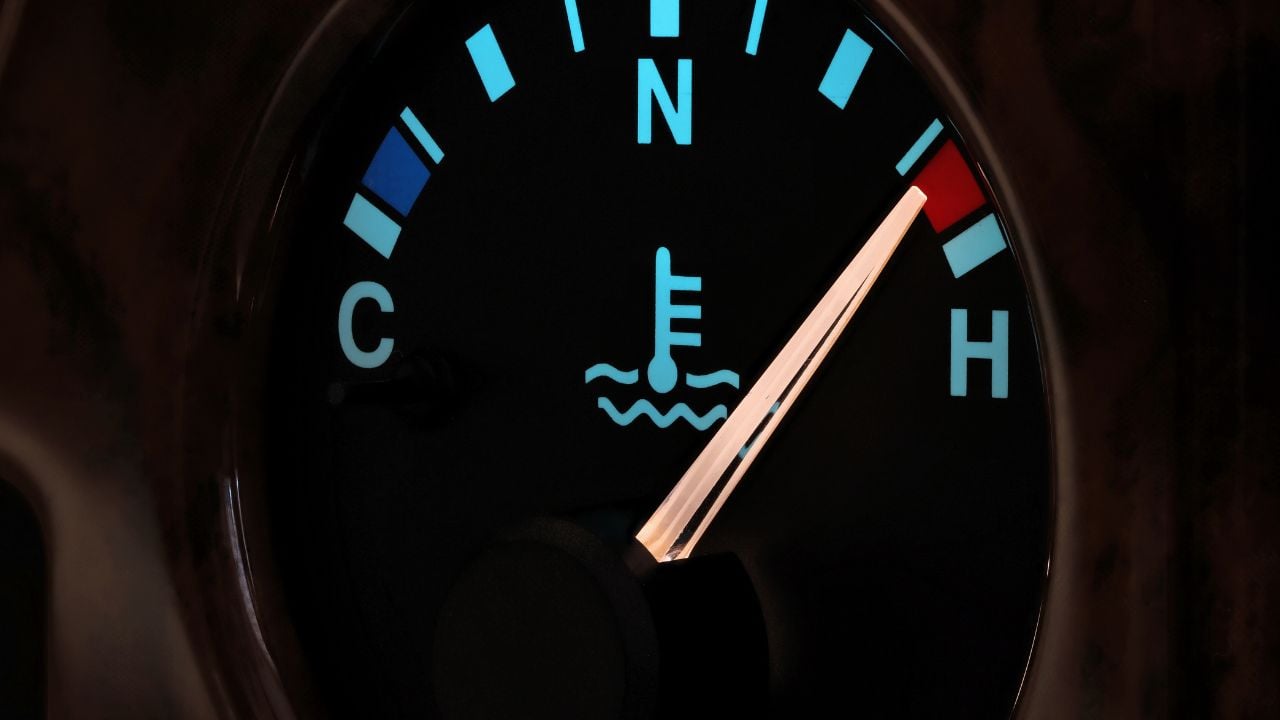
There is no safe distance to drive an overheating engine. Modern engines—especially those with aluminum cylinder heads—are extremely sensitive to temperature spikes. When the coolant can’t remove heat quickly enough, temperatures climb far beyond what the metal can tolerate. Within minutes, the aluminum begins to soften and warp, distorting the surface where the head gasket seals against the engine block.
Once the head warps, the head gasket can no longer contain combustion pressure or coolant flow. Coolant begins leaking into the oil or cylinders, oil loses its lubricating ability, and the engine rapidly destroys itself from the inside. What starts as a temperature warning light can escalate into a blown head gasket, a cracked head, or a seized engine—repairs that often cost $2,000 to $7,000 and, in many cases, exceed the vehicle’s value.
Many drivers try to “limp the car home” to avoid the inconvenience of a tow, but this is the most common reason overheated engines are lost entirely. Even a short drive while overheating can turn a minor cooling-system issue—such as a failed thermostat, broken belt, or leaking hose—into total engine failure.
The Right Move Every Time
If the temperature gauge spikes, the warning light comes on, or steam appears from under the hood, the safest and cheapest decision is to pull over immediately and shut the engine off. Letting the engine cool while waiting for a tow costs far less than repairing the damage caused by continued driving.
Overheating isn’t an inconvenience—it’s a mechanical emergency. Treating it that way can save the engine, the car, and your wallet.
Short Trips Without Highway Driving

Engines are designed to reach full operating temperature during normal driving. At that temperature, moisture and fuel vapors inside the crankcase evaporate and are safely vented through the PCV system. But on repeated short trips—when the engine and exhaust never fully heat up—condensation builds up inside the oil. Over time, this moisture mixes with the oil and forms a milky film often seen on the underside of oil caps in cars that rarely warm up.
This trapped moisture doesn’t just look concerning; it accelerates internal corrosion, contaminates the oil with water, and weakens its ability to lubricate bearings, cams, and piston rings. Vehicles driven primarily on short trips also suffer from increased fuel dilution, as unburned fuel collects in the oil and thins it out. The result is faster wear and a higher likelihood of sludge formation.
Signs of short-trip damage often show up gradually: rising oil levels from fuel contamination, reduced performance, increased engine noise, and accelerated wear on timing components. In severe cases, chronic moisture buildup can lead to PCV system clogging, misfires, or internal rust inside the valvetrain.
The Simple Fix: A Weekly Longer Drive
Fortunately, preventing these issues is easy. Taking the car on a longer highway drive once a week—usually 20 to 30 minutes—is enough to bring the oil and exhaust up to proper temperature. This “heat soak” burns off moisture, evaporates fuel vapors, and keeps internal components clean. For vehicles used primarily for short commutes, this single habit can dramatically extend engine life.
Short-trip driving is one of the most common causes of premature engine wear, especially in colder climates. A brief weekly highway run is one of the cheapest and most effective maintenance steps a driver can take.
Overfilling the Engine Oil

More oil is not better—too much can be just as harmful as too little. When the oil level in the pan is too high, the rotating crankshaft can dip into it, causing the oil to whip into foam. Aerated oil contains tiny air bubbles, and air does not lubricate metal surfaces. Once the oil becomes frothy, the oil pump struggles to maintain pressure, and critical components are starved of proper lubrication.
Low oil pressure due to aeration immediately stresses crankshaft bearings, camshafts, and timing components. The added friction and heat accelerate wear and can lead to bearing damage or catastrophic failure if left unaddressed. In engines equipped with turbos, overfilling can also push excess oil into the turbocharger and intercooler, creating smoke, fouling sensors, and causing further damage.
Overfilling typically happens during DIY oil changes, when fluid is added without fully accounting for the oil still inside the engine, or when a shop mistakenly adds too much. Fortunately, preventing it is simple: always check the dipstick on level ground and confirm that the oil sits between the minimum and maximum marks—not above them. If you discover an overfill, draining a small amount is far cheaper than repairing the damage an overfilled engine can cause.
Who Should Be Especially Cautious
Engines with small oil capacities—common in many modern four-cylinders and hybrids—are more sensitive to overfilling. Turbocharged engines and vehicles with complex PCV systems can also react badly to even minor overfills, pushing oil into areas where it doesn’t belong.
Ignoring New Noises

Engines communicate their health through sound. A new tick, rattle, or knock is often the first and only warning a driver gets before a small problem becomes a major mechanical failure. Ticking noises that rise and fall with engine speed can point to issues such as worn valve lifters, low oil pressure, or even a leaking exhaust manifold. These are problems that may start subtly but can worsen quickly if ignored.
A deeper knocking sound is far more serious. This often indicates worn rod bearings or excessive clearance between critical bottom-end components. Once a bearing begins to fail, each rotation of the crankshaft compounds the damage. What begins as a faint thud can escalate into metal shavings in the oil, loss of oil pressure, or catastrophic engine failure. Repairs can range from hundreds to several thousand dollars, depending on how early the issue is caught, depending on how early the issue is caught.
Ignoring these warnings—by chalking them up to “normal sounds” or turning up the radio—only allows damage to spread. Many engines that end up needing full rebuilds or replacements could have been saved with attention at the first sign of trouble. Mechanics regularly see vehicles with destroyed crankshafts or camshafts that might have survived had the owner stopped driving when the noise began.
What Drivers Should Do
If a new noise appears, the safest move is to stop driving and check the oil level immediately. Low oil is a common cause of ticking and knocking and can sometimes be corrected before significant damage occurs. If the oil level is normal, it is essential to have the noise inspected by a professional as soon as possible. Early diagnosis is almost always cheaper—and far less painful—than waiting for the sound to get louder.
Engines rarely fail without warning. Listening when they “talk” can save thousands of dollars and extend the vehicle’s life.
Skipping Spark Plug Changes
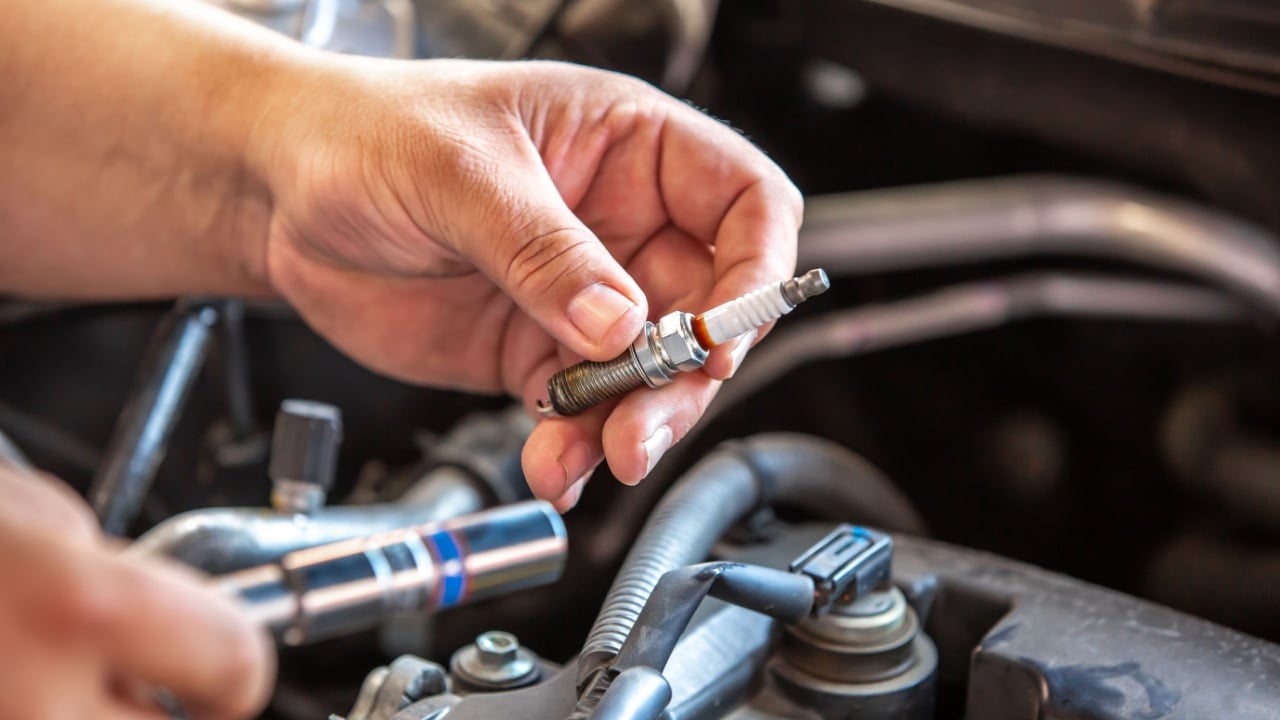
Spark plugs wear slowly, but that gradual erosion has real consequences. As the electrodes wear down, the gap the spark must jump grows wider. The ignition coils must work harder to generate a spark strong enough to bridge that gap, increasing heat and electrical load. Over time, this added strain can cause coils to fail—repairs that often cost $200 to $600 per cylinder on modern vehicles.
A weak or inconsistent spark also leads to incomplete combustion. When fuel doesn’t burn thoroughly in the cylinder, it can wash past the rings and dilute the engine oil, accelerating internal wear. The unburned fuel that reaches the exhaust system overheats catalytic converters and oxygen sensors, shortening their lifespans and significantly increasing repair costs.
Neglected spark plugs can also seize in the cylinder head, especially in aluminum heads subjected to high-heat cycles. When plugs are left in place far beyond their service life, removing them becomes risky and may require special tools or even head removal—turning a simple tune-up into a four-figure repair.
When to Replace Spark Plugs
Manufacturers typically recommend replacement every 30,000 to 100,000 miles, depending on plug type and engine design. Direct-injection engines, turbocharged engines, and vehicles with known ignition issues benefit from closer attention to service intervals.
Fresh spark plugs ensure efficient combustion, reduce strain on ignition components, and protect the catalytic converter. It’s one of the simplest and most cost-effective ways to keep an engine running smoothly.
Overlooking Small Drips

A tiny oil spot on the driveway may seem harmless, but it’s almost always a sign that a seal or gasket has begun to fail. Engines and transmissions are designed to be completely sealed systems—any fluid escaping means something inside is no longer functioning as intended. While a slow drip won’t strand you immediately, it can steadily lower fluid levels, starving components of lubrication and creating conditions that accelerate internal wear.
Small leaks rarely stay small. Heat cycles cause seals to harden and shrink, turning a minor seep into a steady drip and eventually a full-blown leak. As fluid escapes, dirt and moisture can enter the compromised area, contaminating the oil and contributing to sludge formation or corrosion. Even a modest oil leak can cause collateral damage: oil can degrade rubber bushings, soften hoses, foul belts, or burn off on hot exhaust components, creating smoke or even fire risk.
Ignoring leaks often leads to far larger repairs. Running low on oil can damage bearings and valvetrain components, while low transmission fluid can cause slipping, overheating, or complete transmission failure. A repair that might have cost $80 to $300 for a gasket or seal can quickly escalate into a $1,000+ repair—or worse—if the leak is allowed to continue.
Why Early Action Matters
Catching a leak early is one of the simplest ways to avoid expensive repairs. A quick inspection can often identify whether the problem is a valve cover gasket, oil pan gasket, drain plug, cam seal, or another inexpensive component. Monitoring your oil level between services and addressing drips promptly can add years to an engine’s life.
A drop on the driveway may look insignificant, but it’s the engine’s way of telling you something is wrong. Taking it seriously now prevents far bigger problems later.
The Long Haul

Taking care of an engine is about consistency. High-mileage vehicles don’t survive because they were built differently; they last because their owners stayed ahead of problems. Clean fluids, timely services, and quick responses to unusual sounds or warning lights do far more to extend an engine’s life than any additive or repair ever could.
Engines wear gradually and predictably. Contaminated oil erodes bearings. Old coolant corrodes aluminum. Incorrect sensors cause rich mixtures that wash down cylinder walls. Small leaks grow into major failures. The patterns are well known, and the solutions are nearly always simple, inexpensive, and preventive.
Understanding how and why these systems fail allows drivers to make smarter maintenance decisions. A few minutes spent checking fluid levels, replacing a budget part with a quality component, or pulling over at the first sign of overheating can save thousands of dollars in repairs. In many cases, the difference between an engine that lasts 300,000 miles and one that fails at 120,000 comes down to routine care.
A little effort today prevents enormous expense tomorrow. Treating maintenance as protection—not inconvenience—is the key to keeping any engine healthy for the long haul.