
There’s nothing quite like that sinking feeling when your dashboard lights up and the temperature gauge climbs into the red. In a recent TikTok from @central.park.garage, viewers get a quick, no-nonsense rundown on what to do if your car overheats, and it’s advice every driver should take to heart. The truth is, overheating isn’t just an inconvenience. Left unchecked, it can destroy your engine and leave you with a repair bill that’ll make your wallet weep.
The good news? If you know what signs to look for and what to do in the moment, you can often stop things from getting worse. And even better, you can prevent it from happening in the first place with a few simple habits and a little awareness.
What Overheating Really Means and Why It Happens
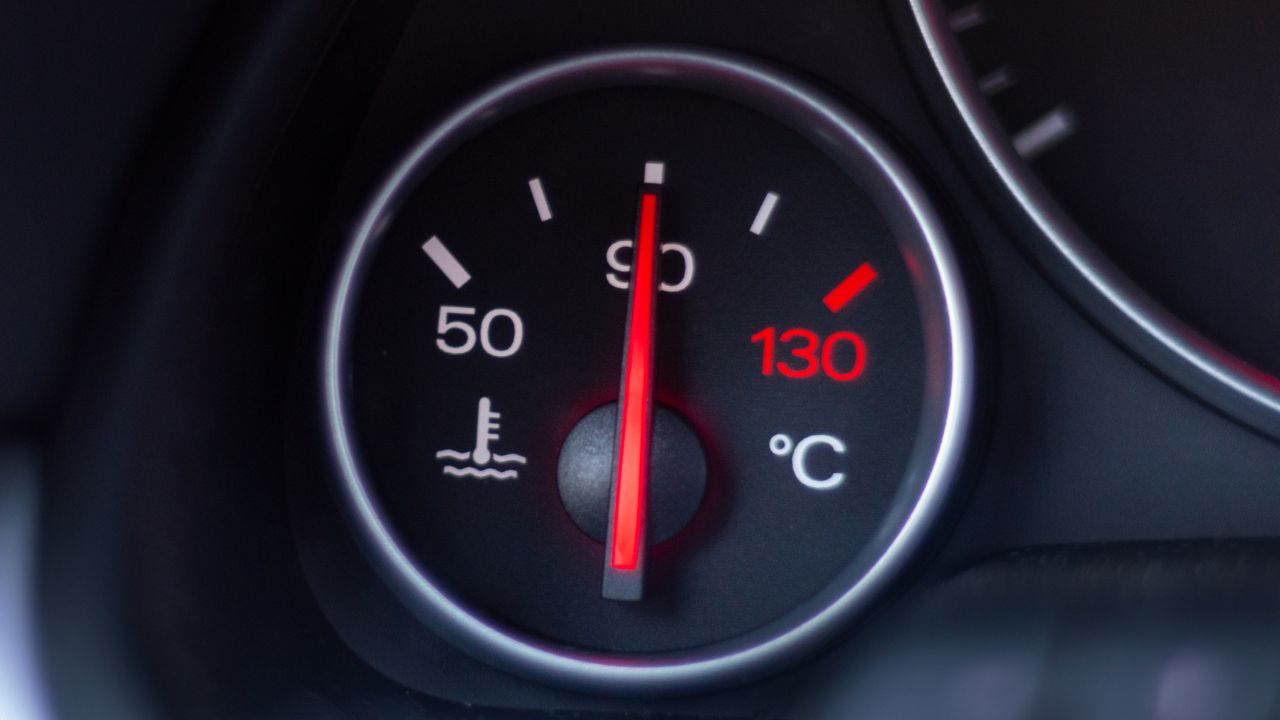
When a car overheats, it means the engine is running hotter than it was designed to. This can be caused by a number of things: low coolant, a faulty thermostat, a failing water pump, or a clogged radiator. Sometimes, it’s as simple as a cracked hose that lets coolant leak out without you noticing. Other times, it’s a sign of something deeper, like a blown head gasket or malfunctioning fan.
Engines generate a ton of heat, and the cooling system is there to manage it. But when any part of that system fails, temperatures rise fast. If the engine gets too hot, metal components can warp, head gaskets can fail, and in worst-case scenarios, the engine can seize completely. That’s why pulling over at the first sign of overheating is so important.
@central.park.garage What should you do if your car overheats? 👉Mention “Social Media” at your next visit to get 10% OFF (up to $50). 📍 Located at 470 High St, Somersworth, NH 03878 #carmaintenance #carmaintenancetips #carrepair #carrepairtips #mechanics #mechanicsoftiktok ♬ original sound – Central Park Garage
Red Flags to Watch for Before It’s Too Late
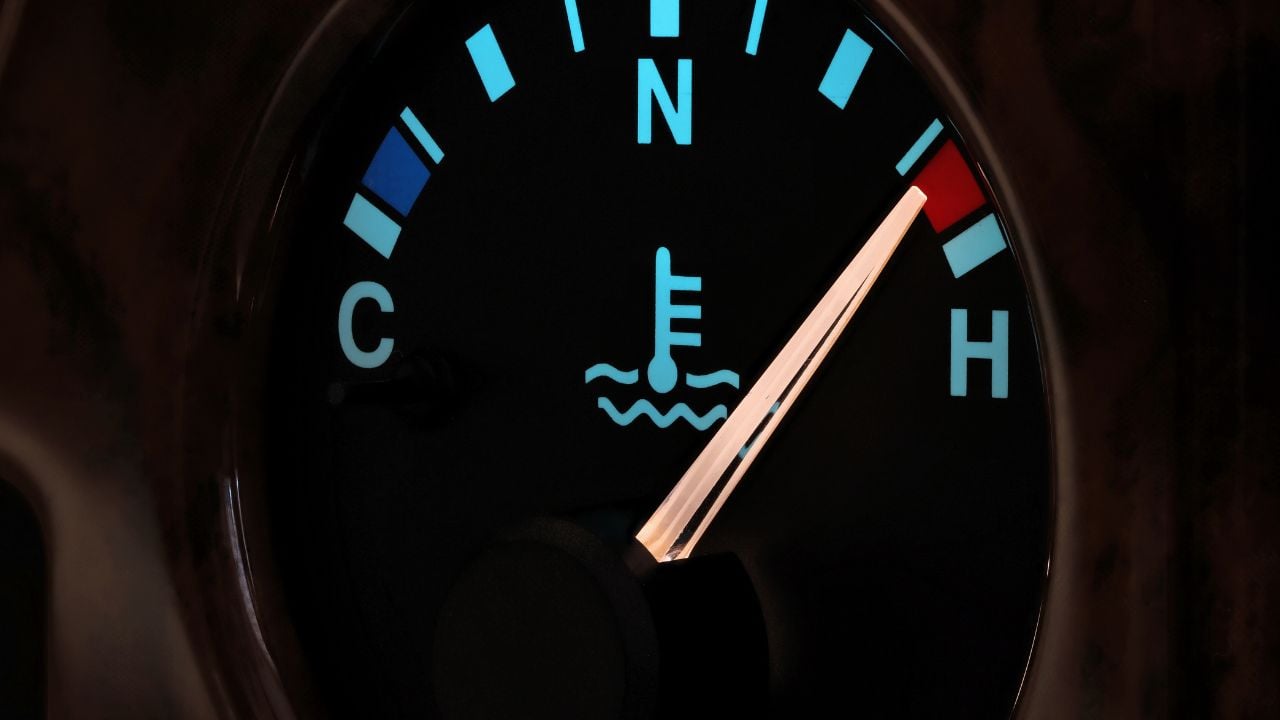
Your temperature gauge is your first clue. If it climbs above its normal operating range (often near the midpoint, depending on the vehicle), something’s up. But you might also notice steam coming from under the hood or a sweet, syrupy smell from leaking coolant. The engine might even lose power or make ticking sounds as it struggles to keep running under heat stress.
Some newer cars have warning lights or digital readouts that will alert you earlier, but even without those, most vehicles give signs before things boil over, literally. Don’t ignore them. A quick stop now can save your engine later.
What To Do If Your Car Starts Overheating
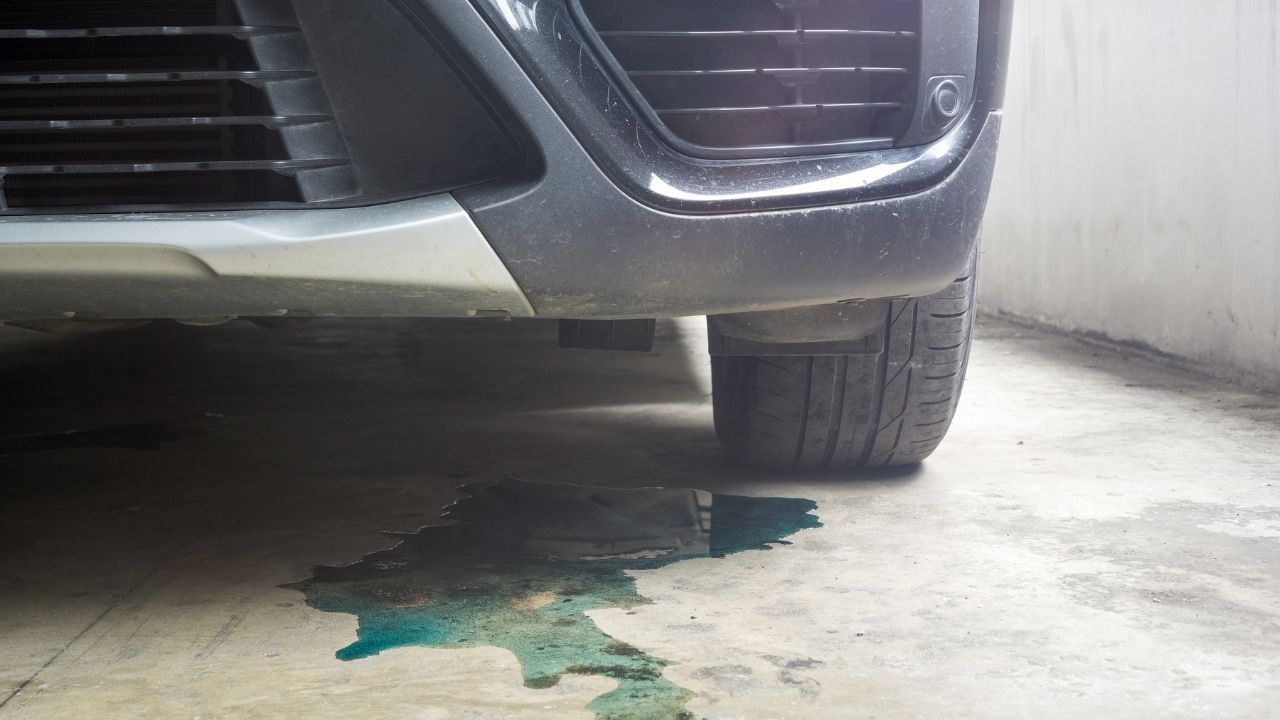
The TikTok video lays out the basics clearly: pull over safely, turn the engine off, and do not remove the radiator/pressure cap while the system is hot. The cooling system can be under pressure, and hot coolant/steam can spray out and cause severe burns. That cap holds pressure, and removing it when the engine’s hot can release a burst of steam and boiling fluid that’ll send you to the ER. Let the engine cool before touching cooling-system components or checking coolant. Never add coolant to an overheated engine, wait until it cools down.
If you’re comfortable and the engine is cool, you can check the coolant reservoir to see if it’s empty. Some drivers carry spare coolant or water in case of emergencies, but topping it off won’t help if the system has a serious leak or failed part. In most cases, calling a tow truck or AAA is the safest bet. Driving a severely overheated engine, even just a mile or two, can quickly cause severe damage.
Why Prevention Is Your Best Friend on the Road
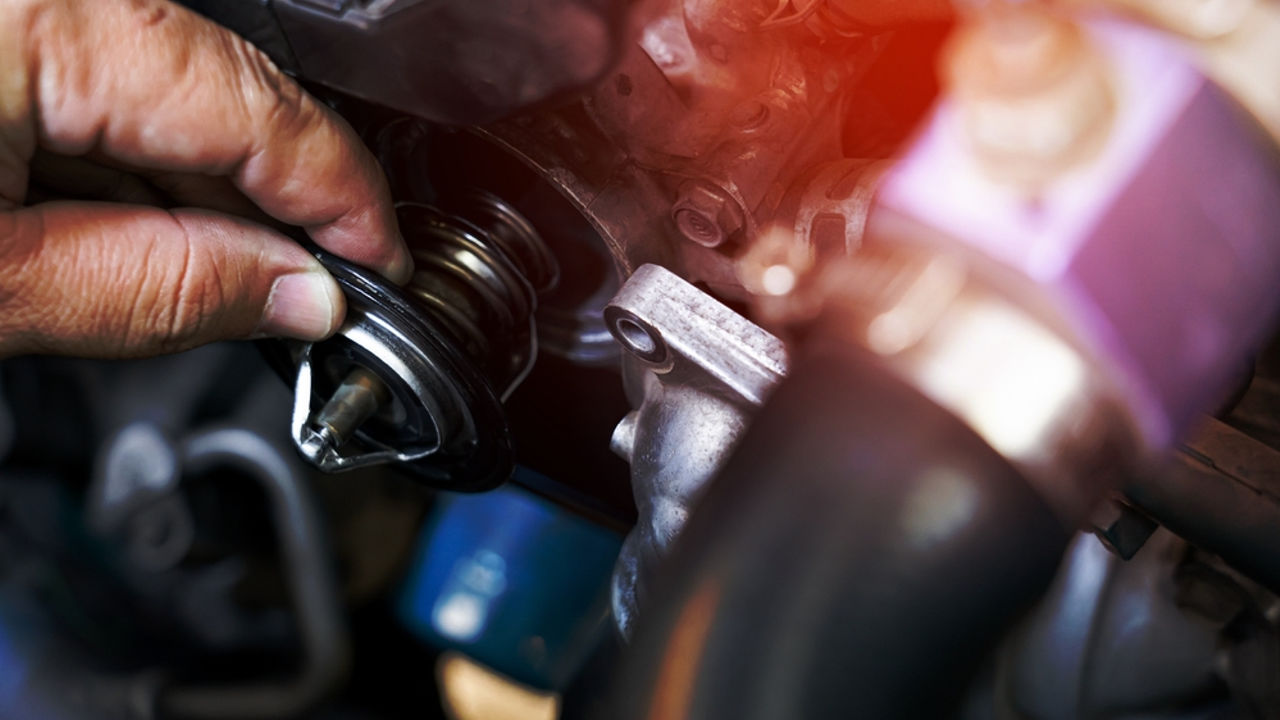
Like most car problems, overheating usually starts small. A tiny coolant leak or a worn-out thermostat might not cause issues today, but over time, they add up. That’s why regular maintenance, checking fluid levels, inspecting hoses, and following your manufacturer’s coolant service interval in the owner’s manual make such a big difference. It’s cheaper and far less stressful than dealing with an engine rebuild.
Another tip? Pay attention to how your car behaves in hot weather or when stuck in traffic. Those are common times for cooling issues to surface. If the temp gauge starts to climb, turn off the A/C and turn the heater to full hot (short-term) until you can safely pull over. It might be uncomfortable, but it helps pull heat away from the engine until you can get to a mechanic.
Looking Ahead: Smarter Systems, Smarter Drivers

Modern vehicles are getting better at warning drivers about overheating before it becomes critical. Some even reduce engine power automatically to prevent further damage. But no system is perfect, and a distracted or uninformed driver can still miss the warning signs.
With long road trips around the corner, now’s the time to pop the hood, check your coolant, and make sure your radiator and fans are in good shape. Your engine will thank you, and your bank account will, too.