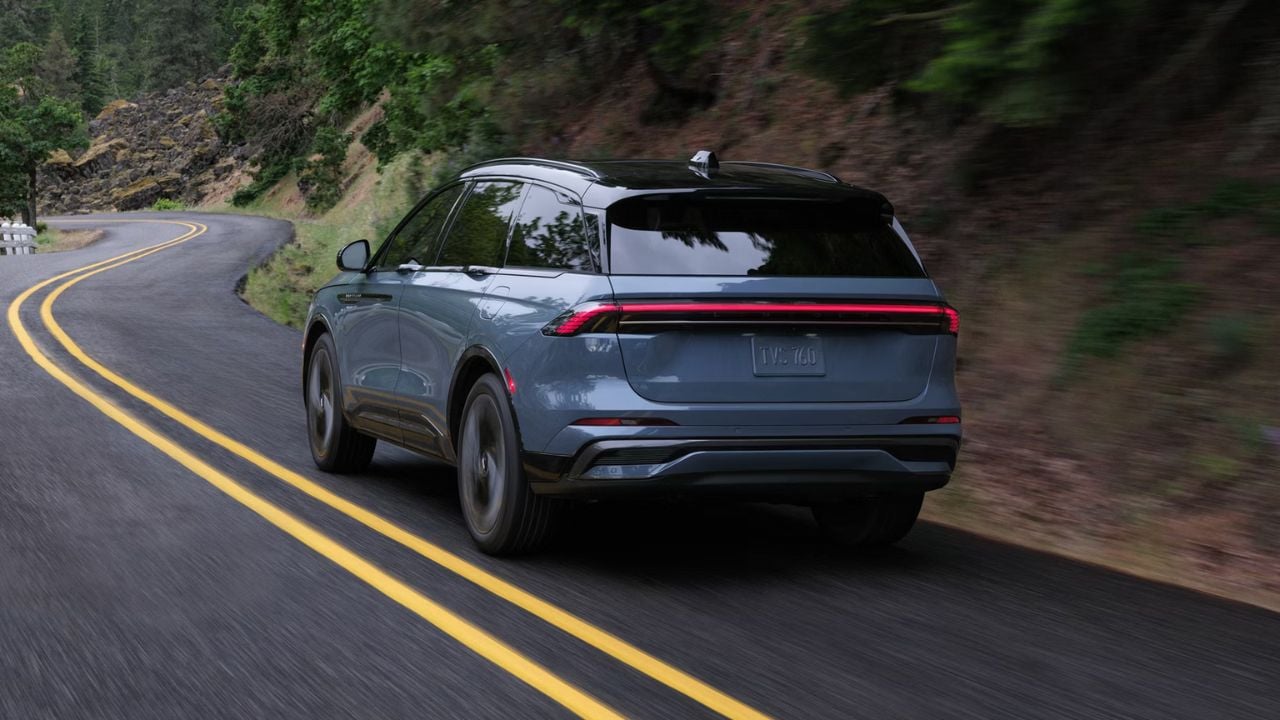
Luxury is supposed to make life feel easier, calmer, and more rewarding. That feeling fades a little when every fill-up quietly reminds you that the badge on the hood also brought a premium-fuel habit with it.
That is what makes this topic more useful than it may look at first glance. A true luxury vehicle that can run on regular gas gives buyers a rare mix of comfort, technology, and prestige without adding one more steady ownership penalty.
The list also gets narrower once you stop being generous. Plenty of premium vehicles look luxurious enough, but the specific versions buyers actually want often push them right back into premium-fuel territory. These seven stand out because the exact versions named here have clean manufacturer support for 87 octane, even when some brands still recommend premium for best performance.
Where Prestige And Practicality Actually Meet
This article is limited to luxury-branded vehicles sold in the U.S. market or very recent current-model examples where the manufacturer still provides clear fuel guidance for the exact version named. I did not treat a model as a fit just because some base trim somewhere in the lineup could use regular gas. The version itself had to feel genuinely upscale in design, materials, ride quality, technology, and overall market positioning.
I gave priority to official brand model pages for the luxury side of the argument, then checked fuel requirements against manufacturer support pages or owner manual material when needed. I also avoided sporty exceptions and vague dealer talk unless the automaker itself clearly backed the fuel claim. That matters because a luxury headline like this only works when buyers could realistically choose the vehicle and fill it with 87 without second-guessing the decision.
2025 Lexus ES 350
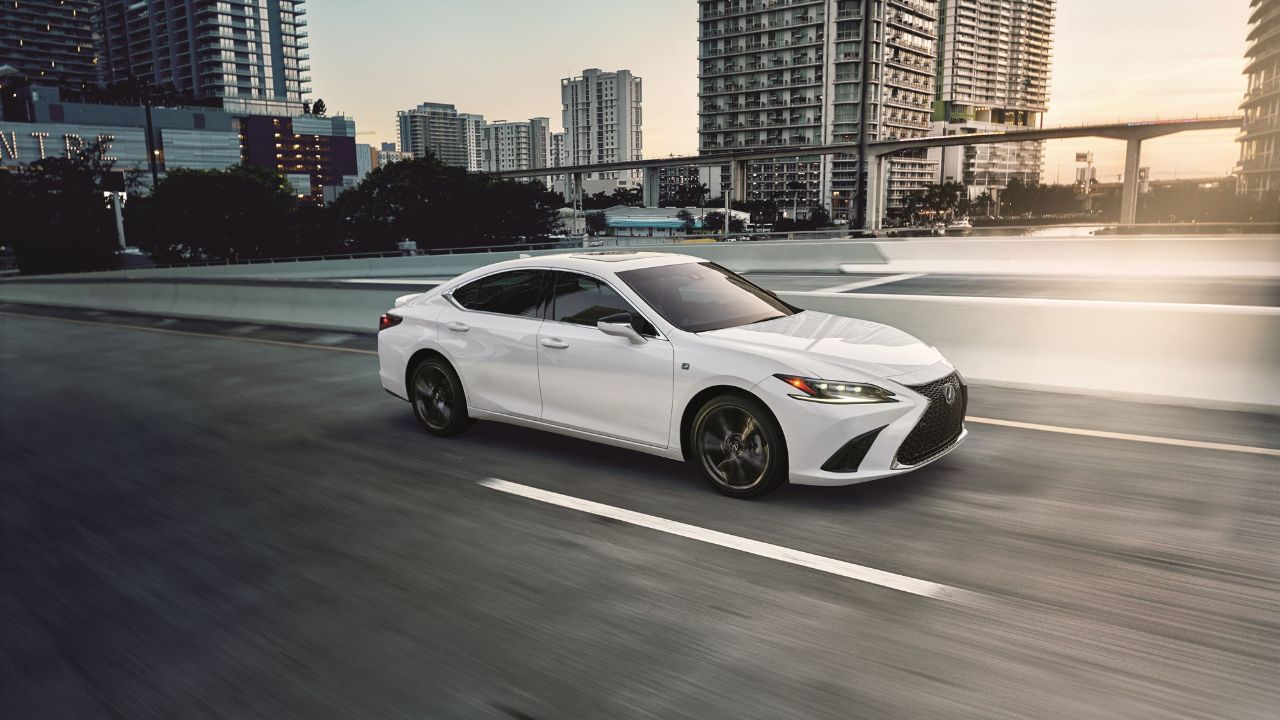
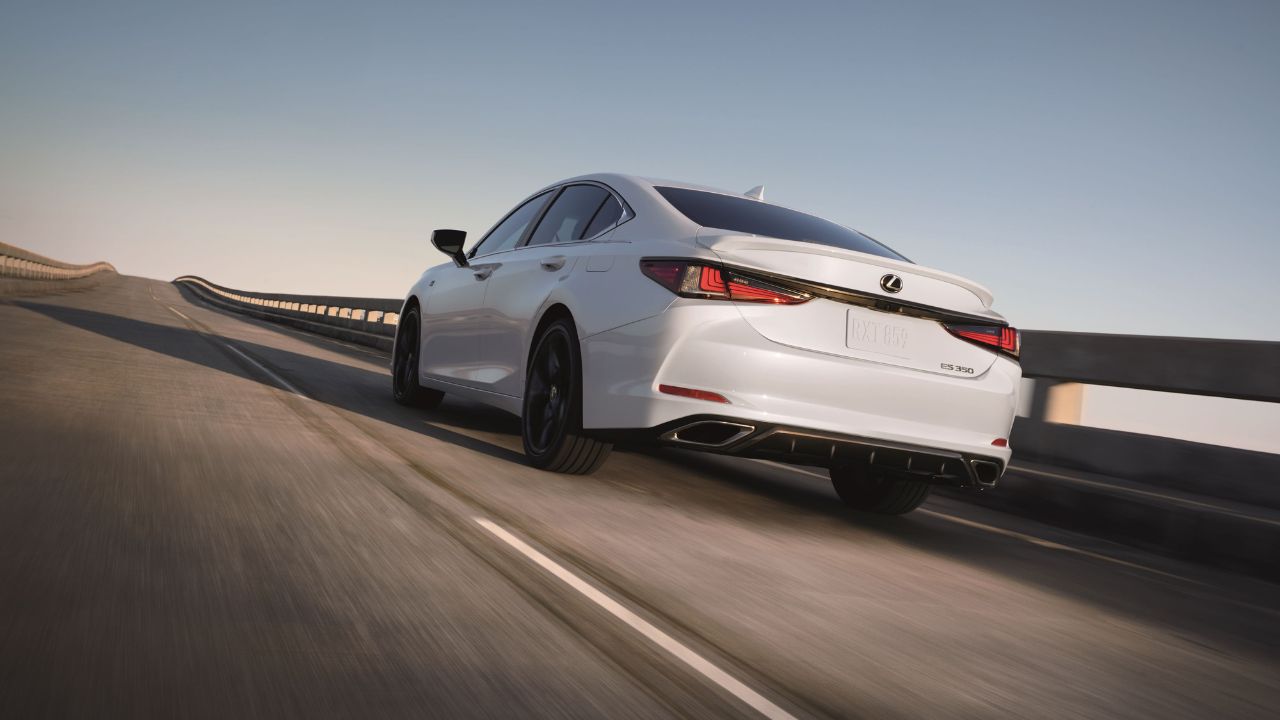
The 2025 Lexus ES 350 remains one of the most convincing answers to this whole subject because it delivers luxury in the classic sense. It is quiet, spacious, polished over rough pavement, and styled with the kind of restrained confidence that ages well. The ES still leans into comfort and calm instead of fake sportiness, and that suits the badge perfectly.
What makes the ES 350 especially appealing here is that it does not ask buyers to dilute the ownership experience just to save at the pump. Lexus fuel guidance treats the ES as one of the brand’s 87-octane-compatible entries, which keeps this sedan aligned with the headline in a straightforward way. For buyers who still want a true luxury sedan, that matters a great deal.
2026 Lexus UX 300h
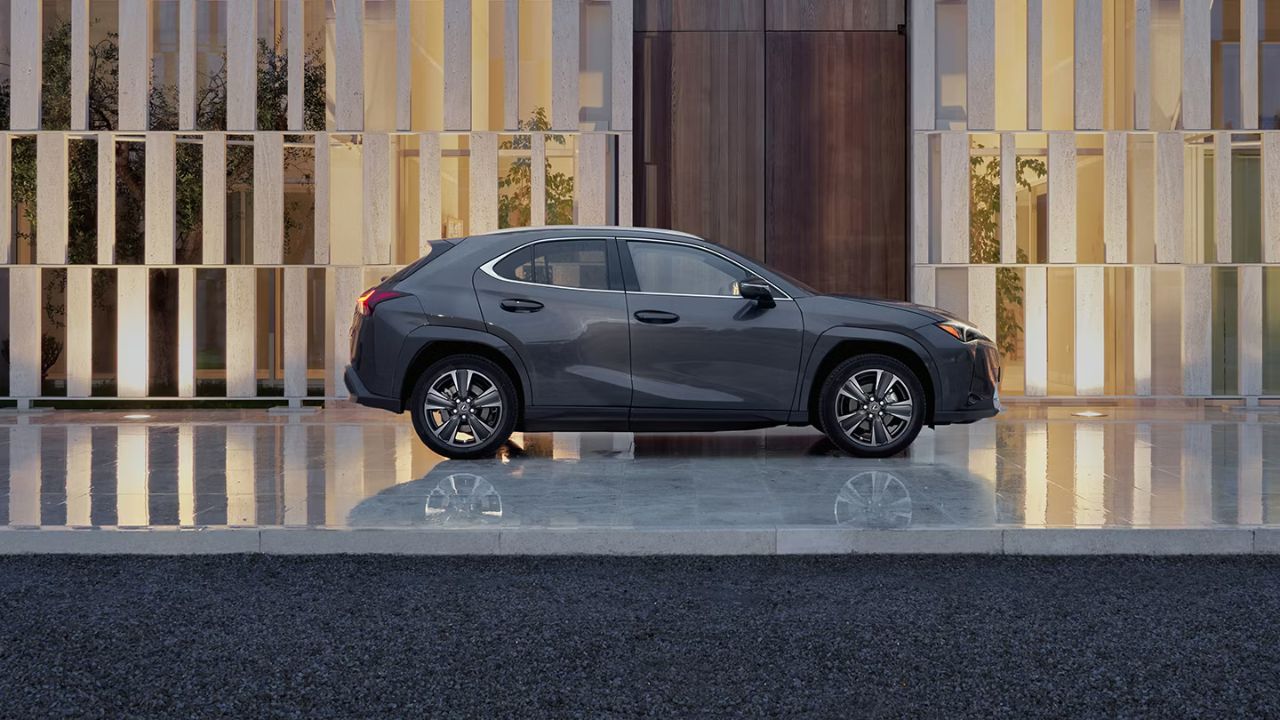
The 2026 Lexus UX 300h works because it treats entry luxury like a real category instead of a compromise. Its footprint is small, but the cabin presentation, available features, and overall refinement are still aimed squarely at premium buyers who want quality without excess bulk. The current UX 300h brings 196 total system horsepower, a hybrid-only U.S. lineup, and the kind of thoughtful urban usability that makes daily driving feel lighter rather than more stressful.
Fuel is a big part of that appeal. Lexus support fuel guidance treats the UX hybrid as another 87-octane-compatible Lexus, which means this is not just a premium badge with good efficiency. It is a premium badge with a lower ownership-friction baseline as well.
2026 Genesis G80 2.5T
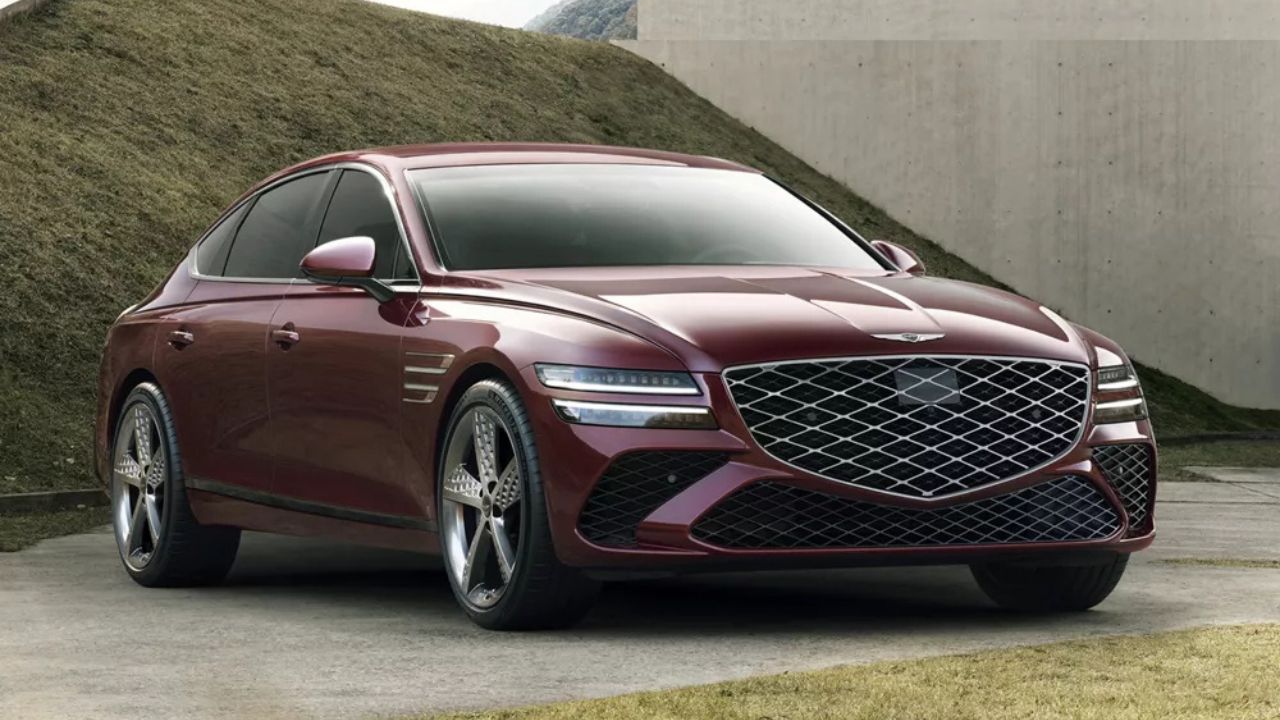
The Genesis G80 2.5T belongs here because it feels expensive in all the ways that matter. The shape is elegant, the interior is richly finished, and the whole car is tuned around calm authority instead of noise. Genesis positions the G80 as a luxury midsize sedan, and that description fits once you look at the materials, seat design, available Bang & Olufsen audio, and the overall sense of insulation it brings to ordinary driving.
The fuel story is one of the reasons it is such an interesting pick. Genesis owner’s manual guidance says the car is designed to perform optimally using unleaded fuel with an octane number of 87 or higher, while premium is recommended for improved vehicle performance. That makes the G80 2.5T a legitimate luxury choice that can still live comfortably on regular gas.
2026 Genesis GV80 2.5T
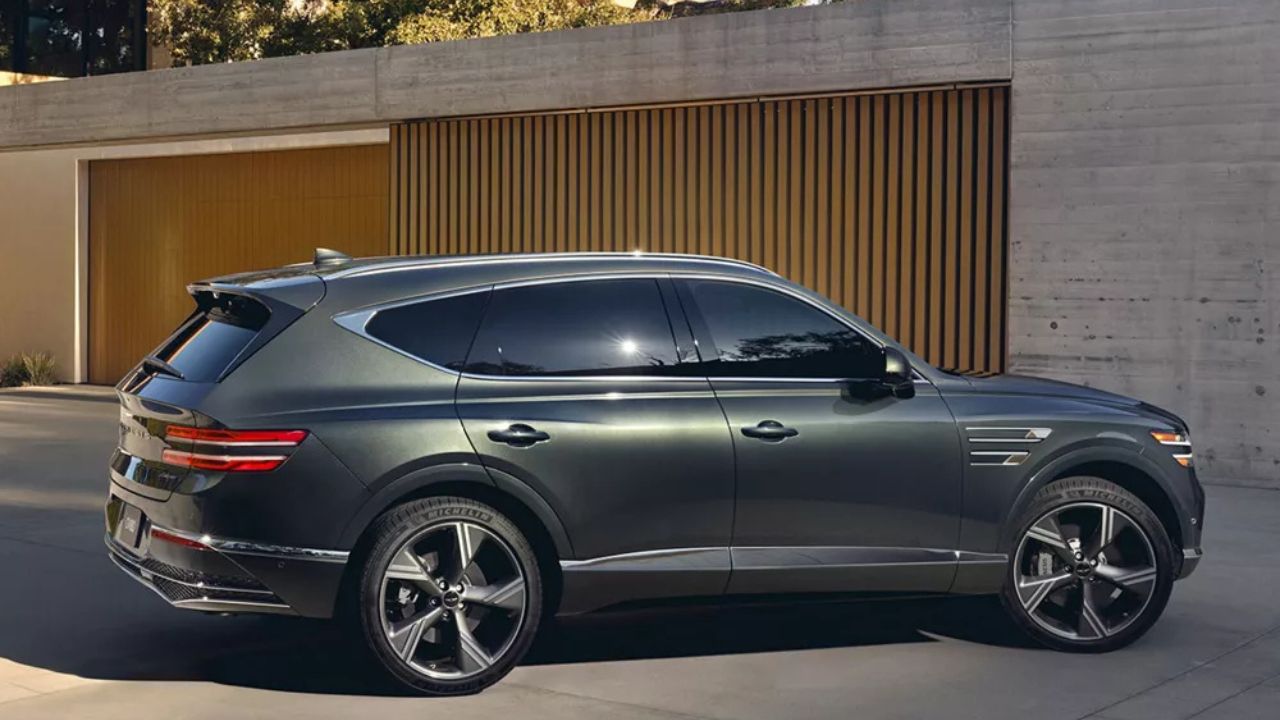
The Genesis GV80 2.5T proves that this idea does not stop at smaller or less ambitious luxury vehicles. Genesis markets the GV80 as a midsize luxury SUV, and it brings the kind of design confidence that makes that claim easy to accept, from the broad stance to the beautifully resolved cabin and wide OLED display.
It feels substantial, elegant, and well judged, which is exactly what many buyers want when they step into a premium SUV. The 2.5T version is important here because the fuel guidance keeps it usable on regular gas. Genesis owner’s manual guidance says the GV80 is designed to perform optimally using 87 octane or higher, while premium is recommended for improved performance.
2026 Lincoln Nautilus

The 2026 Lincoln Nautilus may be one of the most convincing luxury value plays in the current market. Lincoln positions it as a two-row midsize luxury SUV, and the present model backs that up with a dramatic panoramic display, a serene cabin atmosphere, and a strong emphasis on comfort over pointless aggression. This is a vehicle that tries to lower the temperature of everyday driving, and that mission comes through clearly once you spend time with the interior.
It also fits this headline without any gymnastics. Lincoln states right on the model page that the Nautilus requires regular unleaded gasoline with a minimum 87-octane rating while recommending premium for best performance and longevity. That is exactly the kind of straightforward answer buyers need.
2026 Lincoln Aviator
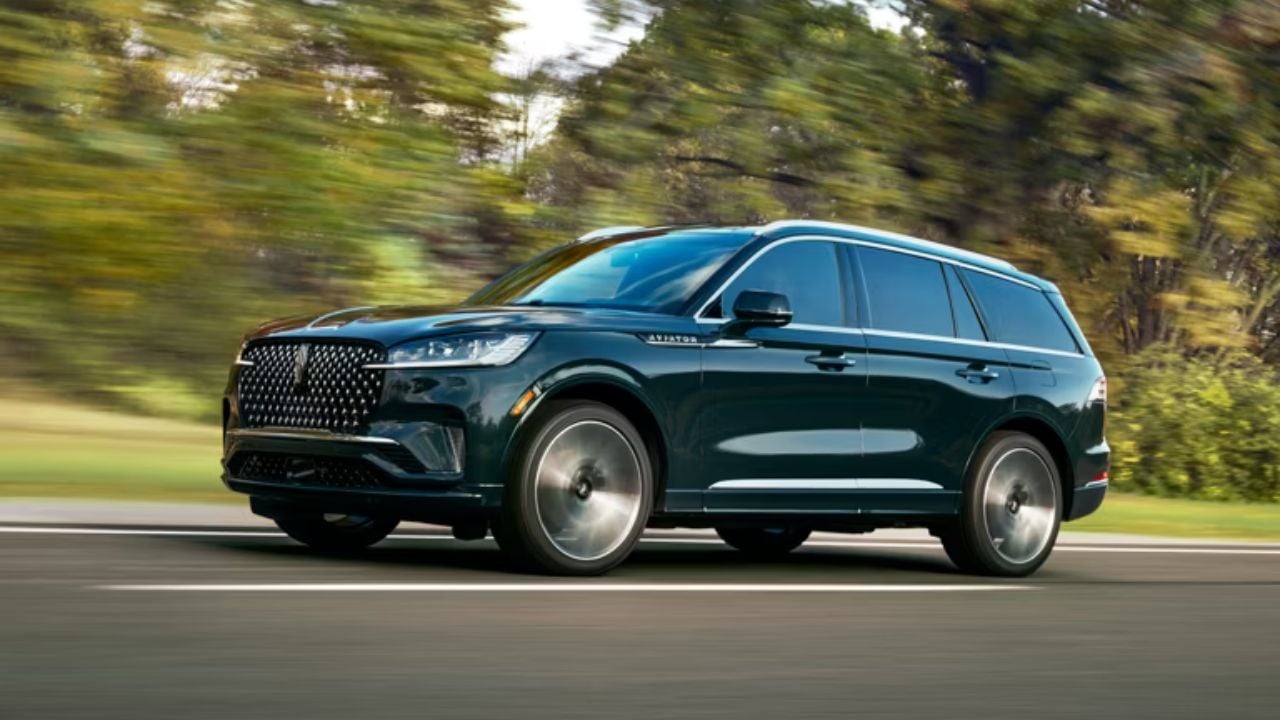
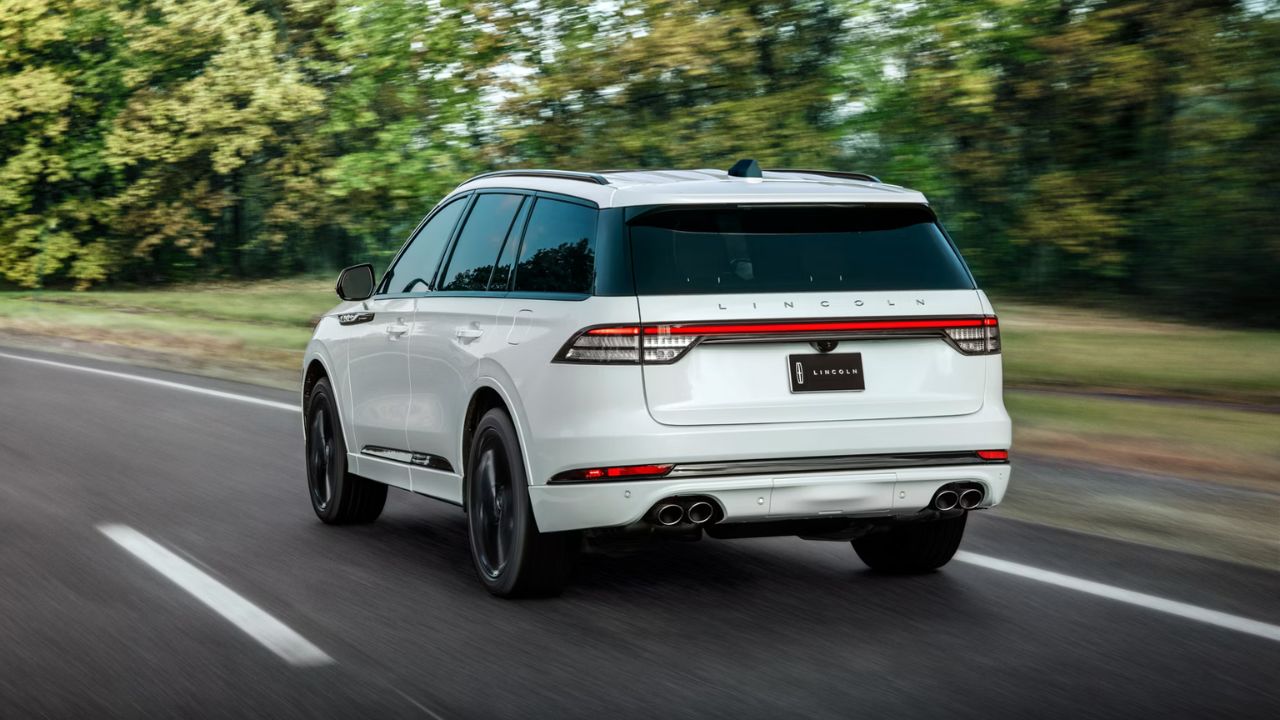
The 2026 Lincoln Aviator earns its place because it gives this list a more substantial kind of luxury presence. Lincoln markets it as a three-row midsize luxury SUV, and it feels like a vehicle designed for buyers who want room, comfort, and occasion without moving into something oversized and cumbersome. The styling is clean, the interior tone is upscale, and the overall driving character leans into smoothness and effortless highway confidence.
The surprise is that Lincoln also says the Aviator requires regular unleaded gasoline with a minimum 87-octane rating, even though 91 or higher is recommended for best performance and longevity. In this segment, that is a meaningful everyday advantage.
2026 Lincoln Corsair

The 2026 Lincoln Corsair is the compact luxury SUV for buyers who want their ownership experience to feel lighter, quieter, and easier every single day. Lincoln positions it as a small luxury SUV, and the current version backs that up with a serene cabin, relaxed road manners, and a more thoughtful sense of comfort than many rivals at this size. It feels upscale without trying too hard, which is part of its appeal.
The fuel story makes it even more convincing here. Lincoln states that the Corsair requires regular unleaded gasoline with a minimum pump (R+M)/2 octane rating of 87, while recommending premium for best performance and longevity. That gives the Corsair a clean claim to this headline and makes it one of the easiest luxury-SUV ownership cases in the segment.
The Best Kind Of Luxury Keeps Paying You Back
The most interesting thing about this group is that none of these vehicles feel cheapened by the fuel choice. They still offer the silence, craftsmanship, design, and comfort that make luxury worth wanting in the first place.
That is the real takeaway here. Saving money at the pump is useful, but the bigger win is finding a vehicle that still feels rich and satisfying on a Tuesday morning, on a long highway trip, and months after the showroom excitement is gone. When luxury gets this practical, premium fuel stops feeling like a necessary part of the experience.