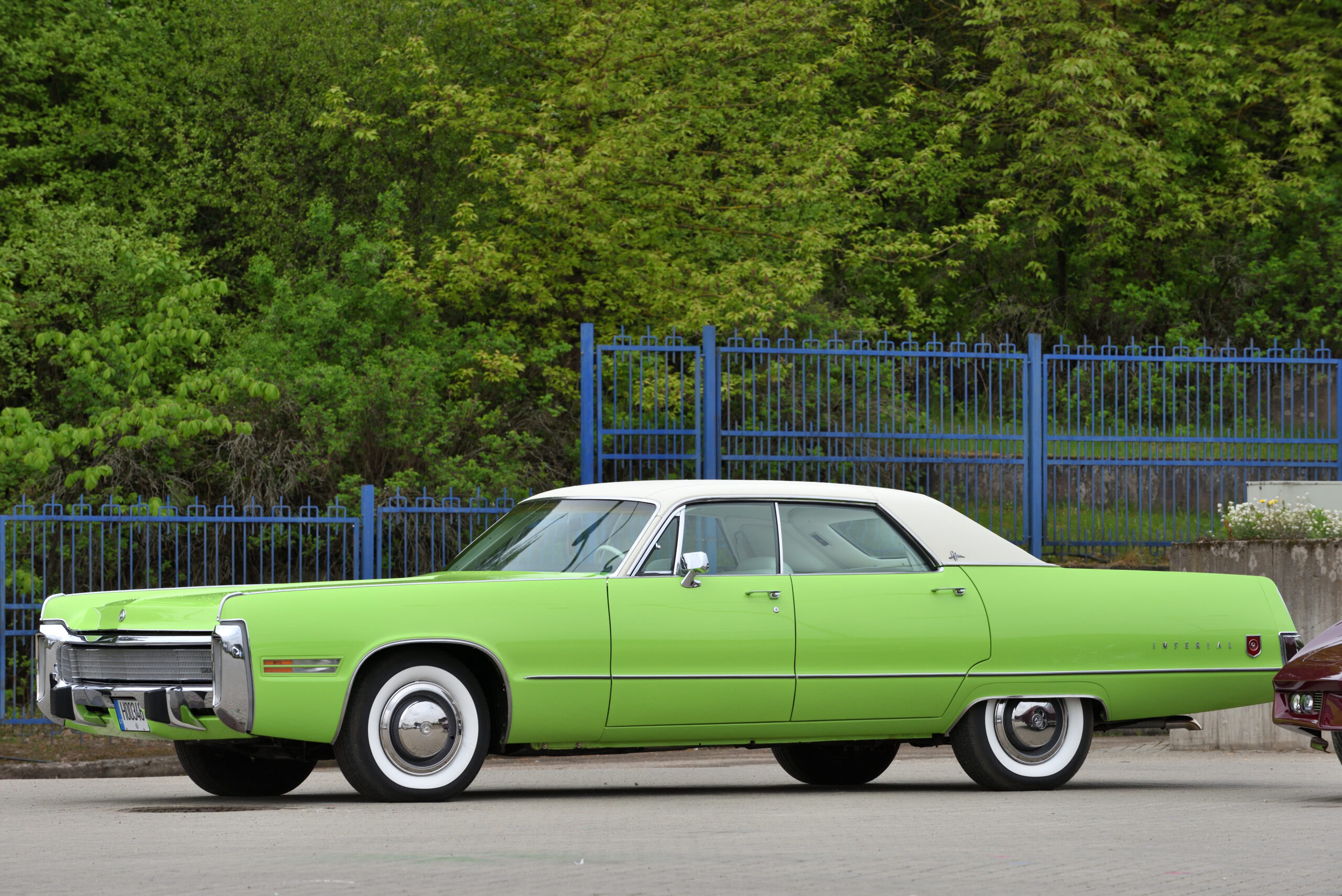
Remember when bigger was always better? The decades past gave us some of the most gloriously oversized automobiles ever to grace American roads.
These land yachts stretched across multiple parking spaces and made parallel parking an extreme sport. Built during a time when fuel was cheap and highway space seemed infinite, these cars prioritized comfort, style, and presence over practicality. Their massive dimensions made them the ultimate status symbols and floating living rooms on wheels.
Today, we’re celebrating the longest of these magnificent beasts that defined an era of American automotive excess.
1973 Cadillac Fleetwood Seventy-Five Limousine (252.5 inches)
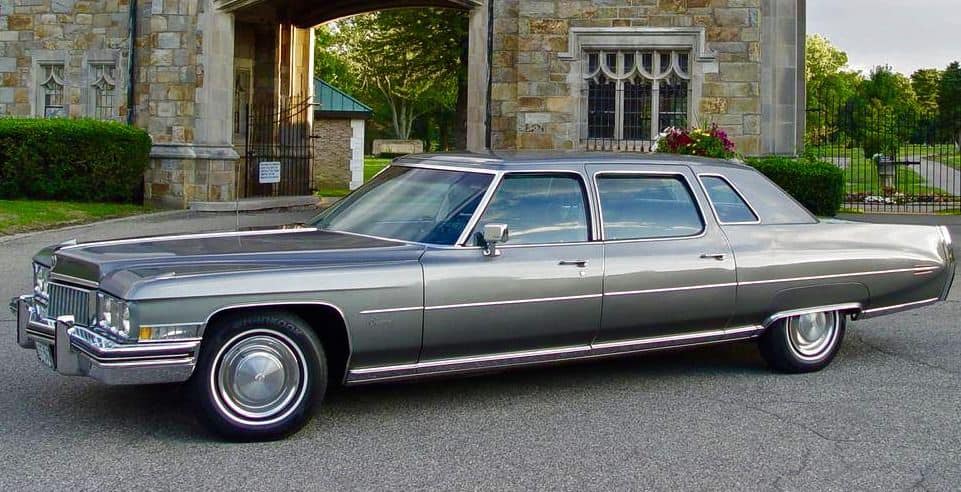
The crown jewel of automotive length belongs to this Cadillac masterpiece, stretching over 21 feet from bumper to bumper. This was a statement that arrived five minutes before you did.
The Fleetwood Seventy-Five came with a formal partition between driver and passengers, making every trip feel like a diplomatic mission. Under the hood sat a 472 cubic inch V8 that drank fuel like it was going out of style, which ironically it was about to be. With seating for up to nine passengers, it could transport an entire business meeting in supreme comfort.
The only thing longer than this Cadillac was the waiting list to get one.
1973 Chrysler Imperial LeBaron (235.3 inches)
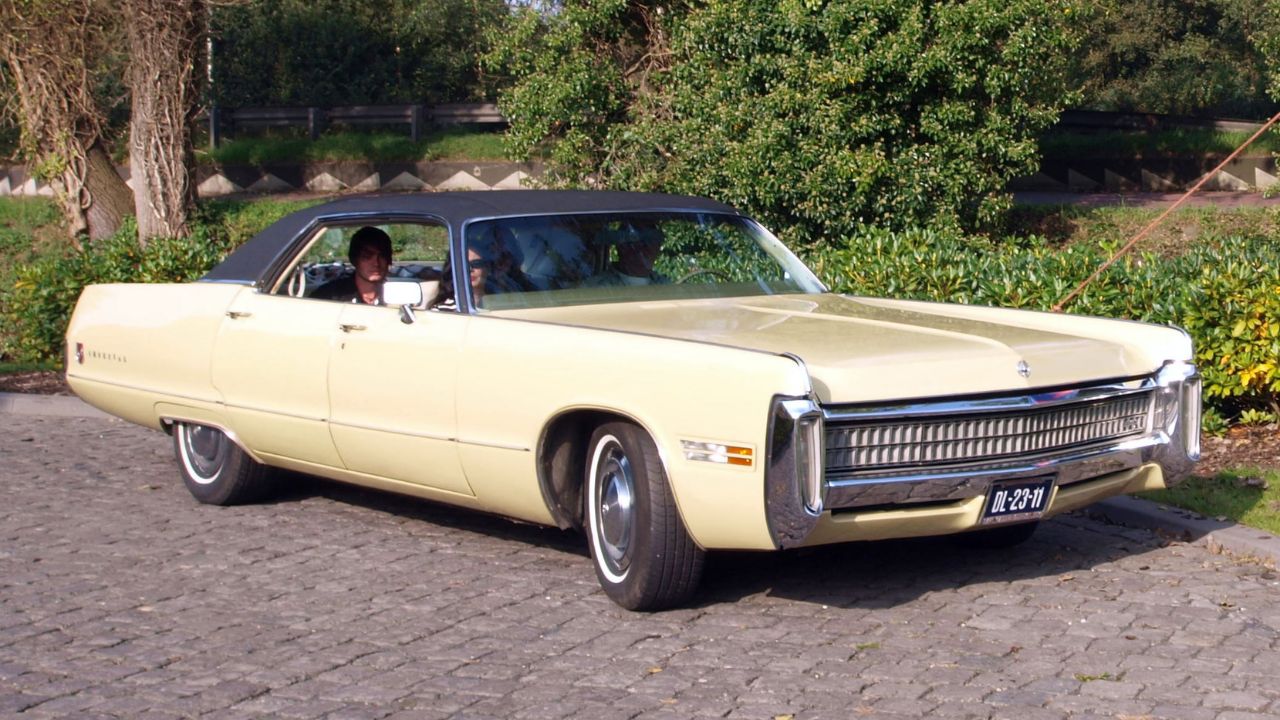
Chrysler’s Imperial LeBaron was nearly 19.5 feet of pure luxury, representing the brand’s most ambitious attempt to challenge Cadillac’s dominance. The 1973 model featured distinctive hidden headlamps and a classic vinyl roof that screamed executive privilege.
Its 440 cubic inch V8 provided effortless power, though “effortless” at the gas pump was a different story. The interior was appointed with rich leather and enough room to host a small dinner party while cruising. Chrysler positioned the Imperial as a cut above even their prestigious New Yorker.
Despite its impressive dimensions and luxury appointments, the Imperial couldn’t quite topple the Cadillac from its throne.
1976 Cadillac Fleetwood Brougham (233.7 inches)
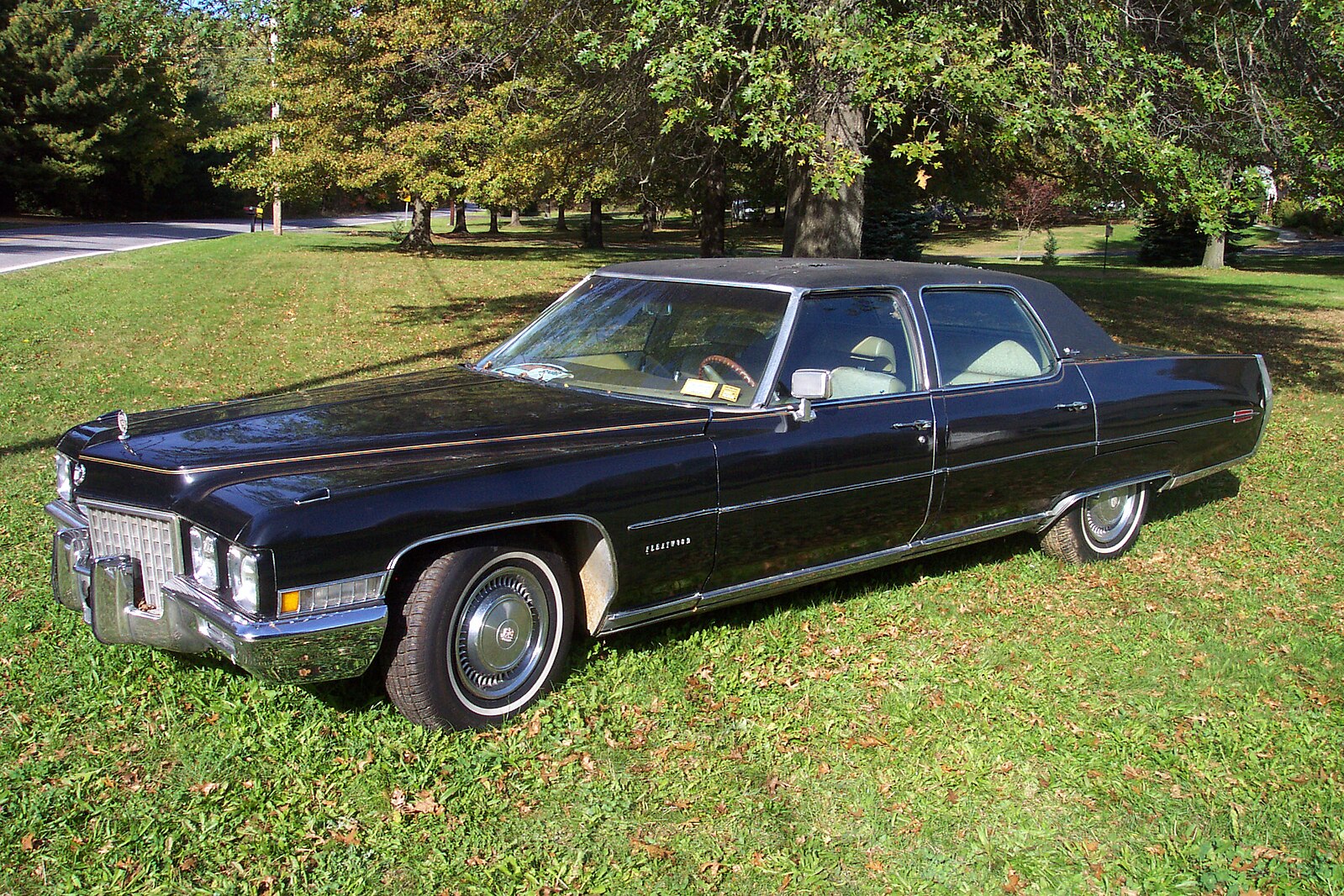
Even in standard form, the 1976 Fleetwood Brougham measured nearly 19.5 feet, making it one of the last truly massive production sedans before downsizing swept Detroit. This was Cadillac’s idea of “right-sizing” after the oil crisis — still enormous by any reasonable standard.
The Brougham offered pillow-soft seats, acres of hood ornament real estate, and enough chrome to supply a small bumper factory. Its 500 cubic inch V8 was one of the largest engines ever fitted to a production car, generating a modest 190 horsepower thanks to emissions controls. The ride quality was legendary, floating over bumps like a cruise ship navigating gentle swells.
This was the car that taught America that downsizing was inevitable, just not yet.
1973 Lincoln Continental (232.9 inches)
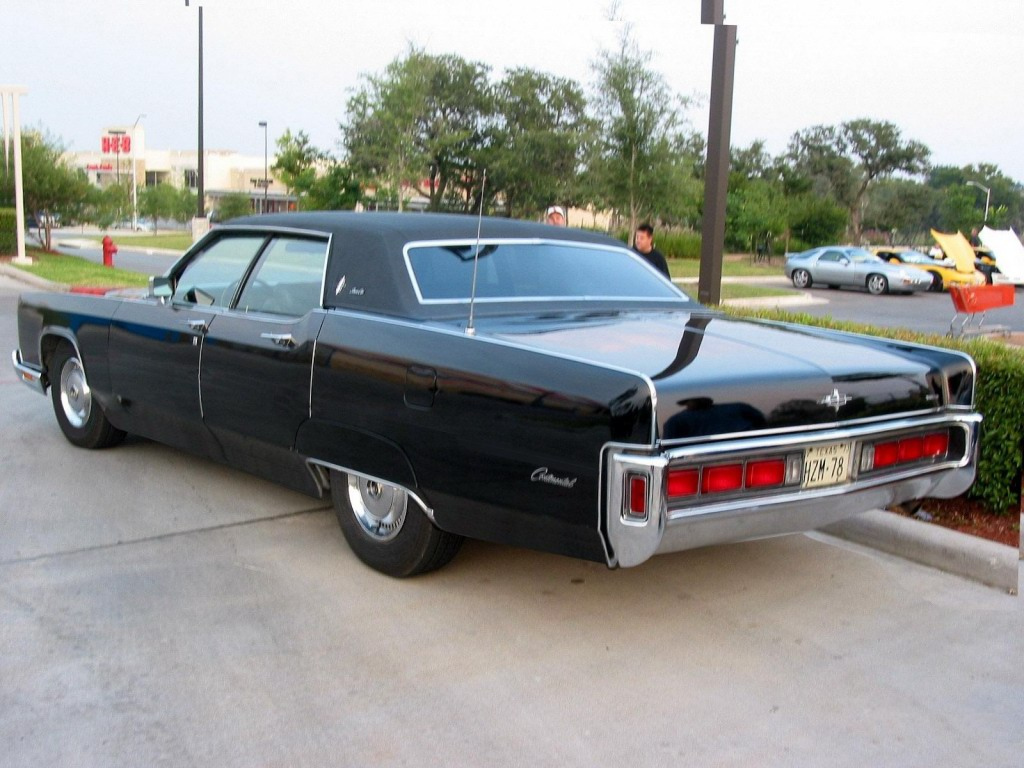
Lincoln’s 1973 Continental stretched over 19 feet and wore its length like a well-tailored suit. The distinctive Continental featured a classic upright grille and opera windows that became Lincoln’s signature styling cues for decades.
Its 460 cubic inch V8 provided the kind of smooth, silent power that made highway cruising feel like riding on a magic carpet. The interior featured Lincoln’s finest leather and enough legroom in the back seat to host a yoga class. While slightly shorter than its Cadillac rival, the Continental made every inch count with impeccable build quality.
This was the car that proved Lincoln could play in the land yacht game with the best of them.
1979 Lincoln Continental Mark V (230.3 inches)

The Mark V represented the end of an era, measuring over 19 feet as the last of the truly large personal luxury coupes. Its dramatic styling included a fake spare tire hump on the trunk lid and opera windows that would make Carmen weep.
Despite being a two-door, the Mark V was longer than many modern SUVs, proving that “coupe” was a very loose term in the 1970s. The 400 cubic inch V8 was paired with what Lincoln claimed was a “designer series” interior created by Bill Blass, Cartier, or Givenchy. Sales were strong as buyers rushed to grab the last of the breed before downsizing arrived.
The Mark V proved that Americans weren’t quite ready to give up their land yachts without one final curtain call.
1976 Oldsmobile Ninety-Eight Regency (229 inches)
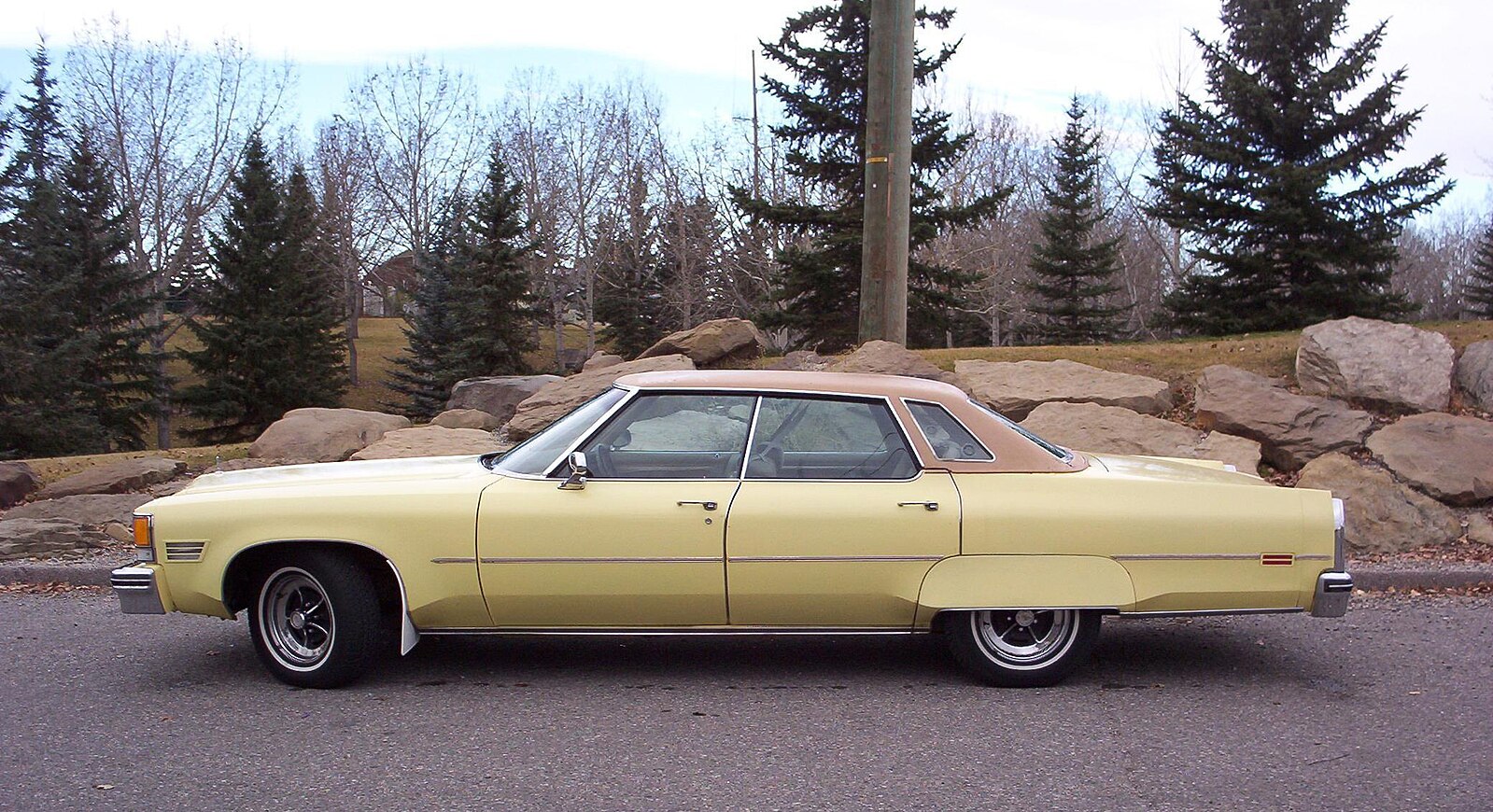
Oldsmobile’s flagship sedan stretched over 19 feet and represented the brand’s peak of comfort and refinement. The Ninety-Eight Regency offered what Oldsmobile called “comfort and quiet approaching that of far more expensive cars,” which was their polite way of comparing themselves to Cadillac.
Its 455 cubic inch Rocket V8 was the largest engine Oldsmobile had ever produced for a passenger car. The plush velour interior and isolated ride quality made it a favorite among buyers who wanted luxury without the Cadillac price tag. This was the car that proved you didn’t need to spend premium dollars to get premium length.
The Ninety-Eight showed that Oldsmobile could stretch with the best of them.
1973 Buick Electra 225 Limited (228.9 inches)
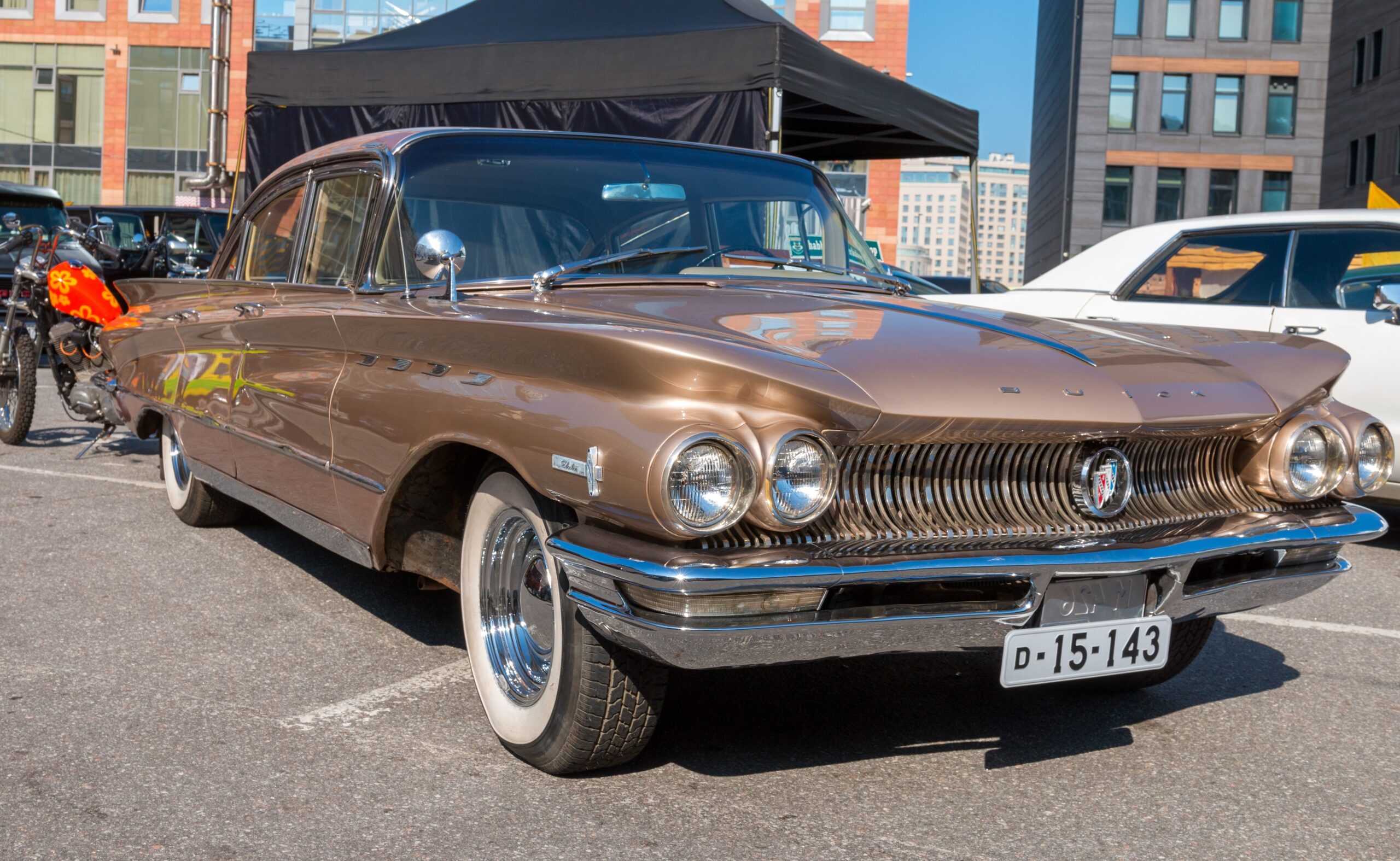
The “Deuce and a Quarter” earned its nickname honestly, measuring 225 inches in its prime years. This Buick flagship offered everything you’d want in a luxury car except for ease of parking. Its 455 cubic inch V8 made it one of the most powerful Buicks of the era, though that power was mostly used for graceful highway cruising.
The interior was a testament to Buick’s commitment to quiet luxury, with thick carpeting and sound insulation that blocked out the real world. Chrome bumpers that could double as park benches added to its impressive length. The Electra 225 proved that even GM’s “doctor’s car” brand could go toe-to-toe with the luxury giants.
1977 Chrysler New Yorker Brougham (227.8 inches)

Chrysler’s New Yorker Brougham measured nearly 19 feet and represented the brand’s sweet spot between luxury and relative affordability. The 1977 model featured Chrysler’s distinctive front-end styling with vertical headlamps and a formal roofline that suggested old-money taste.
Under the hood, the 440 cubic inch V8 provided adequate power, though by 1977 emissions regulations had mellowed its output considerably. The interior featured what Chrysler marketed as “fine Corinthian leather,” a phrase that sounded far more exotic than it actually was. Despite not carrying the Imperial badge, the New Yorker delivered nearly the same length and luxury.
This was the car for buyers who wanted to sail smoothly without breaking the bank.
1976 Mercury Grand Marquis (227.1 inches)
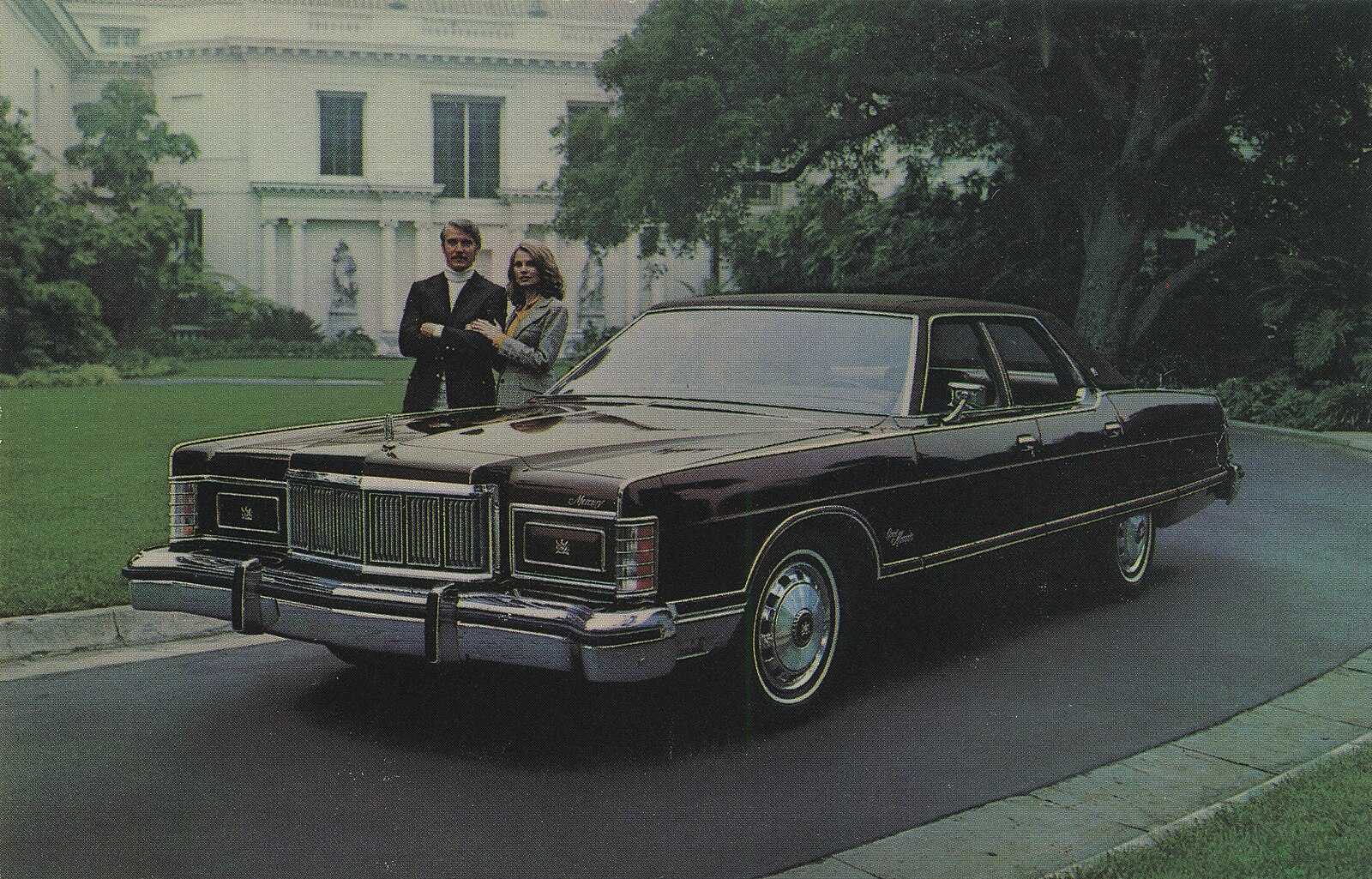
Mercury’s flagship sedan stretched over 18.9 feet and gave buyers Lincoln-like proportions at a Ford-like price. The Grand Marquis featured distinctive hidden headlamps and enough chrome trim to satisfy even the most traditional luxury car buyer.
Its 460 cubic inch V8 was shared with the Lincoln Continental, giving Mercury customers genuine big-block bragging rights. The ride quality was famously soft, with suspension tuning that prioritized comfort over any pretense of handling. Mercury positioned the Grand Marquis as the thinking person’s luxury car, offering substance without ostentatious branding.
This was the car that proved you could sail the land yacht seas without a Lincoln or Cadillac emblem on the bow.
1979 Ford LTD Landau (224.1 inches)
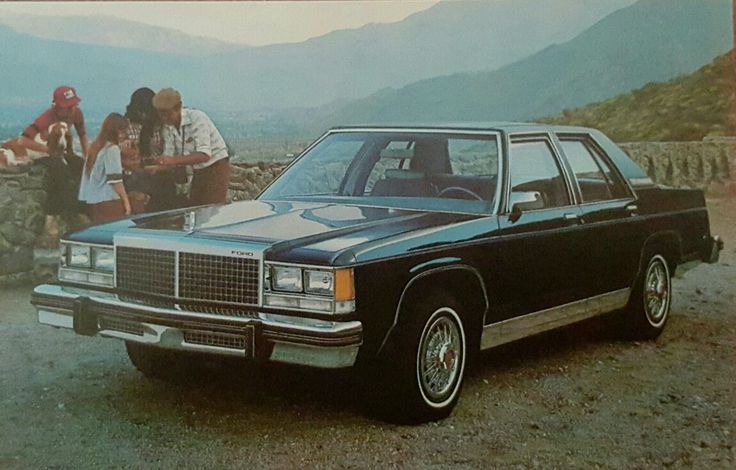
Ford’s full-size LTD measured over 18.6 feet and represented the Blue Oval’s commitment to traditional American automotive values. The Landau package added opera windows and a vinyl roof that gave it pseudo-luxury appeal at a mainstream price point.
Under the hood, buyers could choose from several V8 options, with the 460 cubic inch unit being the king of the hill. The interior was spacious enough to comfortably seat six adults, proving that Ford understood what families needed for cross-country road trips. This was the car that brought land yacht dimensions to the middle class.
The LTD showed that you didn’t need a luxury badge to enjoy big-car comfort and road presence.
1978 Pontiac Bonneville Brougham (222.5 inches)

Pontiac’s Bonneville Brougham stretched over 18.5 feet and proved that the excitement division could do traditional luxury when needed. The 1978 model featured Pontiac’s distinctive split grille and enough chrome to satisfy traditionalists while maintaining brand identity.
Its 400 or 403 cubic inch V8 options provided adequate power, though by 1978 the emphasis was more on smooth delivery than raw performance. The interior offered Pontiac’s interpretation of luxury, with thick velour seats and genuine wood-tone accents that looked remarkably convincing. This was the car for buyers who wanted land yacht proportions without abandoning their sporting heritage entirely.
The Bonneville proved that Pontiac could stretch out and relax with the best of them.
1979 Chevrolet Caprice Classic (221.2 inches)
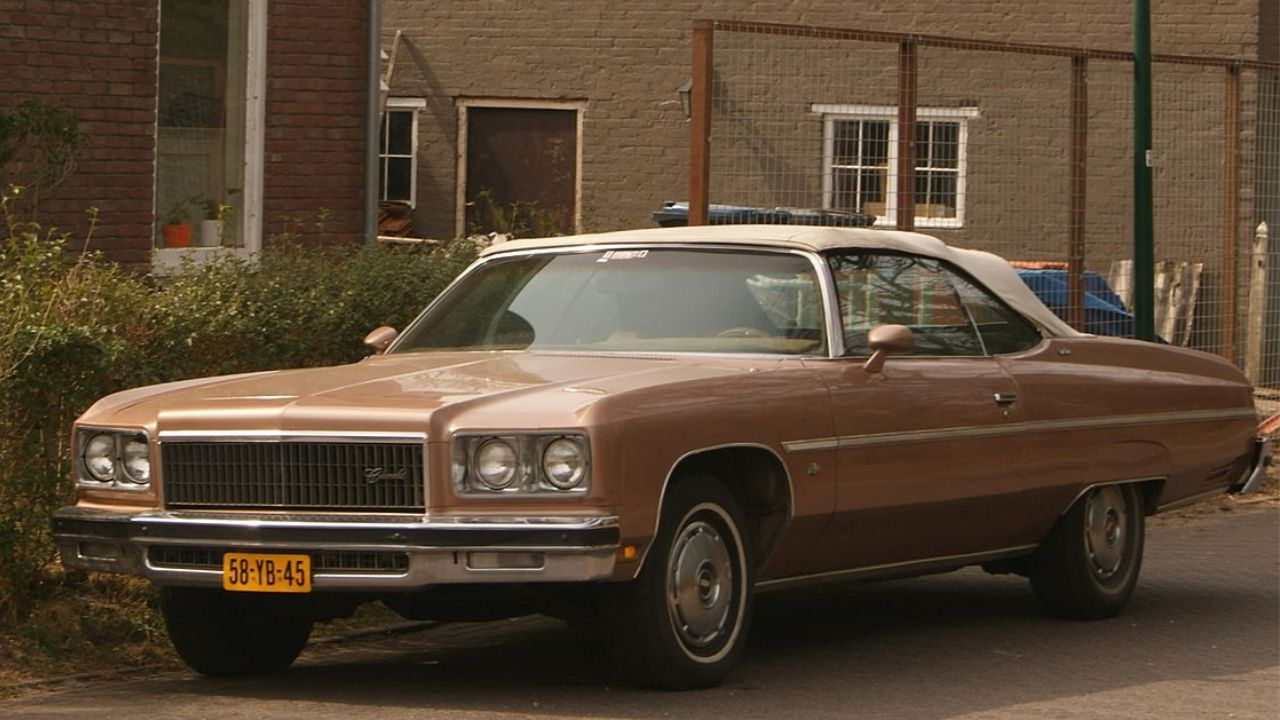
Chevy’s full-size flagship measured over 18.4 feet and brought big-car comfort to the most accessible price point in GM’s lineup. The Caprice Classic offered surprising refinement for a Chevrolet, with available V8 engines up to 350 cubic inches that provided smooth, reliable power.
Its spacious interior could accommodate six passengers in genuine comfort, making it a favorite among families and taxi fleets alike. The build quality was solid, and many Caprices logged hundreds of thousands of miles with minimal drama. This was the democratic land yacht, proving that you didn’t need a prestigious badge to enjoy floating down the highway.
The Caprice showed that Chevrolet could deliver big-car style and substance to everyday buyers.
Conclusion

These magnificent land yachts represented a unique moment in automotive history when size genuinely mattered and fuel economy was barely a consideration. Today, finding parking for these behemoths would require advance planning and possibly a small prayer, but their owners wouldn’t have had it any other way.
These cars offered something modern vehicles rarely deliver: a sense of occasion and presence that made every drive feel special. While contemporary vehicles are more efficient, safer, and better handling, they lack the sheer audacity of these rolling monuments to excess. The classic land yacht era gave us cars that were unapologetically enormous and utterly American.
They remain beloved by enthusiasts who understand that sometimes bigger really was better, at least until you had to parallel park or fill the tank.