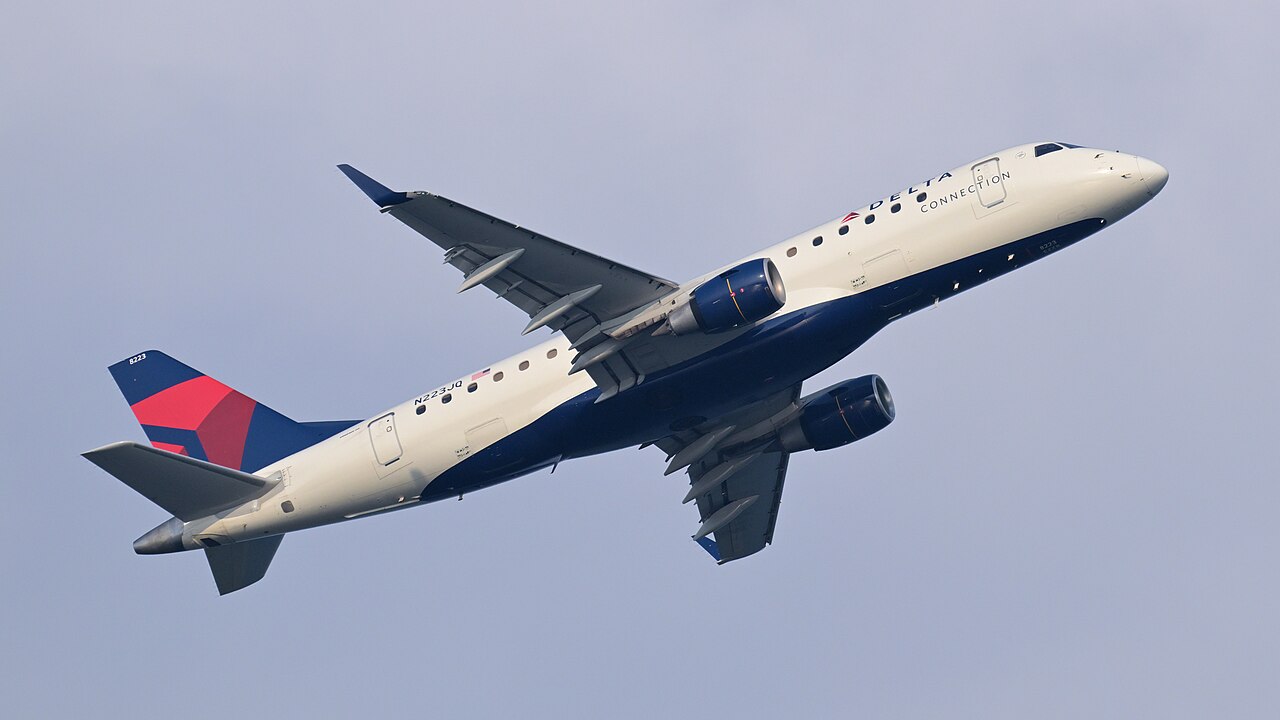

What should have been a routine descent into one of America’s busiest airspaces turned into a moment that has aviation experts quietly shaking their heads.
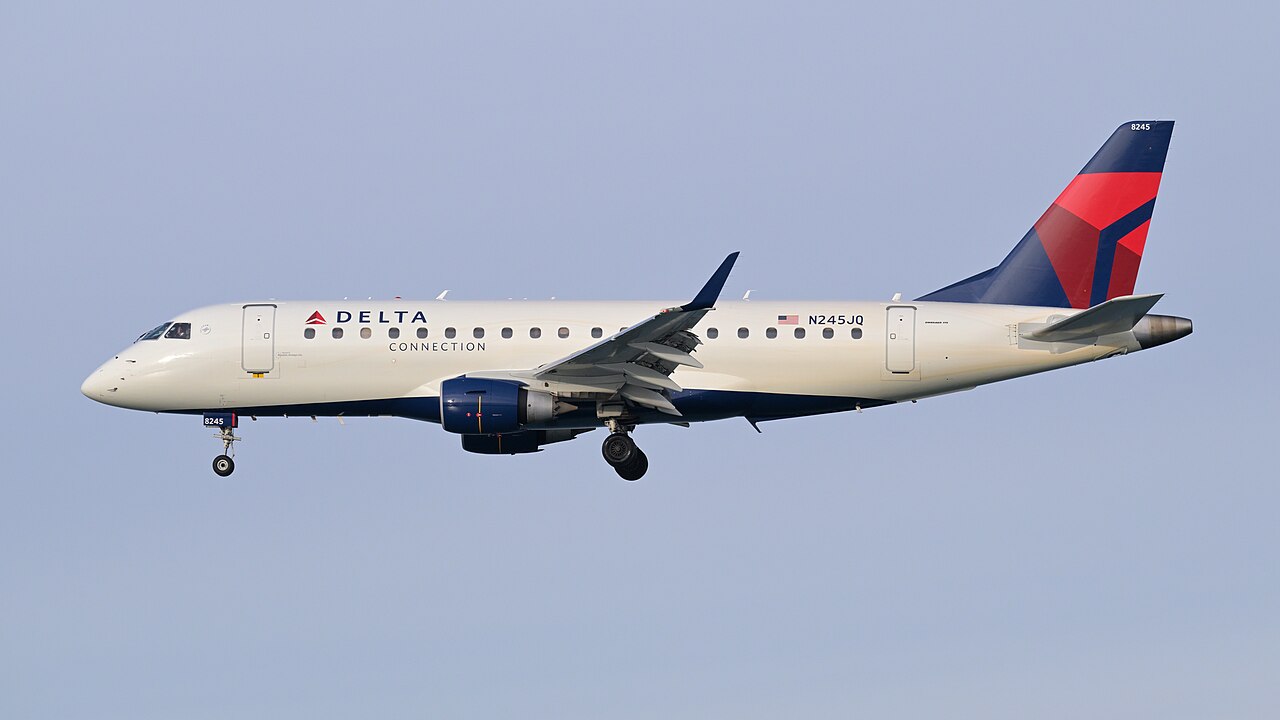
Earlier this month, Delta Connection Flight 5752, operated by Republic Airways, was on final approach into LaGuardia Airport. The regional jet had already dropped low over Queens, lining up for what looked like a standard landing. Everything appeared normal from the outside. Inside the cockpit, however, a critical misstep was unfolding.
Instead of speaking with LaGuardia’s control tower, the pilots were in contact with controllers at John F. Kennedy International Airport, roughly ten miles away. It sounds like a small technical mix up. In aviation, it is anything but.
Confusion in the Cockpit
Air traffic control operates on strict radio frequencies assigned to specific sectors and airports. Each frequency is a lifeline that ensures pilots and controllers share the same situational awareness. In this case, that shared picture fractured. As the aircraft reported being on a two-mile final for LaGuardia, confusion quickly surfaced.
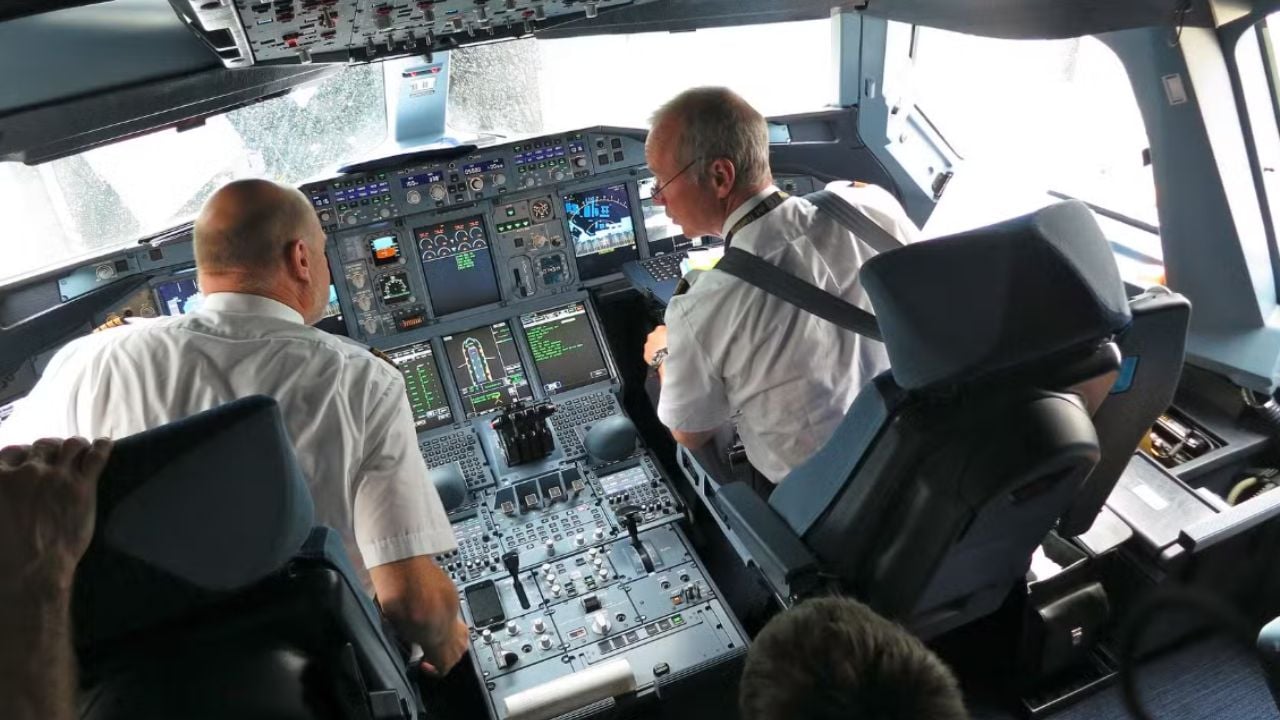
Controllers at JFK, understandably puzzled, questioned the call. “Two mile final where?” came the response. Moments later, the realization hit. The aircraft was talking to the wrong tower entirely. The instruction was immediate and urgent. Switch to LaGuardia Tower.
What followed could have gone very differently. The pilots initiated a go around, climbing away instead of continuing the landing. Only after reestablishing communication with the correct tower did they circle back and land safely.
That decision likely prevented a serious incident.
Why This Matters
To the average traveler, this might sound like a harmless communication hiccup. Aviation professionals see a chain of risks that nearly aligned. Landing without proper clearance is not just a procedural violation. It introduces the possibility of runway conflicts, misaligned sequencing with other aircraft, and reduced separation margins.
At a tightly packed airport like LaGuardia, where traffic flows are choreographed down to the second, the margin for error is razor thin.
What makes this episode more unsettling is its timing. It comes on the heels of the tragic Air Canada LaGuardia runway incident, which claimed the lives of two pilots at the same airport. While the circumstances differ, both events highlight a shared vulnerability. Complex airspace, heavy traffic density, and human factors can combine in ways that demand absolute precision.
So how does something like this happen?
Human Factors and System Safeguards
Even in modern cockpits filled with advanced avionics, pilots still rely heavily on manual inputs for radio tuning. Frequencies can be misdialed. In high workload phases like descent and approach, especially into congested airspace like New York, distractions pile up quickly.
Pilots are managing speed, altitude, checklists, weather, and traffic while coordinating with controllers. One small slip, such as selecting the wrong frequency, can go unnoticed for precious seconds or minutes.
There is also the issue of expectation bias. If pilots believe they are already speaking to the correct controller, they may interpret responses in a way that fits that assumption, at least initially. Meanwhile, controllers, hearing an unexpected call, must quickly diagnose what is happening without full context.
The system is designed with layers of redundancy, and this incident shows those layers working. The controllers questioned the transmission. The pilots recognized the error. The go around added a final safety buffer. Each layer prevented escalation.
Still, the potential outcomes are worth considering. In a worst-case scenario, an aircraft could proceed to land without clearance while another plane is occupying or crossing the runway. Even near misses can trigger cascading disruptions across the network, forcing delays and reroutes that ripple far beyond a single airport.
The Investigation
The Federal Aviation Administration has opened an investigation, and the findings will likely focus on procedural adherence, cockpit workload management, and whether additional safeguards could help prevent frequency confusion.
Meanwhile, this incident reminds us that aviation safety is not just about technology. It is about communication, discipline, and constant vigilance. Even a routine landing can turn into a high-stakes situation when one critical link in the chain slips, if only for a moment.