
When Jeep first revealed the Recon in 2022, the company positioned it as a fully electric off-roader built to bring Wrangler-style adventure into the EV era. At the time, Stellantis was heavily pushing electrification across nearly all of its major brands. The Recon quickly became one of the centerpiece models in Jeep’s future EV strategy.
Now, before the Recon has even fully launched in North America, Stellantis is already changing direction. The automaker has confirmed the Recon will no longer be EV-only and will also receive a combustion-engine variant for buyers who still want traditional gasoline power. That move dramatically broadens the SUV’s appeal in a market where EV demand has become far less predictable than many automakers expected just a few years ago.
The announcement came during Stellantis’ recent Investor Day presentation, where executives repeatedly emphasized “freedom of choice” as a major pillar of the company’s future strategy. Rather than forcing buyers into fully electric vehicles, Stellantis now appears focused on offering EV, hybrid, and combustion options side-by-side across much of its lineup.
For Jeep buyers specifically, that flexibility is important. Many off-road enthusiasts still have concerns about charging infrastructure, towing range, and long-distance usability in remote environments where EV charging remains limited.
The Recon’s Flexible Platform Made This Possible

One reason Stellantis can pivot so quickly is that the Recon rides on the company’s STLA Large architecture. While the platform was originally designed with EVs in mind, it was also engineered to support hybrid and traditional combustion powertrains.
That same platform underpins vehicles like the Wagoneer S and the new Dodge Charger lineup. Its flexibility allows Stellantis to react to changing consumer demands without needing to completely redesign future vehicles from the ground up.
Stellantis has not officially confirmed which engine the gas-powered Recon will use, but there are already a few likely candidates.
Hurricane Power Seems Like the Most Likely Option
The most probable engine appears to be Stellantis’ newer turbocharged Hurricane four-cylinder. In current applications, the 2.0-liter turbo produces roughly 324 horsepower and 332 lb-ft of torque, which would likely provide plenty of performance for the rugged SUV.
There is also speculation that Jeep could eventually offer the larger twin-turbocharged 3.0-liter Hurricane inline-six found in other Stellantis performance models. Depending on the configuration, that engine produces between 420 and 550 horsepower.
A Hurricane-powered Recon could become one of the most powerful off-road-focused SUVs Jeep has ever built. Regardless of which engine Stellantis chooses, the combustion model will likely attract buyers who were hesitant about an EV-only off-roader.
The Electric Recon Is Still Coming
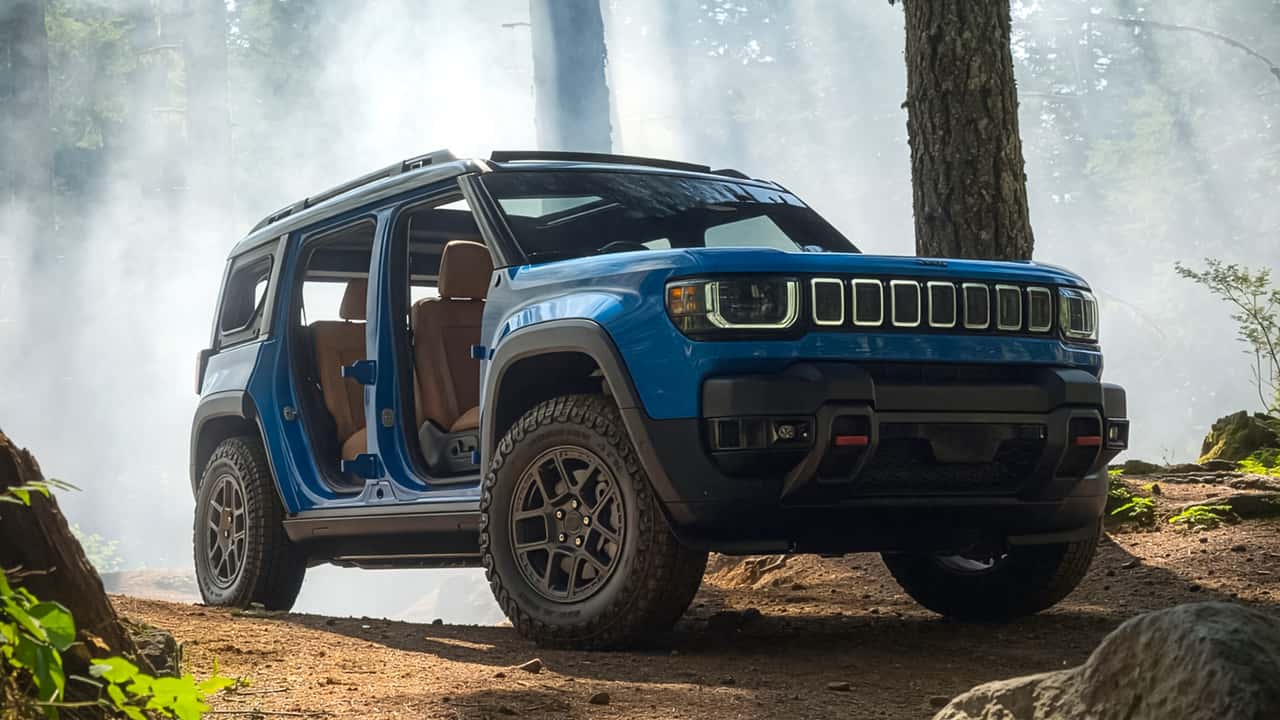
Importantly, Jeep is not abandoning the electric Recon. The EV version is still expected to arrive first and remains a major part of the brand’s future plans.
Reports suggest the dual-motor electric setup could deliver around 650 horsepower and 620 lb-ft of torque. Instant electric torque should also make the Recon extremely capable during low-speed crawling and technical trail driving.
Still, the decision to add a gas-powered version highlights how quickly the industry’s approach to electrification is evolving. Automakers are increasingly realizing that many buyers still want multiple powertrain choices instead of being pushed entirely toward EVs.
Jeep’s Enthusiast Identity Is Important
The Recon’s powertrain shift also fits into Stellantis’ larger enthusiast-focused strategy. During Investor Day, the company teased everything from revived V8-powered trucks to potential SRT performance models and new off-road-oriented Jeeps.
That signals a growing realization within Stellantis that emotional appeal still matters heavily in North America. Jeep buyers, in particular, tend to care deeply about capability, identity, and flexibility rather than simply chasing the newest technology trends.
For many traditional Jeep customers, knowing the Recon will still offer a combustion engine may immediately make the vehicle feel more approachable. In today’s uncertain market, giving buyers more choices may ultimately prove smarter than forcing every customer into the same electrified future.