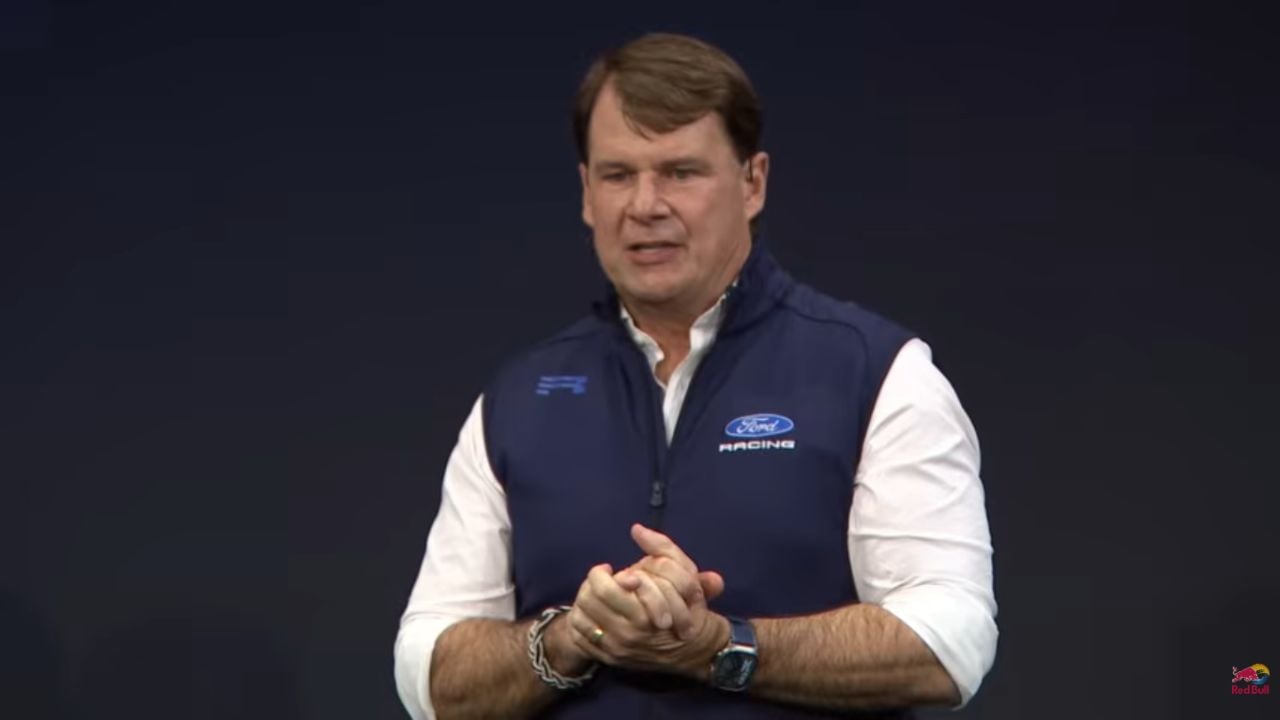

There is a certain irony in the modern auto industry. The machines have never been more advanced, yet the systems used to build them can feel like relics from another era. That contradiction came into sharp focus when Jim Farley pulled back the curtain on a problem that rarely gets airtime: the digital backbone of Ford Motor Company was not ready for the electric future it is chasing.
For many enthusiasts and industry watchers, Farley’s admission came as no surprise.

Ford’s internal IT infrastructure, much of it built and layered over decades, could not keep up with the demands of a modern EV program. Not because the company lacks talent or ambition, but because the underlying systems were designed for a different age of carmaking.
An age where development cycles stretched longer, software played a supporting role, and updates did not need to happen at the speed of a smartphone refresh.
EVs have rewritten that playbook. Today’s cars are rolling computers, stitched together with millions of lines of code. Engineering them requires tools that can simulate, iterate, and adapt in real time. Legacy systems, no matter how robust they once were, tend to struggle under that kind of pressure.
The Skunkworks solution
So, Ford made a bold internal pivot. Rather than forcing its next-generation EV effort to operate within those constraints, the company carved out a dedicated “skunkworks” team.
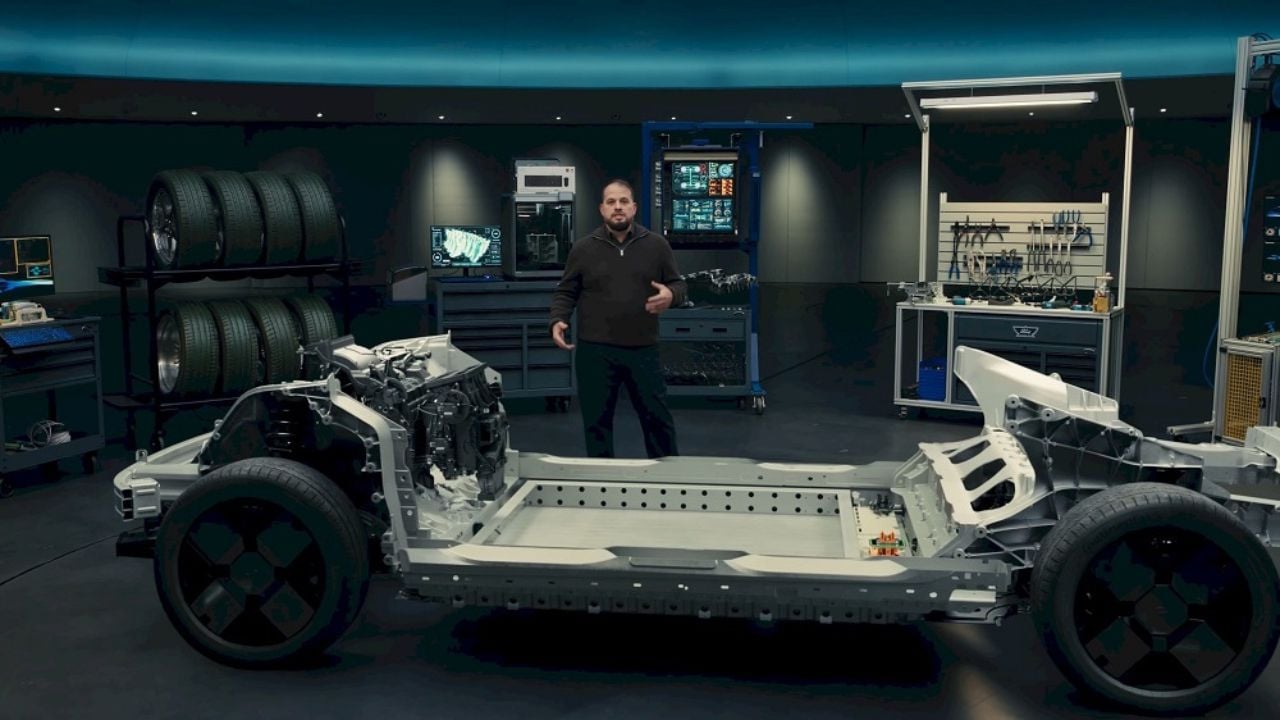
This group was given the freedom to sidestep the old IT stack entirely and build its workflow using modern, external tools. Think less corporate mainframe, more Silicon Valley startup energy.
The results have been arguably telling. Freed from the friction of outdated systems, the team was able to move with a level of agility that traditional automaking rarely allows. Development cycles became tighter, collaboration more fluid, and decision-making less tangled in bureaucratic knots. It was not just faster. It was smarter.
That experiment is now shaping the future of Ford itself. Instead of treating the skunkworks approach as a one-off success, the company is studying it as a blueprint. Apparently, if a small, agile team can outperform established processes, then those processes need to evolve.
A Broader Industry Tension
This shift speaks to a broader tension across the auto industry. Legacy manufacturers carry the weight of history. Decades of engineering excellence, global supply chains, and proven manufacturing techniques are undeniable strengths. Yet those same assets can become liabilities when the ground shifts beneath them. EVs demand not only new hardware, but a new philosophy.
Compare that to newer entrants in the EV space, many of which were born in the digital era. They design vehicles and software in tandem, often with fewer internal barriers. The contrast is stark. Where traditional automakers must retrofit modern tools into existing structures, newer players build everything with that mindset from day one.
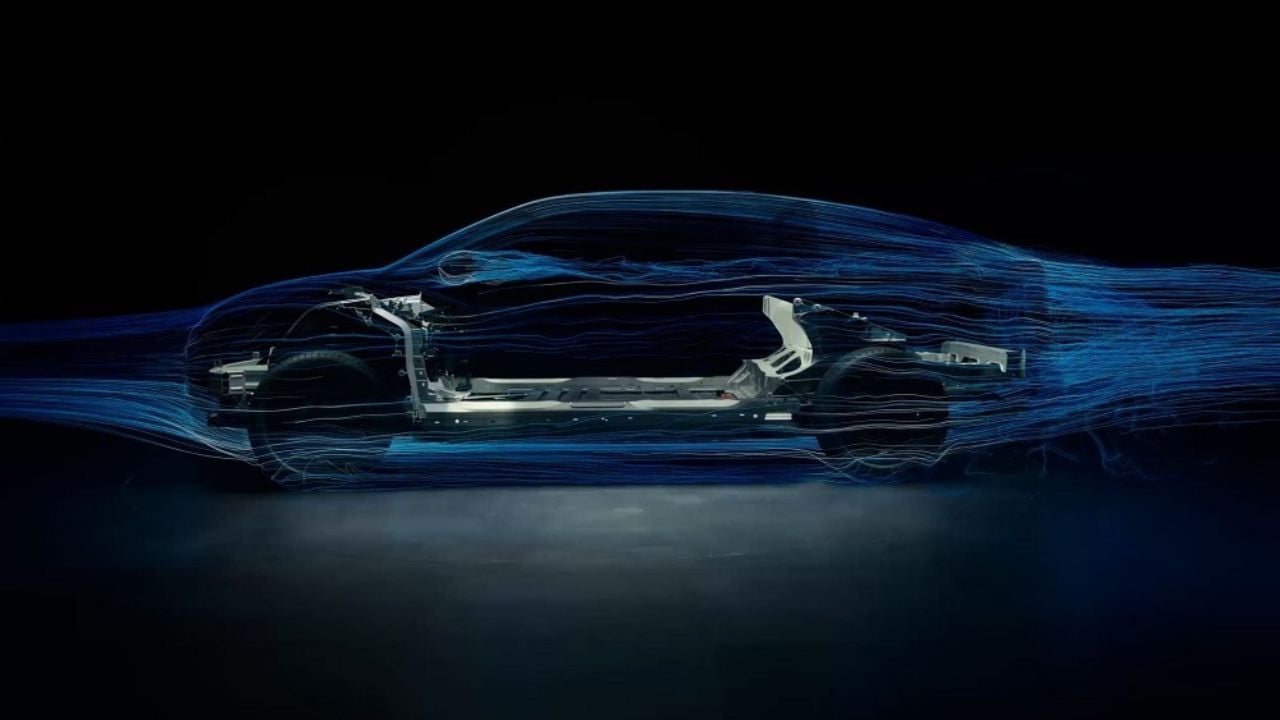
For Ford, the path forward is not about discarding its heritage, but it must retool it. Modernizing IT systems may not sound as glamorous as unveiling a new electric truck or performance crossover, but it is arguably just as critical. Without the right digital foundation, even the most promising vehicle programs can stall before they reach production.
The Bottom Line
Farley’s candor is remarkable in an industry that tends to guard its internal struggles. By acknowledging the problem, Ford has taken the first step toward fixing it. More importantly, it has signaled a willingness to rethink how cars are conceived and built in an era where software carries as much weight as steel.
We don’t buy the idea that Ford’s new build method will implicitly make their cars easier to fix, but there’s no doubt that their manufacturing rethink will ripple beyond the factory floors. We recently argued that the benefits of the skunkworks’ move away from traditional vehicle assembly methods into gigacasting mostly stops at Ford manufacturing.
Ultimately, this isn’t just a story about servers and code. It is about transformation. The race to electrification is not only being fought on the road, but also behind the scenes, in the systems that shape every bolt, every circuit, and every line of code. Ford’s challenge now is to ensure that its digital tools are as forward-looking as the vehicles they are meant to create.
Sources: Ford Authority