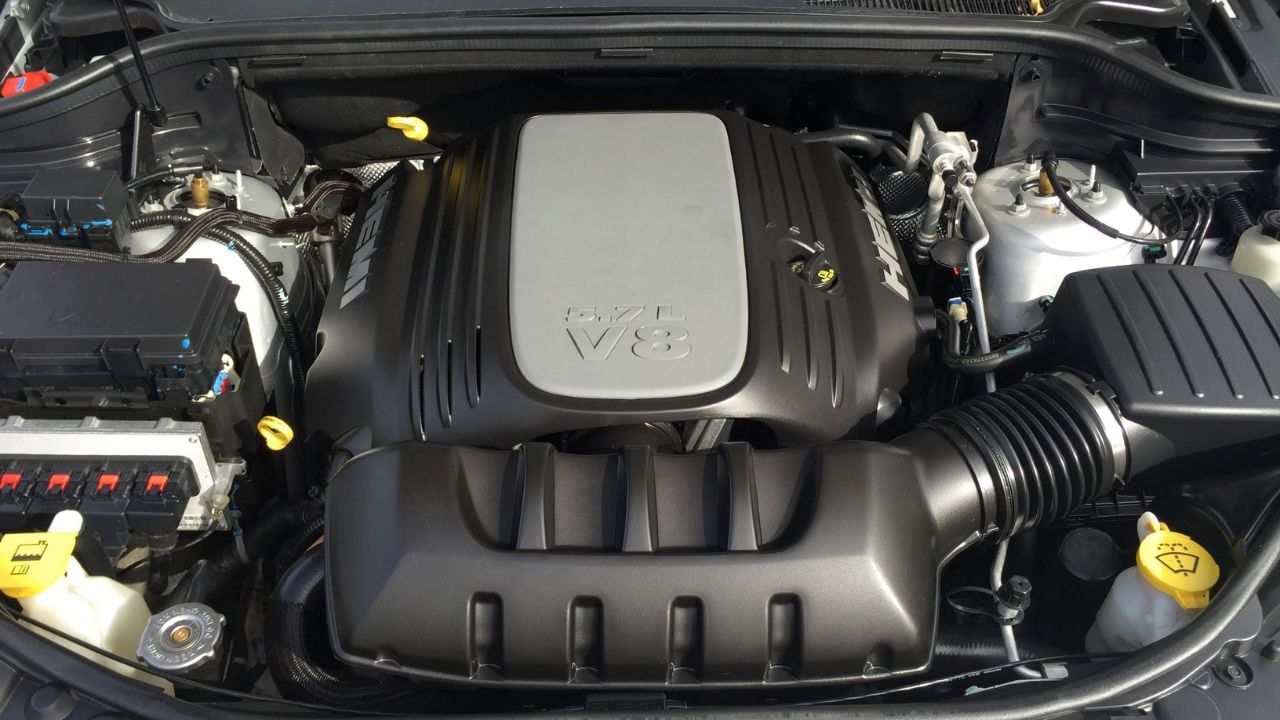
Jeep could be preparing to bring back V8 power to its flagship SUV, the Jeep Grand Cherokee, after senior engineers hinted at a possible return of the Hemi engine. The model lost its V8 option in recent years as parent company Stellantis shifted toward electrification and smaller turbocharged engines.
That decision marked a major turning point for one of Jeep’s most recognizable nameplates, long associated with strong towing capability and high-displacement engines. The removal of the V8 left a noticeable gap in the lineup, particularly for buyers who depended on its performance for heavy-duty use.
Now, new comments from within Jeep suggest that strategy may be evolving again in response to customer demand and market realities. While no official confirmation has been issued, multiple reports indicate the brand is reconsidering its earlier decision, signaling a broader rethink of powertrain priorities.
Hemi V8 Comeback Hinted by Jeep Leadership
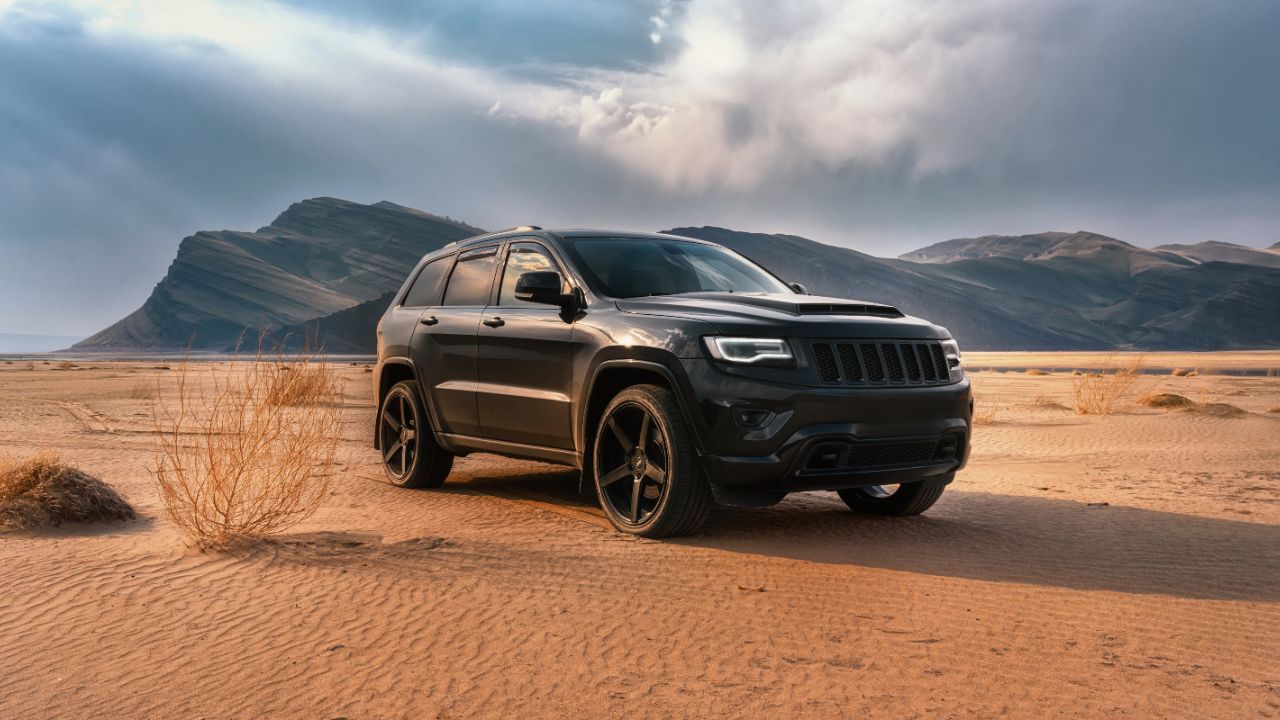
Jeep executives have reignited speculation after acknowledging continued interest in V8-powered SUVs. According to reports, CEO Bob Broderdorf emphasized the importance of giving customers more choice, while a lead engineer working on the Grand Cherokee told media to “stay tuned” when asked about a V8 return.
The 5.7 liter Hemi V8, previously offered in the Grand Cherokee, delivered 357 horsepower and strong towing capability, making it a key option for buyers hauling heavy loads. Jeep phased out the V8 from the two row Grand Cherokee after the 2023 model year and removed it entirely from the three row Grand Cherokee L after 2024.
The removal aligned with more efficient engines. However, that shift has not fully matched customer expectations, particularly in North America where demand for larger engines remains strong.
Changing Strategy Across Stellantis
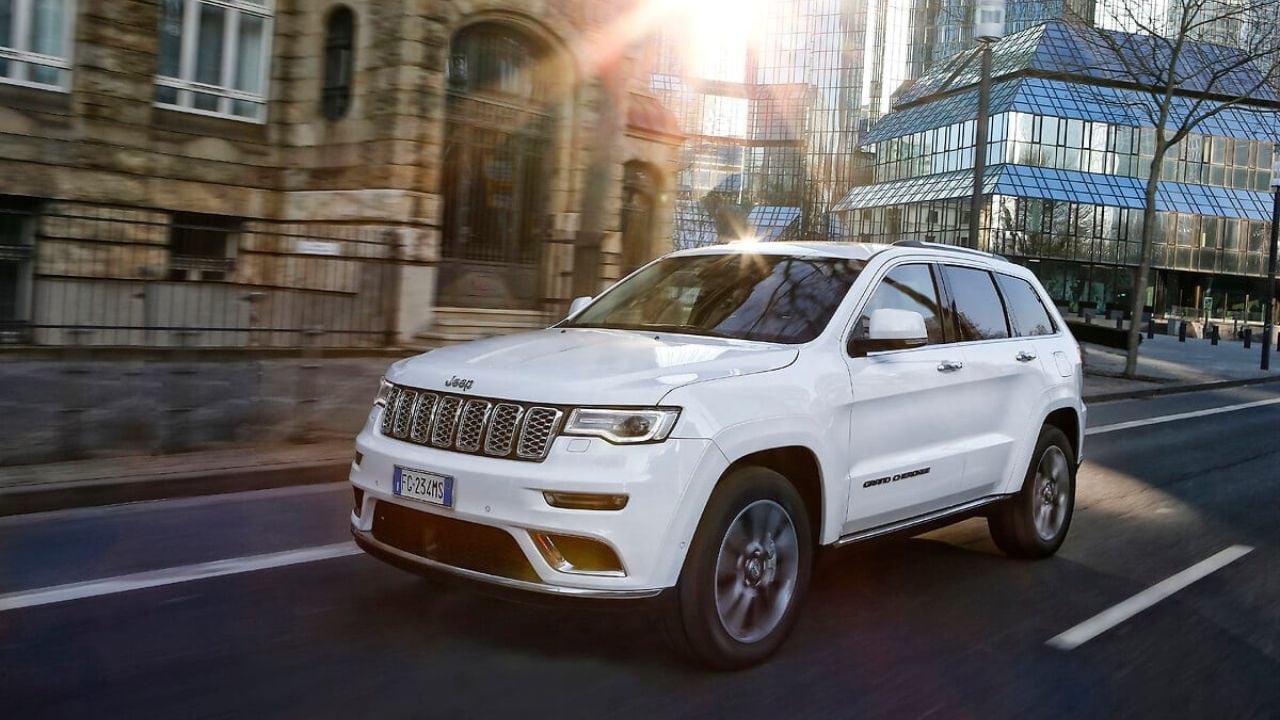
The possible return of the Hemi comes as Stellantis adjusts its broader strategy. The automaker has already revived V8 engines in other parts of its portfolio following customer backlash against downsized engines.
Recent reporting indicates the company is moving away from an aggressive all electric transition toward a more flexible approach that includes internal combustion engines alongside hybrid and electric options.
This shift reflects slowing EV adoption in some markets and the continued profitability of traditional SUVs and trucks. Industry analysts note that automakers are increasingly balancing regulatory pressure with consumer demand rather than committing fully to one technology path.
Within Jeep’s lineup, the V8 has remained relevant. The Wrangler Rubicon 392, for example, continues to use a Hemi engine, reinforcing the brand’s performance identity and signaling that large displacement engines still have a role.
What a V8 Return Would Mean for Buyers
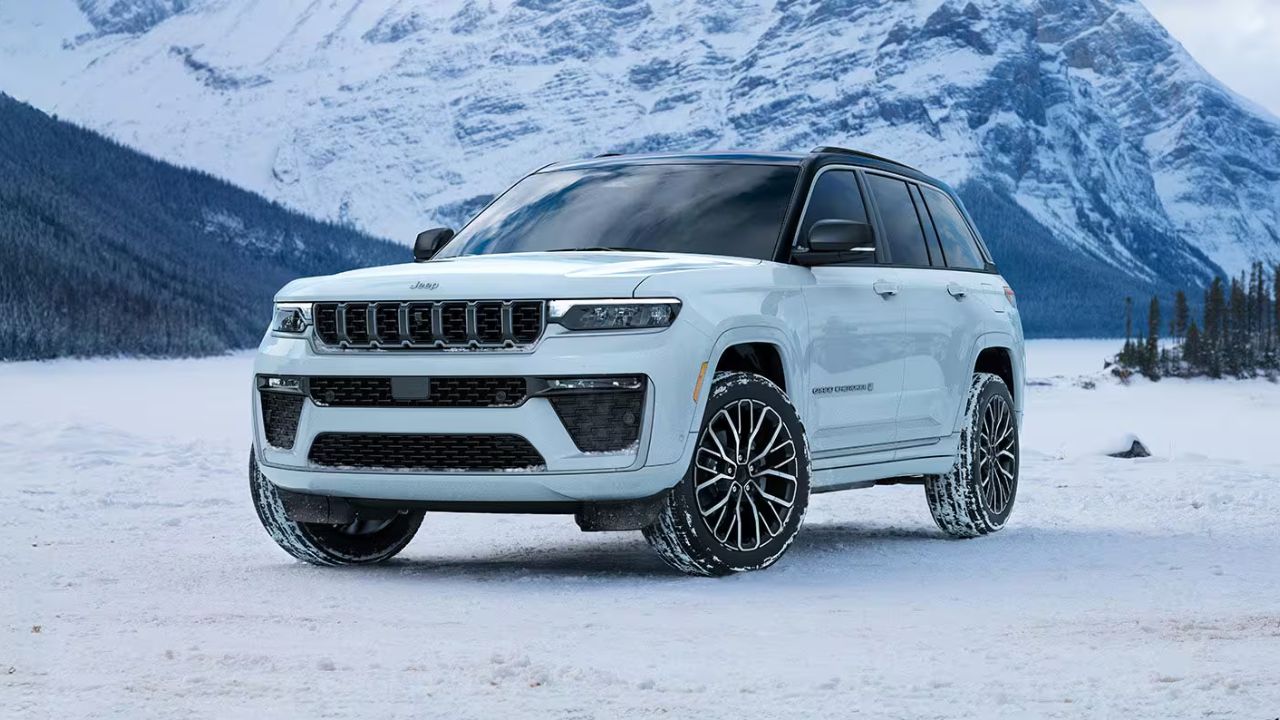
The current Grand Cherokee lineup offers a 3.6 liter V6 and a turbocharged four cylinder engine, but neither matches the towing capability once delivered by the V8.
For many buyers, especially in the United States, towing capacity remains a decisive factor. The previous V8 powered models could tow up to 7200 pounds, a figure that newer engine options have struggled to replicate.
Reintroducing the Hemi would likely restore that capability and help Jeep compete more directly with rivals that still offer high displacement engines. It would also address feedback from loyal customers who associate the Grand Cherokee with strong performance as well as off road capability.
However, any comeback is unlikely to be immediate. Reports suggest that even if approved, a V8 powered Grand Cherokee would not arrive until a future model year, possibly 2027 or later, as Jeep continues to evaluate regulatory requirements and engineering constraints.
For now, Jeep is keeping its plans deliberately vague. But the message from inside the company is clear the door for a Hemi powered Grand Cherokee is no longer closed.