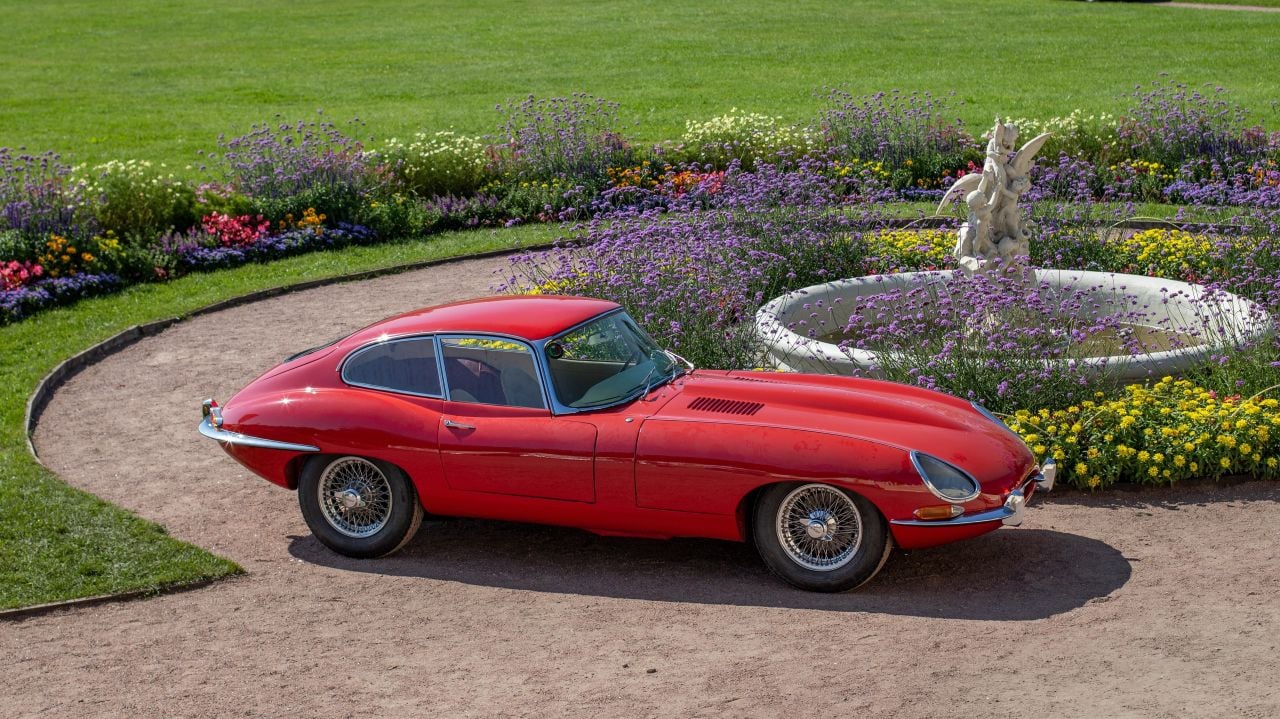
Through war, recession, and reinvention, Jaguar has always built rolling works of art.
From the golden age of British motoring to today’s high-tech grand tourers, some Jaguars captured the spirit of their time, blending grace, power, and unmistakable charm.
Our selection blends research, nostalgia, and a healthy appreciation for beautiful engineering. We leaned on Jaguar’s official specs, classic car auctions, fan forums, and automotive magazines, but mostly, we went with the models that made us stop scrolling and say, “Whoa.”
It’s part fact, part opinion, and entirely biased toward machines that make hearts race. Disagree? That’s cool; Jaguar’s lineup has always sparked debate.
Jaguar XK120
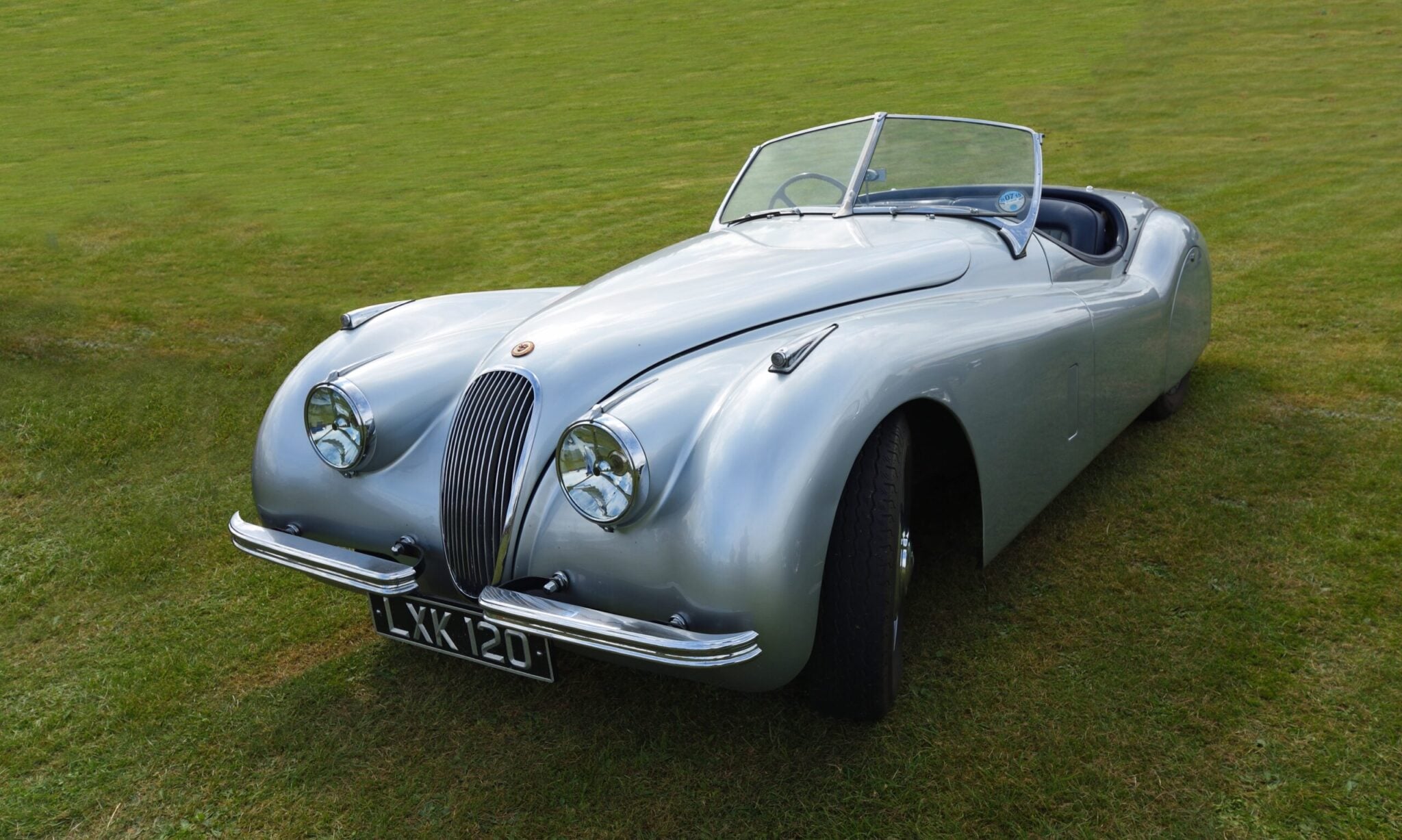
Jaguar introduced the XK120 in 1948 as its first sports car since the SS 100 production ended in 1939. The XK120 remained in production until 1954 and was highly successful in racing and rallying.
With a 3.4-liter inline-six engine producing about 160 hp in standard form (higher in Special Equipment/competition tunes), the XK120 was fast, too. It was among the fastest production cars of its era, and specially prepared XK120s later set notable speed/endurance records, helping cement the model’s legend.
Jaguar C-Type
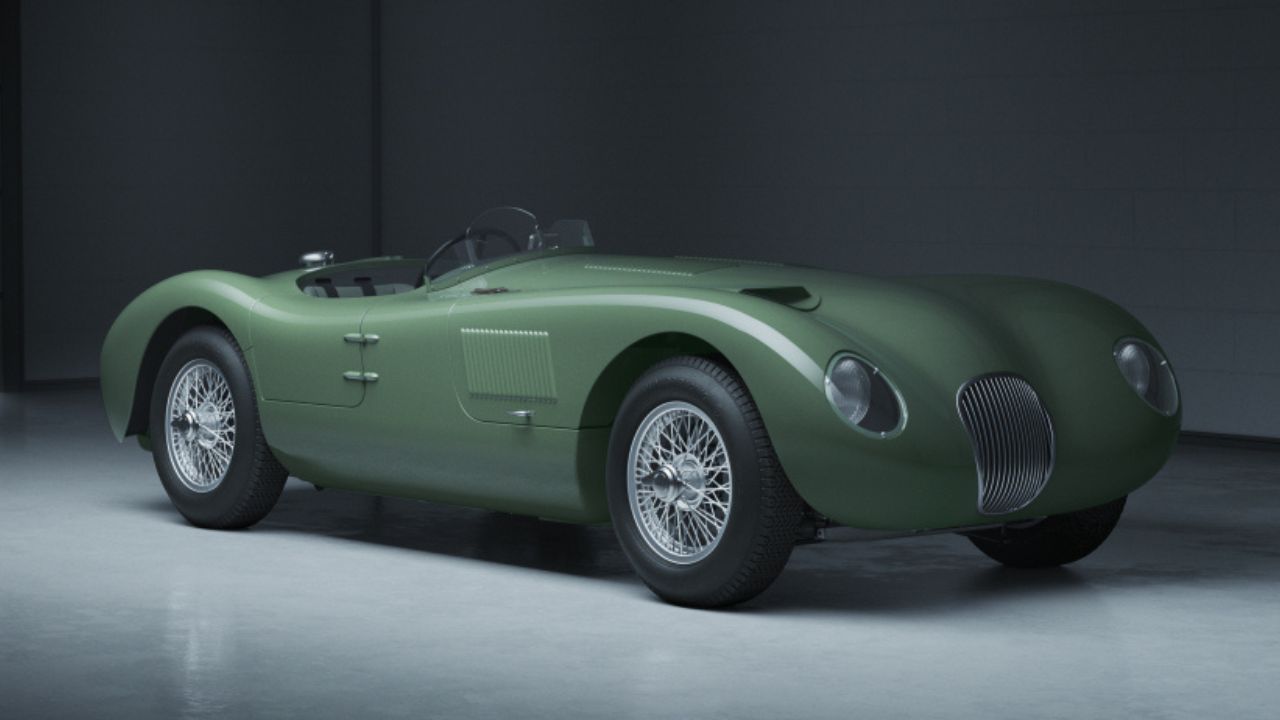
Jaguar produced the C-Type between 1951 and 1953. Technically, it was a racing version of the XK120, but there was much more to it than that. The XK120’s steel chassis and ash wood framework were replaced by aluminum body panels and a new lightweight tube frame chassis. It won the 24 Hours of Le Mans twice, and Stirling Moss won the Reims Grand Prix in 1952 behind the wheel of a C-Type.
It’s also one of the most influential cars in automotive history, as it was an early landmark for disc brakes in top-level competition, helping prove the technology on the biggest stage, and soon, every other manufacturer followed suit. The C-Type’s streamlined looks matched its performance, which was taken care of by a 3.4-liter straight-six with over 200 hp.
Jaguar D-Type
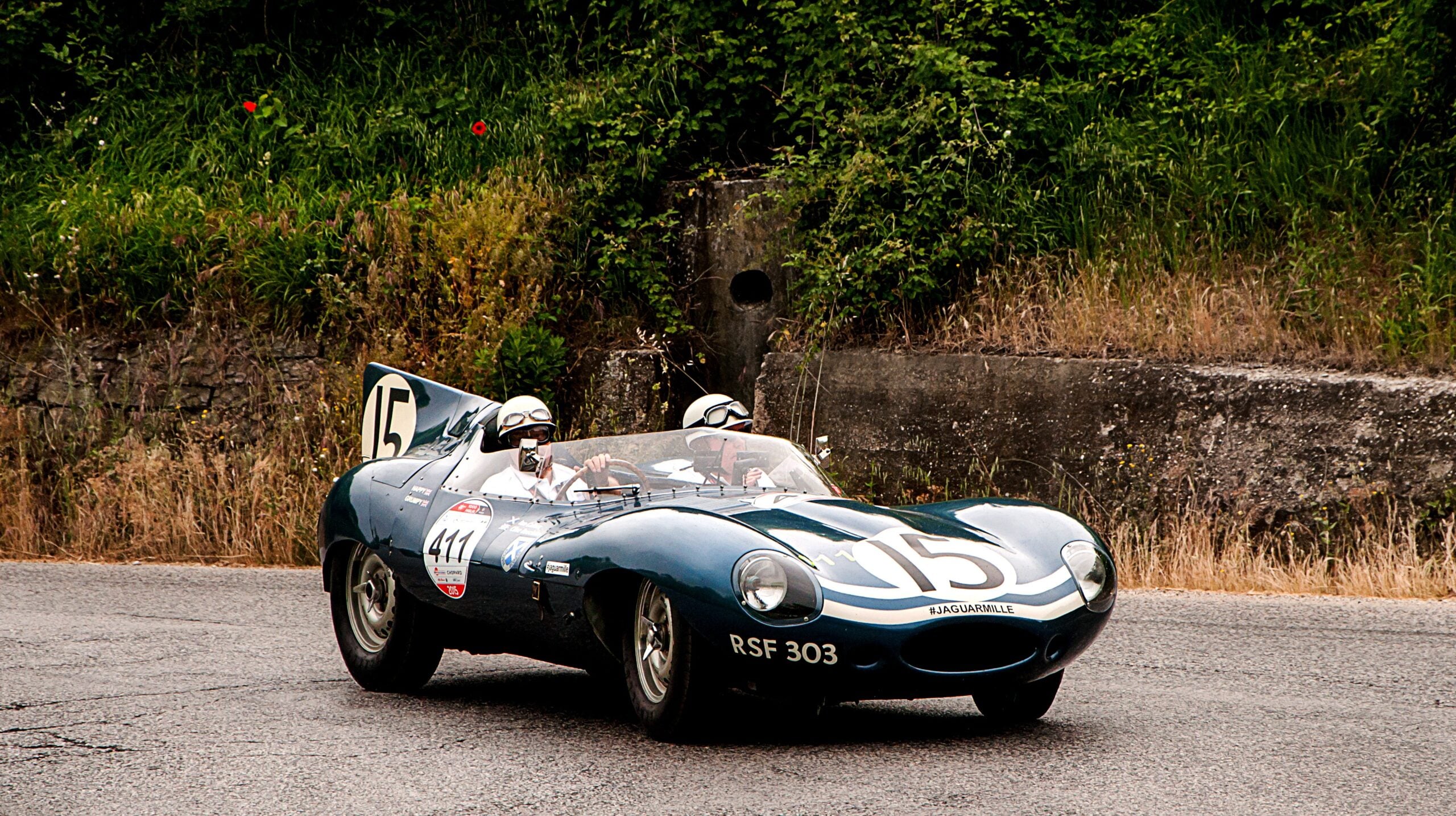
If the C-Type proved Jaguar could win races, the D-Type showed it could dominate them. Built from 1954 to 1957, it introduced advanced aerodynamics, a monocoque chassis, and that now-iconic vertical fin behind the driver, all of which made it one of the most beautiful and technically innovative cars of its era.
Powered by a 3.4-liter straight-six, later enlarged to 3.8 liters, the D-Type claimed three consecutive victories at Le Mans from 1955 to 1957. Its combination of sleek design and raw endurance cemented Jaguar’s reputation as a motorsport powerhouse.
The D-Type wasn’t just a race car; it was the blueprint for the road-going XKSS that followed and an enduring reminder that performance and elegance can share the same bodywork.
Jaguar Mark II
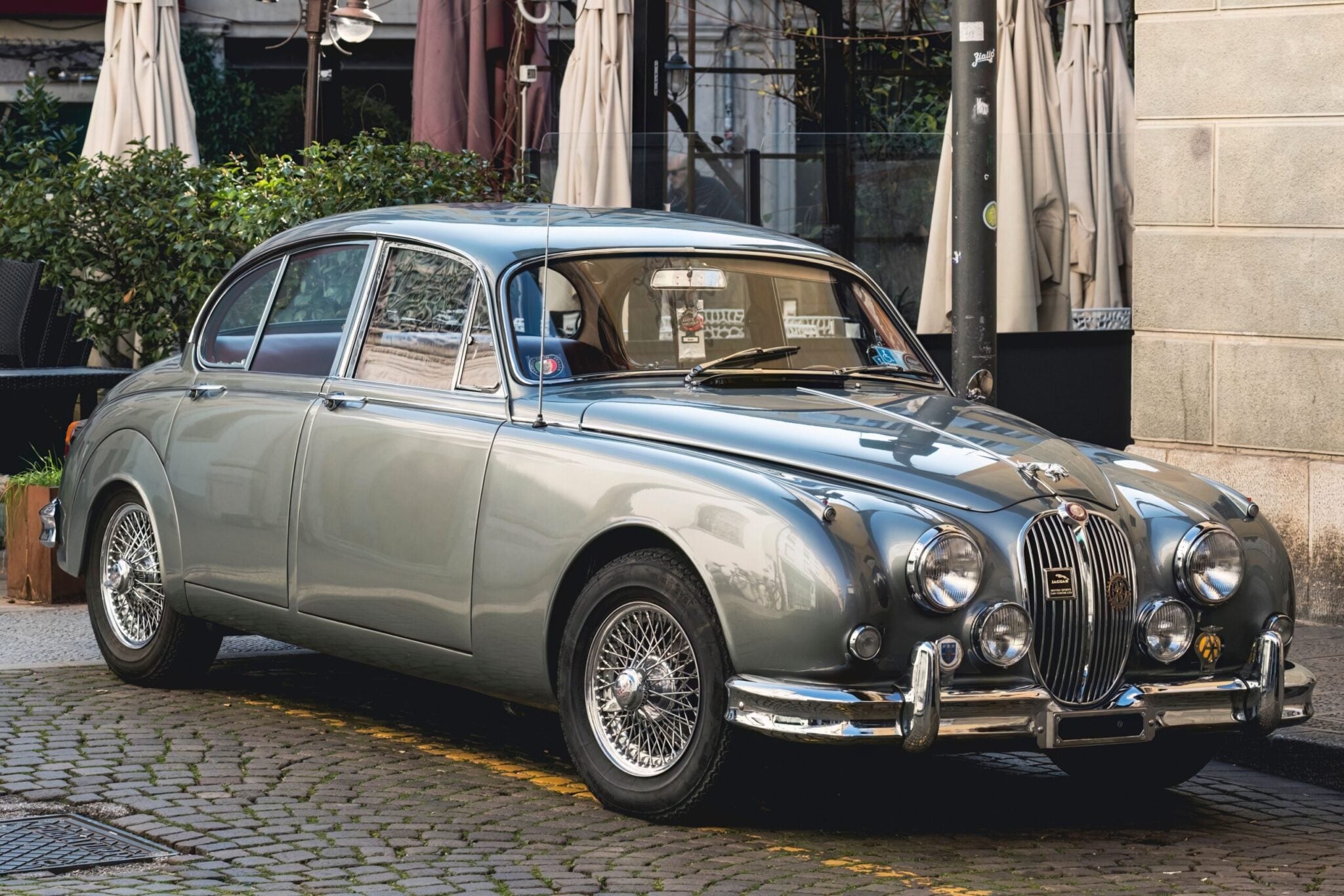
The Jaguar Mark II looked stunning, with elegant lines and a stylish and extravagant interior. With a 3.8-liter straight-six engine under its hood, it packed a serious punch, too.
In 3.8-liter form it was extremely quick for its day (period figures put it around the 125-mph mark), which helped fuel its notorious reputation, and it became associated in popular lore with both police fleets and criminals in that era.
Jaguar XKSS
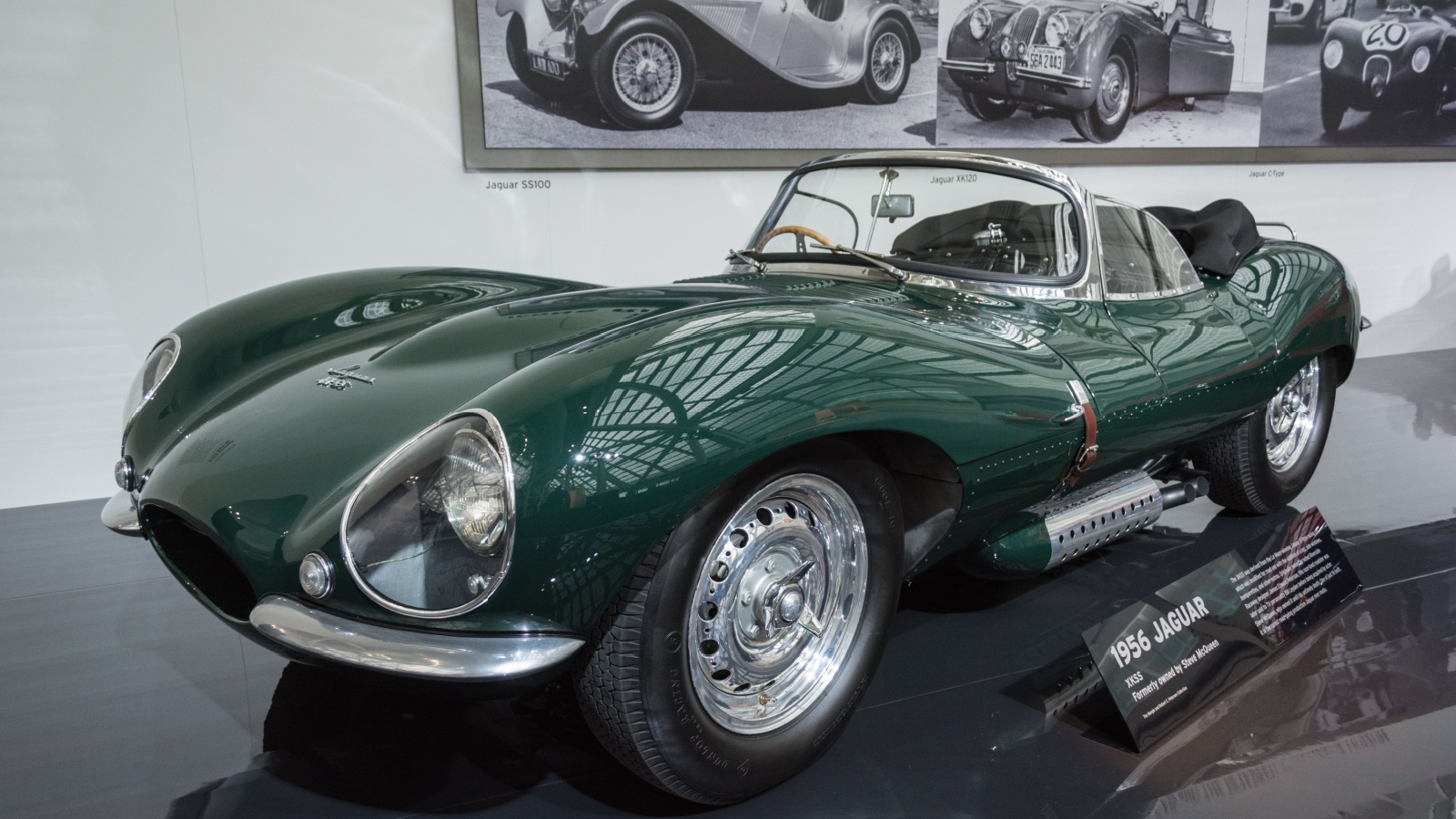
The Jaguar XKSS was a limited-production model that rolled off the assembly line in 1957. It was based on the D-Type race car, which won the Le Mans 24-hour race. The original XKSS was fitted with a road-adapted version of Jaguar’s XK straight-six closely related to the D-Type’s hardware but didn’t have the racer’s fin behind the driver. It did get some basic weather protection and a slightly more sophisticated interior.
Jaguar built 25 units of the XKSS, but nine were destroyed in a fire, leaving only 16. Jaguar later built nine “continuation” XKSS cars to complete the original intended run. They were priced at around £1 million each (roughly $1.2M–$1.3M at the time, depending on exchange rates) and were built to the exact same specifications as the original cars.
Jaguar E-Type
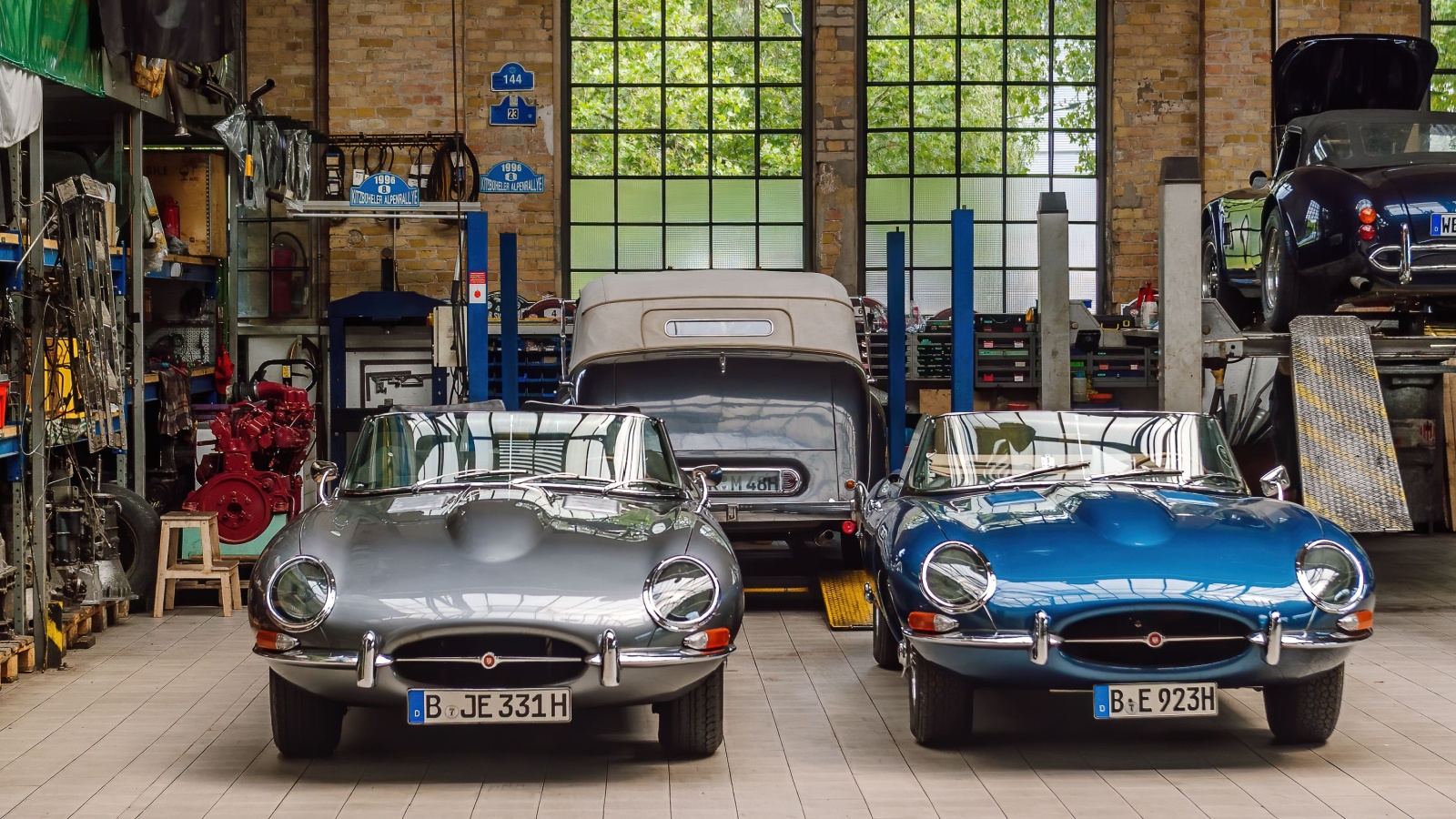
Most gearheads have heard that Enzo Ferrari called the E-Type the most beautiful car he’d ever seen. While we can’t confirm that it happened, it’s hard to disagree with that statement.
Jaguar built the E-Type from 1961 to 1975, spanning three generations in coupe and convertible form. The Series 1 cars are the most sought-after, thanks to their clean design. They were powered by a 3.8-liter straight-six engine, which was followed by a 4.2-liter straight-six and, finally, a 5.3-liter V12 in the Series 3 cars.
Jaguar XJ220
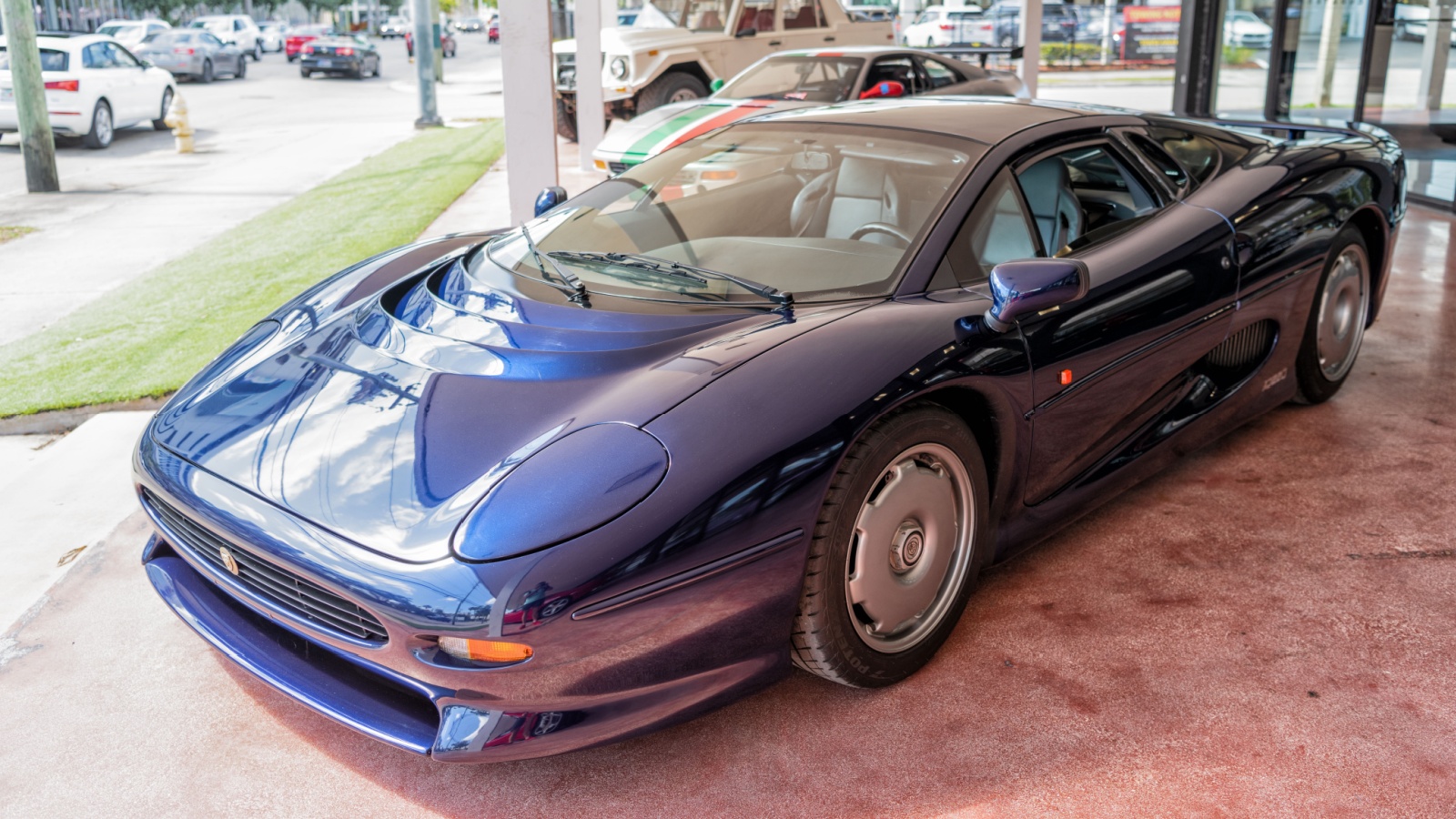
Jaguar introduced the XJ220 in 1992, and as amazing as it was, buyers were underwhelmed, as it wasn’t the car Jaguar had promised. It was supposed to be a V12-powered AWD supercar, but the final product had a turbocharged 3.5-liter V6 and RWD.
Still, it looked striking, and that engine produced a respectable 542 hp and 475 lb-ft, pushing the XJ220 to a top speed of 212.4 mph, and in period testing it was among the world’s fastest road cars, at one point even claiming the production-car top-speed crown.
Jaguar XJR-15
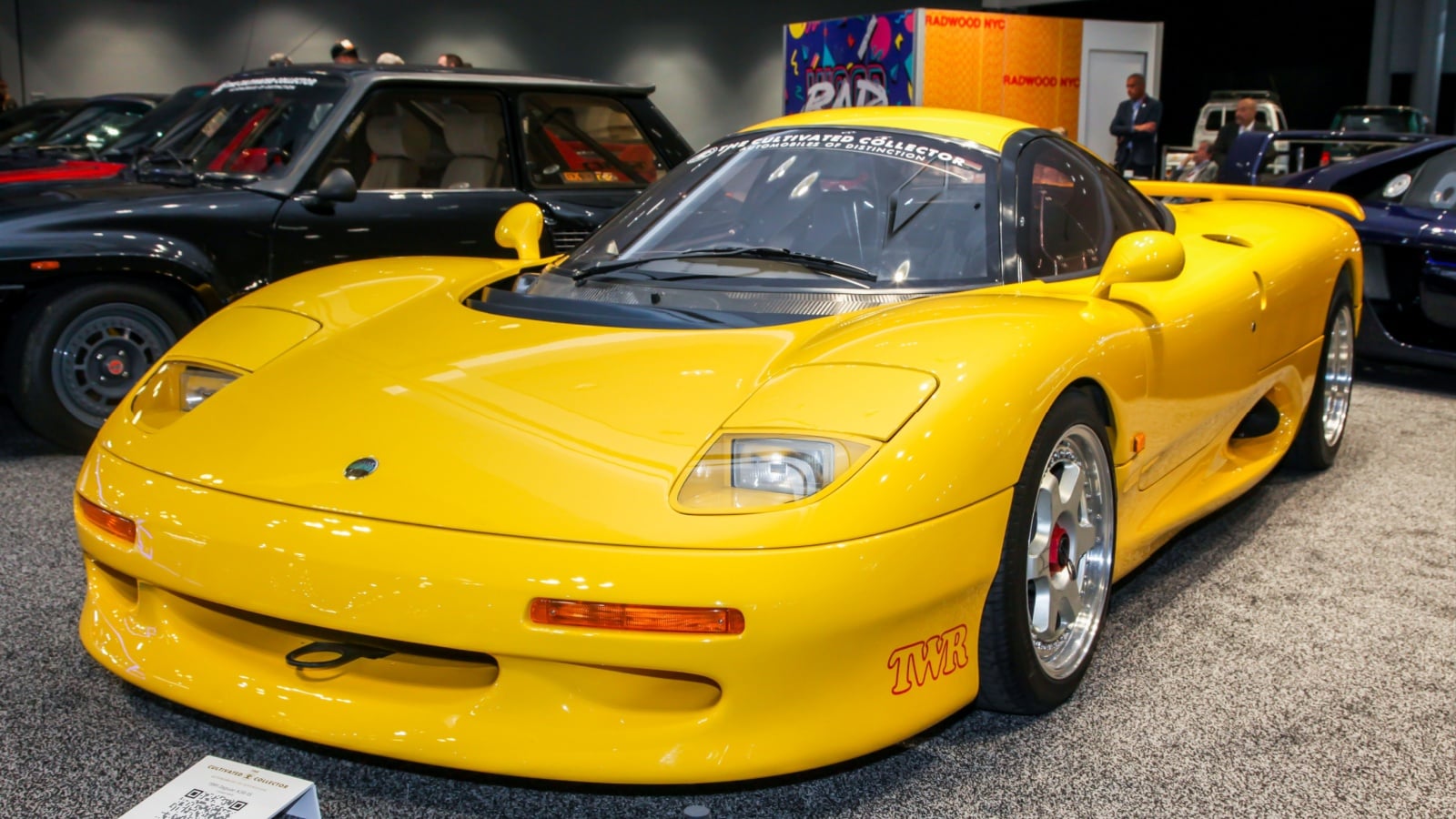
Before Jaguar built the XJ220, the much rarer XJR-15 was already available. Around 50-plus XJR-15s were built (figures vary slightly depending on how prototypes are counted), so it’s no wonder most car enthusiasts have never heard of it.
The XJR-15 is often cited as the first production road car with a carbon-fiber monocoque, and if you think it resembles a Le Mans racer, it’s because it’s mechanically based on the Le Mans-winning XJR-9, but with a taller and wider cockpit.
X358 Jaguar XJ
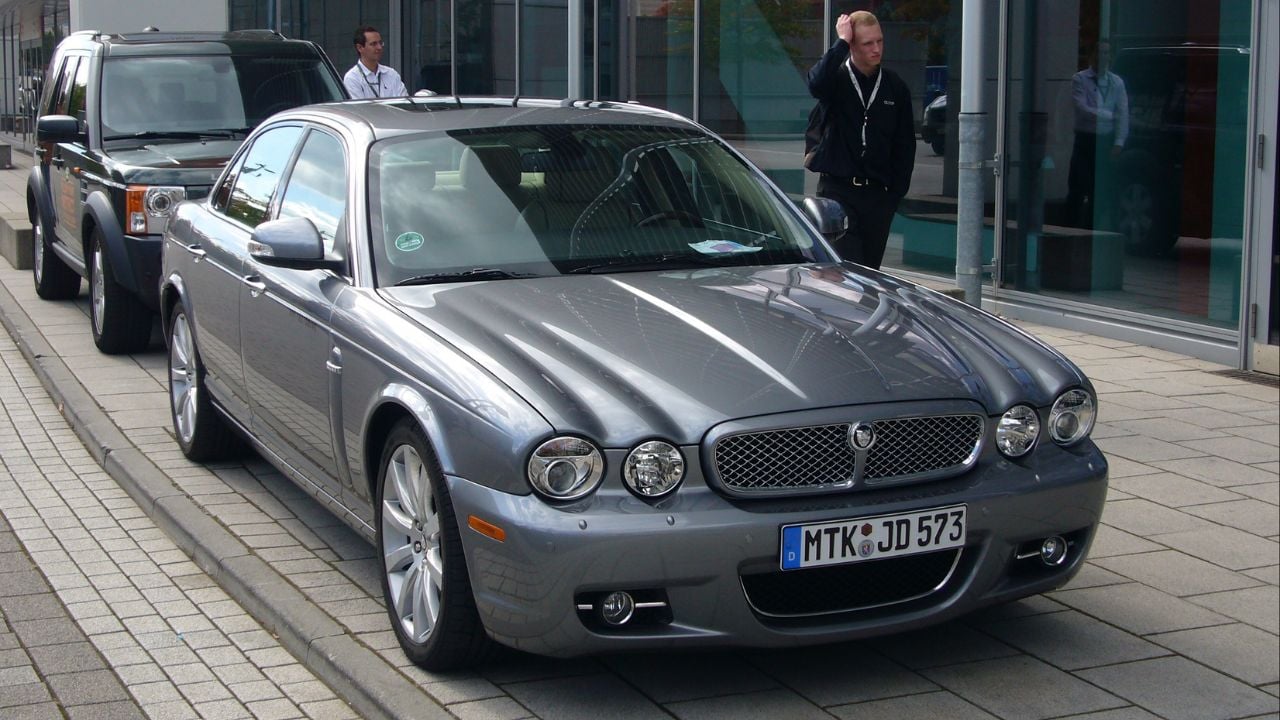
The Jaguar XJ from the mid-2000s is easily among the coolest luxury sedans ever made. It was now re-engineered and boasted a brand-new design, and in 2007, the XJ was given a facelift that made it look more sinister than ever.
It became a popular choice in executive fleets and among buyers who wanted a distinctive British alternative to German luxury sedans, making them all look like Bond villains as they arrived.
Jaguar XFR-S Sportbrake
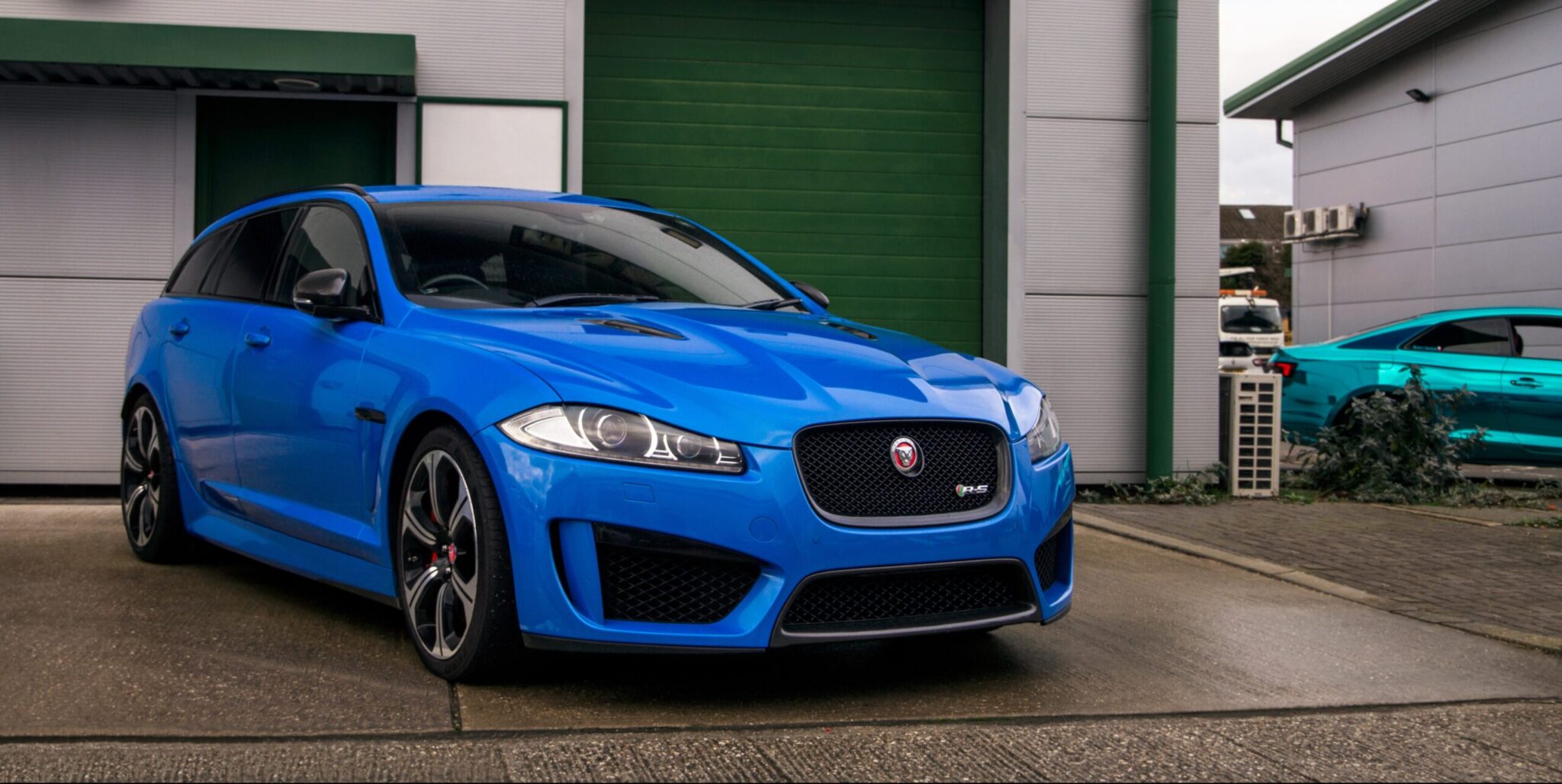
Something about fast station wagons makes them so much cooler than their less practical siblings. Jaguar took the already good-looking XF wagon and dropped in a massive 5.0-liter supercharged V8 to create the XFR-S Sportbrake.
With over 540 hp and an eight-speed gearbox, it could reach a top speed of 186 mph, giving it a higher quoted top-speed limiter than many contemporary performance wagons. If you ever need to cross a continent in style and comfort with tons of luggage, the XFR-S Sportbrake is the perfect vehicle.
Jaguar XKR-S
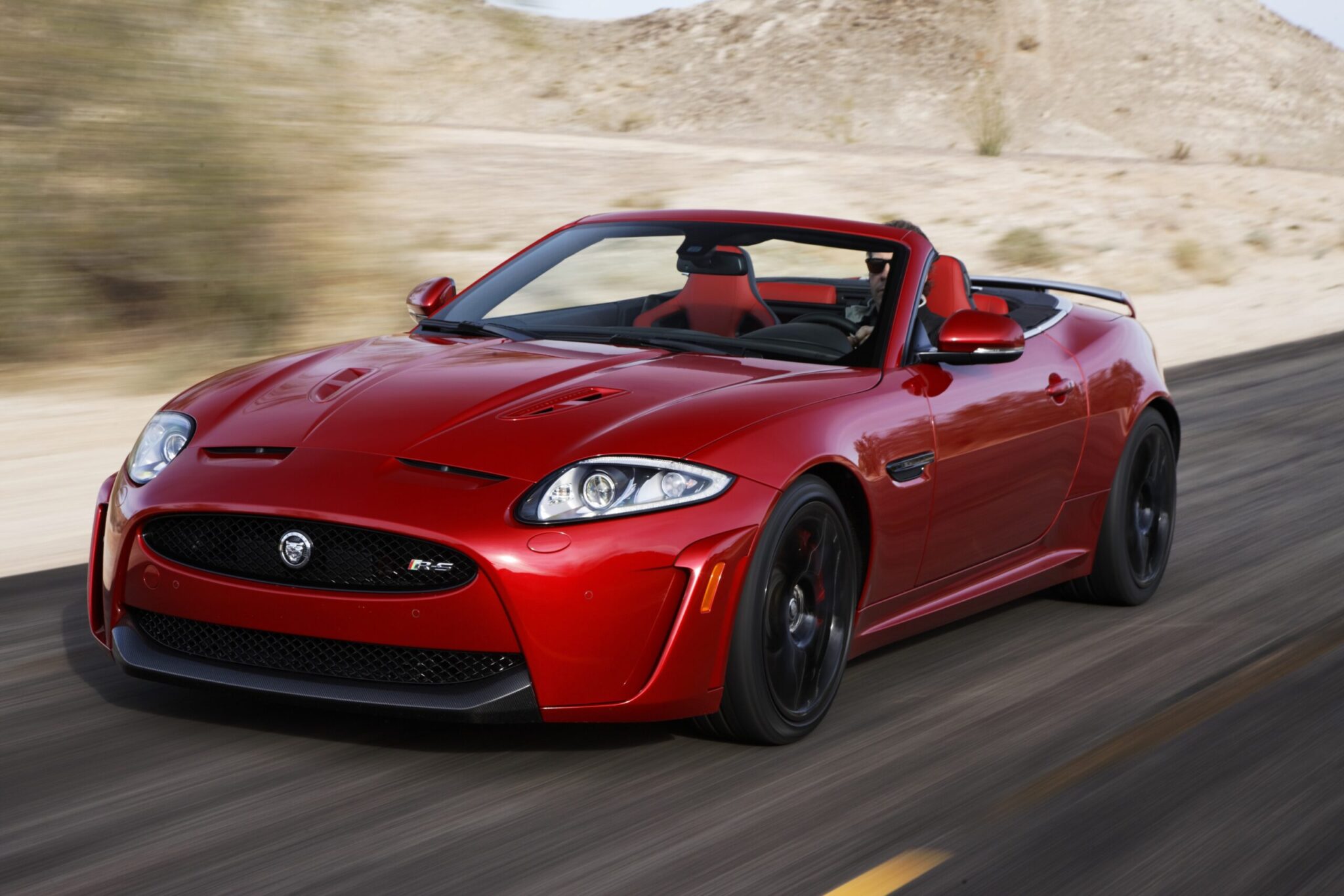
For years, Jaguar had suffered an image of making mildly performance-oriented luxury cars for middle-aged buyers, and the XKR-S signaled a move away from this.
With aggressive styling, air vents, and a wing, the XKR-S certainly looked the part. Thankfully, Jaguar ensured that what was under the hood would back up any statements made by the exterior. Its supercharged 5.0-liter V8 engine sent about 542 hp to the rear wheels.
Jaguar F-Type
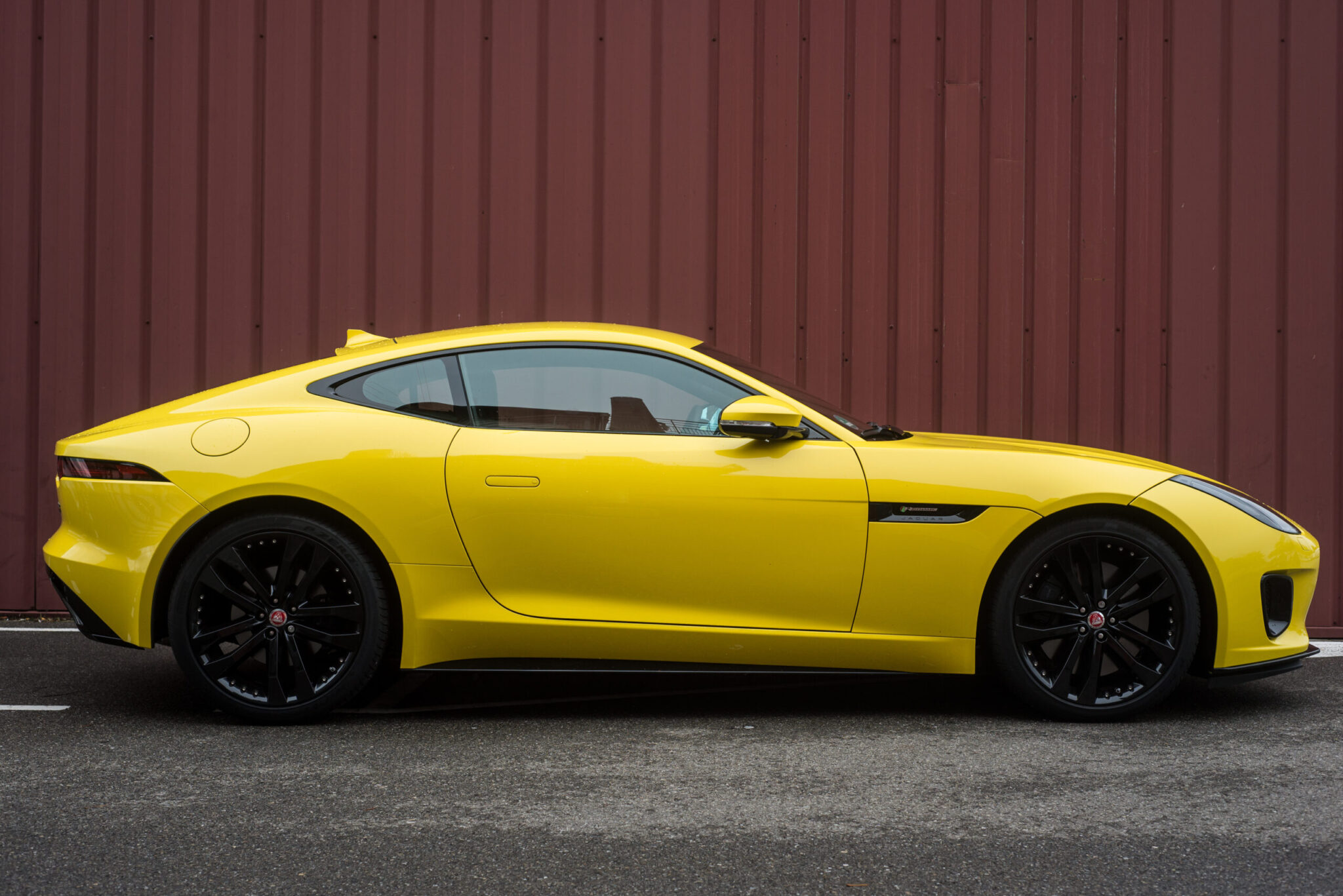
Jaguar unveiled the F-Type in 2012 and brought it to market shortly after, reviving the brand’s two-seat sports-car spirit.
Over its run, the F-Type was offered with a turbocharged four-cylinder, a supercharged V6, or a supercharged V8 depending on the year and market. In V8-spec, the F-Type sounded like a howling banshee armed with a machine gun when it was driven hard.
Purring Into the Sunset
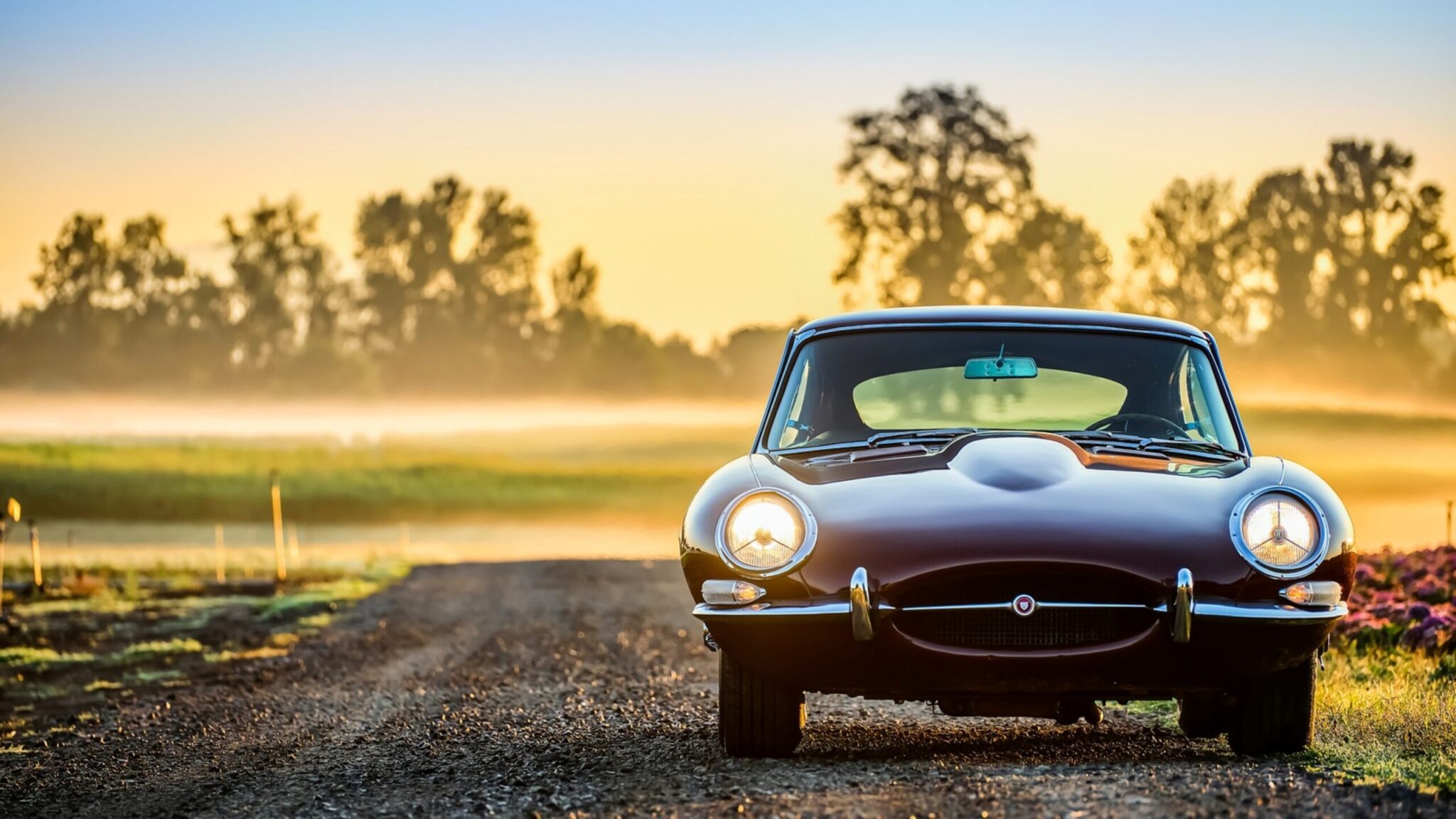
Jaguar has always been a storyteller on wheels. From the timeless elegance of the E-Type, often *attributed* to Enzo Ferrari as “the most beautiful car ever made,” to the futuristic flair of the Type 00 concept, Jaguar continues to blend heritage with innovation.
Whether you’re captivated by the classic curves of the XKSS or intrigued by the bold design of the latest electric models, there’s a Jaguar that speaks to every era and enthusiast. These cars aren’t just about getting from point A to B; they’re about the journey, the style, and the statement.
Got a favorite Jaguar that didn’t make the list? Share your top picks, and let’s celebrate the legacy of these iconic machines together.