Jaguar’s recent Type 00 concept sparked plenty of conversation among enthusiasts and industry watchers alike. The dramatic styling and bold marketing campaign generated passionate reactions across social media, with some observers noting the significant leadership changes (to put it nicely) that followed at the historic British brand.
But here’s the thing about Jaguar: this company has an incredible legacy that deserves celebrating. For decades, Jaguar built some of the most gorgeous, thrilling, and innovative cars to ever grace the road.
Before we look too far forward, let’s remind ourselves why Jaguar earned its legendary status in the first place. These twelve vehicles represent the best of what this iconic marque has given the automotive world.
Jaguar E-Type (1961-1974)

Enzo Ferrari called it the most beautiful car ever made, and honestly, who are we to argue with Enzo? The E-Type combined stunning looks with genuine performance, offering a 150 mph top speed when most cars struggled to hit 100.
With prices starting around $5,600 in 1961, it delivered exotic car performance for sports car money. The long hood, curving fenders, and that impossibly sleek profile made it an instant icon that still turns heads at every cars and coffee gathering.
Whether you prefer the Series 1’s purity or the Series 3’s V12 power, the E-Type represents Jaguar at its absolute peak.
Jaguar XK120 (1948-1954)

The XK120 arrived when the world desperately needed something beautiful, and Jaguar delivered in spectacular fashion. Named for its 120 mph top speed, it was the fastest production car in the world when it launched.
The flowing aluminum bodywork over an ash wood frame represented old-world craftsmanship meeting modern performance. Its 3.4-liter inline-six engine introduced the legendary XK engine that would power Jaguars for decades.
This wasn’t just a pretty face either — the XK120 proved its mettle by winning races and rallies throughout the early 1950s.
Jaguar XJ220 (1992-1994)
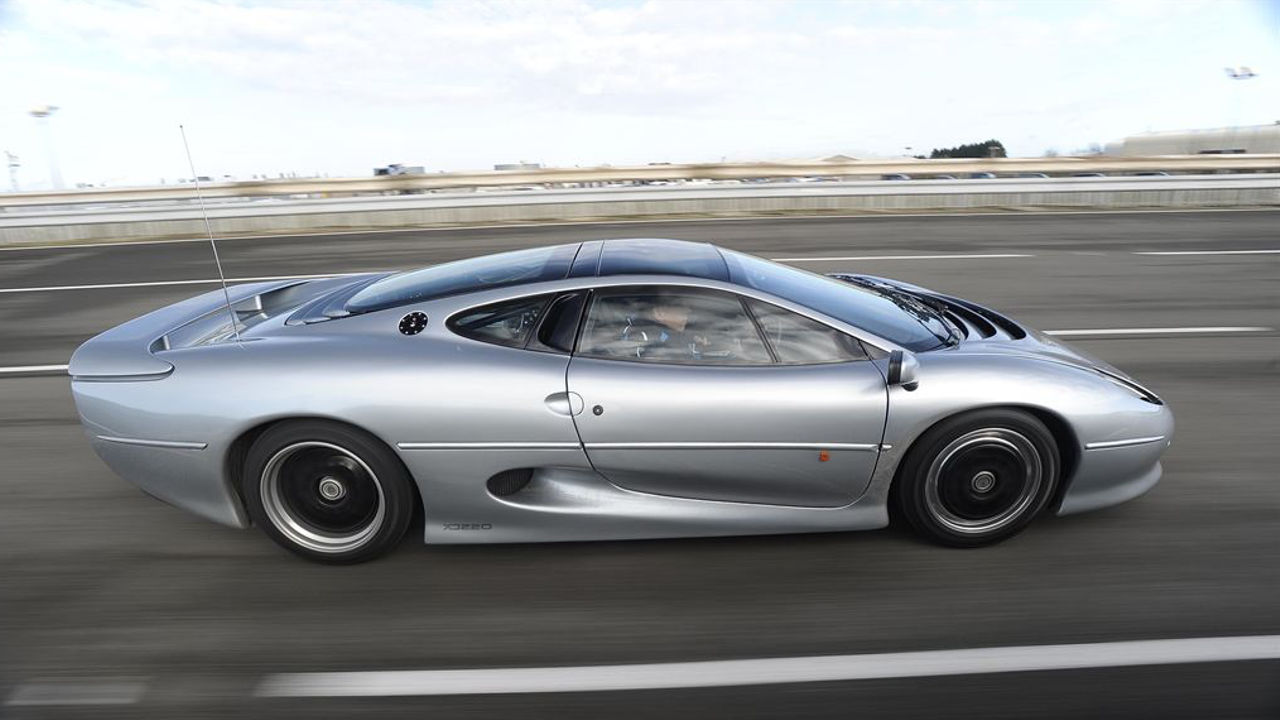
For a brief moment in the early 1990s, the XJ220 held the title of world’s fastest production car at 217 mph. This $650,000 supercar caused controversy when Jaguar switched from the promised V12 to a twin-turbo V6, but that 542-horsepower engine proved more than capable.
The design still looks aggressive and purposeful today, with massive intakes and a low, wide stance. Only 275 were built, making it one of the rarer supercars of its era.
While values initially dropped, collectors have recently recognized the XJ220 as a significant piece of automotive history.
Jaguar D-Type (1954-1957)
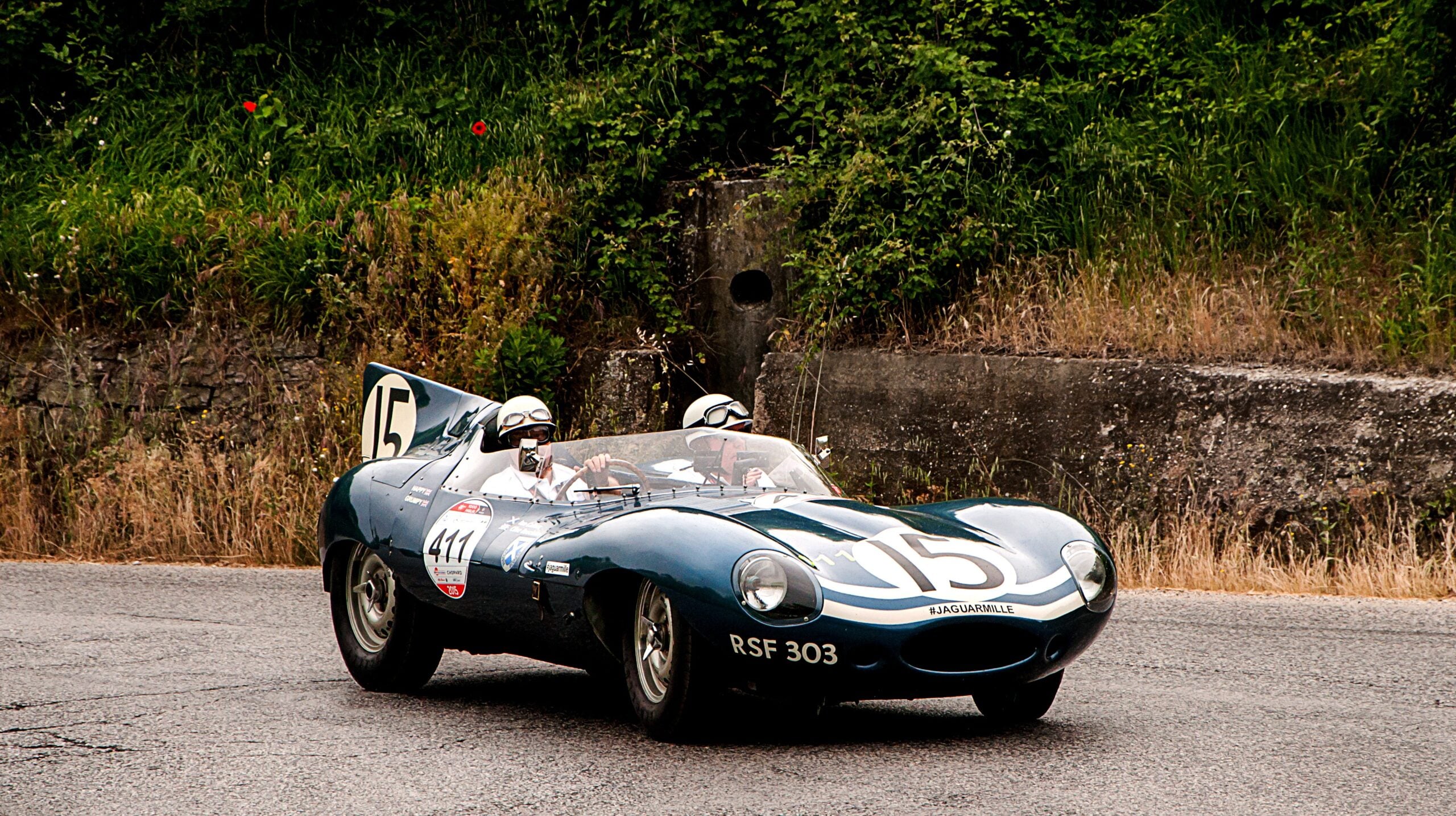
The D-Type was built for one purpose: winning at Le Mans, which it did three times in a row from 1955 to 1957. That distinctive headrest fairing wasn’t just for looks — it was an early example of aerodynamic engineering in racing.
Jaguar built around 75 examples, combining racing pedigree with incredible rarity. The 3.4-liter inline-six could push the D-Type past 170 mph on the Mulsanne Straight.
Today, these cars command millions at auction, representing the golden age of sports car racing when manufacturers actually competed directly.
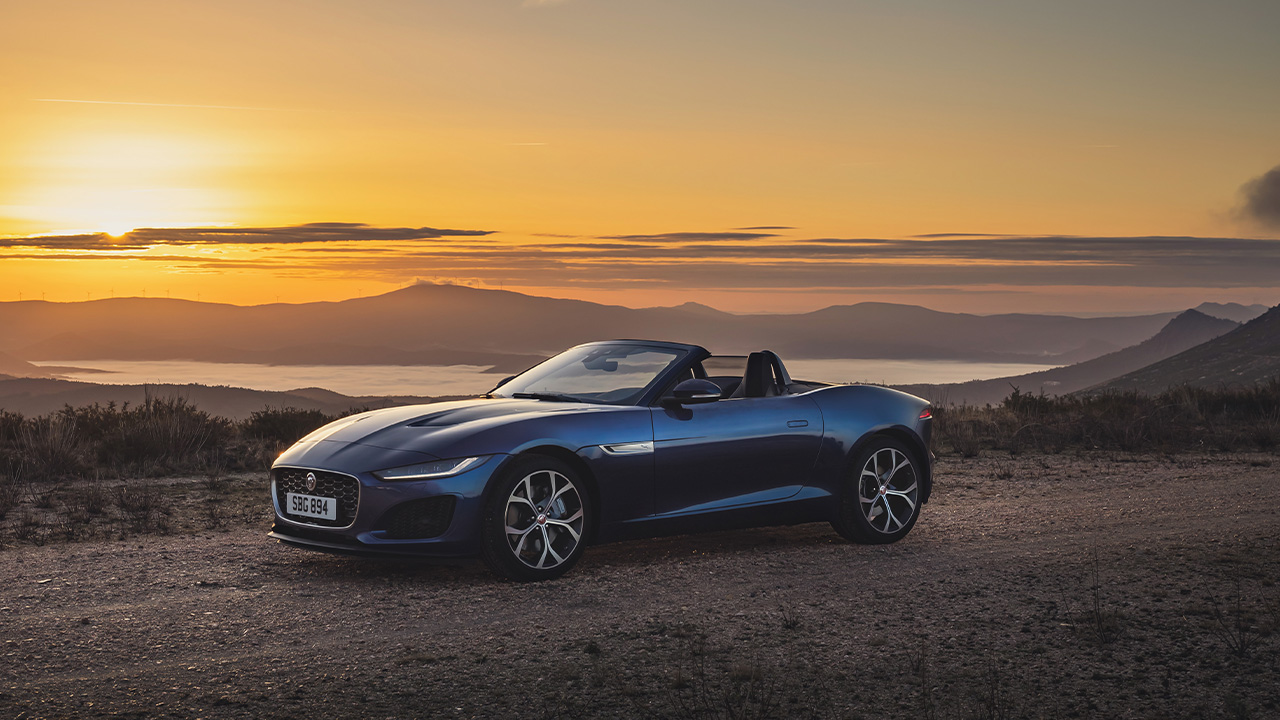
Jaguar F-Type (2013-2024)

After years of front-wheel-drive sedans and SUVs, Jaguar finally delivered a proper sports car to carry the torch from the E-Type. The F-Type brought back the visceral experience of driving a Jaguar, especially in supercharged V8 form with its theatrical exhaust note.
Design-wise, Ian Callum nailed it: the F-Type looks exotic from every angle yet unmistakably Jaguar. Starting prices around $70,000 made it accessible, while the F-Type R’s 575 horsepower satisfied speed junkies.
It proved Jaguar still knew how to build a driver’s car when they focused on the mission.
Jaguar XJ13 (1966)

The XJ13 represents one of motorsport’s great “what ifs” — a mid-engine Le Mans prototype that never raced. Jaguar built this stunning machine around a quad-cam V12 engine producing around 500 horsepower. The design influenced future Jaguars, particularly in the curvaceous bodywork and distinctive headlight treatment.
Only one was built, and it nearly disappeared when it crashed during a promotional film shoot in 1971. Fortunately, it was restored and now resides in Jaguar’s Heritage Collection, a reminder of the company’s ambitions during the 1960s.
Jaguar XJR-15 (1990-1992)
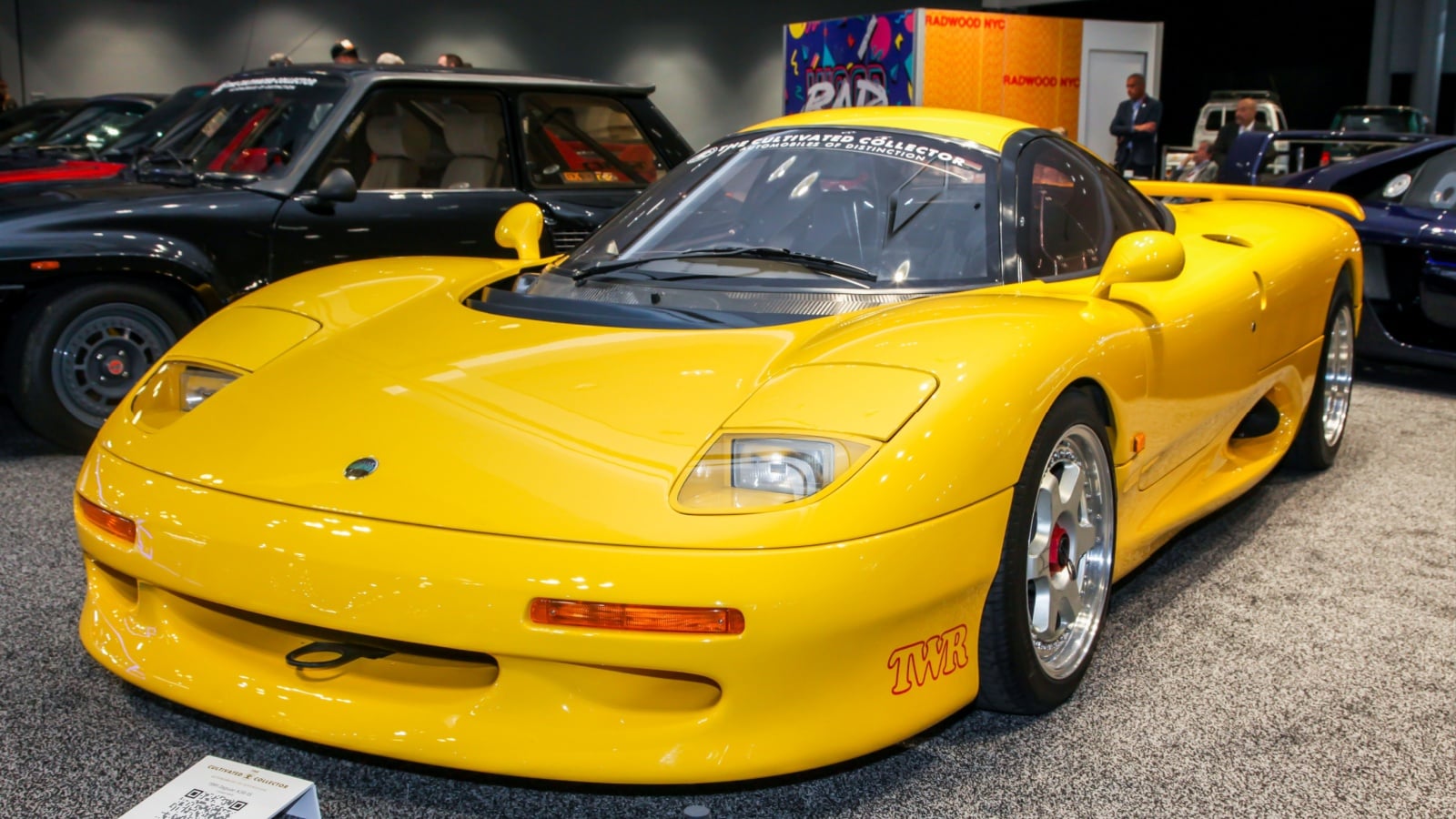
Built by Tom Walkinshaw Racing, the XJR-15 brought Group C racing technology to the road. This $960,000 track weapon used a carbon fiber monocoupe and a 450-horsepower 6.0-liter V12 derived from the Le Mans-winning XJR-9.
Only 53 were produced, and they came with a unique opportunity — buyers could race in a spec series supporting Formula 1 grands prix. The styling, penned by Peter Stevens, looked like nothing else on the road with its fighter jet canopy and aggressive aerodynamics.
This was Jaguar proving they could compete with established supercar makers on performance and exclusivity.
Jaguar Mk II (1959-1967)
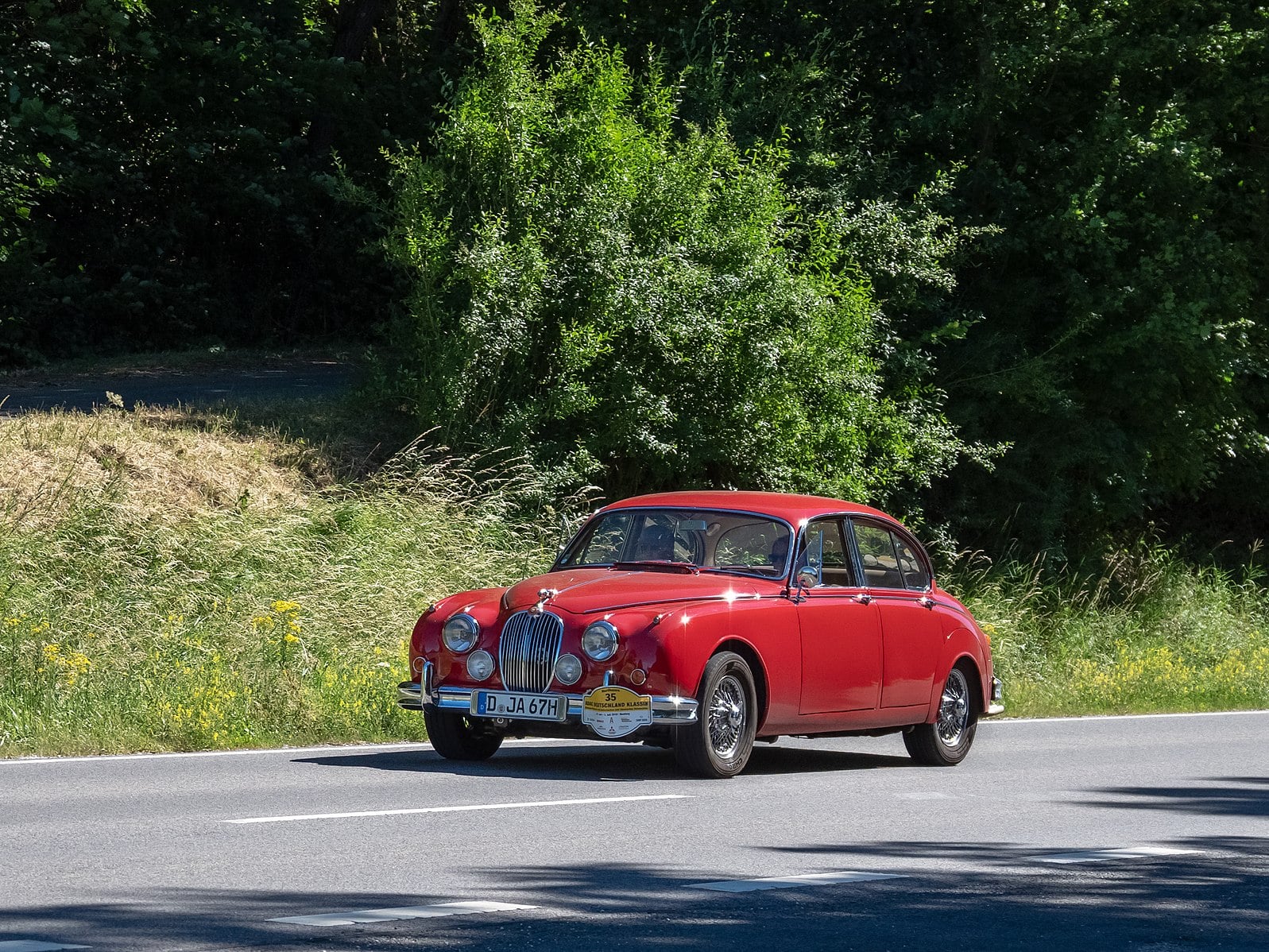
The Mk II became the quintessential British sports sedan, offering genuine four-door practicality with sporting credentials. Bank robbers loved them for their speed and agility, which tells you something about the performance.
Inspector Morse drove one in the beloved TV series, cementing its place in popular culture. The 3.8-liter version could hit 125 mph, making it one of the fastest sedans available.
With its chrome details, leather interior, and wood dashboard, the Mk II defined the sporting luxury sedan formula that Jaguar would refine for decades.
Jaguar C-Type (1951-1953)

The C-Type gave Jaguar its first Le Mans victory in 1951, establishing the company’s racing dominance. Jaguar produced only 53 examples, making it extremely rare and incredibly valuable today.
The aerodynamic body was revolutionary for its time, shaped specifically for high-speed stability at Le Mans. It introduced disc brakes to endurance racing, a technology that would transform automotive safety.
The C-Type proved that a small British manufacturer could beat the established racing powers through engineering innovation and bold design.
Jaguar XJ6 (1968-1973, Series I)

The original XJ6 redefined what a luxury sedan could be, combining ride quality that rivaled a Rolls-Royce with handling that embarrassed sports cars. Sir William Lyons designed it himself, and the elegant proportions still look right today.
That interior featured acres of leather and walnut veneer, creating an atmosphere of refinement. Starting around $6,600 in the US, it undercut competitors while matching or exceeding their capabilities.
The XJ6 established a template that Jaguar would follow for decades, proving luxury and sport didn’t have to be mutually exclusive.
Jaguar XJR-9 (1988-1989)
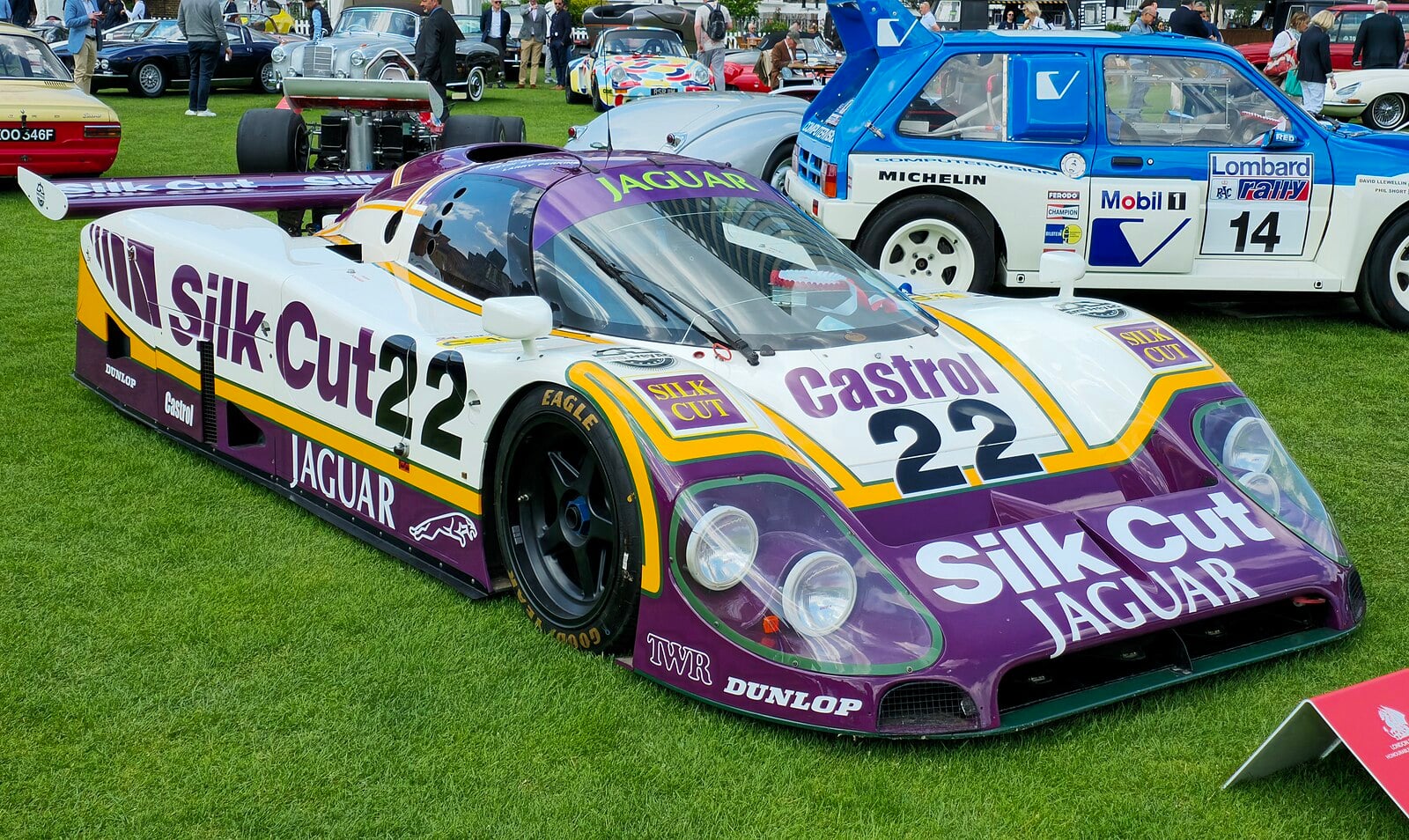
The XJR-9 brought Jaguar back to the top of endurance racing after years away, winning Le Mans in 1988. That 7.0-liter V12 produced over 700 horsepower in qualifying trim, creating an unforgettable sound.
The silk-cut purple livery became iconic, representing Jaguar’s racing resurgence during the Group C era. Drivers loved its balance and reliability, crucial factors in 24-hour racing.
This victory proved Jaguar still had the engineering chops to compete at the highest level of motorsport.
Jaguar XKR-S GT (2014-2015)

Jaguar built only 30 of these track-focused monsters for North America (25 for the US and 5 for Canada), and around 45 worldwide, making it one of the rarest modern Jaguars. The supercharged 5.0-liter V8 produced 550 horsepower, but the real magic was in the chassis tuning and aerodynamics.
With a massive carbon fiber rear wing and aggressive front splitter, it generated serious downforce. Starting at $174,000, it competed directly with Porsche’s GT3 on both price and capability.
The XKR-S GT represented Jaguar’s engineering team unleashed, building the car they’d always wanted without compromise.
Conclusion

Looking back through Jaguar’s greatest hits reminds us why this brand matters to enthusiasts. These cars weren’t just transportation — they were rolling art that happened to go incredibly fast.
From Le Mans victories to design masterpieces, Jaguar consistently pushed boundaries and took risks. The engineering innovation in these vehicles influenced the entire industry, from disc brakes to aerodynamics.
Whatever direction Jaguar takes next, this legacy provides a strong foundation worth building upon for future generations of car lovers.