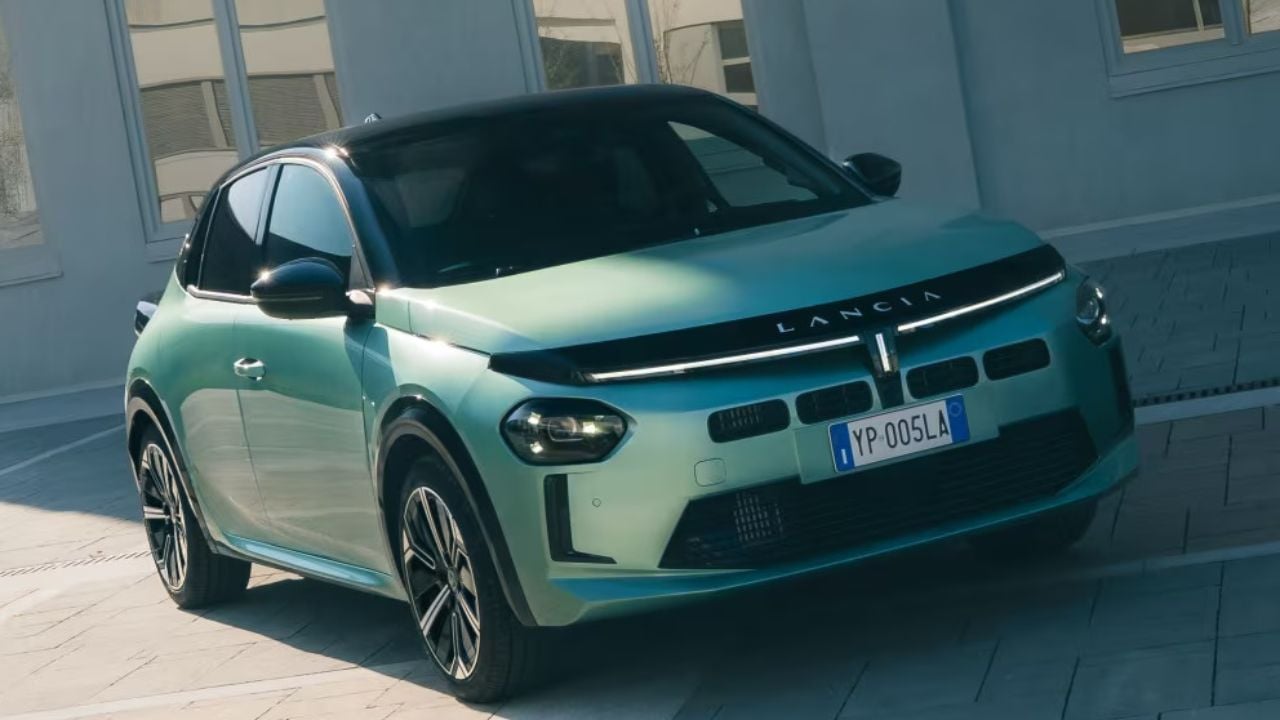
In a market that keeps pushing small cars toward electrification, automatic transmissions, and screen-heavy cabins, Lancia has chosen a very different answer for Italy. The new Ypsilon Turbo 100 is built around a simpler idea: give buyers a regular gasoline engine, a manual transmission, and the core features they actually use every day.
Lancia says this version came directly from customer feedback and from a close reading of the Italian market, where a meaningful share of drivers still prefers a manual gearbox and a non-electrified powertrain.
That makes the Ypsilon Turbo 100 more than a cheaper trim. It is a deliberate move toward buyers who still value simplicity, familiarity, and direct control behind the wheel.
For American readers, there is a useful lesson here. Sometimes the boldest move in today’s car business is choosing which technology to leave out, especially in a city car where weight, cost, and ease of use still matter most.
Built For Real Demand

Lancia officially launched the Ypsilon Turbo 100 in Italy as the newest piece of its multi-energy lineup. The range now includes a regular gasoline version, a mild hybrid, and a full EV, giving the brand three distinct answers for three different types of buyers.
The company has been unusually clear about why this model exists. It says the car was created in response to direct customer demand and to the realities of the Italian market, where non-electrified gasoline engines still hold a stable place in the city car segment.
That matters because this is not a nostalgia exercise. Lancia sees a real group of buyers who still want a straightforward small hatchback with a manual shifter and fewer complications, and the Turbo 100 is aimed directly at them.
A Manual Transmission Still Matters

One of the biggest talking points is the gearbox. The Ypsilon Turbo 100 comes only with a six-speed manual, and Lancia presents that as a feature rather than a compromise, describing it as the right fit for drivers who want a more direct and engaged feel.
That choice also helps separate this car from the rest of the segment. Many rivals have moved toward automatic-only powertrains, especially once hybrid systems enter the picture, but the Ypsilon Turbo 100 keeps the driving experience simple and familiar.
The standard equipment list also keeps the car from feeling stripped down. Base models include full LED automatic headlights, a 10.25-inch digital instrument display, a 10.25-inch touchscreen, wireless Apple CarPlay and Android Auto, automatic climate control, cruise control, lane keep assist, traffic sign recognition, intelligent speed assistance, and automatic emergency braking.
Small Engine, Straightforward Mission

Under the hood is a turbocharged 73 cubic inch three-cylinder gasoline engine making about 100 HP and 151 lb ft of torque, paired with that six-speed manual transmission. Lancia says the variable geometry turbocharger helps improve low-rpm response, which fits the car’s everyday city and suburban mission.
The company also says durability was a major focus during development. According to Lancia, the engine program included more than 30,000 hours of bench testing and more than 1.86 million miles on prototype vehicles, with service intervals set at about 15,500 miles or two years.
That tells you a lot about where this model sits in the range. This is not a warm hatch pretending to be something sharper. It is a practical small car designed to be easy to buy, easy to understand, and easy to live with over time.
Affordable Without Feeling Empty
Price is one of the strongest parts of the pitch. In Italy, the Ypsilon Turbo 100 starts at about $26,200 before special offers, while Lancia’s current launch deal brings the entry point down to about $18,800. Better-equipped LX and HF Line versions start at about $22,200 under the same promotional structure.
Buyers who still want an automatic can step into the hybrid range at about $23,400, while the electric Ypsilon opens at about $25,900. That gives the Turbo 100 a clear role as the most accessible way into the new Ypsilon family.
There is also a performance-flavored backdrop to the launch. Lancia Corse claimed a world-level rally win in Croatia this month, giving the Ypsilon name a timely motorsport boost as the road car lineup continues to expand. In a market filled with increasingly complicated answers, the Ypsilon Turbo 100 stands out by being simple, affordable, and unapologetically driver-focused.
This article originally appeared on Autorepublika.com and has been republished with permission by Guessing Headlights. AI-assisted translation was used, followed by human editing and review.