
After two dozen sailings, the pattern is oddly consistent: most problems do not start at sea. They start weeks earlier with one small assumption that snowballs into stress at the terminal, missed plans in port, or surprise charges by day two.
A ship can feel like an easy button because lodging, transport, and food are bundled. That convenience is real, but only if you treat the trip like a system with rules, timelines, and a moving departure you cannot pause. Here are the seven slip-ups I see most often, plus the fixes that keep everything smooth.
1. Flying in on Departure Day

Same-day flights look efficient on paper, but a delay turns them into a gamble. Cruise lines also run hard cutoffs for boarding and final checks, and if you arrive too late, you can be denied embarkation. MSC notes that check-in and boarding close 2 hours before the ship’s departure, which is exactly why a “tight” flight plan can fall apart fast. Even when you make it, you start the vacation already fried.
Arriving the day before gives you breathing room and protects the whole itinerary. Pick a hotel near the port, plan a simple dinner, and keep your morning calm. That single buffer night is the cheapest stress-reduction tool in travel.
2. Picking a Cabin Without Thinking About Noise and Motion
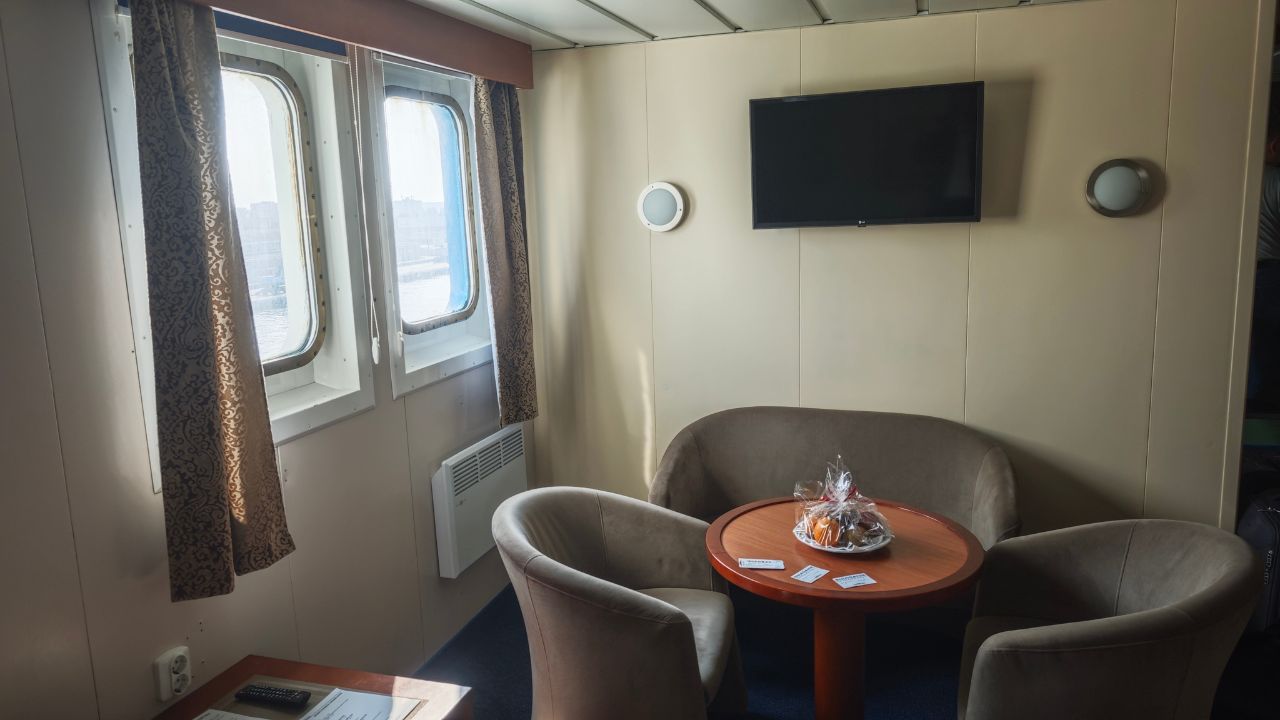
People choose a room based on price or a pretty deck plan, then discover what sits above or below them. A spot under a pool deck, nightclub, or busy public area can mean footsteps, dragging chairs, and early-morning clatter. Another common surprise is how much movement you feel in certain locations during rougher seas.
Midship and lower decks usually feel steadier, which helps if anyone gets queasy. Light sleepers should avoid areas near elevators, stairwells, or late-night venues. If a view matters, a balcony is great, but comfort is what makes you enjoy it.
3. Skimming the Fine Print on Fares and What Is Not Included

Many travelers assume “all-inclusive” means everything is covered, then get hit with onboard costs they did not budget for. Specialty dining, Wi-Fi, drinks, and service charges can change the final total fast. Even the “best deal” rate can come with tighter cancellation rules.
Before paying, compare the bundled options against what you will actually use. If you do not drink much, a beverage package may be wasted money, while a Wi-Fi plan might matter daily. Reading the terms once beats arguing with a policy later.
4. Waiting Too Long To Handle Check-In, Documents, and Name Details

The easiest way to derail embarkation is a mismatch between your booking and your passport. A missing middle name, a typo, or an expired document can turn a routine check into a long line of problem-solving. Some itineraries also involve visa rules that surprise people because the ship visits multiple jurisdictions.
Handle the admin early, then stop thinking about it. Complete online check-in as soon as it opens, upload what is required, and carry printed backups in case your phone dies. If anything looks off, fix it with the line before you reach the terminal.
5. Packing Like It Is a Resort Stay, Not a Moving Schedule

Overpacking is common, and it creates friction all week. Big suitcases mean cramped storage, slower unpacking, and more time spent hunting for basics. People also forget that checked bags may arrive after sailaway, so they are stuck without essentials for hours.
Pack a carry-on with meds, chargers, a change of clothes, and anything you cannot replace quickly. Keep shoes practical for stairs and long piers, not just photos. If you want to look sharp at dinner, plan outfits that mix easily rather than bringing a separate look for every night.
6. Treating Port Days Casually, Then Losing Time or Missing the Ship

Ports feel flexible until you realize the ship runs on ship time, which can differ from local time. Travelers wander, shop, or take a long lunch and forget the all-aboard time is earlier than they assumed. The worst version is returning late from a third-party tour with no cushion. Royal Caribbean notes the ship will not wait for guests “faring on their own”, which is exactly why buffer time matters.
Build the day around the latest return time, not around optimism. Use the ship’s app or daily program to confirm the schedule, then aim to be back well before the cutoff. When booking independent excursions, choose operators with a strong track record and keep transport plans simple.
7. Ignoring Small Health and Comfort Prep Until It Becomes a Problem

Seasickness, dehydration, sun exposure, and poor sleep are the quiet trip-ruiners. People wait until they feel awful, then try to fix it with a rushed visit to the shop onboard. Another frequent issue is skipping dining or show reservations and discovering the popular times are gone.
Bring what you know you might need, especially motion remedies, basics for headaches, and a few first-aid staples. Hydrate early, use sunscreen in port, and treat sleep like part of the itinerary. A few minutes of planning on day one can make the rest of the week feel effortless.