The automotive industry has always been ruthless about separating the winners from the also-rans. While we’re busy arguing about whether modern cars have too many screens, it’s worth remembering the brands that shaped our roads and then vanished into history.
These companies may have failed, but many of them created genuinely legendary vehicles that still turn heads at car shows today. From budget-friendly workhorses to luxury cruisers that rivaled Cadillac, these departed automakers left behind metal memories that refuse to be forgotten.
Let’s take a look at some of the most iconic cars from brands that exist now only in our rearviews and our imaginations.
AMC Javelin

American Motors Corporation might have been the scrappy underdog of Detroit, but the Javelin proved they could throw punches with the best of them. This pony car took on the Mustang and Camaro with aggressive styling that looked like it was doing 60 mph while standing still.
The 1971-1974 second generation featured some of the boldest design work of the muscle car era, with a front end that seemed to be perpetually angry about something. AMC even campaigned the Javelin successfully in Trans-Am racing, where Mark Donohue piloted one to the 1971 championship.
While AMC folded in 1988, the Javelin remains proof that you don’t need the biggest budget to build a car with serious attitude.
Pontiac GTO

The car that essentially invented the muscle car genre deserves all the respect it gets and then some. Pontiac’s engineers basically stuffed a big-block V8 into a mid-size Tempest and created a formula that would define an entire era of American performance.
The 1964-1967 models are the holy grail for collectors, with their stacked headlights and hood-mounted tachometer becoming automotive icons. By 1968, the GTO got its own body style and continued dominating both the streets and drag strips across America.
Pontiac’s demise in 2010 was painful for enthusiasts, but the GTO’s legacy as the original muscle car remains untouchable.
Studebaker Avanti

The Avanti looked like it was beamed down from the future, which is exactly what Studebaker needed in 1962. Designer Raymond Loewy created a fiberglass-bodied sports coupe that was decades ahead of its time, with a wedge profile and aircraft-inspired details that still look modern today.
This thing could hit 60 mph in under 8 seconds thanks to its supercharged V8, making it a legitimate performance machine and not just a pretty face. The Avanti even set 29 speed records at Bonneville Salt Flats, proving Studebaker could still compete when they wanted to.
Though Studebaker closed its doors in 1966, the Avanti design lived on through various independent manufacturers who clearly couldn’t let it die.
Plymouth Barracuda

Here’s a fun fact: the Barracuda actually beat the Mustang to market by a few weeks, though Ford gets all the credit for creating the pony car segment. The early fish-backed models were distinctive if a bit awkward, but when Plymouth unleashed the third generation in 1970, they created an absolute masterpiece.
The 1970-1974 ‘Cuda, especially with the Hemi or 440 Six Pack engines, is now one of the most valuable muscle cars on the planet. Those aggressive proportions, shaker hood scoops, and colors like Plum Crazy and Lime Light made these cars impossible to ignore.
Plymouth disappeared in 2001, but ‘Cudas remain dream cars that sell for six and seven figures at auction.
Oldsmobile 442

Oldsmobile’s answer to the GTO proved that your grandpa’s car brand could build something genuinely thrilling. The 442 name originally stood for four-barrel carburetor, four-speed transmission, and dual exhausts — a recipe that delivered serious performance wrapped in upscale styling.
The 1968-1972 models are particularly coveted, with their Rocket V8 engines producing tire-shredding torque and a soundtrack that could wake the dead. Unlike some muscle cars that were all brawn and no brains, the 442 offered a more refined driving experience without sacrificing straight-line speed.
General Motors shuttered Oldsmobile in 2004, ending 107 years of history and leaving the 442 as one of the brand’s greatest hits.
Saturn Sky

Saturn’s sports car experiment proved that even brands known for practical economy cars could surprise us. The Sky shared its platform with the Pontiac Solstice, but many enthusiasts actually preferred its cleaner, more European-inspired styling.
The turbocharged Red Line version pumped out 260 horsepower and could hit 60 mph in around 5 seconds, which was genuinely impressive for an affordable roadster. With its near-perfect weight distribution and nimble handling, the Sky was everything a weekend sports car should be.
Saturn’s end in 2010 during GM’s restructuring meant the Sky barely had time to prove itself, leaving us wondering what could have been.
DeSoto Adventurer
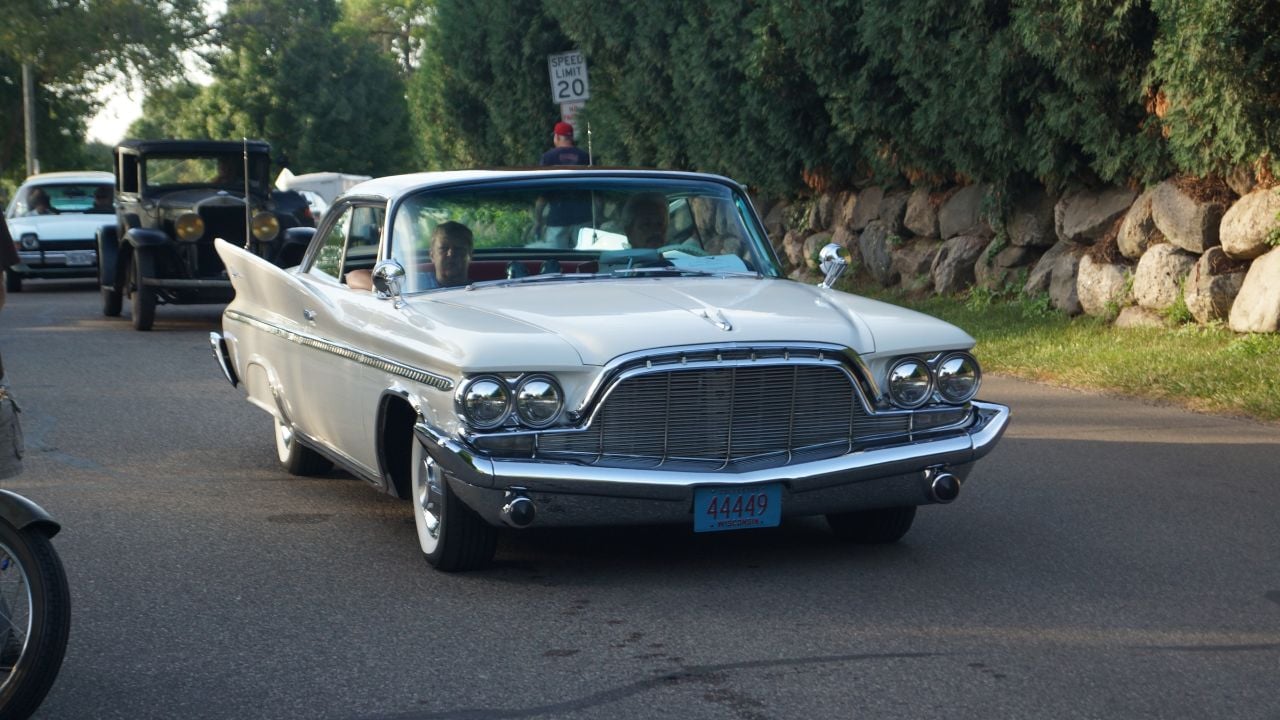
DeSoto’s flagship performance model embodied the excess and optimism of 1950s America in the best possible way. The Adventurer came loaded with chrome, tail fins that could double as weapons, and powerful Hemi V8 engines that made it one of the fastest production cars of its era.
The 1956 model was particularly significant as DeSoto’s first high-performance offering, with gold-anodized trim that screamed luxury and speed simultaneously. These cars were rolling sculptures that happened to go really fast, representing an era when American automakers weren’t afraid to be bold. DeSoto vanished in 1961 as Chrysler consolidated its brands, but the Adventurer remains a stunning example of fifties excess done right.
Mercury Cougar

Ford’s Mercury division positioned the Cougar as a more upscale alternative to the Mustang, and for a while, that strategy worked brilliantly. The first-generation 1967-1970 models featured hidden headlights, sequential turn signals, and a longer, more luxurious body that gave it genuine distinction.
These cats had real teeth too, especially in XR-7 GT-E trim with the 427 or 428 Cobra Jet engines under the hood. The Cougar successfully walked the line between muscle car performance and personal luxury coupe refinement for decades.
Mercury’s discontinuation in 2011 ended a 72-year run, but those early Cougars remain some of the coolest cats to ever prowl American roads.
Hummer H1
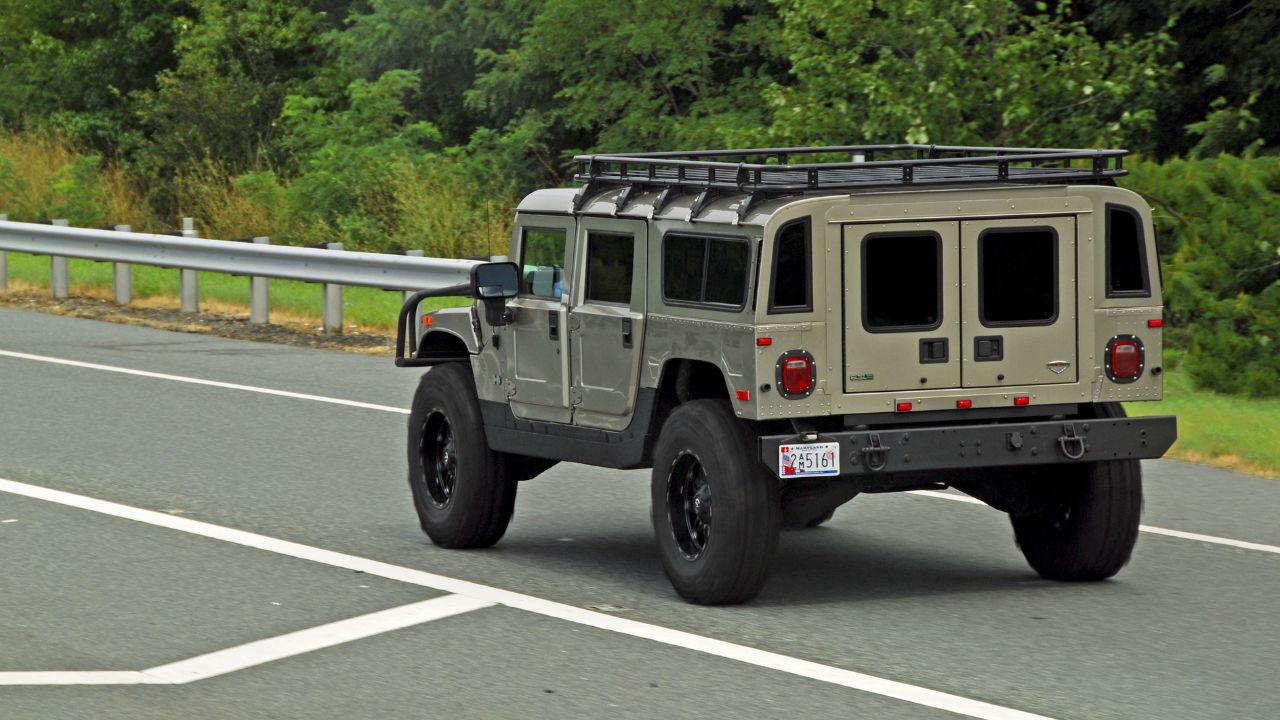
Love it or hate it, there’s no denying the H1’s impact on automotive culture and its military-derived presence. This civilian version of the military Humvee brought actual battlefield capability to suburban driveways, complete with portal axles and the ability to ford 30 inches of water.
At nearly seven feet wide and weighing over 7,000 pounds, the H1 made every other SUV look like a toy. It got terrible gas mileage, was difficult to park, and cost as much as a luxury sedan, yet people absolutely loved the unapologetic attitude.
General Motors discontinued the Hummer brand in 2010, but the H1 remains the ultimate expression of automotive excess and capability.
Saab 900 Turbo

Swedish engineering at its quirky, turbocharged best, the 900 Turbo became the thinking person’s sports sedan. Saab’s approach to performance was distinctly different from German competitors, emphasizing torque, safety, and clever design over raw horsepower numbers.
The distinctive wraparound windshield, ignition key between the seats, and turbo boost that hit like a wave made these cars uniquely engaging to drive. Engineers and architects seemed to buy these things by the truckload, appreciating the unconventional thinking that went into every detail.
Saab’s collapse in 2011 was painful for enthusiasts who appreciated cars that dared to be different, and the 900 Turbo exemplified that independent spirit.
Pontiac Fiero

America’s first mass-produced mid-engine sports car was more ambitious than its reputation sometimes suggests. The Fiero arrived with plastic body panels, a space-frame chassis, and fuel-efficient four-cylinder power that disappointed performance enthusiasts initially.
However, the 1988 model year finally delivered what everyone wanted: revised suspension geometry, better interior quality, and an optional V6 that made it genuinely fun to drive. Just as Pontiac got the formula right, they pulled the plug on the whole program for financial reasons.
The Fiero proved American companies could think outside the box, even if corporate politics sometimes got in the way of greatness.
Tucker 48

Only 51 were ever built, making the Tucker 48 one of the rarest and most fascinating automobiles in early American automotive history. Preston Tucker’s vision included features like a rear-mounted engine, advanced safety design, and a third center headlight that turned with the steering wheel. He even explored disc brakes and fuel injection, though those never reached the 51 production cars.
The Tucker’s aerodynamic design and innovative safety features threatened established automakers who weren’t ready for such forward thinking. Financial difficulties and alleged political interference killed the company after just one production year.
Despite its brief existence, the Tucker 48 represents pure automotive ambition and the spirit of innovation that occasionally gets crushed by reality.
Conclusion

These departed brands and their greatest hits remind us that the automotive landscape is constantly evolving, sometimes in unexpected directions. What’s particularly fascinating is how many of these vehicles were genuinely ahead of their time, from the Avanti’s timeless design to Tucker’s safety innovations that became industry standard decades later.
While we can’t bring these manufacturers back, we can appreciate how their iconic models influenced everything that came after. The good news is that most of these classics can still be found at car shows and enthusiast gatherings, where their stories continue inspiring new generations of gearheads.
Sometimes the best way to understand where we’re going is to remember where we’ve been — and these unforgettable machines from defunct brands are perfect teachers.