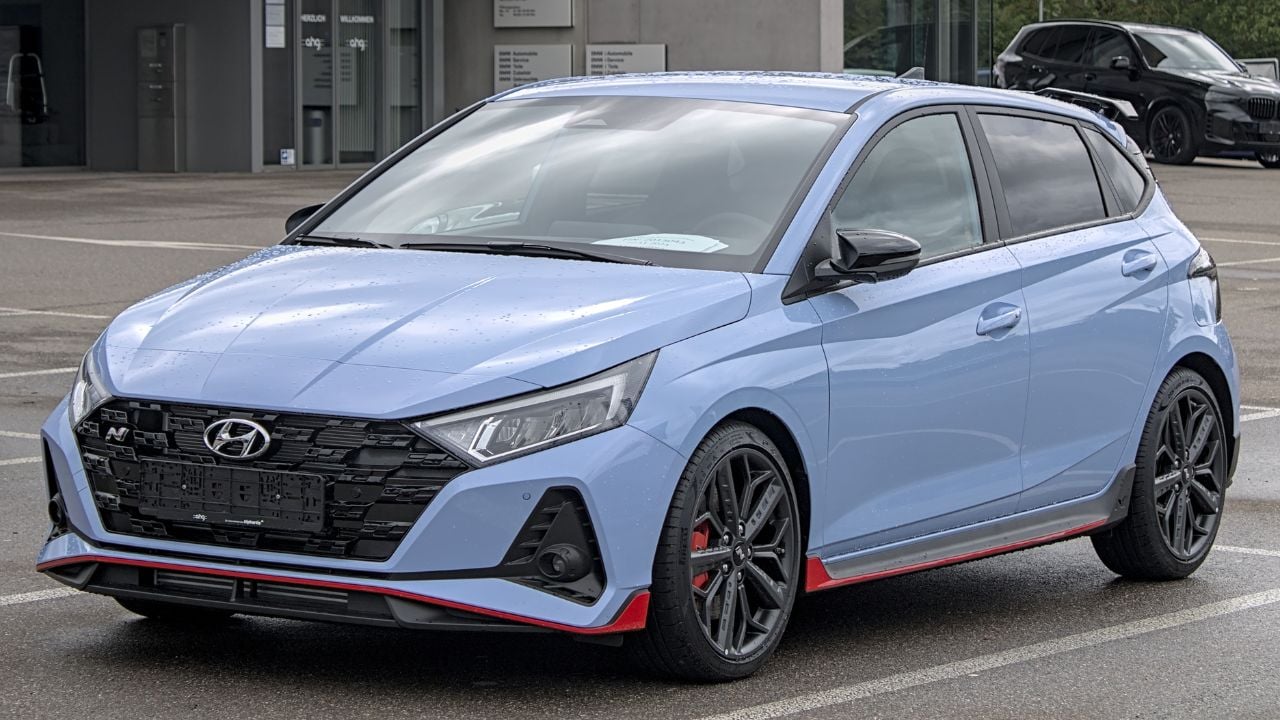
Hyundai is absorbing millions in emissions penalties to continue selling its high-performance N models, choosing brand identity over short-term compliance as global regulations tighten. The decision highlights a growing tension across the auto industry between enthusiast models and stricter fleet-wide emissions targets.
Rather than pull back from petrol-powered performance, Hyundai is effectively paying to stay in the game, even as electrification accelerates. The move centres on markets like Australia, where new rules penalize carmakers whose overall emissions exceed government limits.
For Hyundai, the cost is high, but so is the value of its N division, which is central to its image. The company’s stance signals that performance still matters, even in an era increasingly defined by efficiency and electrification.
Emissions Rules Force Costly Trade-Offs
Australia’s New Vehicle Efficiency Standard (NVES) is designed to reduce average fleet emissions by penalizing manufacturers that exceed CO₂ limits. Instead of banning high-emission vehicles outright, the system imposes financial penalties, pushing brands to offset performance models with cleaner alternatives.
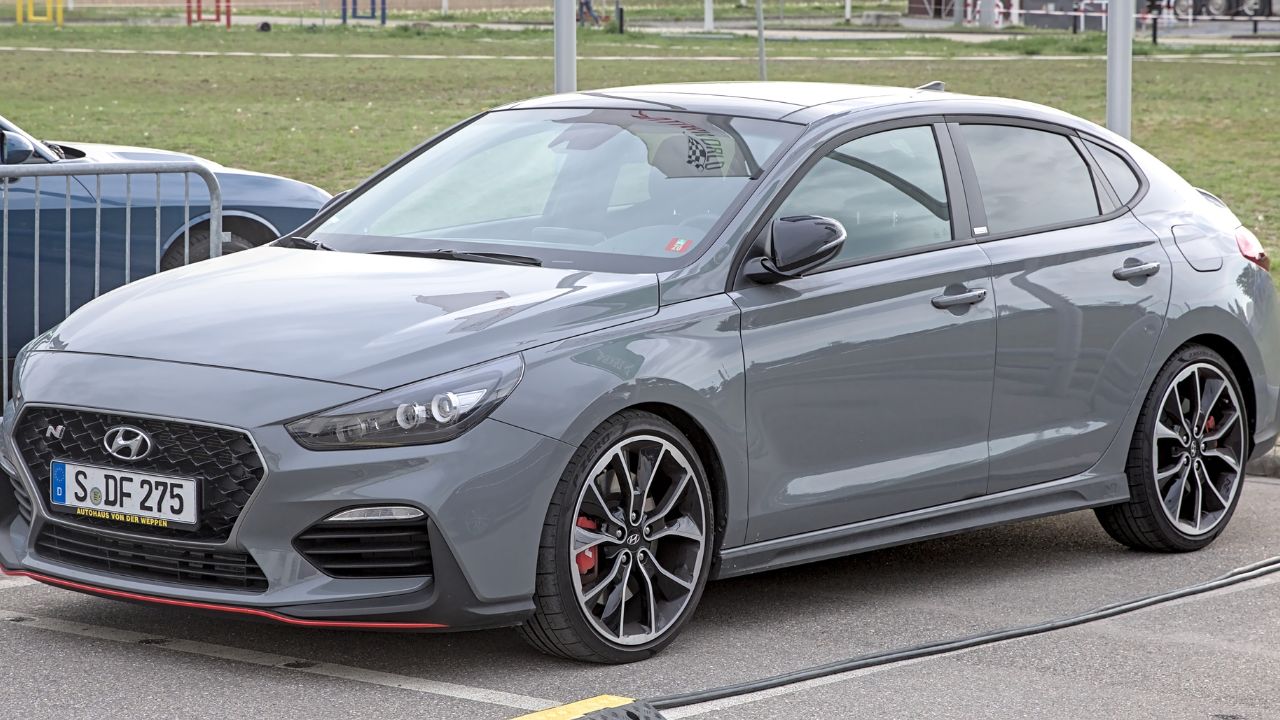
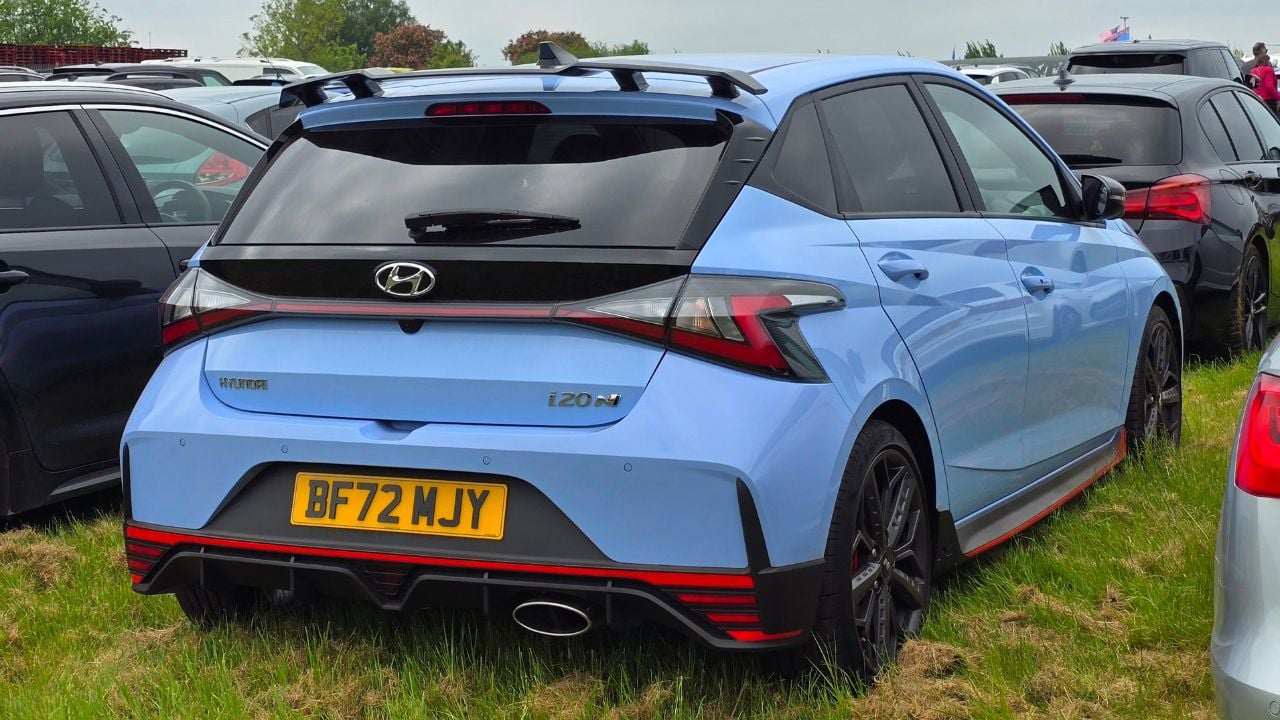
Hyundai’s challenge lies in the composition of its lineup. While it offers hybrids and electric vehicles, the N division, which encompasses models like the i30 N and i20 N, produces higher emissions than the average passenger car. According to reports, Hyundai Australia sold more than 2,100 N models in 2025, which contributed to breaching emissions targets and triggered substantial fines.
Rather than scale back those models, Hyundai has chosen to absorb the penalties. In some cases, the costs are partially passed on to buyers through price increases. In the Australian market, N models were already being priced $2,000 higher for 2025.
This reflects a broader industry shift where compliance is no longer just an engineering challenge but a financial one. Carmakers must decide whether to invest in cleaner technology, restrict certain vehicles, or simply pay to maintain their existing mix.
Why Hyundai Is Backing Its N Division
Hyundai’s N brand is more than a niche offering. Developed to compete with established performance divisions from European rivals, N has helped reposition Hyundai from a value-focused manufacturer to one capable of building engaging driver’s cars.
Abandoning or diluting that lineup would risk undoing years of brand development. Performance models often serve as “halo cars,” attracting attention and influencing how consumers perceive the rest of the range. Even if they sell in smaller numbers, their marketing impact is undeniable. The cost of penalties is weighed against the long-term value of maintaining credibility in the performance segment.
There is also a competitive angle. As some rivals move away from internal combustion performance cars or shift rapidly toward electrification, Hyundai sees an opportunity to retain enthusiasts who still prefer petrol-powered driving dynamics. Keeping N models alive allows the brand to occupy a shrinking but still influential space in the market.
Electrification Without Abandoning Performance
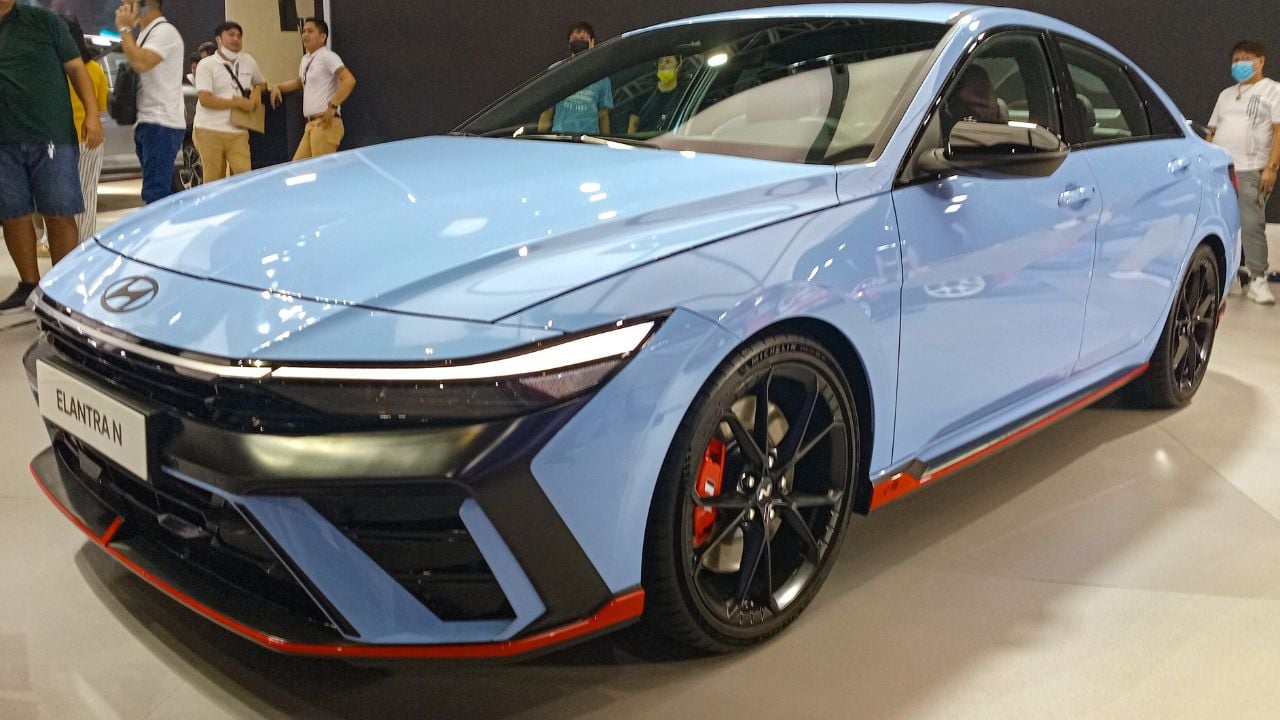
Hyundai’s willingness to pay fines does not mean it is ignoring electrification. The company is expanding its electric lineup and developing high-performance EVs under the same N badge. This dual strategy allows Hyundai to offset emissions while preparing for a future in which regulations will become even stricter.
However, the transition will take time. Current EV performance models remain more expensive than those of traditional hot hatches, and infrastructure challenges persist in many markets. By continuing to sell petrol-powered N cars, Hyundai maintains accessibility for enthusiasts who are not yet ready to switch.
Looking ahead, stricter emissions targets will likely increase financial pressure. If penalties rise or regulations tighten further, Hyundai may need to accelerate hybridisation or fully electric alternatives within the N lineup.