

In a high-profile legal decision that could influence thousands of similar lawsuits nationwide, a federal jury in Phoenix has ordered Uber to pay $8.5 million to a woman who alleged she was sexually assaulted by a driver in Arizona.
The verdict, announced February 5, marks the first bellwether trial in the federal multidistrict litigation involving thousands of claims against the ride-hailing giant.
The case centers on Jaylynn Dean, who alleged that she was sexually assaulted by an Uber driver in November 2023, while traveling alone after a night out. The trial, spanning three weeks, focused on the circumstances of the assault itself but also on whether Uber bore legal responsibility for the driver’s actions.
Establishing “Apparent Agency”
At the heart of the jury’s decision was the legal concept of “apparent agency.” Uber classifies its drivers as independent contractors, meaning the company generally avoids liability for drivers’ personal actions.
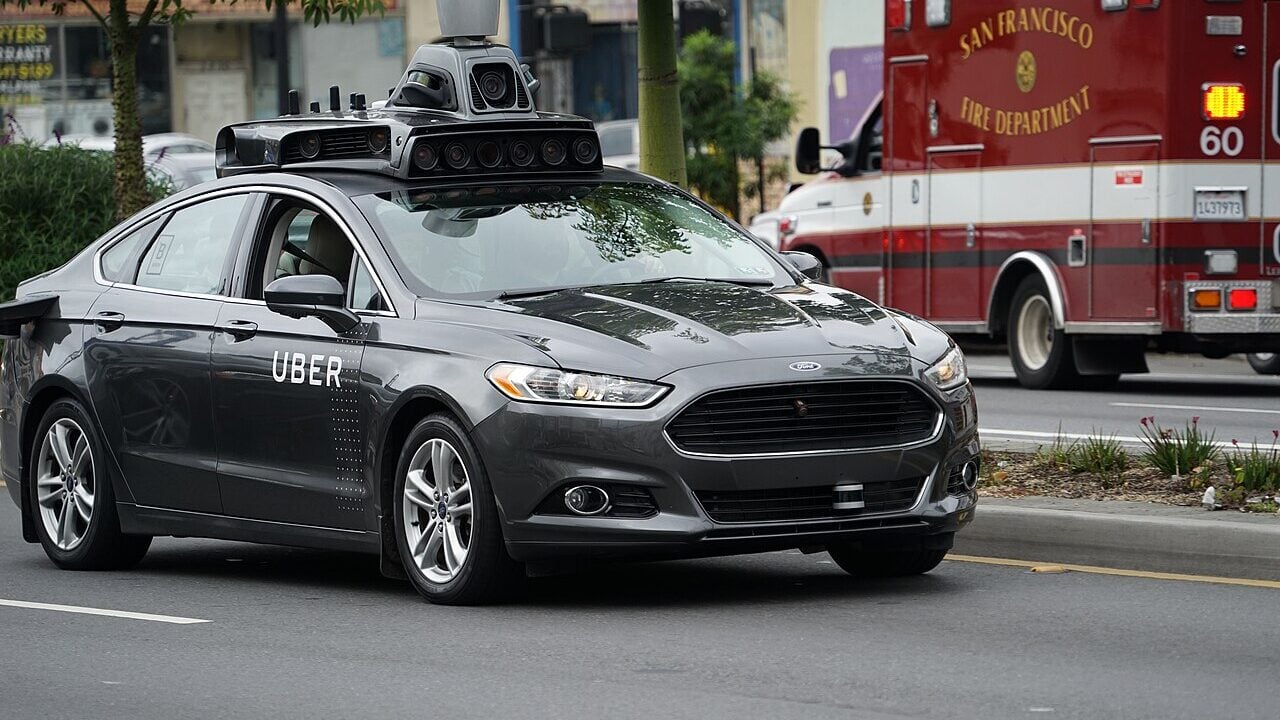
However, the theory of apparent agency holds that if a company’s branding, communications, or operational control leads a rider to reasonably believe that a driver is acting on the company’s behalf, the company can be held liable.
In Dean’s case, jurors concluded that Uber’s brand and app created such a perception of trust, and therefore the company was responsible for the driver’s conduct during that trip.
Jurors deliberated for three days before returning the verdict. While Dean’s attorneys sought $24 million in compensatory damages and $120 million in punitive damages, the jury awarded a fraction of that amount and declined to issue punitive damages.
The decision reflected careful consideration of the evidence without fully embracing the broadest claims made in the lawsuit.
Dueling Arguments
During the trial, Uber’s defense strategy emphasized the unforeseeable nature of the driver’s criminal act. Attorneys highlighted that the driver had completed safety training, passed background checks, and maintained a strong rating from thousands of previous trips.
They argued the company had no prior indication that the driver posed a risk, pointing to its app-based safety features, including audio recording, and the immediate action Uber took to block the driver after the alleged assault.

In contrast, Dean’s attorneys presented evidence showing that Uber’s internal data and algorithms flagged her trip as high risk, particularly for women traveling alone at night after drinking.
They argued that the company failed to act on this information, and that Uber’s branding and communications encouraged riders to trust drivers as representatives of the company.
The lawyers contended that the company’s focus on growth and efficiency over rider safety contributed directly to the assault.
U.S. District Judge Charles Breyer, overseeing the case in Phoenix, instructed the jury to consider three claims separately: negligence, defective app design, and apparent agency.
Ultimately, the jury’s decision hinged on apparent agency, effectively implying that even absent negligence or app flaws, the company’s perceived authority over drivers can create legal responsibility.
The Ripple Effect for Uber and the Ride-Hailing Industry
The verdict can be seen by legal experts as capable of shaping the trajectory of the thousands of other federal lawsuits consolidated under Breyer’s supervision.
Bellwether trials are designed precisely to test legal theories and provide insight into potential outcomes in larger litigation. Dean’s lawyers emphasized that the decision validates survivors coming forward and reinforces the importance of corporate accountability in the ride-hailing industry.
Uber, meanwhile, indicated it plans to appeal the verdict. A spokesperson emphasized that the jury rejected the most serious claims against the company and awarded a sum far below what was sought, asserting that Uber continues to invest in rider safety.
Uber shares dipped 1.5% in after-hours trading, while rival Lyft, facing similar claims, fell 1.8%.
With thousands of similar cases pending, the Phoenix verdict offers a glimpse into how juries may evaluate ride-hailing companies’ responsibilities for driver conduct. T
he next trial, scheduled for April in North Carolina, will further test the balance between platform oversight, independent contractor liability, and rider safety in an industry where trust and risk intersect on every trip.
Sources: Detroit Free Press