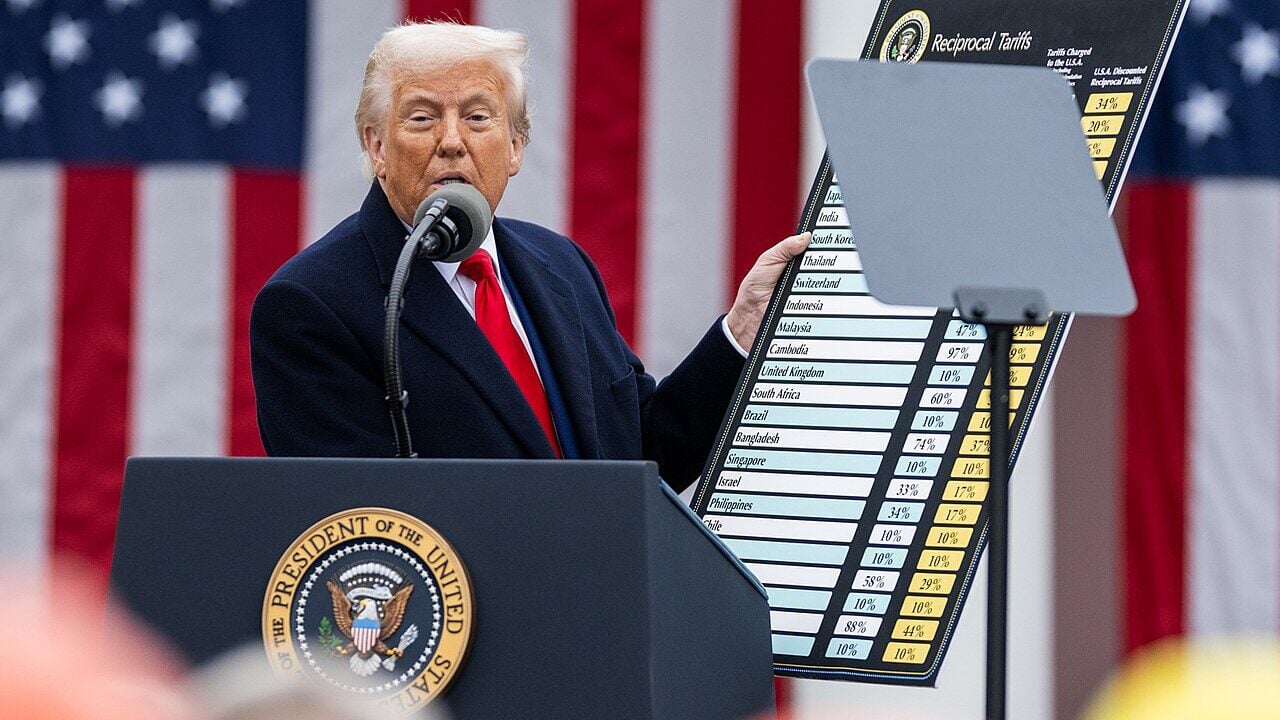
Since 2025, tariffs introduced during President Donald Trump’s term have hit the global auto industry hard. Automakers have lost more than $35.4 billion because of these trade policies.
These tariffs sweep up everything from finished vehicles to spare parts and key materials like steel and aluminum. The original idea was to boost manufacturing in the U.S. and cut down dependence on foreign factories. But in reality, they’ve pushed up costs for automakers in what’s already a tightly connected, worldwide business.
Building a modern car isn’t simple because of the reliance of supply chains that stretch across multiple continents. Parts and materials often cross multiple borders before they even reach the assembly line. So when tariffs pop up at different sections of this process, the extra costs pile up fast and often way higher than anyone first thought.
Automakers Facing Heavy Financial Losses

Pretty much every major automaker has felt the pinch. Auto News points out that companies swallowed billions more than expected, thanks to tariffs and the disruptions they caused all along the supply chain.
Some carmakers took harder hits than others. Japanese brands like Toyota are especially exposed, given how global their operations are. American companies, the likes of GM and Ford, aren’t immune either. Even though they’re based in the U.S., they reported serious financial strain.
European names, including German giants BMW, Volkswagen, and Mercedes-Benz, all ran into trouble too. Jalopnik reports these brands depend on manufacturing links running between the U.S., Mexico, and Europe. Tariffs have raised the cost of getting both whole cars and essential parts across borders.
These extra costs don’t show up in just one place. They ripple through production, shipping, and even regulatory paperwork. Many automakers had to rethink budgets, delay projects, and sometimes lower their profit outlooks to adjust.
Rising Prices for Consumers

The most obvious impact? Cars cost more. Carscoops reports automakers usually pass on these higher expenses to buyers, so sticker prices climb for imports and U.S.-made vehicles alike.
Imports saw the sharpest jumps, sometimes several thousand dollars more per car. But even American-built vehicles aren’t off the hook, since so many of their parts come from overseas. Tariffs end up driving up costs across the board.
As a result, overall car prices have been rising, leaving buyers with fewer affordable choices and bigger car payments. To cope, some carmakers cut back on production or switched up which models they offer. That’s led to lower inventories and longer wait times for vehicles, making it even tougher for customers to find the car they want.
An Unpredictable Future Ahead
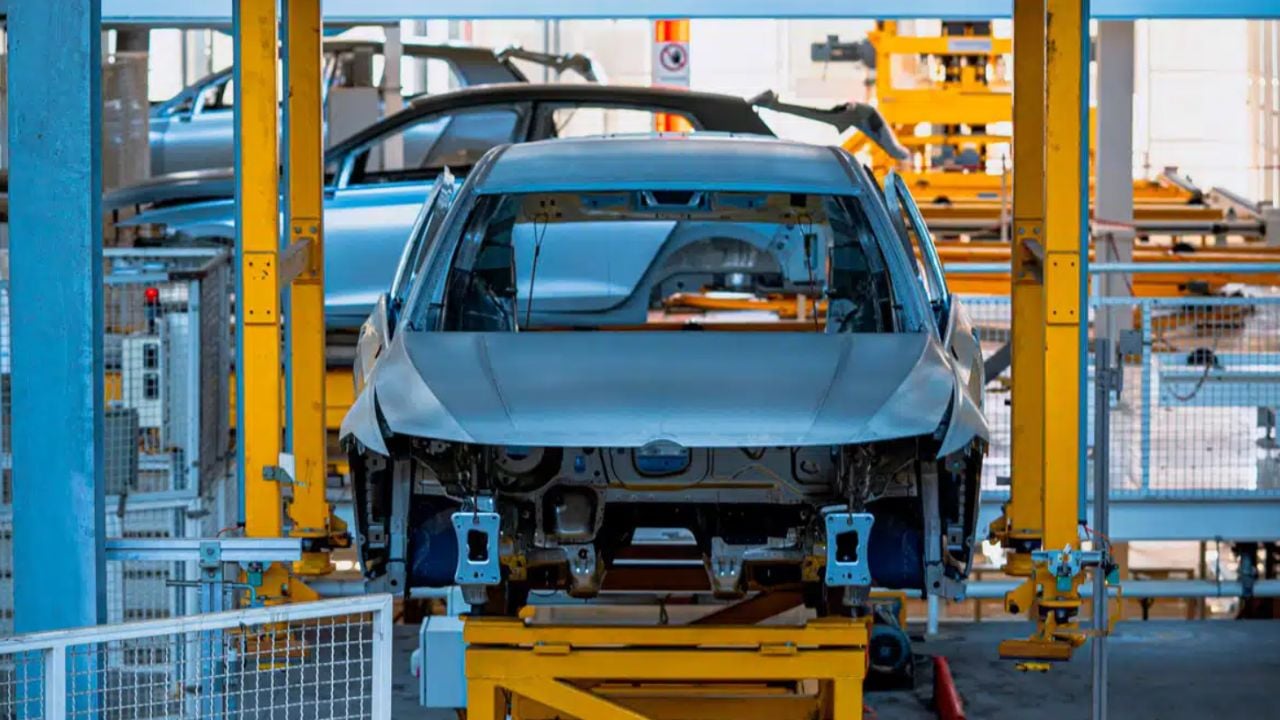
On top of these immediate money woes, tariffs have left the whole industry guessing about the future. Manufacturers are reportedly on edge, struggling to plan long-term investments with trade rules and policies shifting so much.
Even if the idea is to get companies to make more stuff at home, shifting entire factories and building new supply chains isn’t quick or cheap. It takes years, mountains of money, and a steady stream of trained workers, which is a big gamble if the rules keep changing.
Jalopnik also points out that tariffs are making the switch to electric vehicles trickier. With automakers already spending big to go electric, extra tariff costs can slow down progress or force companies to spend their budgets somewhere else entirely.
Looking ahead, this $35.4 billion in losses could just be the start, especially if the tariffs stick around or grow. The true economic toll might be far bigger as time goes on.
Right now, car companies are doing what they can: shuffling their supply chains, haggling on prices, and tweaking their sales strategies. But it’s clear that the full fallout from these tariffs will keep shaking up the industry for years as everyone tries to figure out how to move forward in a trade world that keeps changing.