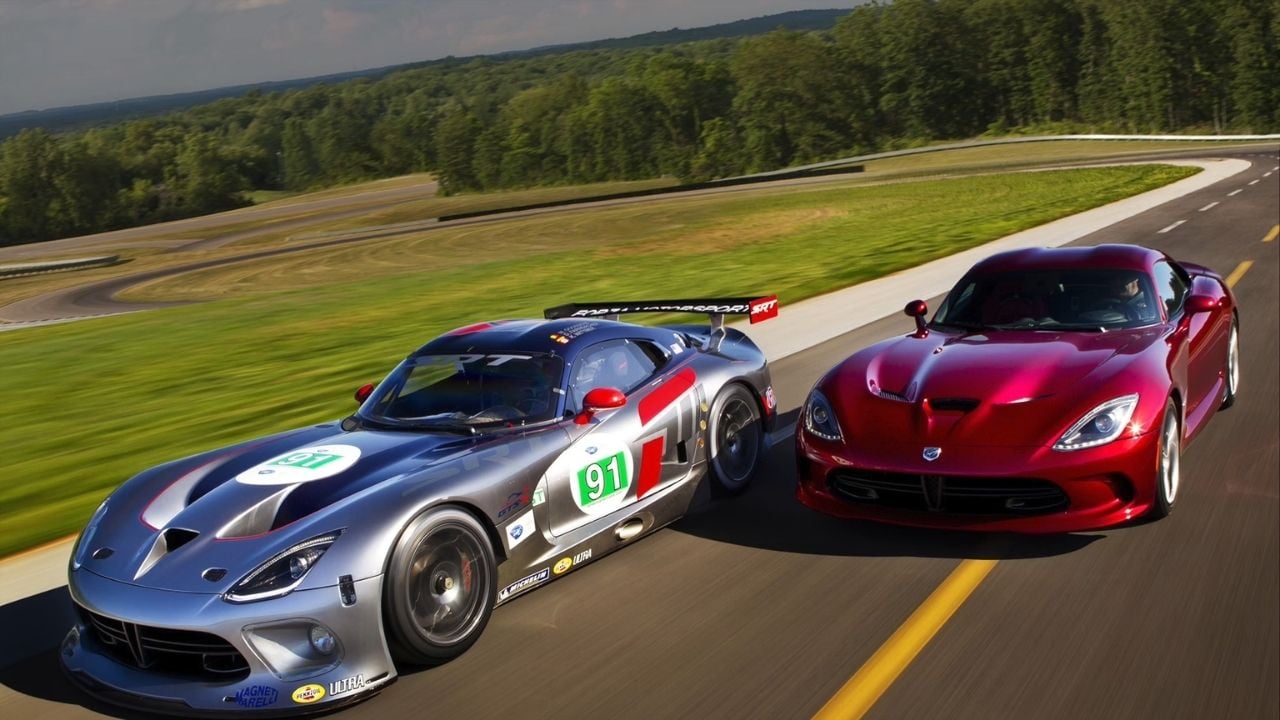
The Dodge SRT Viper GTS-R might be one of the coolest race cars ever made. Developed by Riley Technology and introduced in 2012, it was raced at Le Mans in 2013 and 2015 and built to the GTE/GTLM regulations. It was a monster of a car.
However, at the end of 2015, the Viper’s racing story was all but over. The magical V10 roar was lost, but not before Riley Technology and Dodge were able to take it to the classic French endurance race and let it work its magic.
Riley Technology was a famous name in the American racing world and had already raced the Dodge Viper GT with a new production version on the way. Riley spoke to Chrysler’s performance division about creating a new racer. This is when the SRT Viper GTS-R was born, based on the fifth-generation Viper.
Unveiled alongside the new production version in 2012, it wasn’t long before it was out testing on track. F1’s technical expert Sam Collins also runs a YouTube channel, and he recently talked through the story of the car, how it got on, and why the car disappeared at the end of 2015.
The Issues Facing Dodge and Riley Technology
While built to compete with the Chevrolet Corvette in the American Le Mans Series, the car was also set to take on the 24 Hours of Le Mans in France. But to comply with European regulations, they had to get around the 5.5-liter engine displacement rule. The Viper V10 was a staggering 8.4 liters in displacement. The engine had a 400cc capacity reduction, and it had to breathe through twin air restrictors in the car’s nose. The car was “being choked,” as Collins put it.
In the end, the engine made around 455hp. That is around 200hp less than the production car. The chassis itself was mostly unchanged, although some of the front end needed reworking. These changes were all needed so the car could go racing, and Riley and Dodge knew they would have to be pragmatic about what they had to do. The transmission was also different, with the V10 sending power to the rear wheels via a six-speed sequential transaxle transmission from Xtrac.
The Viper was by far the heaviest car racing in the American Le Mans Series, thanks to the waivers it had to comply with the compromises made. The car certainly looked the part, and it was arguably the coolest GT racer from 2012-2015. It looked like the production car, but on steroids. The Viper made its race debut at Mid-Ohio in August 2012, and they did make it to the end, albeit not trouble-free. But this season was a development one, with the car running in just four of the final five races of that season.
How Did the Viper GTS-R Get on During Its Racing Career?
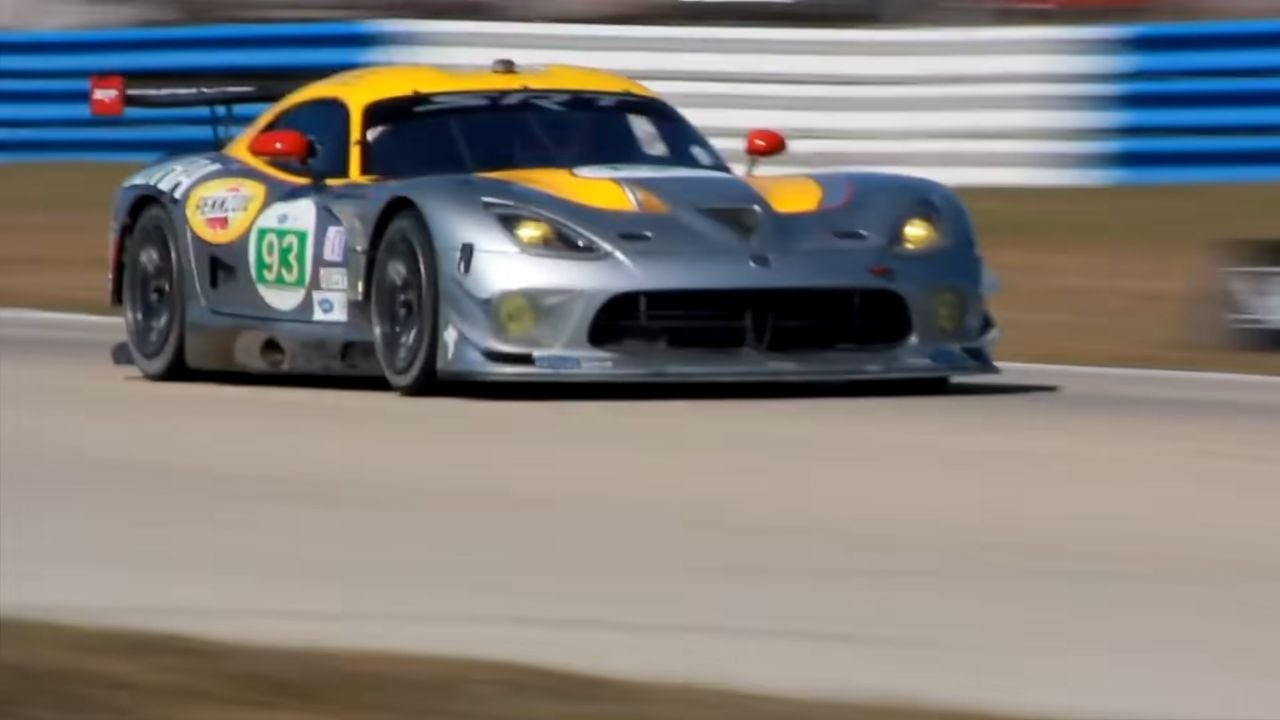
In 2013, the Viper showed incredible performance at larger, sweeping, and faster tracks, thanks to the mighty V10 under the hood. But it struggled at tighter and twistier tracks, compared to cars like the BMW Z4 GTE. But it finished fifth in the Sebring 12 Hours, a solid start to the year, and it had been in contention for the win at times. The first podium came at Long Beach, and another followed at Mosport.
At Elkhart Lake, on the famous Road America circuit, it beat the Corvettes and took its first and only win of the 2013 American Le Mans Series season. The car would finish third in the championship. It was this year that the car made its Le Mans debut. Sadly, the car was stifled by the European rules, and the fastest Viper was nearly six seconds slower than the pole-sitting Aston Martin. Both cars finished the race, with the leading car eighth and nine laps down from the leading Porsche.
Le Mans was once again set to be the centerpiece of the 2014 season, yet it withdrew its entry from the event, the team stating it wanted to focus on racing in America that year. They still had to tackle the 24 Hours of Daytona, and the Viper was very fast, starting on pole position and finishing in third position. The car took multiple podium finishes and wins, showing the Viper had made great progress from its first full season. The Viper even secured the title at the last race of the year.
What Happened to the Viper in 2015?
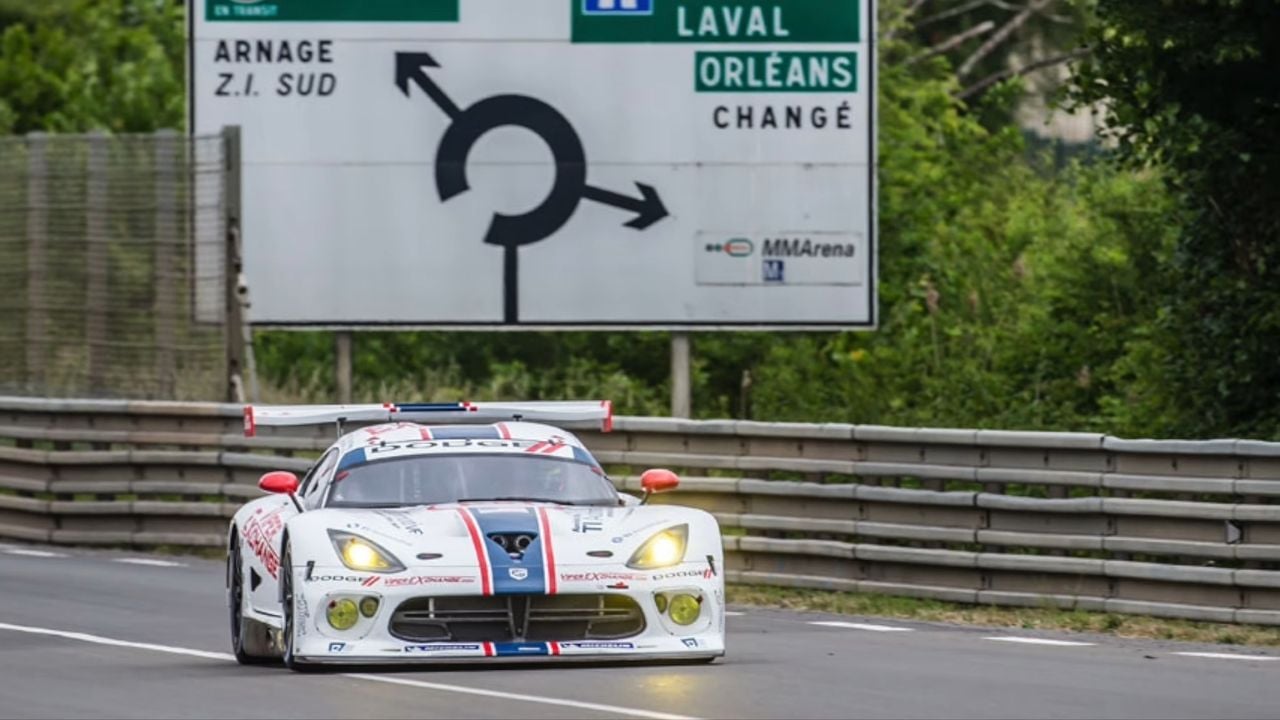
Incredibly, Chrysler announced that the racing program was to be axed with immediate effect. Road car sales were low, and the price of the production car needed to be cut. The Viper factory was closed down altogether in 2017. But the car did race at the 2015 24 Hours of Le Mans, with the Riley team. The GTS-R had one last race to run, competing in the GTE AM category. While it was competitive, qualifying fourth, it lost a certain podium finish thanks to a gearshift issue. That was the end of the Viper’s racing story at Le Mans.