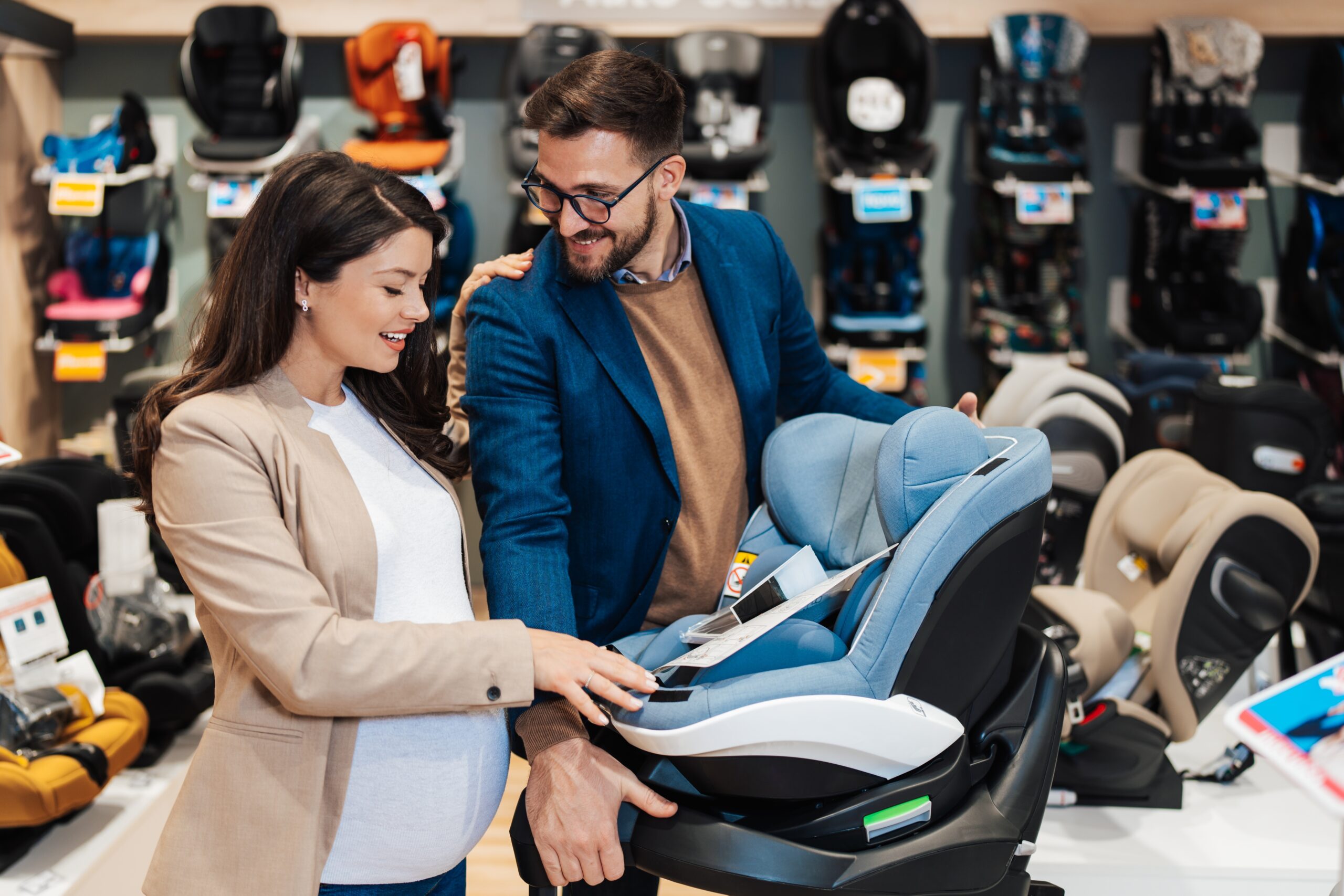
Hospitals are trying to warn soon-to-be and new parents about a growing trend that’s quietly slipping into the market: counterfeit car seats being sold through social media.
If you recently snagged what looked like a killer deal on a car seat from a TikTok Shop seller with 47 followers and a suspiciously enthusiastic comment section, there’s a very real chance you didn’t just save money; you bought something that could fail when it matters most. Nurses at Tucson Medical Center have flagged 18 counterfeit car seats already this year, including eight in March alone, and the problem is growing faster than parents can scroll past sponsored posts.
The fakes are being caught during routine car seat safety checks, which hospitals perform before new parents are cleared to head home with their newborns. It sounds like a minor step in an already exhausting process, but it’s quickly becoming something much more serious.
Baylee Dorsey, a child passenger safety technician and community outreach specialist at TMC, has been on the front lines of this, and she says the counterfeits are getting increasingly convincing. “Most parents have no idea,” she said, noting that slick online marketing makes it easy to trust what you are buying.
Here is the part that should make every parent stop scrolling: not a single one of the fake seats Dorsey has examined has any proof of passing a crash test. Not one.
How Fake Car Seats Are Slipping Into the Market
Note: The video below is from earlier reporting, but the information remains relevant as hospitals continue to find counterfeit car seats during real-world safety checks.
The counterfeit car seats are largely being sold by unverified sellers on TikTok Shop, often designed to look just like premium, recognizable products.
According to KVOA’s reporting, many of these products are promoted by creators who earn commissions through TikTok Shop, giving them a layer of credibility they haven’t earned. The seats frequently imitate high-end models like the Doona stroller and car seat combo, which typically retail between $450 and $600, making the cheaper knockoffs especially appealing to tired parents shopping online.
Dorsey described what happens when these fakes actually face the kind of impact they are supposed to protect against. “We see them falling apart into multiple pieces. They do not protect the head, neck, and spine,” she explained. “The moment that these seats are used, all that goes out the door, and it is essentially like you are just putting the kid in the car without any protection.”
That’s not a warning buried in fine print. That’s a safety expert saying the product fails at the one job it was built to do.
According to the National Highway Traffic Safety Administration, properly used car seats can reduce the risk of fatal injury for infants by 71%. A counterfeit seat doesn’t just fall short of that standard; it completely undermines it.
How to Spot a Fake Before It Ends Up in Your Car

Fortunately, there are clear warning signs that don’t require a crash test to spot. Dorsey points to several major red flags: no registration card included with the seat, missing key components like a chest clip or base, and labels that look off, with odd capitalization, missing brand names, or inconsistent formatting.
Legitimate car seats include detailed labeling with height and weight limits, manufacturer contact information, and safety warnings in both English and Spanish. They also include registration cards so manufacturers can notify owners about recalls. If that paperwork is missing or looks questionable, that’s a serious concern.
According to KVOA, these counterfeit seats do not meet U.S. federal safety standards and may put children at significant risk of head, neck, and spine injuries in a crash. In some cases, officials say the safest course of action is not to attempt to use or repair the seat, but to cut the straps and dispose of it entirely.
For parents who already bought one of these counterfeits, the situation is frustrating, but there are options. Tucson Medical Center offers trade-in programs, and Dorsey collects fake seats to use as educational tools, turning a dangerous product into something that can help prevent future mistakes.
There are also local resources available. Reporting from KOLD notes that parents can access car seat checks, installation help, and safety guidance through hospitals, fire departments, and community programs across Tucson.
The takeaway here is simple, and it’s not just about spotting a fake. It’s about understanding how easy it has become for unsafe products to look legitimate online.
If you’re trusting something to protect your child in a crash, it’s worth buying directly from a manufacturer or a verified retailer, not a social media listing. Because when it comes to car seats, “too good to be true” isn’t just a bad deal—it can be a dangerous one.