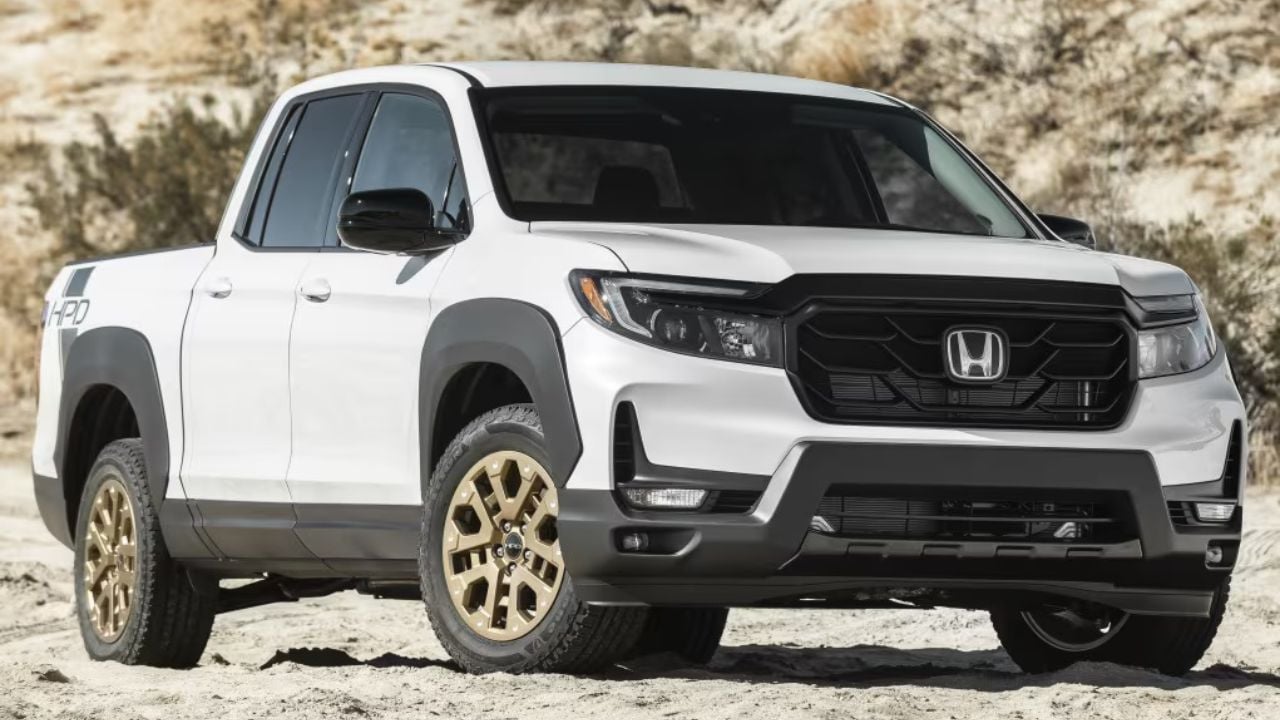
Honda has not officially announced the move, but several reports say the Ridgeline could disappear from production for a long stretch after the 2026 model year.
According to reporting originally from Automotive News and cited by outlets including Car and Driver, Honda is expected to pause Ridgeline production in the fourth quarter of 2026. The reported stoppage could last around 18 months, with a heavily refreshed truck expected in the second half of 2028.
That is not the same as a confirmed cancellation. Honda told Car and Driver that the Ridgeline remains an important model in its lineup and one of its top conquest models, but the company did not confirm detailed future production plans.
The pause still raises a real question for buyers. If the report is accurate, Honda’s only pickup would leave the assembly line for more than a year while the company reworks the truck and resets parts of its wider product strategy.
The Emissions Argument Is Not Simple
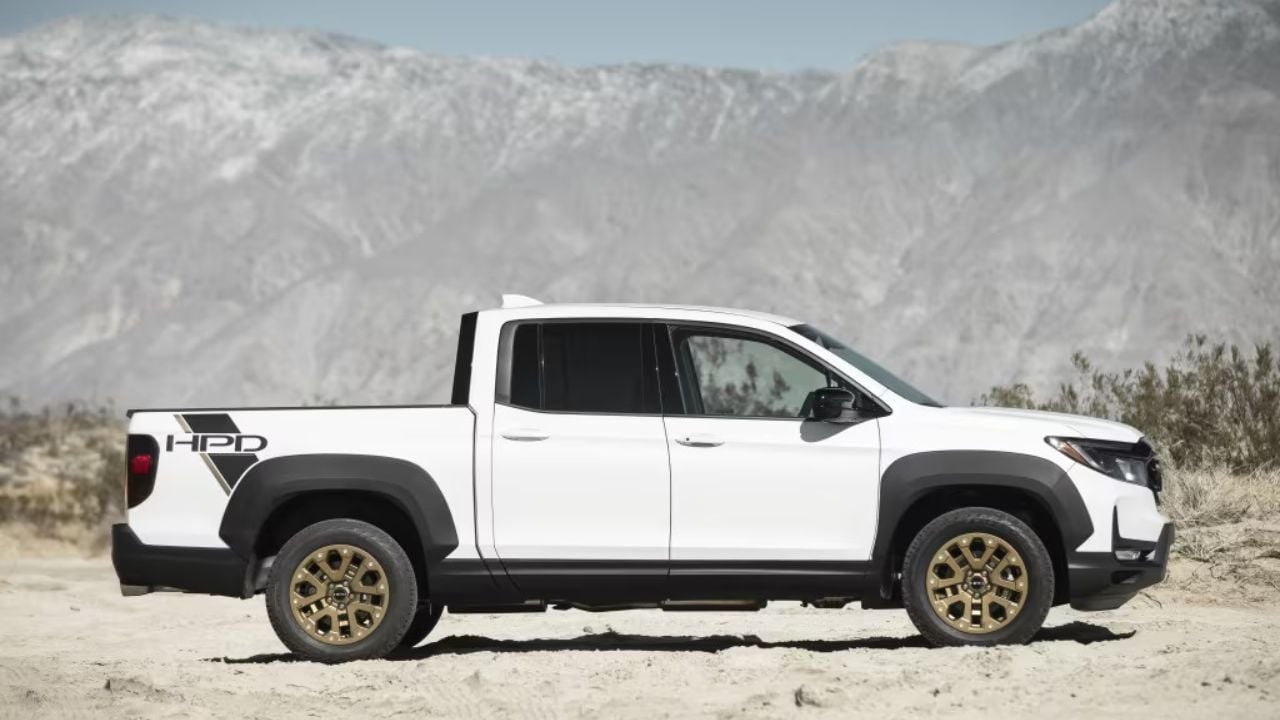
Reports say the pause is tied to upcoming emissions rules that the current Ridgeline powertrain may not meet. The current truck uses Honda’s 3.5-liter V6, officially rated at 280 hp and 262 lb-ft of torque.
The regulatory picture is complicated. Federal policy has shifted, and some pressure on automakers over fuel economy and emissions penalties has changed. That does not automatically solve Honda’s problem. MotorTrend notes that Honda is reportedly among the automakers still obligated to improve vehicle efficiency under California’s stricter emissions framework.
That means the Ridgeline issue cannot be reduced to one simple sentence. The reported emissions pressure may be real, even as federal rules move in a different direction.
The timing also fits into a broader Honda product reset. The company has reportedly pushed back next-generation versions of several Honda and Acura models, including the Accord, HR-V, Odyssey, MDX, and Integra, while also reassessing parts of its electric-vehicle strategy.
A Major Refresh Is Expected In 2028
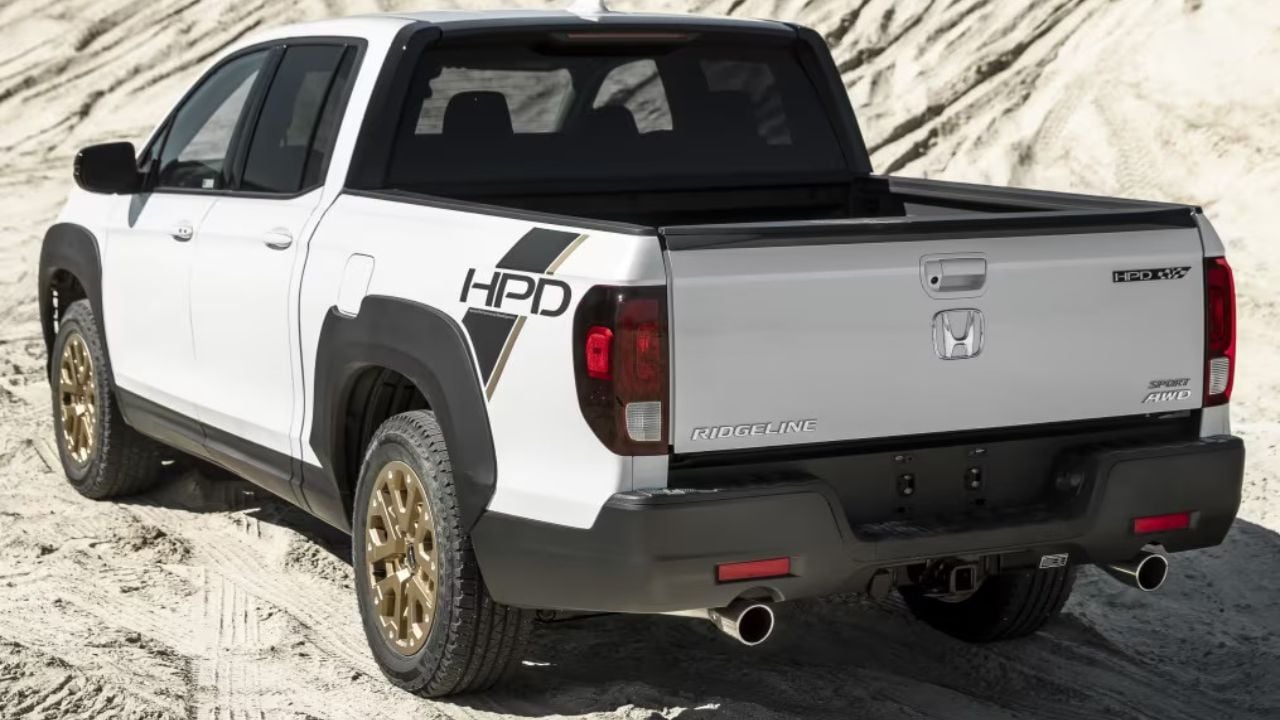
The reported pause is expected to give Honda time to prepare a heavily refreshed Ridgeline. Car and Driver says the updated truck is expected in the latter half of 2028, while Kelley Blue Book has cited the third quarter of 2028 as the possible return window.
That version is not expected to be a clean-sheet redesign. Instead, reports point to a deep modernization of the current truck, with updated styling, newer cabin technology, revised components, and Honda’s newer 3.5-liter V6.
Output for the refreshed truck has not been confirmed. The current Ridgeline makes 280 hp and 262 lb-ft of torque, but Honda has not announced specifications for the reported 2028 update.
That matters because the Ridgeline’s appeal has never been about winning a horsepower contest. Its strength has been everyday comfort, standard all-wheel drive, a smooth ride, clever cargo solutions, and a pickup bed for people who do not want a traditional body-on-frame truck.
A Hybrid Ridgeline Could Follow Later
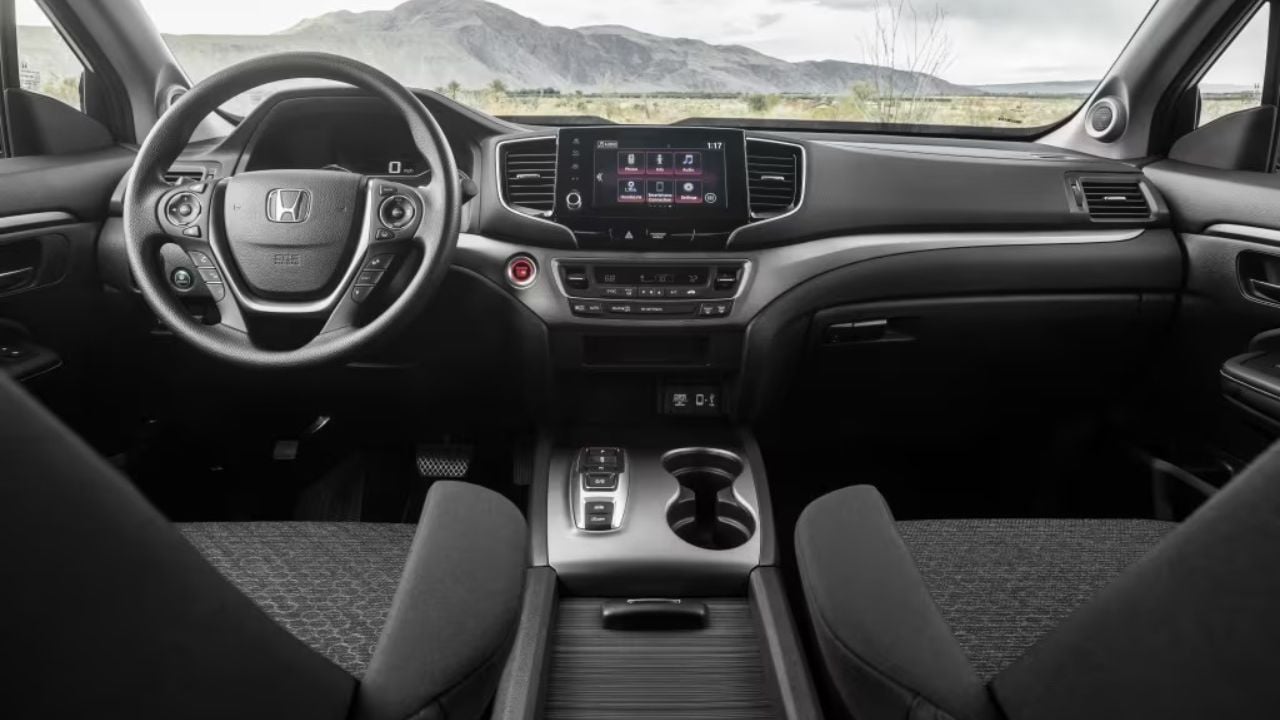
The bigger technology shift may come after the 2028 refresh. Reports say the next full-generation Ridgeline is expected in the early 2030s on a new hybrid architecture.
That would finally give Honda’s pickup the kind of electrification now spreading through the truck and SUV market. A hybrid Ridgeline could help Honda improve fuel economy while keeping the smooth, everyday character that separates the truck from a Tacoma, Ranger, Colorado, or Frontier.
The current Ridgeline is a unibody pickup related to Honda’s larger light-truck family. That construction gives it a smoother ride and more carlike daily manners than most traditional midsize pickups.
The tradeoff is identity. The Ridgeline has always been different from the rugged body-on-frame trucks that dominate the segment. Some buyers love that because it makes the Honda easier to live with. Others never consider it because they want a more conventional pickup image.
Honda Could Use The Pause To Build Other Models
The Ridgeline is built in Lincoln, Alabama, alongside other important Honda light trucks. It also ranks well for domestic content; Cars.com listed the 2025 Ridgeline as assembled in Lincoln, Alabama, in its American-Made Index.
Reports say Honda could use the production gap to build more Odyssey minivans and Passport SUVs. That would make business sense if those vehicles are more important to Honda’s near-term U.S. sales strategy.
The Ridgeline’s problem is not that it lacks loyal buyers. It is that it sits in a narrow part of the pickup market. It has one basic body style, one bed size, standard all-wheel drive, and a comfort-first unibody identity that does not chase the hardest-core midsize truck buyers directly.
That makes the reported pause risky. Honda appears to be preparing a more modern Ridgeline rather than walking away from the truck completely, but disappearing from production for roughly 18 months gives midsize pickup buyers plenty of time to move on.
This article was originally published by Autorepublika.com and is republished with permission. It has been reviewed and edited by Guessing Headlights.