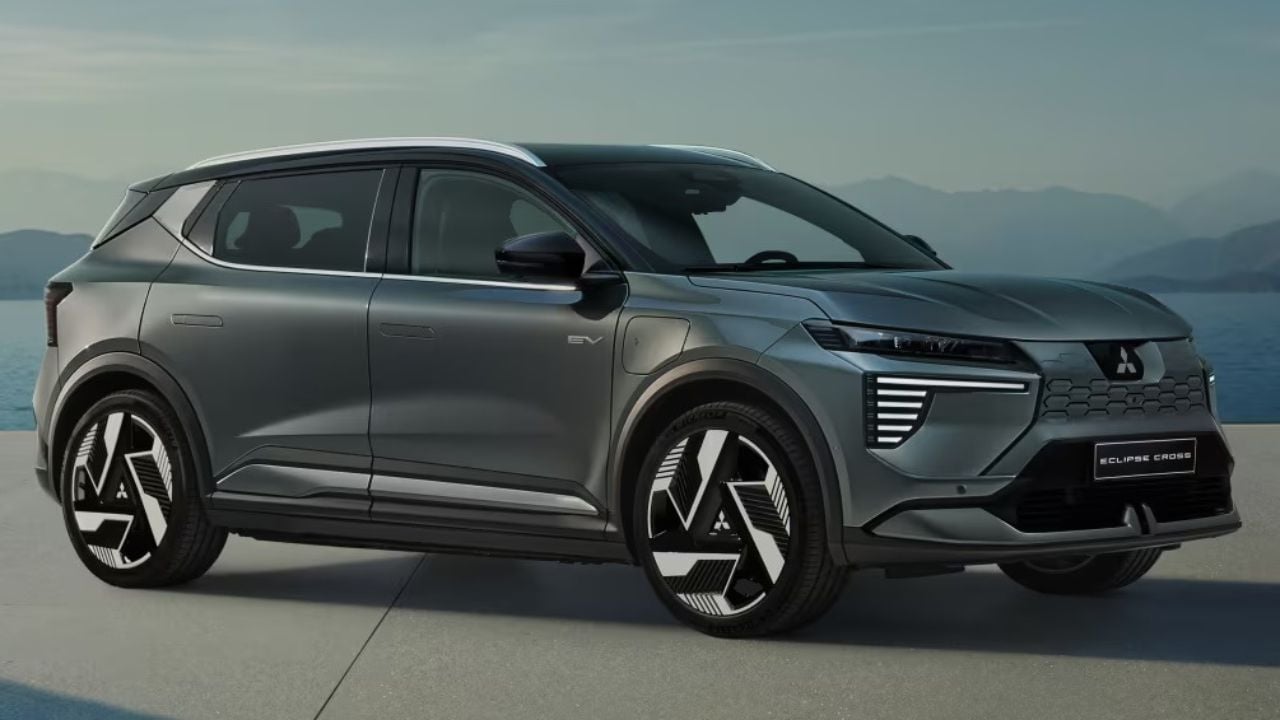
Mitsubishi was once a name car fans said with real respect. Through the 1990s and into the early 2000s, the Japanese brand still had models with clear identities, serious performance, and loyal followings.
The 3000GT, Galant VR-4, Eclipse, Montero, and Lancer Evolution were not just old showroom names. They were reminders of a different era in the Japanese auto industry, when manufacturers were willing to experiment with technology, performance, rally credibility, and strange ideas that actually made people care.
Today, Mitsubishi’s situation in the United States looks very different. The brand is still alive, but it is fighting with a small lineup, aging products, heavy crossover dependence, and dealers who are questioning whether the future is strong enough to justify staying.
The problem has become serious enough that Mitsubishi’s U.S. dealer network has been shrinking for years. That does not mean the company is leaving America, but it does show how difficult the brand’s position has become.
Dealers Are Walking Away
Mitsubishi opened 2026 with 299 U.S. stores, down from 355 in early 2019. That is a loss of 56 locations in seven years, a major decline for a mainstream brand that already had a much smaller retail footprint than Toyota, Honda, Hyundai, Kia, Ford, or Chevrolet.
Over the past 18 months, Mitsubishi terminated about 35 franchises, according to company leadership cited in recent dealer-network reporting. The company has also added new stores and approved more future outlets, so Mitsubishi’s argument is not that it simply wants fewer dealers. The company says it wants stronger stores in better markets.
That “quality over quantity” approach may make business sense on paper. The harder issue is whether enough retailers still see a convincing long-term reason to invest in Mitsubishi.
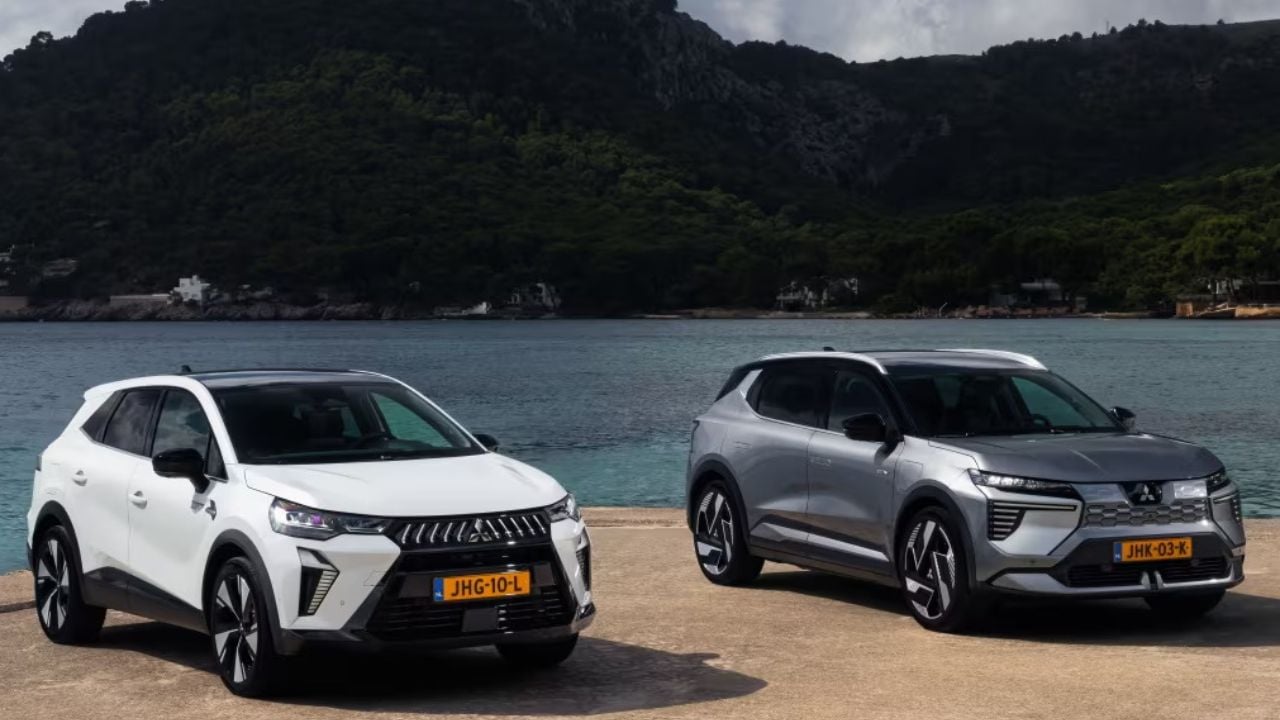
The main problem is the product lineup. Mitsubishi’s U.S. business now leans heavily on the Outlander, Outlander PHEV, Eclipse Cross, and aging Outlander Sport. That is a difficult position in a crossover market filled with newer, broader, and more heavily promoted rivals.
The Lineup Feels Too Old
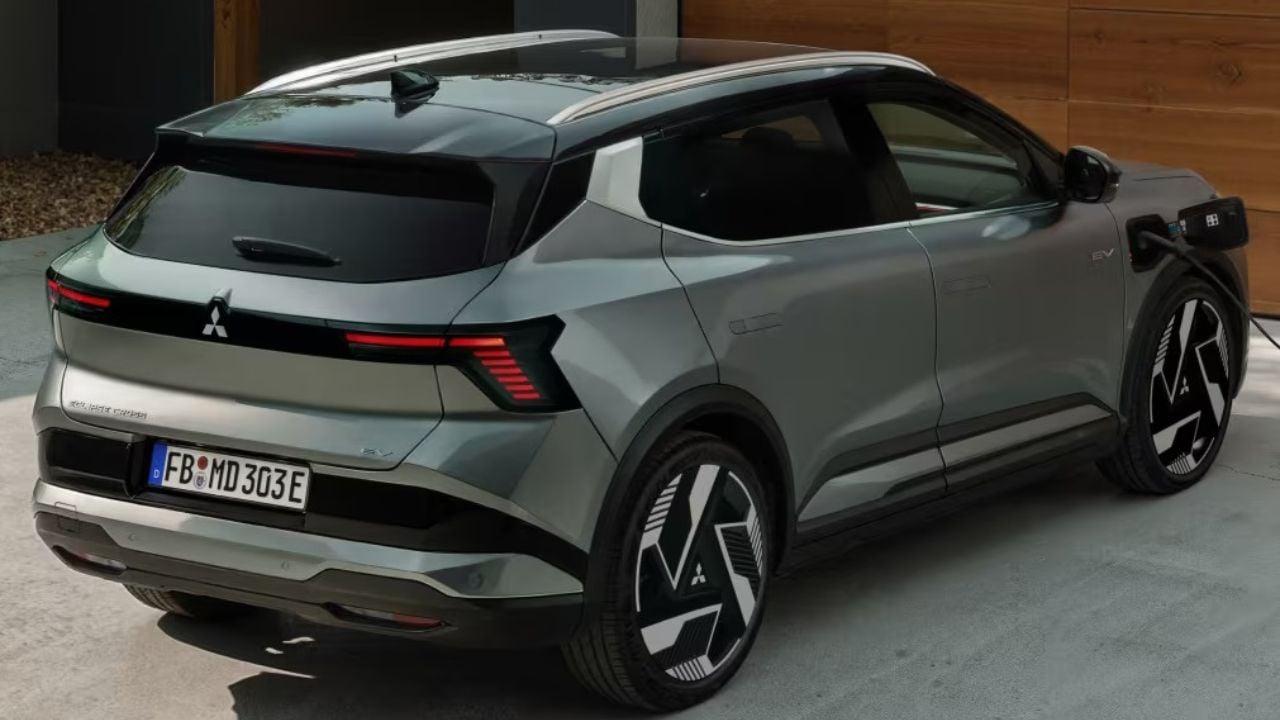
Some Mitsubishi models still carry old bones. The Outlander Sport is based on an architecture that has been around for roughly 15 years, while the Eclipse Cross has been on the market since 2017 and has not received the kind of full redesign that would make it feel fresh against newer compact SUV rivals.
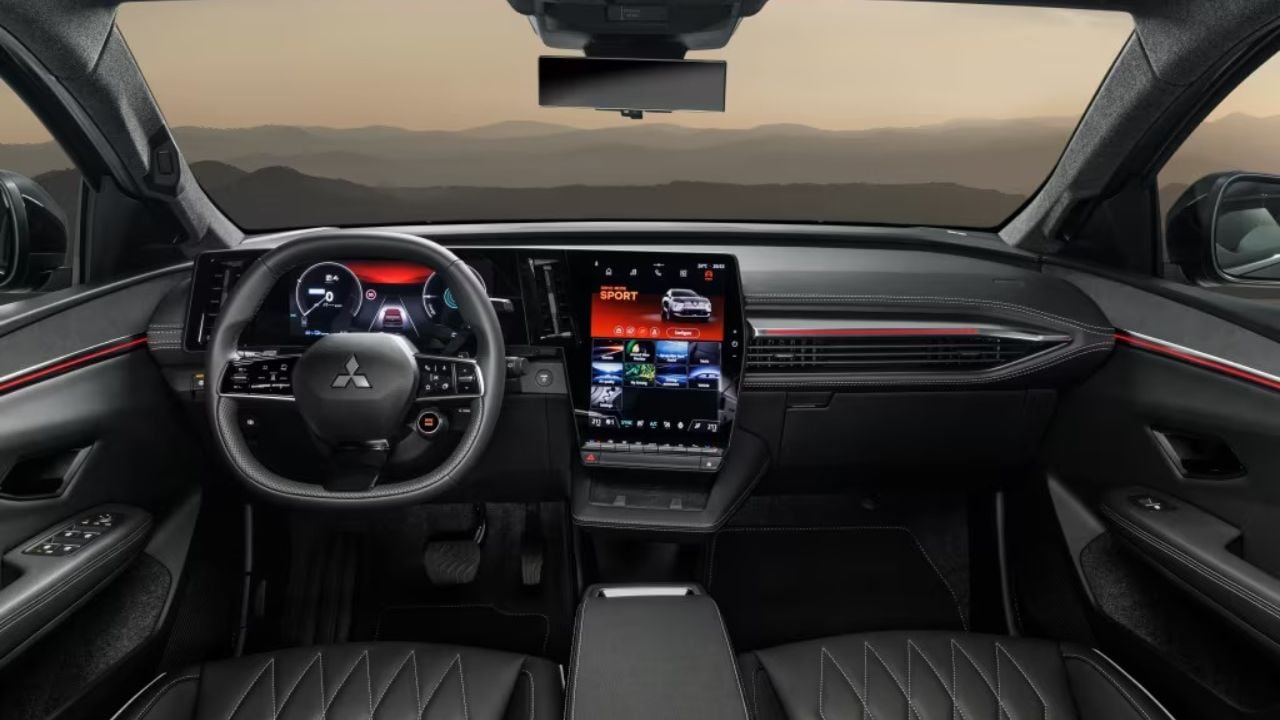
Dealers are trying to attract buyers who now expect modern interiors, advanced driver-assistance systems, efficient hybrid options, fast infotainment, clean design, and a clear reason to pick one brand over another.
With such a limited range, that becomes difficult. Toyota can offer buyers a RAV4, Corolla Cross, Highlander, Grand Highlander, 4Runner, Land Cruiser, and several hybrid choices. Honda has the HR-V, CR-V, Passport, Pilot, and Prologue. Hyundai and Kia keep attacking the market with hybrids, EVs, long warranties, and aggressive design.
Mitsubishi has the strong Outlander family, but too much pressure sits on too few nameplates. That puts dealers in a tough spot when shoppers cross-shop newer and more recognizable alternatives.
Fleet sales have also become a source of concern. Recent reporting says nearly 60% of Mitsubishi vehicles sold in the first quarter went to rental companies and fleets. Fleet volume can keep factories and sales totals moving, but it can also weaken dealer profitability, reduce retail momentum, and put pressure on long-term resale values.
New Models May Arrive Too Late
Some dealers believe Mitsubishi has leaned too hard on fleet sales while retail strength has weakened. Others have already decided to leave, especially stores that struggled to make money with limited product choices and low sales volume.
One dealer in the American Midwest recently closed his Mitsubishi store after years of losses, saying he had lost confidence in the brand’s direction. That kind of frustration does not mean every Mitsubishi dealer feels the same way, but it explains why the network story has become bigger than a simple store-count issue.
Mitsubishi is trying to answer those doubts with new products. The company has confirmed that an all-new battery-electric vehicle based on the next-generation Nissan Leaf will launch in North America in the second half of 2026. A more rugged, off-road-focused Outlander is also planned for late 2026.
There is another important development. Mitsubishi’s latest mid-term plan includes a joint pickup project with Nissan for North America. That could eventually give dealers a more relevant product in a market where trucks still carry serious showroom pull.
The risk is timing. Dealers need fresh retail traffic now, not just promises for later. An EV, a more rugged Outlander, and a future pickup could help, but only if they arrive on time, feel competitive, and give Mitsubishi a clearer reason to exist in the U.S. market.
Mitsubishi Needs More Than Crossovers
Mitsubishi is stuck in a difficult place. It needs to control costs and survive during a period of expensive electrification, but without attractive new products, it becomes harder to keep buyers interested and dealers motivated.
The biggest loss may not be the decline in sales points. It may be the disappearance of the identity that once made Mitsubishi special.
A brand that once built some of Japan’s most exciting performance and off-road machines now mostly operates in America as a maker of affordable crossovers. The Outlander PHEV gives Mitsubishi a real technology story, but one strong plug-in hybrid SUV cannot carry the emotional weight of an entire brand by itself.
That does not mean a new sports car would magically fix everything. Dealers need volume, profit, fresh SUVs, competitive pricing, and products people actually buy. A halo car can help image, but it cannot replace a healthy showroom lineup.
Still, Mitsubishi needs something with more pull than another practical crossover. It needs products that remind buyers why the badge matters, whether that comes from electrification, off-road credibility, a useful pickup, or a performance model that reconnects the brand with younger enthusiasts.
Without that, Mitsubishi risks becoming a brand people remember more clearly than they shop. The past still has power, but nostalgia cannot keep a dealer network healthy. Mitsubishi now has to prove that its future in America is more than survival.
This article was originally published by Autorepublika.com and is republished with permission. It has been reviewed and edited by Guessing Headlights.