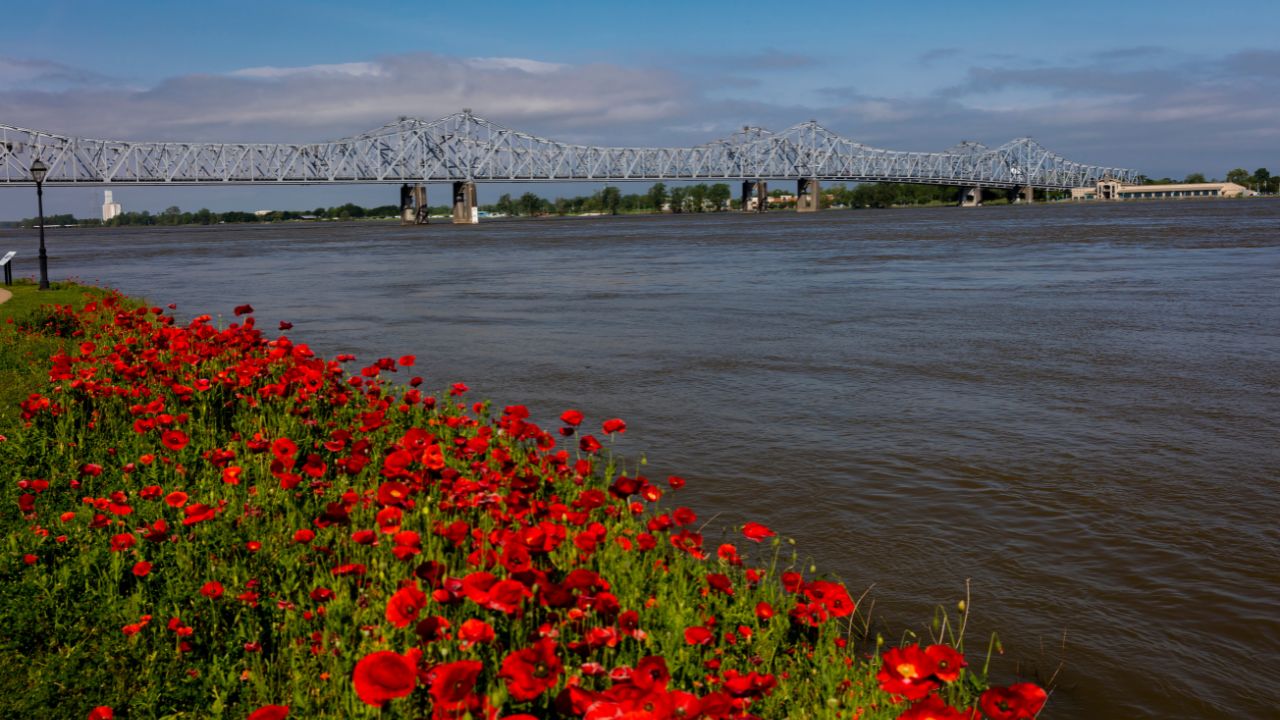
Charleston and Savannah are often considered the gold standard of historic Southern charm, known for their pastel houses, oak-lined streets, and carefully preserved old towns. While these cities are undeniably beautiful, their popularity has brought crowds, rising prices, and a more commercialized atmosphere that can distract from the authentic Southern experience. Across the American South, many lesser-known cities offer equally rich history, stunning architecture, and deep cultural roots without the overwhelming tourism. These places often feel more lived-in, more affordable, and more genuinely connected to their past.
From riverfront towns shaped by trade to inland cities marked by colonial, French, Spanish, and Civil War influences, the South is filled with historic destinations that deserve more attention. Many of these cities feature walkable historic districts, beautifully preserved homes, and local traditions that remain part of daily life. Without the constant pressure of mass tourism, visitors can explore at a slower pace and engage more meaningfully with local culture. For travelers seeking history with depth rather than hype, these Southern cities quietly outperform Charleston and Savannah.
St. Augustine, Florida
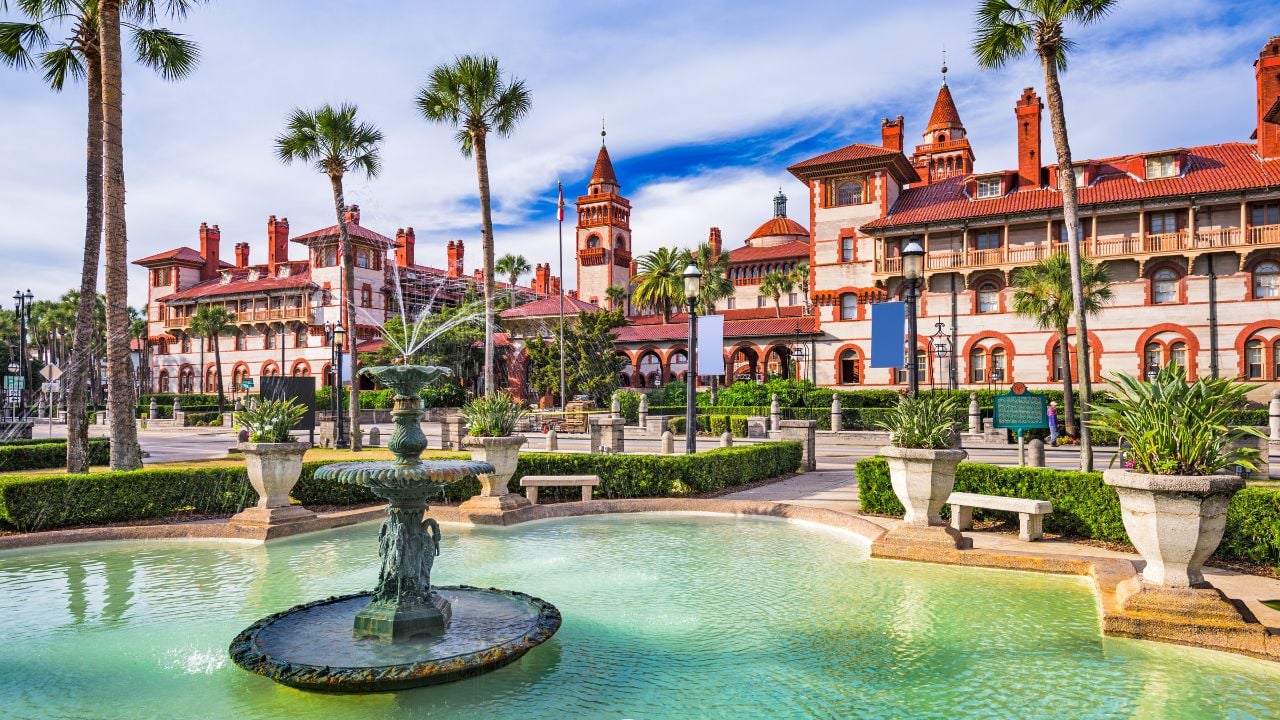
St. Augustine is the oldest continuously inhabited European-founded city in the United States, offering layers of history that stretch back more than 450 years. Spanish colonial architecture, stone fortifications, and narrow streets give the city a distinctly Old World atmosphere rarely found elsewhere in the South. Unlike Charleston or Savannah, its historic core reflects centuries of Spanish influence rather than British colonial design. This creates a unique cultural identity that feels both historic and internationally influenced.
The city’s landmarks, including Castillo de San Marcos and centuries-old churches, provide depth that goes beyond decorative charm. Historic neighborhoods remain walkable and lively without feeling overrun by tourists. Local cafés and museums feel rooted in history rather than designed solely for visitors. St. Augustine delivers authenticity and historical significance that rival far more famous Southern cities.
Natchez, Mississippi
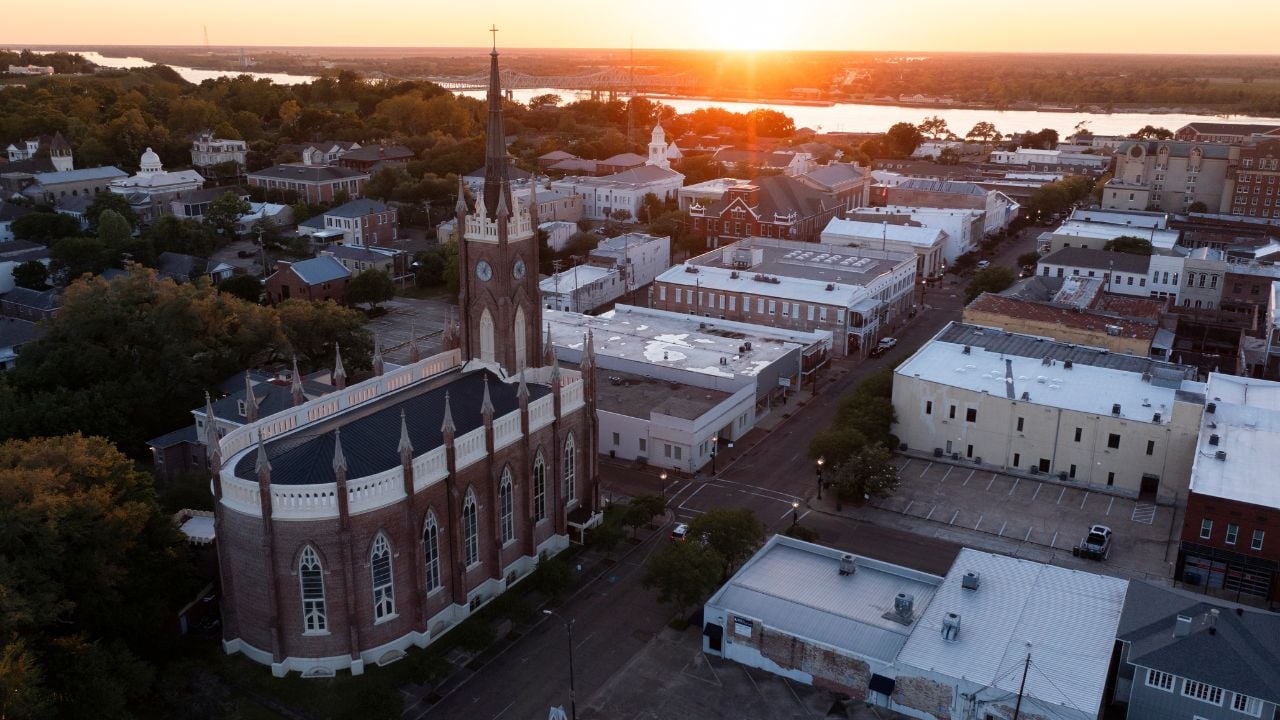
Natchez is home to one of the largest collections of antebellum mansions in the United States, many of which remain beautifully preserved. Perched above the Mississippi River, the city played a key role in Southern trade and plantation-era history. Its architecture reflects wealth, craftsmanship, and layered cultural influence from the 18th and 19th centuries. Despite this richness, Natchez remains largely overlooked by mainstream tourism.
Walking through Natchez feels like stepping into a living museum where history is woven into everyday life. Grand homes line quiet streets shaded by old trees, creating a serene and reflective atmosphere. The city’s slower pace allows visitors to truly absorb its past. Natchez offers a deeper and less commercialized look at Southern history than many better-known destinations.
New Iberia, Louisiana
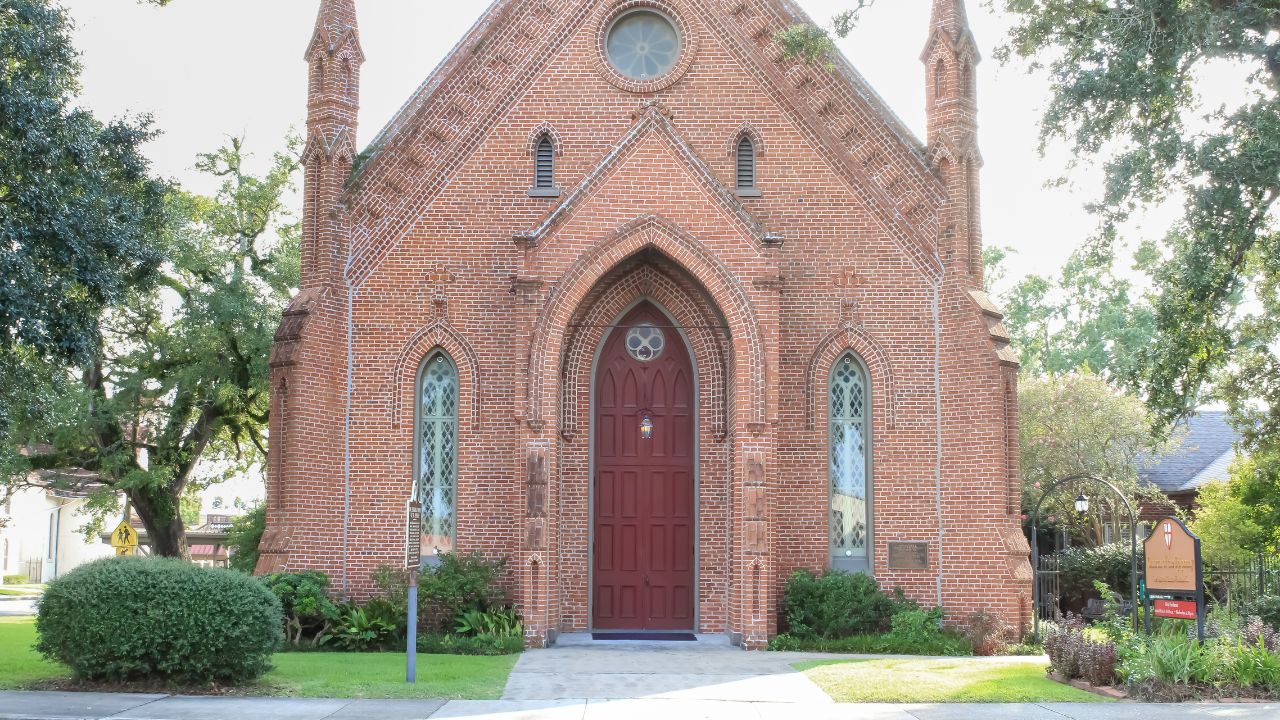
New Iberia showcases a distinct blend of French, Spanish, and Creole heritage that sets it apart from more Anglophone Southern cities. Historic buildings, bayou landscapes, and preserved neighborhoods reflect Louisiana’s complex cultural roots. The city’s past is closely tied to sugar plantations, trade, and literary history. This combination gives New Iberia a richness that feels understated and authentic.
Unlike heavily touristed cities, New Iberia maintains a strong sense of local identity. Historic homes and churches are integrated into daily life rather than isolated as attractions. The surrounding landscape adds historical context through waterways and rural scenery. New Iberia delivers depth, culture, and atmosphere without crowds.
Mobile, Alabama
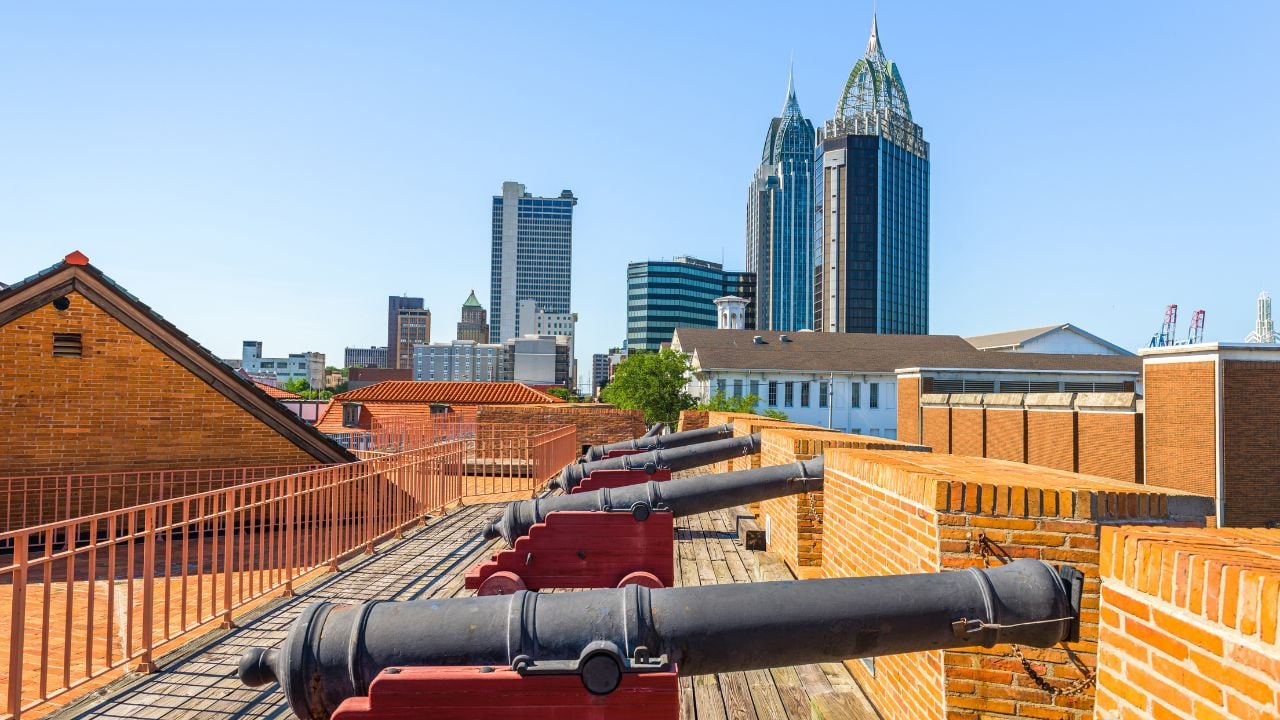
Mobile is one of the oldest cities on the Gulf Coast and played a significant role in French, Spanish, British, and American colonial history. Its downtown features historic squares, iron balconies, and preserved homes that rival those in Charleston. The city’s port history and cultural traditions give it a layered and dynamic past. Despite this, Mobile remains underappreciated by many travelers.
The city’s historic districts are walkable and lively without feeling overly curated. Museums, churches, and old cemeteries reflect centuries of change and resilience. Mobile’s Mardi Gras traditions actually predate those of New Orleans. It offers deep Southern history without the overwhelming attention of more famous cities.
Vicksburg, Mississippi
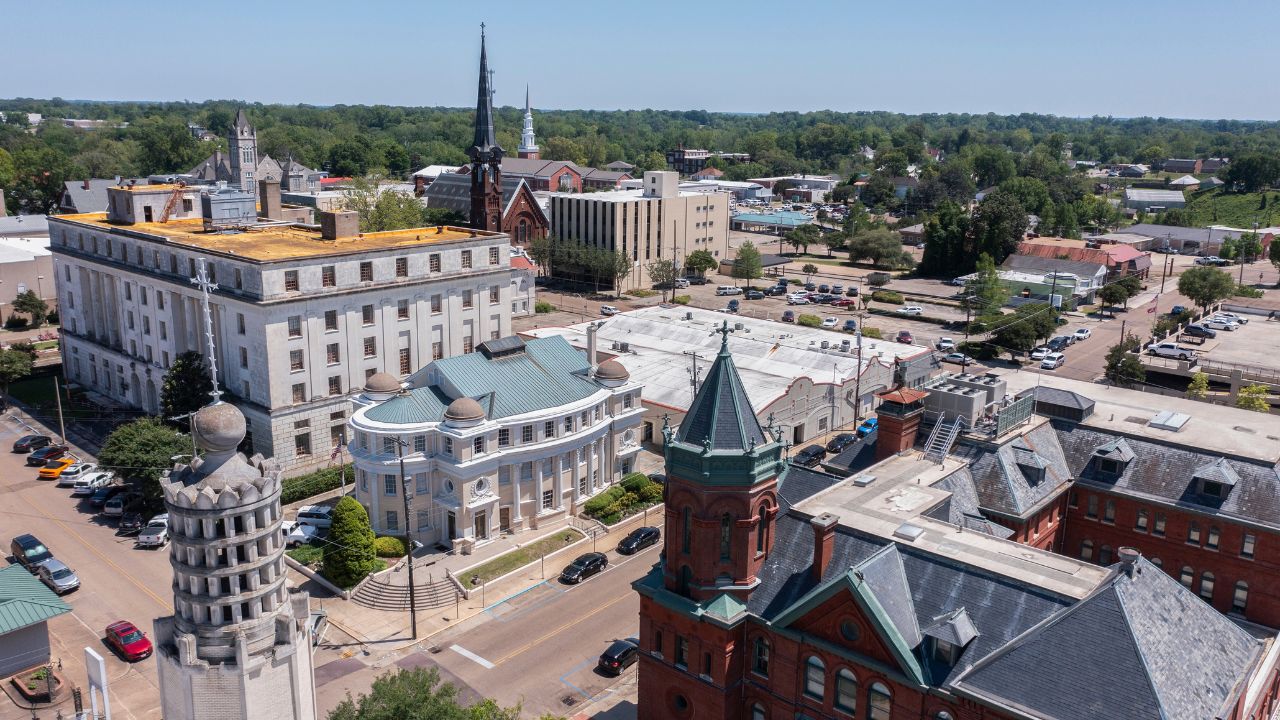
Vicksburg is defined by its critical role in the Civil War, particularly the siege that changed the course of American history. The city’s hills overlook the Mississippi River, offering both strategic and scenic importance. Historic neighborhoods and monuments reflect a past shaped by conflict and recovery. This gives Vicksburg a gravity and depth that few Southern cities can match.
The preserved battlefield and historic downtown provide context that feels educational rather than performative. Architecture from the 19th century remains intact and atmospheric. The city’s slower pace encourages reflection and exploration. Vicksburg delivers history with substance rather than surface-level charm.
Eufaula, Alabama
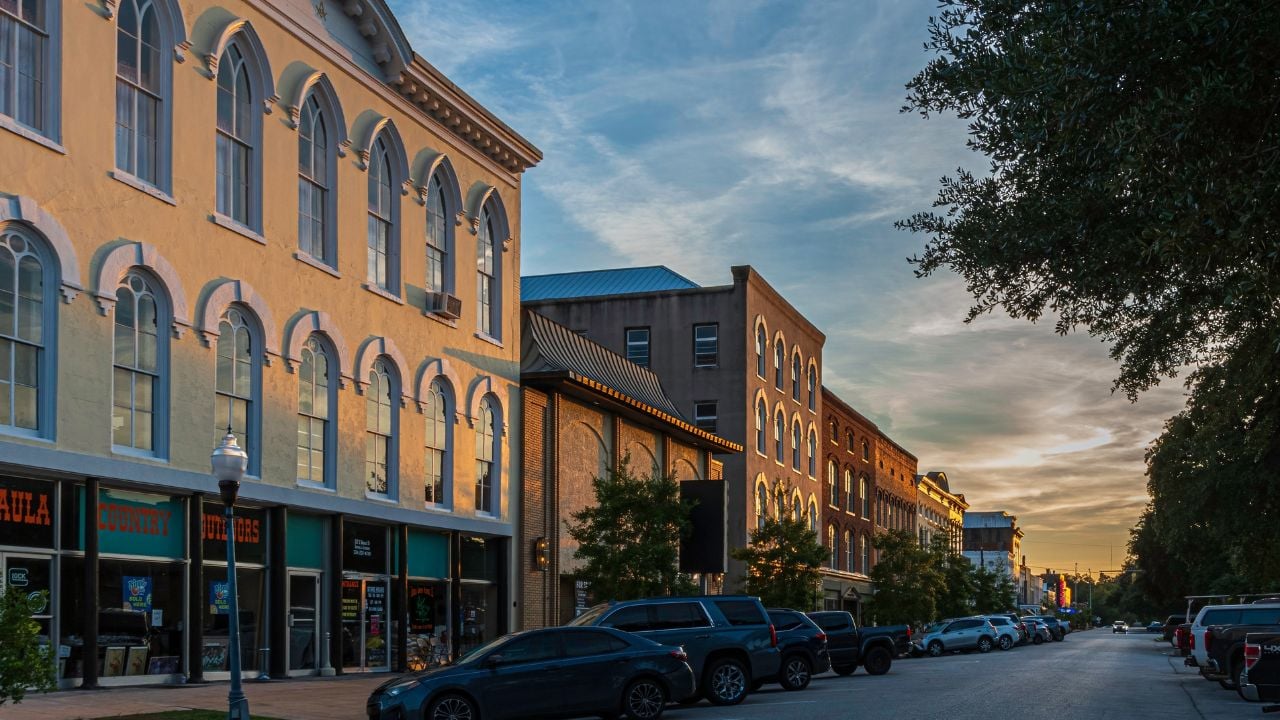
Eufaula is home to one of the most impressive collections of antebellum homes in the Deep South, with tree-lined streets and stately residences that showcase the craftsmanship, wealth, and artistry of a bygone era, creating a sense of quiet elegance rarely found in more commercialized Southern cities. Walking through the historic district, visitors can observe original wrought-iron gates, intricately carved mantels, and expansive porches that reflect the social and economic history of the region, providing a tangible connection to the antebellum period.
Despite its architectural grandeur, Eufaula remains largely overlooked by mainstream tourism, allowing travelers to experience its beauty without crowds or the trappings of modern commercialization. The city’s slower pace encourages exploration at a leisurely rhythm, inviting visitors to truly immerse themselves in its layered history.
Beyond architecture, Eufaula offers cultural richness through local festivals, riverfront parks, and historic cemeteries that reveal stories of the people who shaped the town over centuries. Its proximity to Lake Eufaula adds natural beauty that complements the historic urban landscape. Cafés, shops, and museums operate in harmony with daily life rather than dominating it for tourists. Eufaula provides a rare opportunity to experience Southern charm and history in an authentic and unhurried setting.
Fredericksburg, Virginia

Fredericksburg sits at the crossroads of colonial and Civil War history, where preserved streets, churches, and homes offer a layered understanding of America’s formative conflicts and civic development. The city’s architecture spans centuries, reflecting both Georgian elegance and wartime pragmatism, giving visitors a visually rich environment that tells stories far deeper than surface aesthetics. Unlike more famous tourist hubs, Fredericksburg maintains a sense of lived-in authenticity, with local businesses, schools, and residences seamlessly integrated into the historic fabric. Walking through the downtown district, one can feel the interplay of past and present, as historic markers, battlefields, and colonial homes create a tapestry of continuous history.
Fredericksburg also offers accessible cultural experiences that are informative without being overcrowded, from guided walking tours to interpretive museums that delve into military, political, and social history. The city’s proximity to the Rappahannock River enhances its scenic and strategic significance, while its preserved neighborhoods invite slow exploration. Seasonal events, local markets, and festivals highlight contemporary life alongside centuries-old heritage. Fredericksburg stands out as a Southern city where history is tangible, immersive, and remarkably well-preserved.
Beaufort, South Carolina

Beaufort exudes Lowcountry charm with historic homes and moss-draped oaks lining streets that lead to a scenic waterfront, creating an atmosphere that rivals Charleston but with far fewer crowds. The city’s history as a port and colonial settlement is evident in its architecture, which blends Federal, Georgian, and Victorian styles, giving visitors a rich visual narrative as they explore. Unlike Charleston or Savannah, Beaufort’s streets retain an authentic rhythm, where local residents, artists, and shopkeepers coexist naturally with the historic environment. This integration allows for a more immersive experience, where history is not just observed but lived daily by the community.
Waterfront parks, small museums, and walking tours provide cultural context without overwhelming tourists or requiring premium fees. The city’s annual festivals celebrate local heritage, seafood traditions, and the arts, enhancing its historical significance while maintaining accessibility. Quiet alleys, colonial-era churches, and historic cemeteries add layers of storytelling for those willing to explore slowly. Beaufort delivers Lowcountry history in a setting that is serene, engaging, and remarkably authentic.
Natchitoches, Louisiana
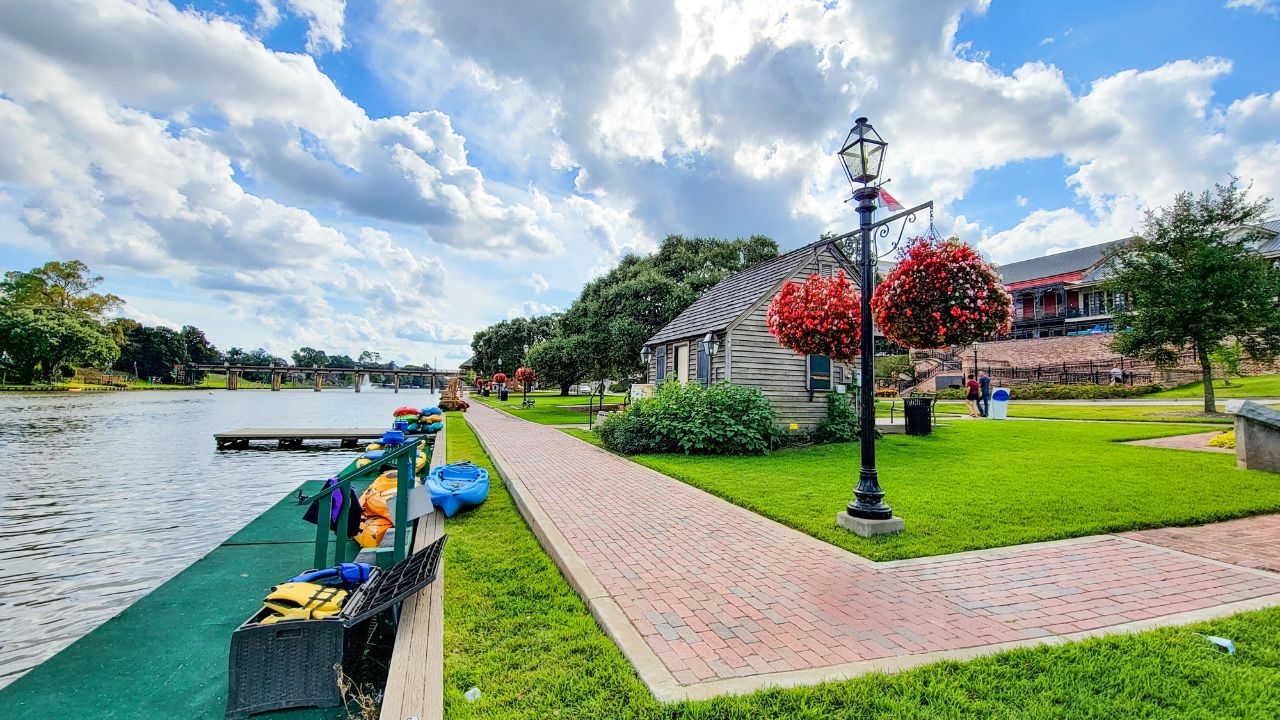
Natchitoches is Louisiana’s oldest settlement, where brick streets, riverfront views, and French Creole architecture transport visitors back to the early colonial period. Its historic district, with its preserved homes and storefronts, reflects a past shaped by trade, agriculture, and the unique cultural fusion of French, Spanish, and Creole influences. Unlike more commercialized Southern towns, Natchitoches retains a lived-in quality that makes walking through the city feel intimate and authentic rather than performative. Exploring its streets allows travelers to experience history as a part of everyday life, with local shops and cafés integrated seamlessly into the historic environment.
The Cane River and surrounding landscapes enhance the city’s historic context, providing a backdrop for both leisure and reflection. Seasonal events and local festivals celebrate the region’s heritage, combining music, food, and storytelling in ways that feel organic rather than staged. Architecture remains preserved, vibrant, and accessible, offering tangible insight into Louisiana’s colonial past. Natchitoches delivers an experience of Southern history that feels personal, immersive, and far removed from tourist-heavy destinations.
Rome, Georgia
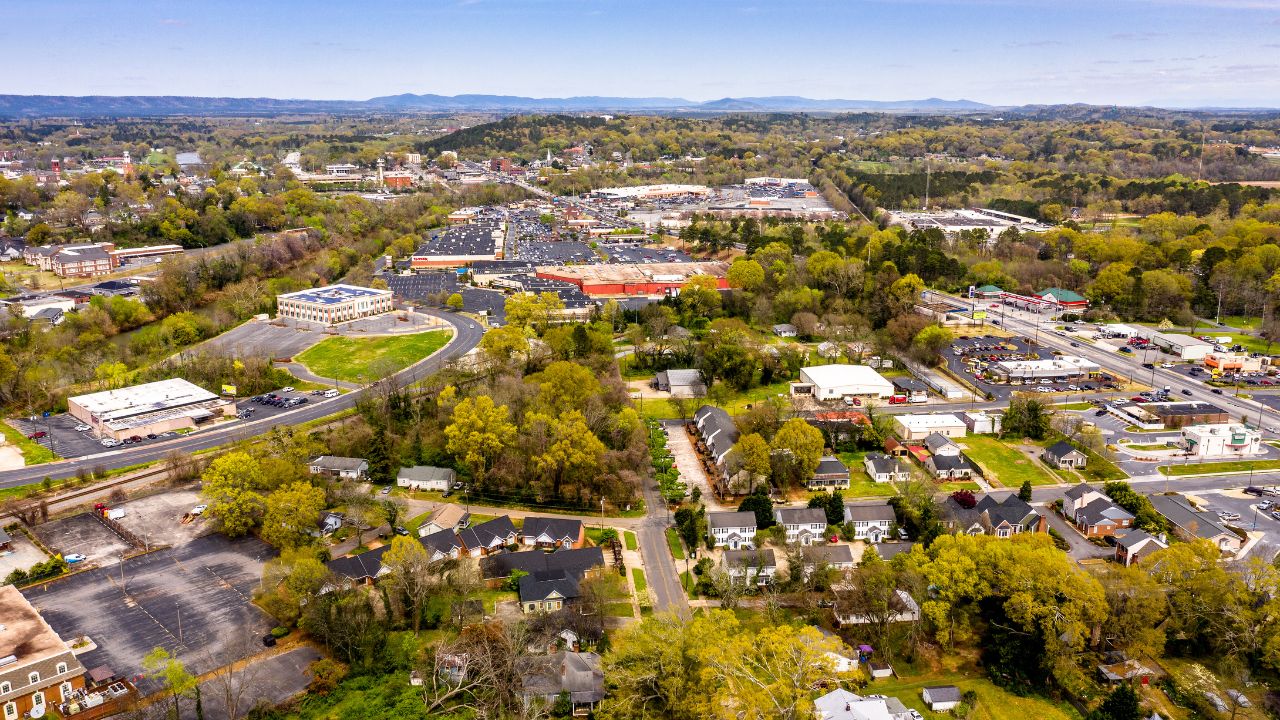
Rome sits among seven hills, with rivers and historic architecture that tell stories of the city’s 19th-century development and strategic importance in regional trade. Antebellum homes, civic buildings, and churches are remarkably well-preserved, offering visitors a sense of continuity and depth that surpasses many larger Southern cities.
The streets and neighborhoods blend historic beauty with the rhythms of modern life, allowing travelers to experience history without encountering tourist-driven commercialization. Rome’s combination of natural setting, architectural elegance, and rich history creates an atmosphere that is both dramatic and welcoming.
The city integrates its cultural offerings with everyday life, from historic theaters and museums to local markets and civic spaces. Seasonal festivals and events highlight regional traditions without overshadowing the historical context. Walking tours provide access to stories of the city’s founders, early settlers, and Civil War history. Rome presents a complete Southern historic experience that is immersive, authentic, and visually striking.
Abingdon, Virginia
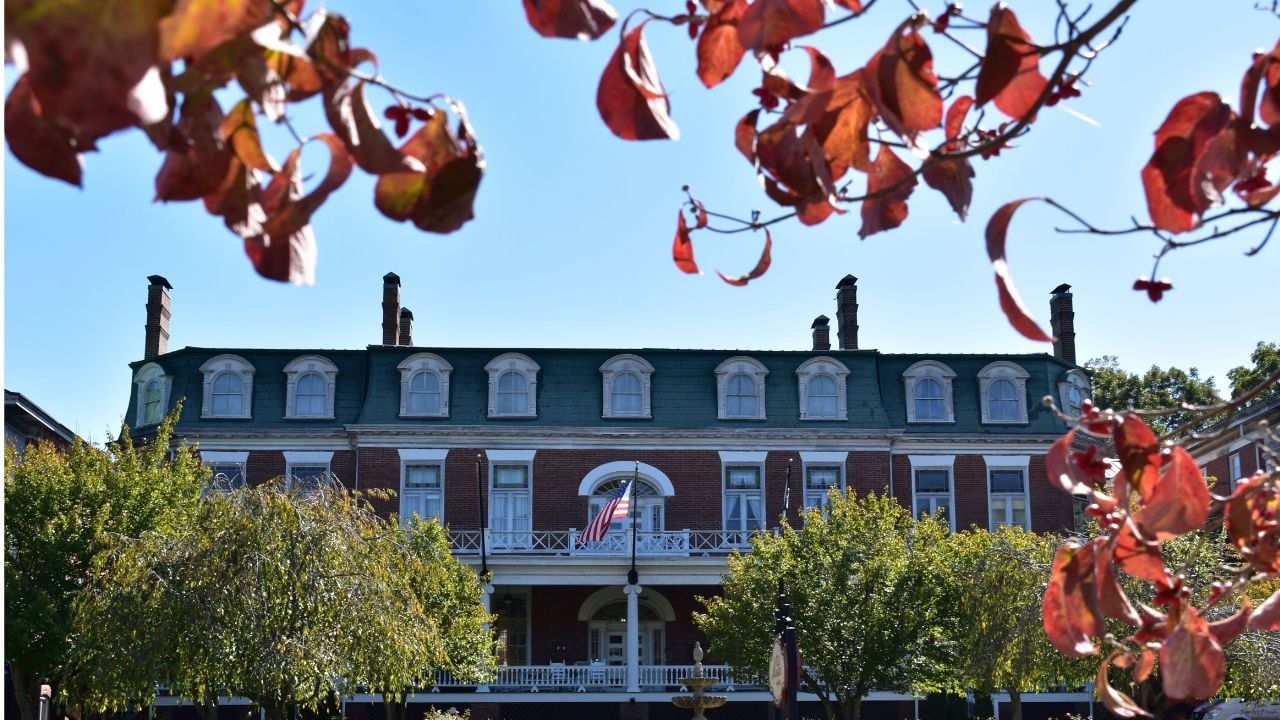
Abingdon is a small town where Appalachian history meets early American settlement, creating a historic core that is compact, walkable, and visually stunning. Brick sidewalks, colonial-era homes, and carefully preserved civic buildings convey the town’s story in a tangible way that engages visitors. Its identity as a frontier settlement adds layers of historical depth not often found in more prominent Southern cities. Exploring Abingdon allows travelers to experience history embedded in daily life rather than isolated in tourist zones.
Cultural institutions, including theaters, galleries, and local museums, contribute to a rich, ongoing narrative of Appalachian life. Historic streets remain active, with local businesses and residents maintaining continuity with the past. Festivals and community events celebrate both history and contemporary culture, reinforcing the town’s unique character. Abingdon offers an intimate and authentic glimpse into Southern heritage that is rarely replicated elsewhere.
Pensacola, Florida

Pensacola combines centuries of colonial history with well-preserved architecture and a scenic waterfront that makes it a standout among Gulf Coast cities. Spanish, French, British, and American influences converge in historic forts, churches, and civic buildings that reflect the city’s layered past. Unlike larger, more crowded destinations, Pensacola maintains a sense of authenticity, where the city’s history is integrated into contemporary life rather than reserved solely for tourists. Walking through downtown streets, visitors encounter architecture, local businesses, and cultural markers that feel part of a living city rather than a staged museum.
Historic neighborhoods remain vibrant yet tranquil, with scenic streets and preserved homes offering insight into past eras. Museums, forts, and landmarks provide educational depth without overwhelming the city’s character. Seasonal events, maritime traditions, and local festivals further highlight Pensacola’s cultural richness. The city’s combination of accessibility, scenic beauty, and historical authenticity makes it a compelling alternative to more commercialized Southern destinations.
Jefferson, Texas
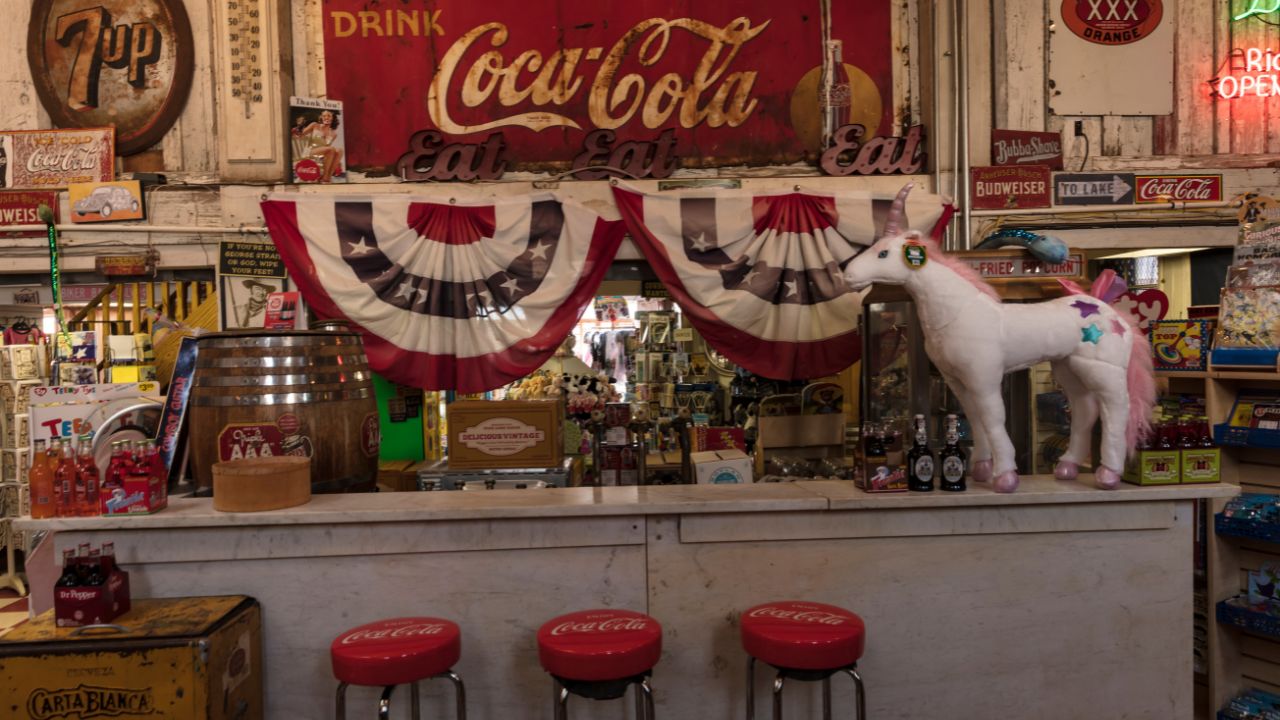
Jefferson flourished during the steamboat era and retains much of its 19th-century character, with historic homes, storefronts, and inns that showcase the city’s former prosperity. Its riverfront location adds both historical context and scenic beauty, reinforcing the sense that the town has preserved its past rather than reinvented it for tourism. Walking through Jefferson feels like stepping into a Southern town frozen in time, where history is present in the details of architecture, street layout, and public spaces. The town’s understated charm is enhanced by the authenticity of local life, which continues largely undisturbed by commercial pressures.
Jefferson’s cultural offerings include museums, guided tours, and historical events that illuminate both the town’s commercial and social history. Its streets are walkable, inviting slow exploration and careful observation. Residents maintain historic homes with pride, reinforcing the town’s authenticity. Jefferson provides a rare, immersive experience where history, architecture, and daily life coalesce seamlessly.
Apalachicola, Florida
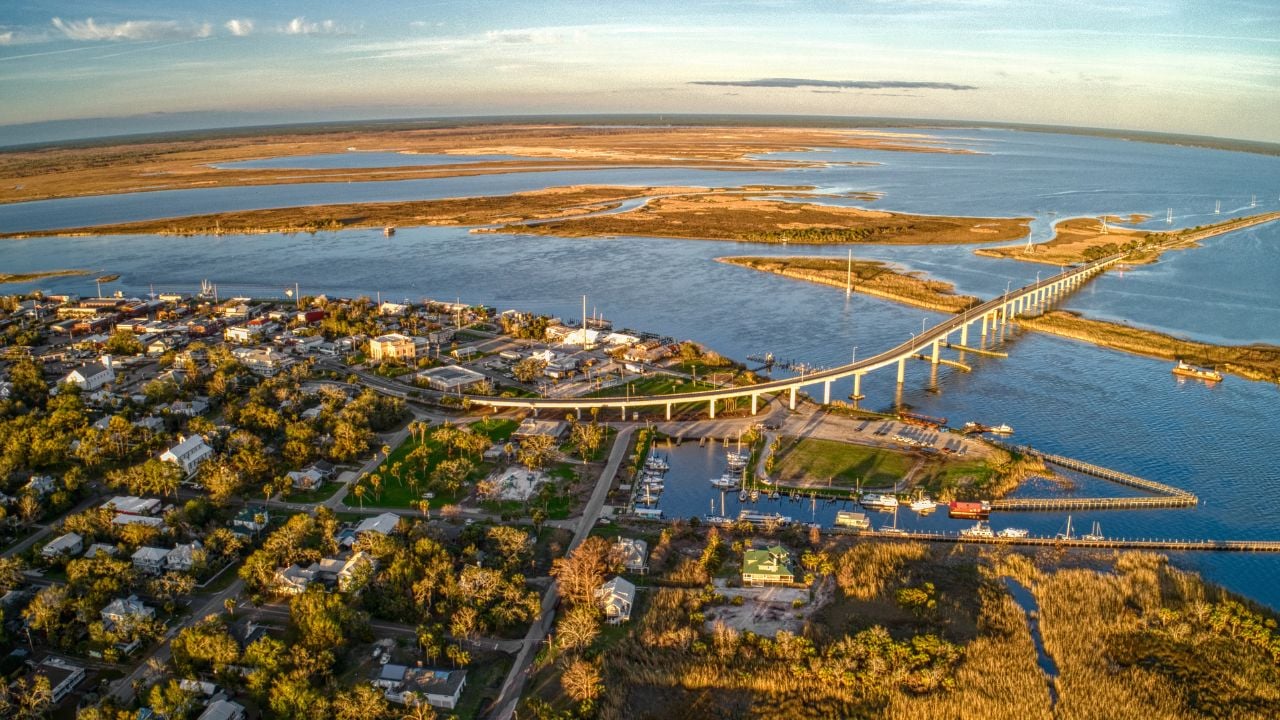
Apalachicola blends maritime heritage with Southern charm in a small coastal town where historic architecture and working waterfronts coexist naturally. The town’s past as a hub for Gulf trade and the oyster industry is evident in preserved homes, civic buildings, and waterfront structures that reflect centuries of economic and cultural development. Visitors can wander streets where history is palpable, from old warehouses to colonial-era residences, without encountering the crowds found in more famous destinations. This integration of history and contemporary life allows for an authentic experience that is both educational and engaging.
The historic downtown district is compact and easily navigable, providing access to museums, shops, and waterfront views that enhance understanding of the city’s past. Seasonal festivals celebrate local seafood, music, and heritage, reinforcing community identity and cultural continuity. Walking along the waterfront, visitors can see history reflected in both architecture and industry. Apalachicola delivers a serene, immersive, and authentic Southern historic experience.
Lexington, Virginia
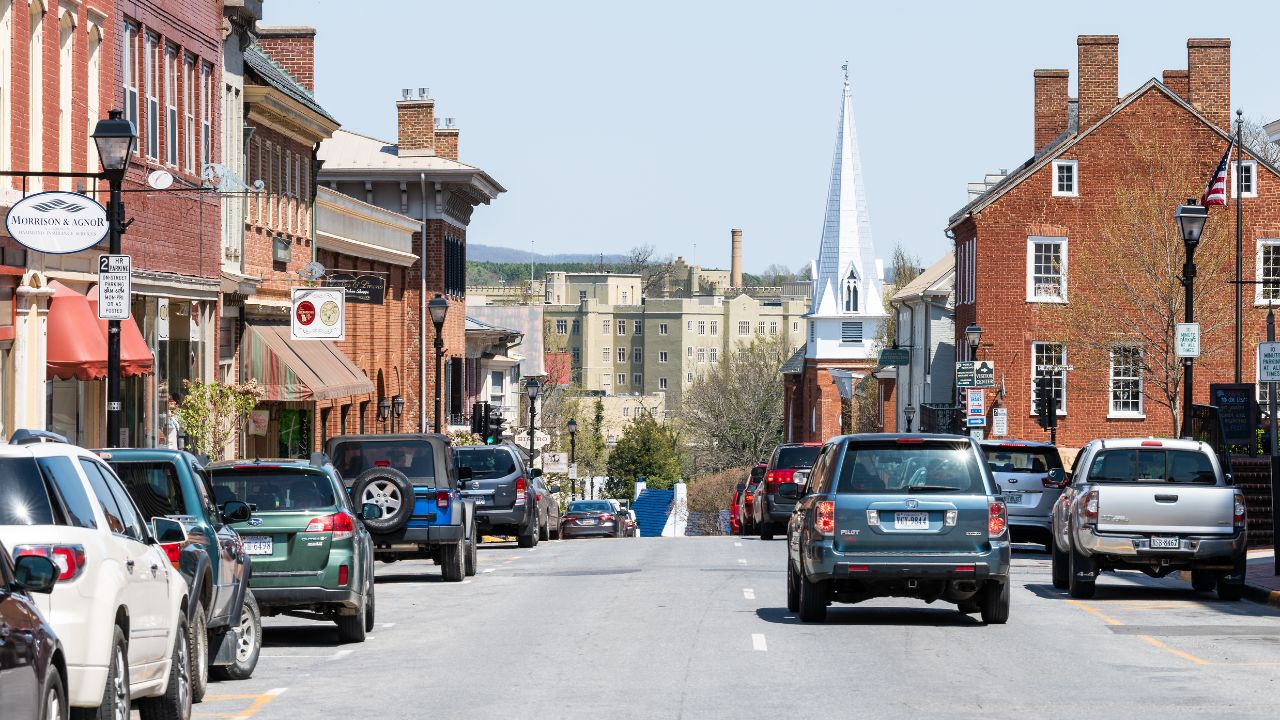
Lexington is defined by its rich educational and historical institutions, including well-preserved streets, historic homes, and landmarks that illustrate early American history and Southern heritage. The city’s architecture and civic spaces convey a sense of order, dignity, and continuity that is rarely found in more commercialized Southern towns. Walking through Lexington, visitors encounter a blend of historic colleges, battlefields, and preserved neighborhoods that create a layered and immersive historical environment. Unlike more touristic destinations, Lexington maintains authenticity, where daily life coexists seamlessly with centuries of history.
Historic sites, from military academies to churches and museums, are integrated into the town’s ongoing community life rather than isolated for visitors. Seasonal events, guided tours, and cultural programs provide depth and context without overwhelming the atmosphere. Streets remain vibrant yet tranquil, inviting slow exploration and reflection. Lexington quietly outperforms better-known Southern cities by offering depth, accessibility, and genuine historical immersion.