
After years of slide setbacks and one more late-winter interruption, this route finally has a real comeback story. Highway 1 through Regent’s Slide reopened in January 2026, restoring full coastal travel, and through access between Cambria and Carmel was restored again on February 20 after crews cleared storm debris. That changes the mood for summer planning in a big way. The classic coastal drive is whole again, and Big Sur is back in play as the kind of trip people daydream about all year.
There is still a reason to plan with your eyes open. Visit California notes that the road is open but urges travelers to check QuickMap before setting out, and Big Sur’s visitors guide reminds people that summer on this coast can still mean fog, cool beaches, and shifting conditions. That unpredictability is part of the charm, but it rewards travelers who pack layers and keep the schedule a little flexible. Big Sur is ready, though it is never a place that wants to be rushed.
1. The Drive Feels Iconic Again
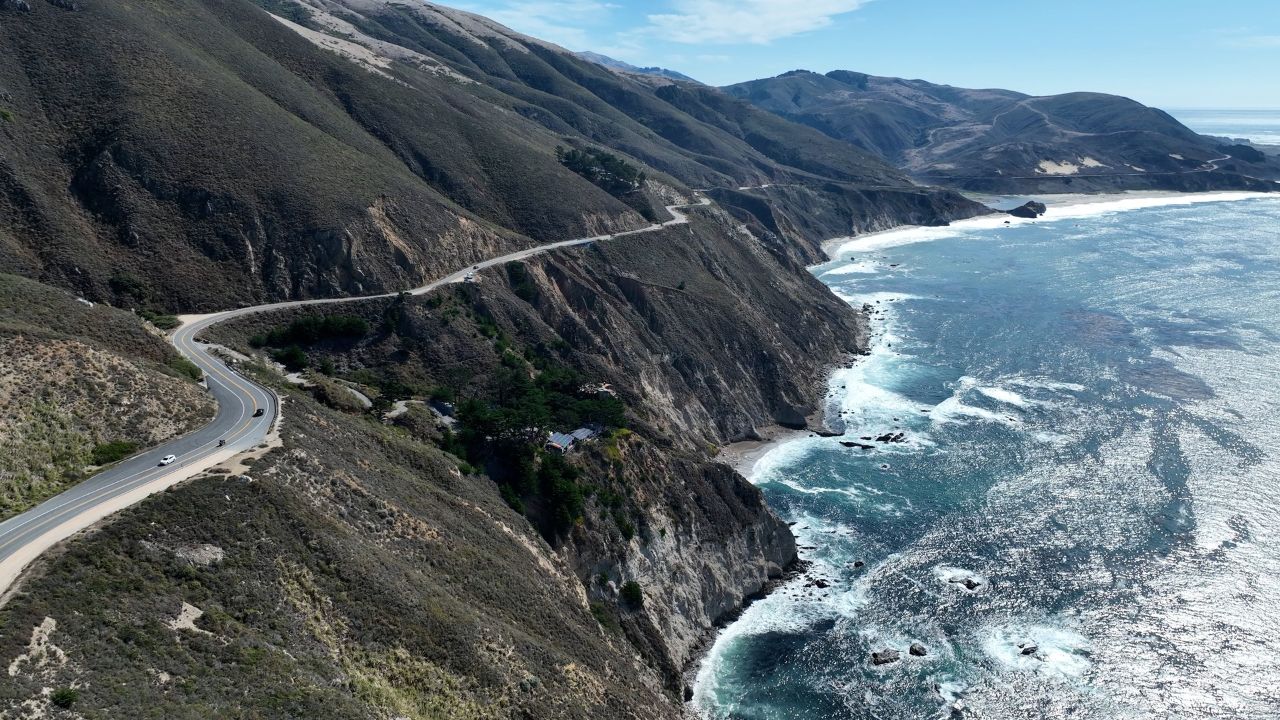
Big Sur works because the setting stays dramatic mile after mile. Visit California describes it as a roughly 90-mile stretch of coastline between Carmel-by-the-Sea and Hearst Castle, while the local visitors’ guide calls it a rugged and awesomely beautiful reach of shore between Carmel and San Simeon. Either way, the result is the same. The highway keeps threading between mountain and ocean, and the road builds anticipation almost better than any destination at the end of it.
In practical terms, the route no longer has to be treated like a half-open puzzle. Through travel is back, which means summer visitors can shape a proper coast trip instead of an awkward out-and-back one. That restores one of California’s great pleasures, the freedom to stop on instinct because the light improved around the next bend or the ocean suddenly looked better from one pullout than the last. The drive feels like a drive again.
2. The Interior Side of the Coast Is Just as Good
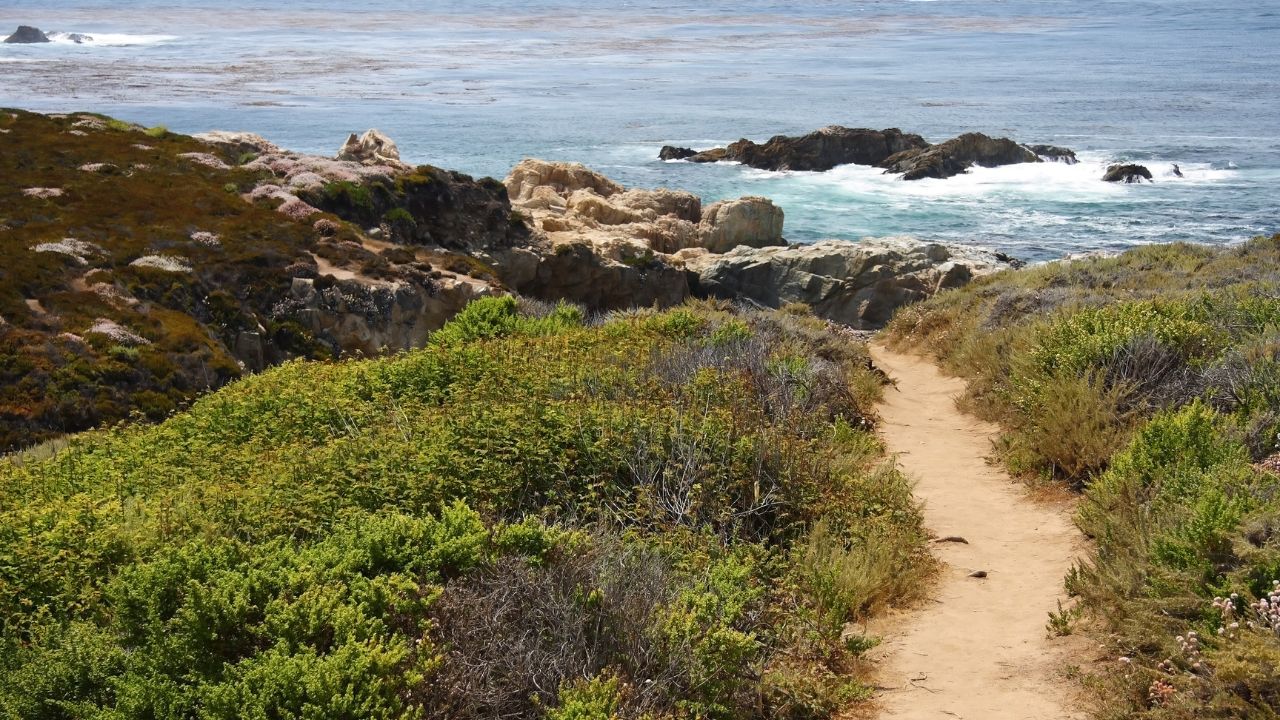
This region is not all cliffs and overlooks. Pfeiffer Big Sur State Park is open for day use from 8 a.m. to sunset, and the park’s campground is so popular that reservations often fill six months in advance, even in winter. That tells you something important before you even arrive. People do not come here only to grab one photo and leave.
Inside the park, the range is better than many first-timers expect. The trails page shows Buzzard’s Roost open for big ocean-and-mountain views, with Valley View, Pfeiffer Falls, River Path, and Warden’s Path also open. During summer, the park programs add guided hikes plus Junior Ranger and Ranger Cubs activities from Memorial Day through Labor Day. The result is a welcoming seasonal rhythm that does not take away the place’s wildness.
3. The Famous Sights Still Deliver, With One Honest Caveat
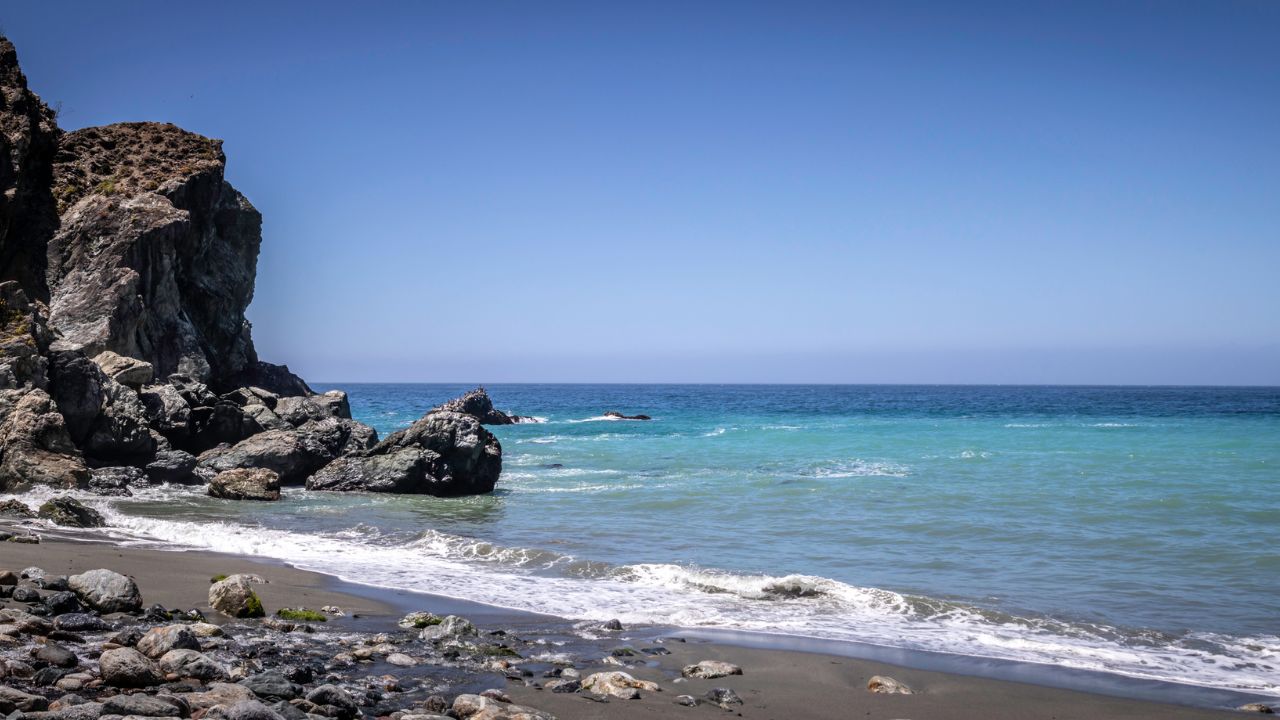
McWay Falls remains one of the coast’s defining images, but this is where honesty matters. Julia Pfeiffer Burns State Park says the McWay Falls Overlook Trail remains closed for a long-term retaining wall repair project expected to continue into 2026. Parking inside the park is limited, and the falls can currently be viewed only from a small roadside area on Highway 1, while Ewoldsen Trail remains open. It is better to know that before you build an entire day around the old overlook.
That is not a reason to skip the area. Limekiln State Park still delivers one of Big Sur’s best combinations, with rugged coastline, redwoods, old limekilns, and a nearly 100-foot waterfall. Better still for summer travelers, camping reopened there on April 1, 2026, after a long stretch of day-use-only access. That puts forest shade, shoreline drama, and an overnight stay back on the table in one of the coast’s most satisfying park stops.
4. You Can Still Find Real Adventure Here
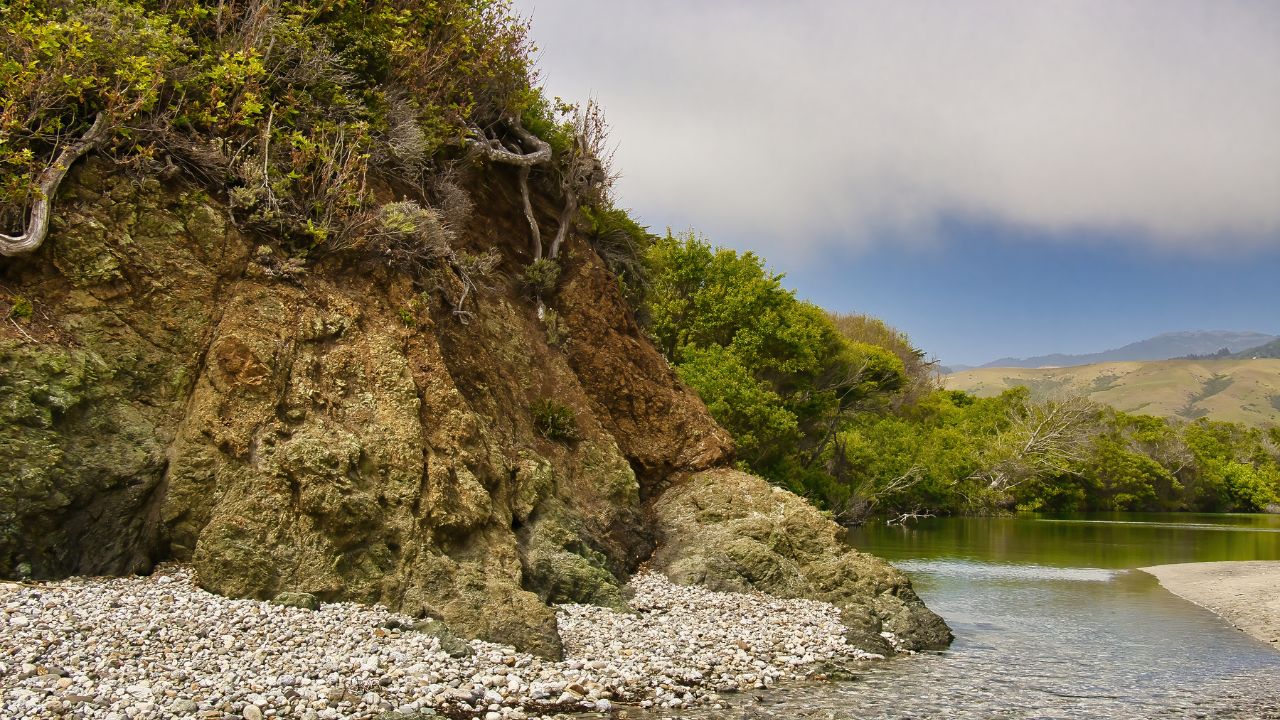
Another reason this stretch belongs on a summer list is that it still feels active, not over-programmed. Andrew Molera State Park covers almost 5,000 acres of largely undeveloped terrain and includes 15 miles of trails, the Big Sur Rivermouth, Cooper Cabin, the Molera Ranch House Museum, and the California Condor Discovery Center. That is a lot of payoff for one stop, and the place still feels roomy in a way many famous coastal destinations no longer do.
Summer adds a little extra life without turning the experience into a theme park. The Condor Discovery Center at Andrew Molera operates on weekends from Memorial Day through Labor Day, and the park itself stays much more open-ended than heavily packaged. That means a day here can include a proper walk, a little wildlife learning, and one of the best river-meets-ocean settings on the coast. Big Sur has scenery to spare, but it also has texture.
5. The Smartest Summer Trips Are the Ones That Plan Ahead
Big Sur rewards preparation, and summer is not the month to wing it. State Parks says day-use admission is $10 per vehicle, cell phone service is extremely limited in Big Sur, and tour buses and RVs are not permitted in the parking lots at Andrew Molera and Julia Pfeiffer Burns. The local camping guide adds another blunt reminder: camping alongside Highway 1 is illegal, and campfires and barbecues are allowed only in designated campgrounds. Those details may not sound romantic, but they can save a trip from turning messy.
Pack for cool air even if the inland forecast looks hot. Big Sur’s beach guide notes that summer beaches often sit under seasonal fog and can feel chilly, while Pfeiffer Big Sur makes clear that campsites book far ahead. Check QuickMap before you leave, reserve early, and give yourself time to move slowly once you arrive. Do that, and this becomes the kind of summer drive people talk about for years.