Flock cameras have raised serious concerns after several incidents in the recent past showed a common trend, where they falsely flag vehicles as stolen and notify local law enforcement agencies every time the vehicle passes by.
Many of these incidents occur because the system misreads a number plate and then incorrectly matches it with a vehicle in its database.
One such incident comes straight out of Plymouth, Minnesota, where automotive journalist Joel Feder was testing a Range Rover.
The Flock camera generated a false stolen-vehicle alert, leading to a tense situation when police surrounded the Range Rover while Feder was inside with his wife.
Feder Was Pinned by Police Cars
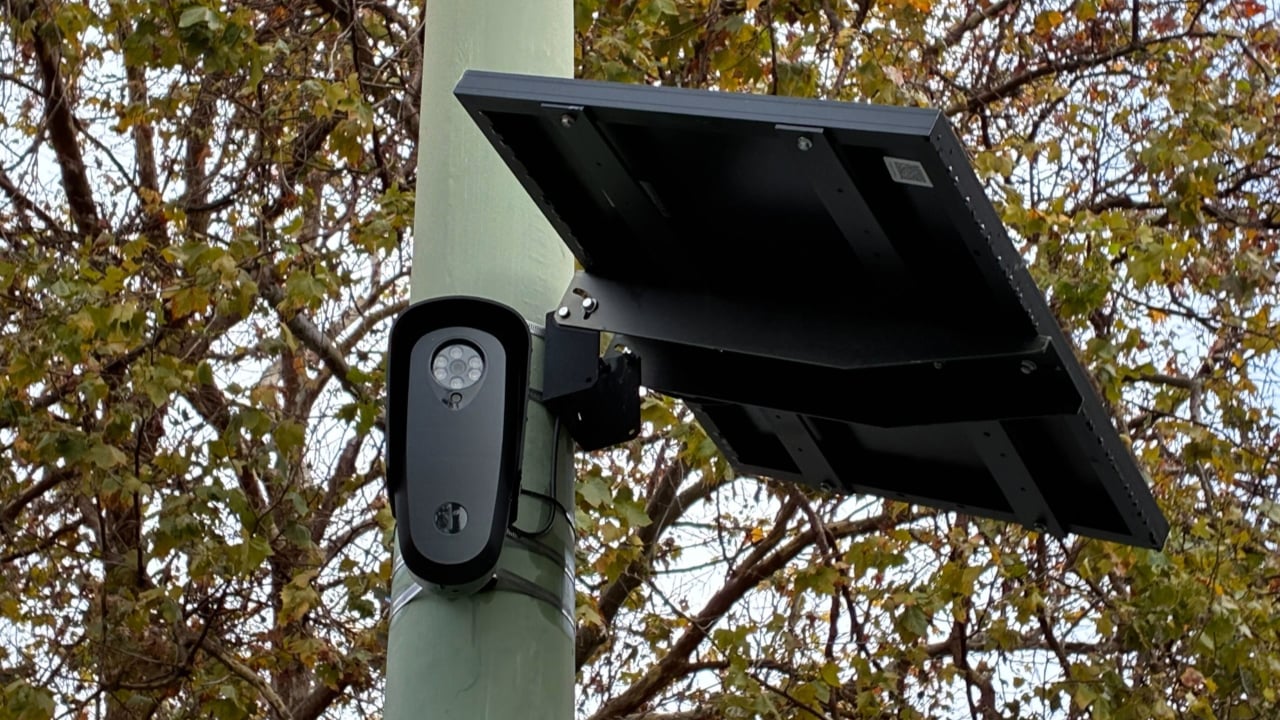
Feder, who is the director of content and product at The Drive, wrote a detailed story about the incident, highlighting that he was being tracked around town for several days by Flock cameras, but the officers kept losing the trail.
This time, though, the Flock camera alerted the officers about the Range Rover turning into Kohl’s, prompting an ambush. The officers waited for Feder and his wife to enter the Range Rover so they could swing into action.
According to a report by Fox 9, Feder was exiting Kohl’s in Plymouth when two police cars came from the right, and two from his left, blaring their lights and sirens, and surrounded the Range Rover. Revealing his ordeal, Feder said:
“And I see two cop cars lit up with sirens blasting coming in the backup camera from the passenger side. Then I look to my left in the glass and all of a sudden I see two more cop cars coming from my driver’s side. So now I’m boxed and pinned in and I got four cop cars, lights going”
Keeping their hands on their holsters, the officers asked him to step outside. Feder complied and followed the instructions, and eventually introduced himself. The officers then told him the reason for the stop:
“The reason you have four cops here is your license plate is registered as a stolen license plate.” Fortunately, although the SUV was not his, Feder had all the documents in the Range Rover that proved the car was not stolen, and that he was testing it.
It turned out that Feder’s plate, 3410 DTM, was misread as 34 DTM by the Flock camera. The actual stolen vehicle from a Los Angeles dealer had the plate 34 03 DTM. So, ignoring the ’03’, the Flock system began alerting the police when it saw 34 DTM.
Feder wrote on The Drive that “a lot of vehicles in JLR’s media fleet have a New Jersey manufacturer plate with the same alphanumeric structure—34 ## DTM,” and there is a high chance they could also be flagged.
He stated that “four other 34 ## DTM cars were being tracked around Minnesota that week,” and he was the first one to get intercepted.
Ironically, Feder wrote that the incident occurred less than two weeks after The Drive published a report “on the privacy risks of Flock license plate cameras being turned into an all-encompassing surveillance system.”
What Does Flock Say?
Following the incident, Flock explained that its camera alerts should only be used as a basis for an investigation and not as conclusive evidence of a crime. Fox 9 reported:
“We take incidents like this seriously and are looking closely at what happened. An alert should be one part of an investigation, not the whole basis for a stop.
“We consistently advise law enforcement agencies that alerts should be treated as investigative leads, and that officers should independently verify the license plate, vehicle details, and surrounding circumstances before taking any enforcement action.”
The Plymouth Police Department found out that the Range Rover’s license plate was wrongly entered into the NCIC database. The statement read:
“With help from the driver, officers ultimately discovered that when the license plate was reported as stolen in California on June 24, 2026, it was improperly entered in the NCIC database with incomplete numbers.
“Plymouth officers received alerts for the vehicle plate via Flock on June 26 and June 28, the day of the incident. License plate readers alert officers when a vehicle bearing a license plate that has been entered into NCIC passes by the camera.
“The reasons for an NCIC alert can include, but are not limited to, stolen vehicles, plates, property or guns, as well as missing persons. If an officer was on routine patrol and manually checked a license plate on their computer, they would receive the same information from NCIC that was received via Flock.”
As for Feder, he has questioned how a “simple data-entry error, magnified and broadcast nationwide by a growing surveillance network operated through an opaque partnership between a private company and public agencies,” led police to identify him as a car thief and treat him accordingly until they realized it was a system error.
The question is, how many more innocent drivers would need to be stopped before the system is either enhanced for accuracy or taken down entirely?