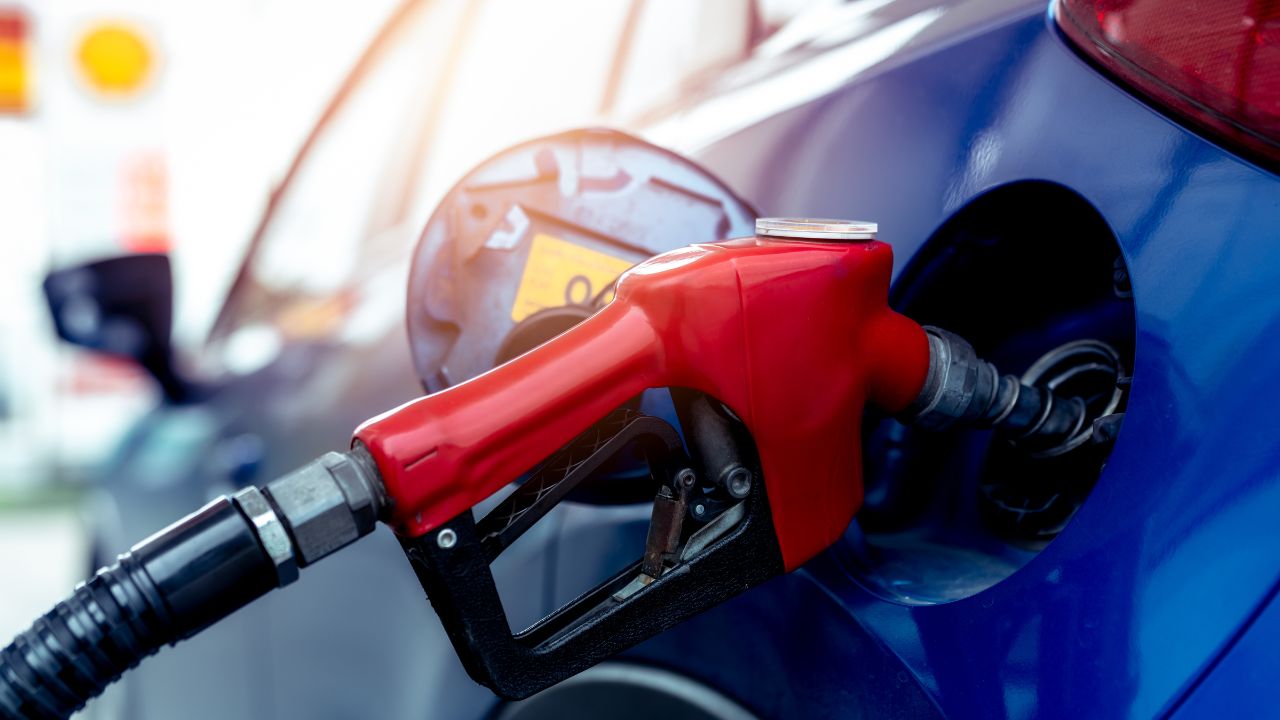
With emission norms taking center stage in the world of automobiles, the future of gas-powered cars has been under threat.
The advent of electric vehicles has meant that people will increasingly have either electric or hybrid vehicles as options, as manufacturers are forced to offer them alongside gas-powered vehicles.
Now, though, a pilot project being conducted in Spain could help current owners eventually switch to a renewable fuel that is compatible with existing vehicles.
The fuel in question is being tested by Toyota and BMW on their existing cars, and its findings will be released when the project concludes in six months. Notably, the renewable fuel has been in use in Spain since last year and is thus being tested there.
Decarbonization of Mobility Could Lead to a Major Breakthrough

According to a press release by Toyota, the automaker has teamed up with BMW, Repsol, and Bosch to launch a pilot project testing how existing vehicles can run on renewable fuel. The project aims to gather tangible data showing how this type of fuel could play a major role in decarbonizing Europe’s mobility sector in the future.
The pilot project began in early July, when 20 Toyota and BMW vehicles began running on Repsol’s 100% renewable gasoline, called Nexa 95 blend, which is currently on offer in Spain. Notably, the cars from both brands have mostly been kept in their stock condition for the test.
The Nexa 95 is made from RED-compliant feedstocks that are compatible with fuel systems present on vehicles being used today and help reduce greenhouse gas emissions when compared to traditional fuel.
Bosch will assist with certifying the results of the renewable fuel through its digital fuel tracking system. Dr. Marko Babic, Head of Product Area at Bosch and in charge of the Digital Fuel Twin, said the company will monitor fuel usage on vehicles in real-time and build “the foundation of trust and regulatory compliance needed for higher acceptance of renewable fuels in the mobility and transport sector.”
The Project’s Goal Is to Complement Electrification
Through the collection of robust data and insights, the pilot aims to support the ongoing European policy discussions on decarbonizing the automotive sector.
While the electrification of vehicles is being prioritized, the pilot aims to showcase that renewable fuels can play a complementary role in reducing carbon emissions.
The data from the pilot project will be shared with EU policymakers, industry stakeholders, and the media, prompting talks about the technology and its inclusion in future regulatory frameworks.
Overall, the pilot project has three objectives. They are as follows:
- Availability of renewable gasoline in the market – leveraging Repsol’s infrastructure, currently the only provider of 100% renewable gasoline at public fuel stations in Spain
- Readiness of digital tracking and certification technologies – enabled by Bosch’s “Digital Fuel Twin” system, which certifies renewable fuel usage across the full lifecycle
- Operational deployment of VEEF (Vehicles running Exclusively on Eligible Fuels) fleets – demonstrating that existing vehicles can run today on 100% renewable fuels using existing infrastructure
Pascal Ruch, Vice President Corporate & Governmental Affairs, Toyota Motor Europe, said that zero-carbon-emission vehicles may not become a reality even by 2035, adding that renewable fuels would play a key role in bridging that gap, especially when paired with hybrid technology. Addressing the pilot project, he said:
“This pilot aims to demonstrate how renewable fuels can make a meaningful and sustainable contribution to decarbonisation today, for both new and existing vehicles.”
For the automotive industry as a whole, the pilot could have significant implications if the EU ultimately recognizes renewable fuels as a viable pathway to reducing emissions. Such a move could help preserve a role for gas-powered vehicles in future regulations, giving automakers greater flexibility to offer a broader mix of powertrains based on consumer demand rather than relying primarily on electrification.