

A tragic chain of events unfolded on the M5 motorway in Somerset, England, late on the night of November 30, 2025.
An 18-year-old identified as Logan Smith was being transported to a hospital by ambulance when paramedics became concerned about his condition. They pulled over onto the hard shoulder near Weston-super-Mare shortly after 11 p.m.
What happened next would become the focus of a national investigation.
Smith exited the ambulance and moved onto the motorway, placing himself in immediate danger among fast-moving traffic. Paramedics called police for urgent assistance as the situation escalated.
An officer from Avon and Somerset Police arrived shortly afterward and attempted to engage with the teenager on the roadway. Body-worn camera footage later showed the officer trying to communicate before resorting to force.
The Taser Deployment and Fatal Impact
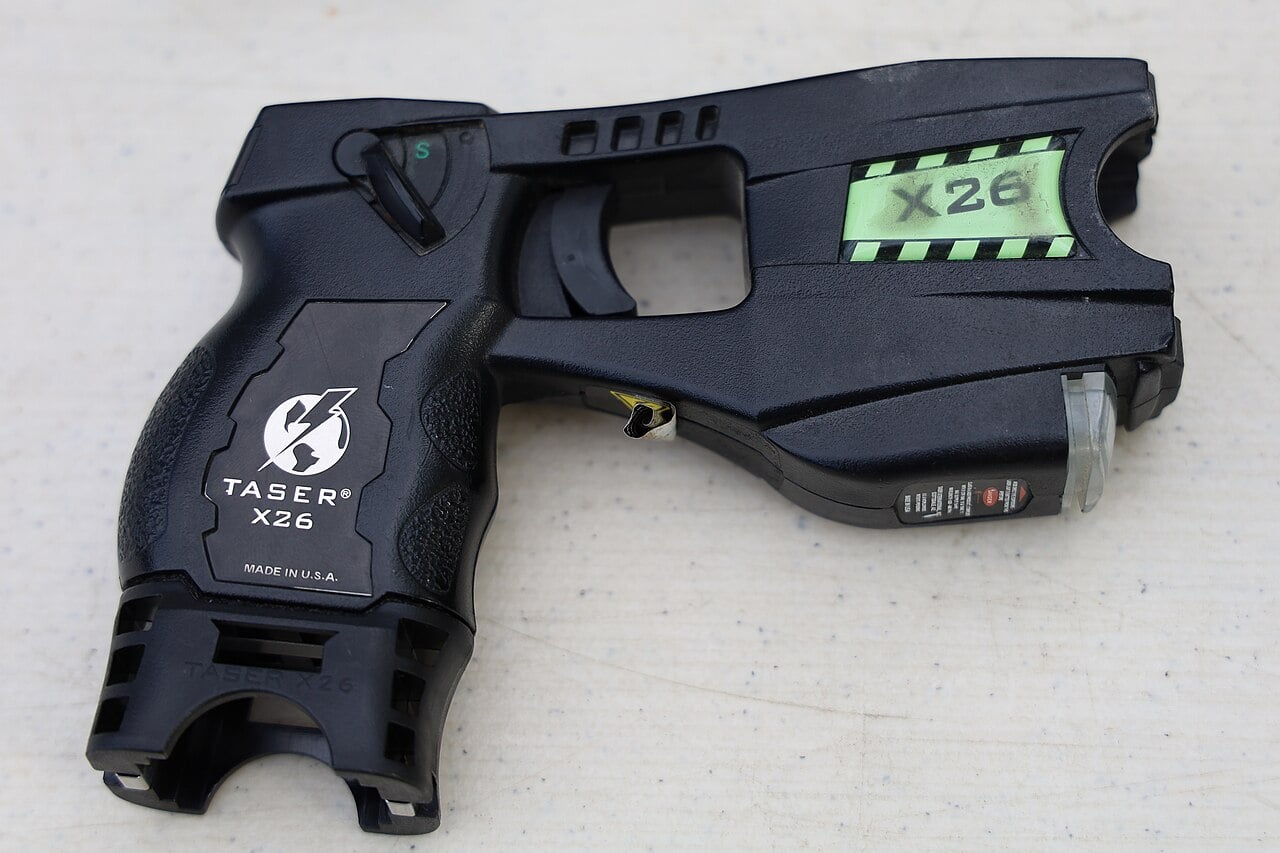
During the encounter, the officer discharged a Taser. The electrical shock caused Smith to fall into a live traffic lane. Within moments, he was struck by a passing vehicle.
Emergency aid was administered at the scene, but the injuries proved fatal. Smith was pronounced dead on the motorway, turning what had been a medical transport into a deadly police-involved incident.
Investigators later confirmed that the Taser functioned as intended. However, the consequences of its use in such a hazardous environment became central to the case.
Misconduct Investigation and Key Questions
The UK’s Independent Office for Police Conduct opened an investigation into the officer’s actions, focusing on whether the use of force was justified and proportionate under the circumstances.
Officials are examining whether proper procedures were followed, including whether the officer conducted required safety checks before deploying the Taser. Early findings indicate there may have been a breach of professional standards, rising to the level of misconduct.
The investigation also includes analysis from an independent Taser expert and review of body camera footage, witness accounts, and emergency response timelines. Authorities have emphasized that the outcome could range from no action to disciplinary measures, depending on final conclusions.
This case adds to ongoing scrutiny in the UK regarding the use of Tasers, especially in situations where a subject is already in a vulnerable or dangerous location.
How We Do It in America
In the United States, the circumstances raise immediate comparisons with policing standards, particularly in highway and use-of-force scenarios.
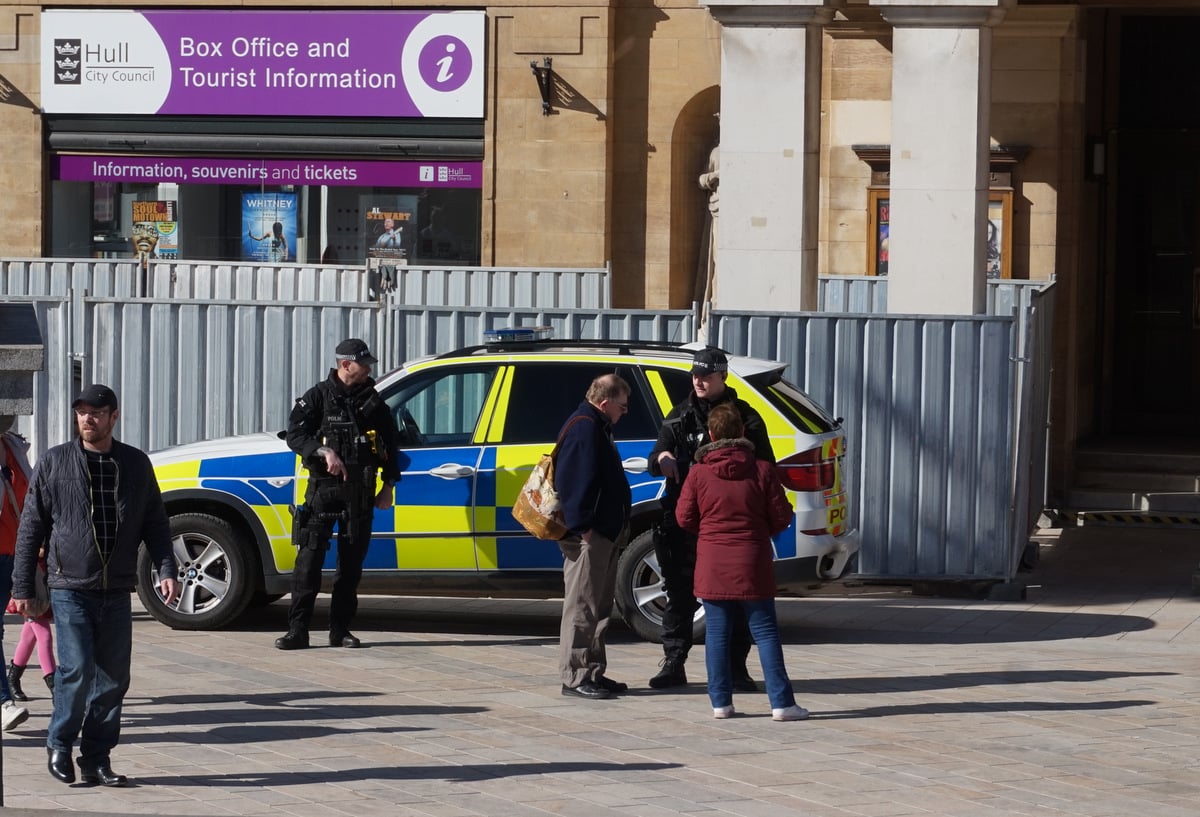
In the U.S., officers are trained to weigh environmental risks heavily before deploying a Taser. Many departments have policies that discourage or prohibit its use when a fall could place a suspect in greater danger, such as near traffic lanes, or elevated areas.
If this happened on an American interstate, several layers of review would likely follow. Internal affairs divisions would conduct an administrative investigation, while an independent body or prosecutor might review the case for potential criminal liability.
Civil lawsuits from the victim’s family would also be highly likely.
Body camera footage would play a central role, often released publicly to ensure transparency. In high-profile cases, federal authorities such as the Department of Justice can step in to examine whether civil rights violations occurred.
The UK process, led by an independent watchdog, differs structurally but shares a similar goal of accountability. Still, the U.S. system tends to involve more litigation and public disclosure, especially when fatalities occur during police encounters.
The death of Logan Smith underscores the split-second decisions officers must make and the profound consequences when those decisions intersect with high-risk environments like active roadways.
Sources: policeconduct.gov.uk, The Guardian