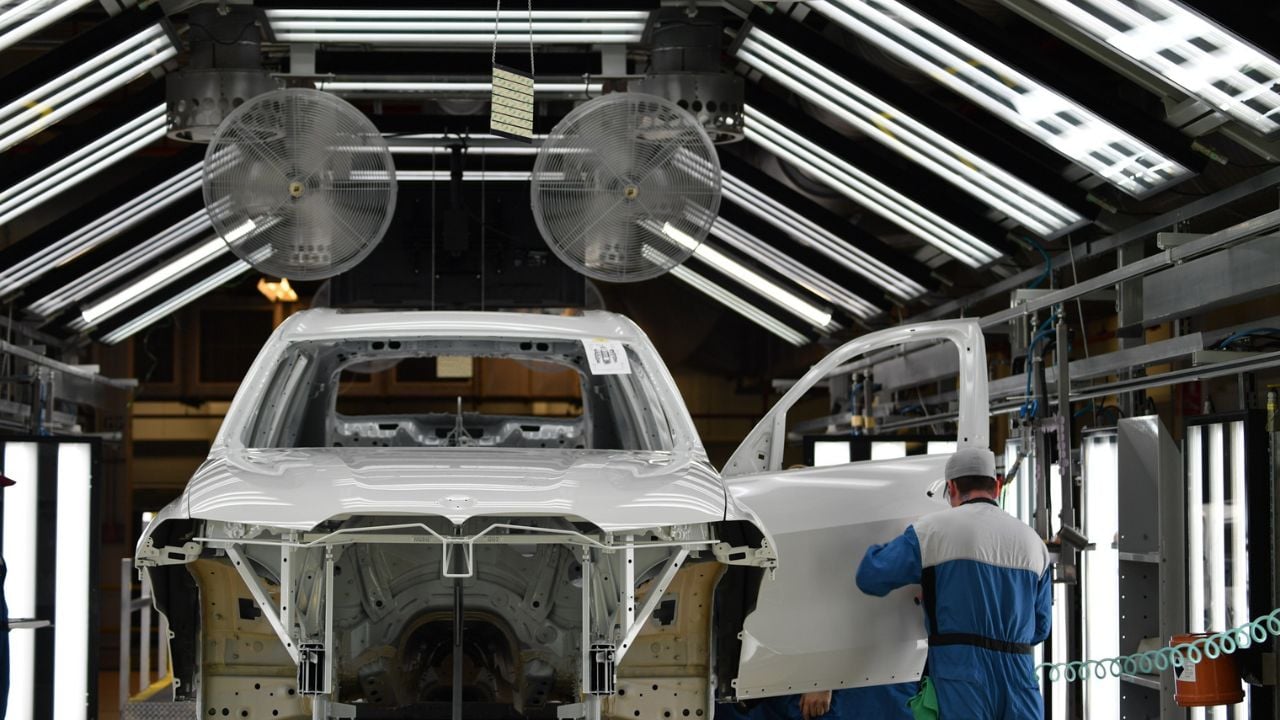

The industry keeps trying to have it both ways. Build one car, sell it as gas, hybrid, or electric, and squeeze every last dollar out of a shared architecture. We’re all guilty of hailing the engineering efficiency.
In reality, though, multi-propulsion platforms often produce compromised machines that satisfy none of the powertrains particularly well.
I haven’t actually heard anyone openly take this stand until I read InsideEV’s Mack Hogan’s piece on the matter. Now, I have a few words.
The core issue is physics.
An internal combustion vehicle and a battery electric vehicle demand fundamentally different packaging, weight distribution, thermal management, and structural layouts. Trying to reconcile both on a single chassis forces engineers into a series of trade-offs that cascade through the entire vehicle.
Packaging, Weight, and the Awkward Compromises
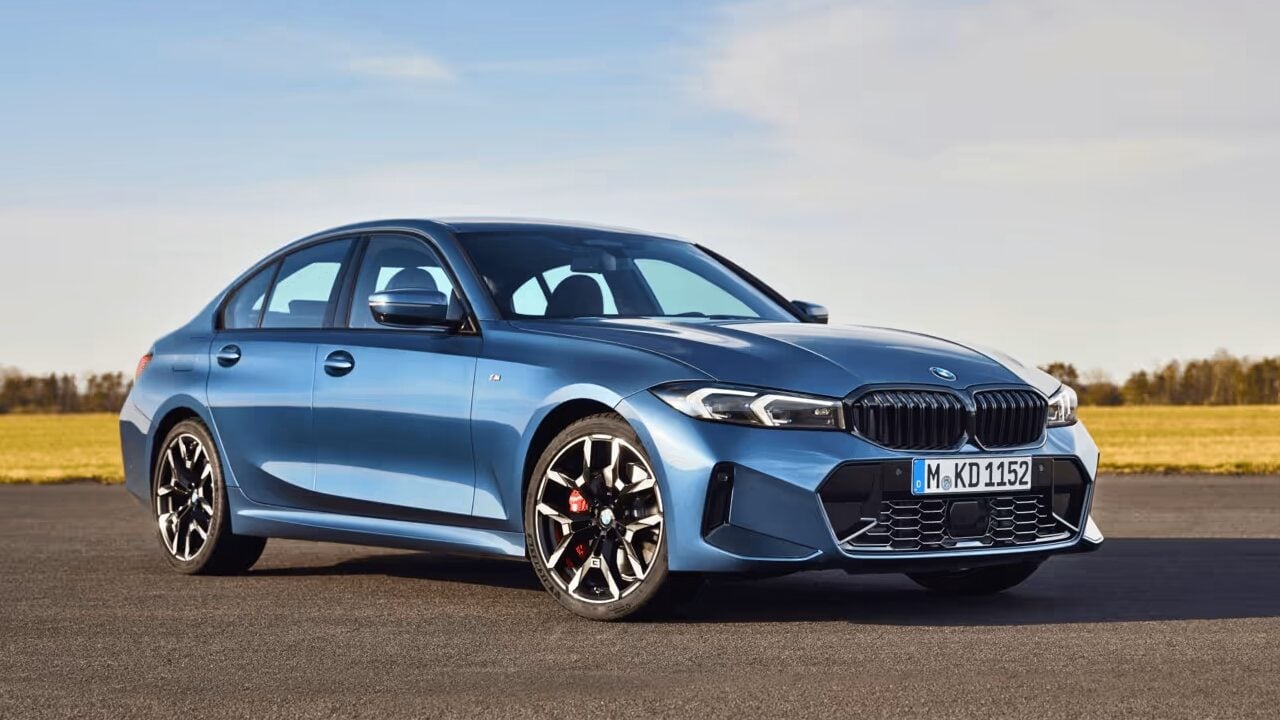
Start with packaging. A combustion platform is designed around an engine bay, transmission tunnel, exhaust routing, and fuel tank placement.

When an automaker attempts to convert that structure into an EV, the battery has to be squeezed into spaces never intended to house it. That leads to awkward “T” or “H” shaped battery packs, reduced capacity, and inefficient use of space.
The result is visible inside the cabin. Shared-platform EVs often retain a central tunnel or elevated floor, reducing legroom and distorting seating ergonomics.
In contrast, a ground-up electric platform places a flat battery under the floor, unlocking a longer wheelbase and more usable interior volume.
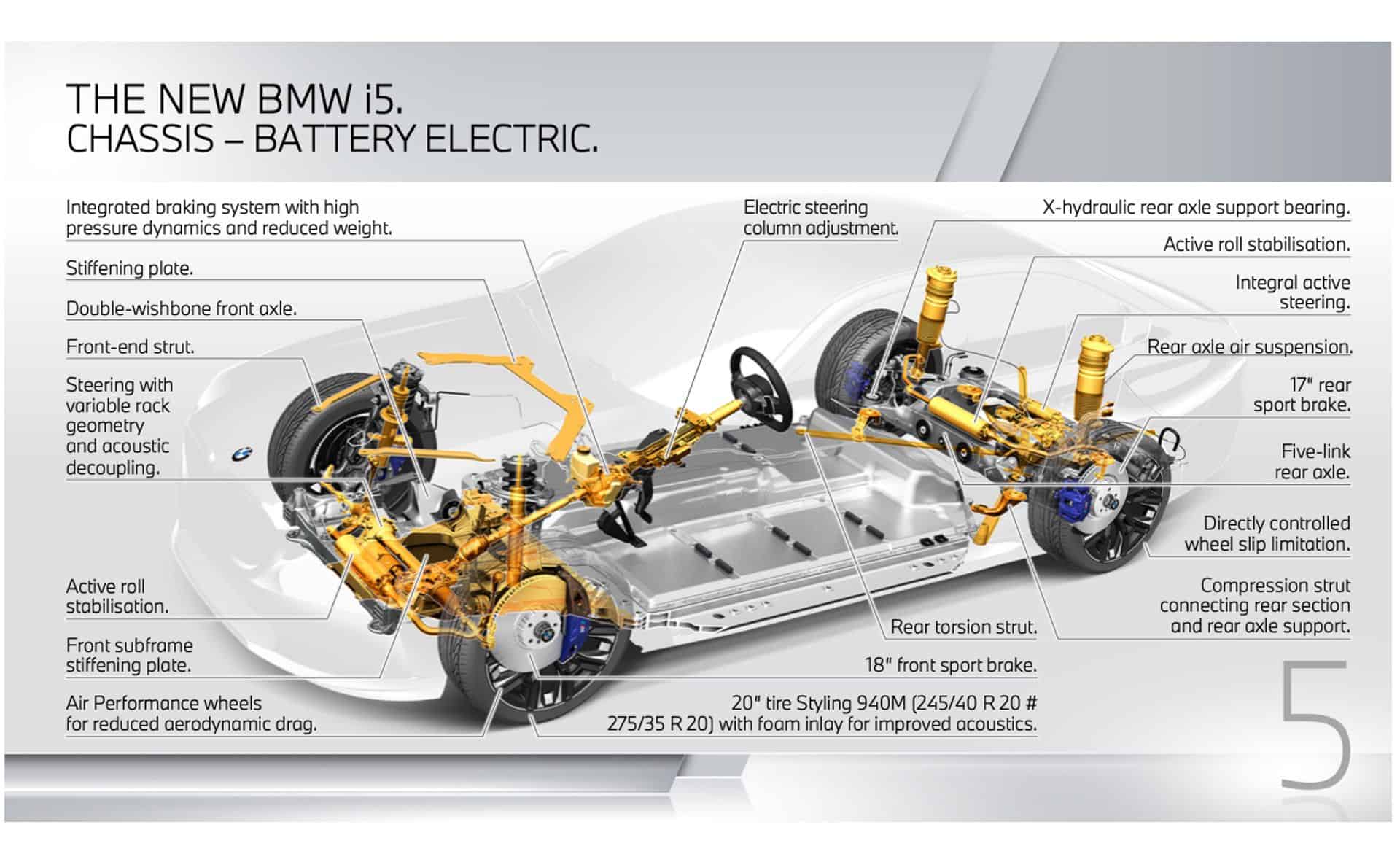
Then comes weight distribution and dynamics. EVs benefit from a low, evenly distributed mass thanks to the battery pack sitting across the floor. That improves handling, stability, and ride quality.
A platform originally engineered for a front-heavy combustion engine cannot fully capitalize on this advantage. Engineers can rebalance components, but they are fighting the geometry rather than exploiting it.
Thermal Management, Aerodynamics, and Structural Inefficiency
Thermal management is another quiet casualty. Combustion cars are built to dissipate heat from engines and exhaust systems concentrated in specific zones.
EVs require a completely different cooling strategy for batteries, inverters, and motors spread across the chassis. When both systems must coexist in one architecture, neither operates at peak efficiency.
Manufacturing flexibility is often the primary justification for shared platforms. Automakers can build gas and electric variants on the same assembly line, ultimately reducing capital expenditure and hedging against uncertain EV demand.
That argument made sense in the early transition phase. It makes less sense as EV volumes scale and dedicated platforms mature.
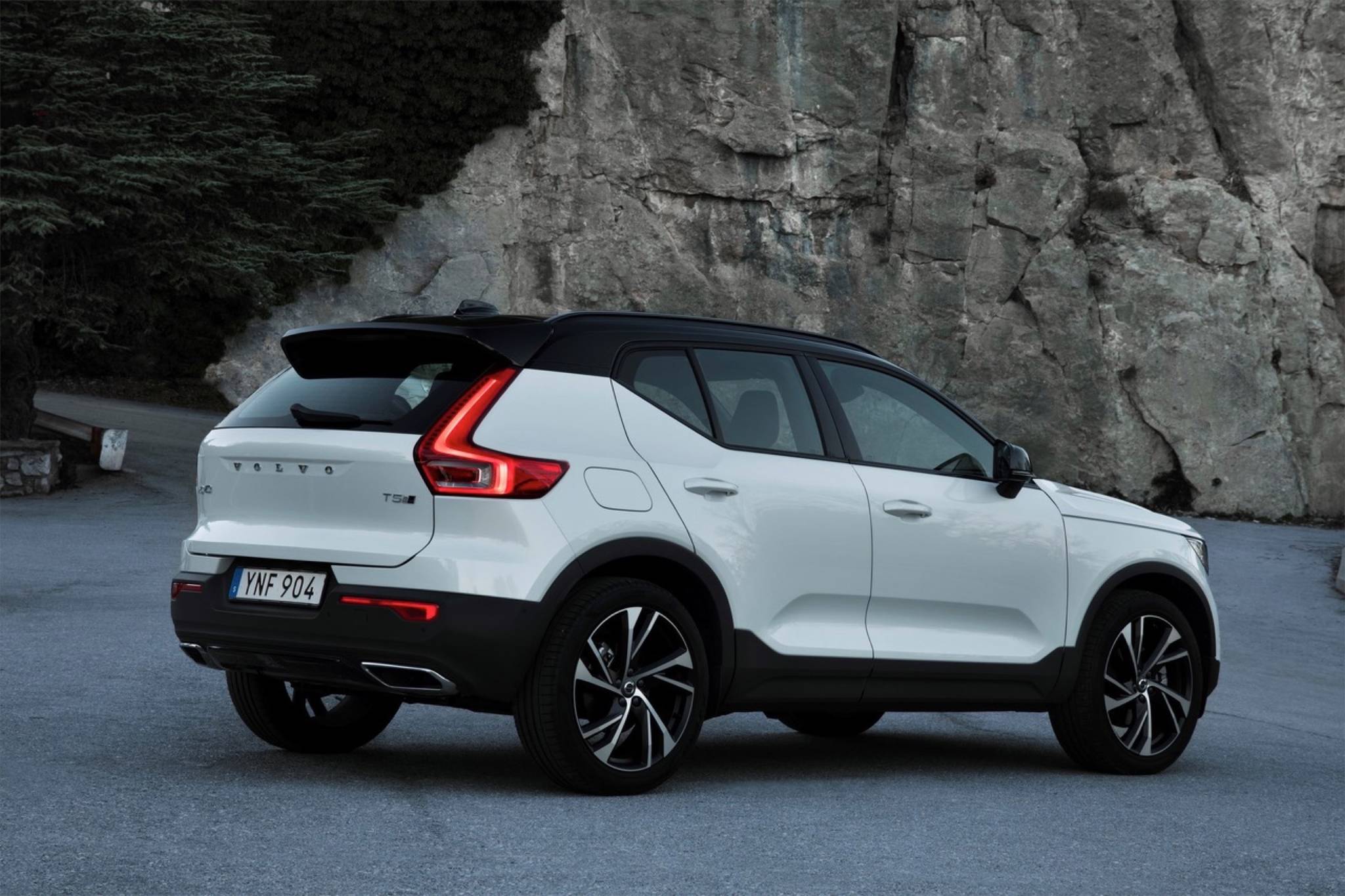
Because the compromises extend beyond packaging.
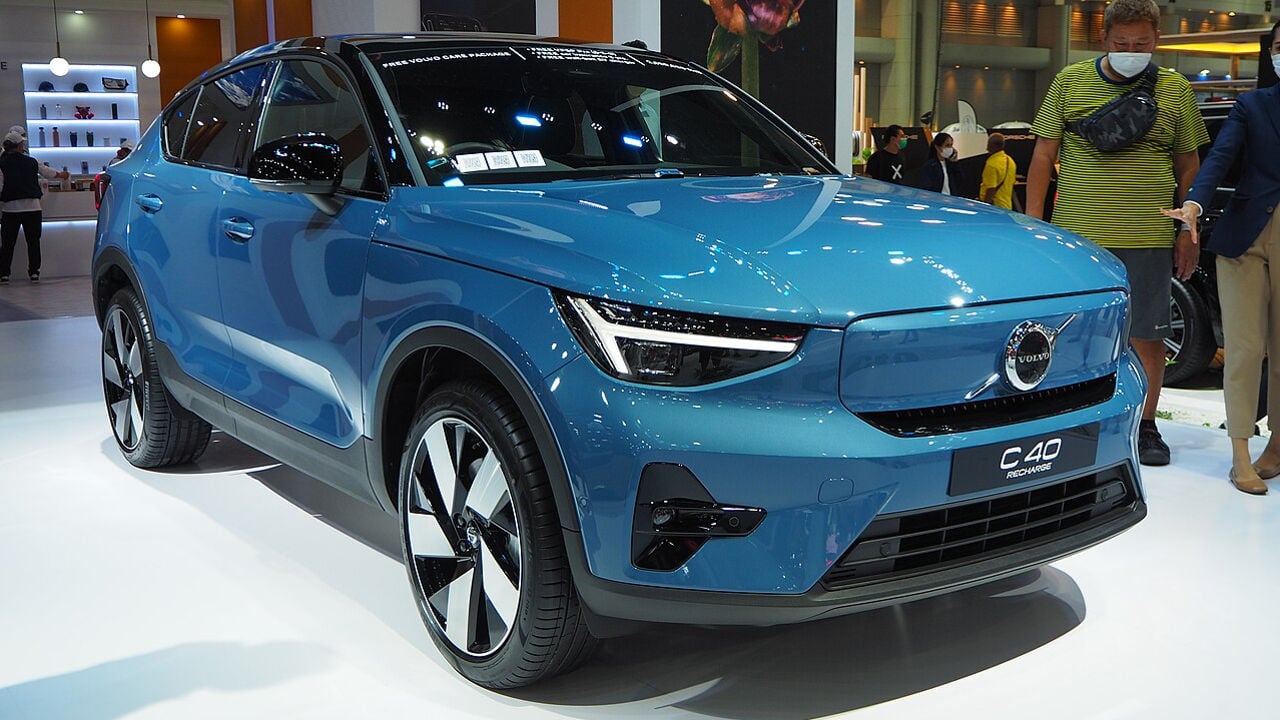
Aerodynamics suffer when a vehicle retains proportions dictated by engine packaging rather than airflow optimization. Range takes a hit. Battery size is constrained. Efficiency drops.
These are not marginal losses. In an EV, where every kilowatt-hour matters, they define competitiveness.
There is also a structural inefficiency baked into shared platforms.
You end up carrying redundant capability. A chassis strong enough to support both a heavy battery pack and the loads of a combustion drivetrain is inherently overbuilt for either use case alone. That adds weight, cost, and complexity.
Even software architecture is affected.
EVs thrive on integrated, centralized electronic systems that manage energy flow, charging, and drivetrain behavior. Legacy combustion platforms often rely on distributed control systems developed over decades.
Merging the two can create a patchwork that is harder to optimize and update.
The Bridge Strategy is Becoming a Bottleneck
None of this means shared platforms are useless.
They served a clear purpose as a bridge strategy. Retrofitting or hybrid architectures allowed automakers to enter the EV market without committing billions upfront. They bought time. They reduced risk.
But that bridge is starting to look like a bottleneck.
Dedicated EV platforms unlock the full advantages of electric propulsion. Better space efficiency, larger batteries, improved safety structures, and cleaner design integration all flow from a single decision: commit to the architecture.
What we are seeing now is a quiet industry admission.
The brands that leaned heavily on shared platforms are pivoting toward bespoke EV architectures. Not because it sounds good in marketing, but because the engineering ceiling of compromise has been reached.
Ultimately, a vehicle platform has never thrived solely on the altar of cost decision. It is a statement of intent. Build for everything, and you excel at nothing. Build for electric from the ground up, and the entire car starts to make sense in a way a converted chassis never quite can.