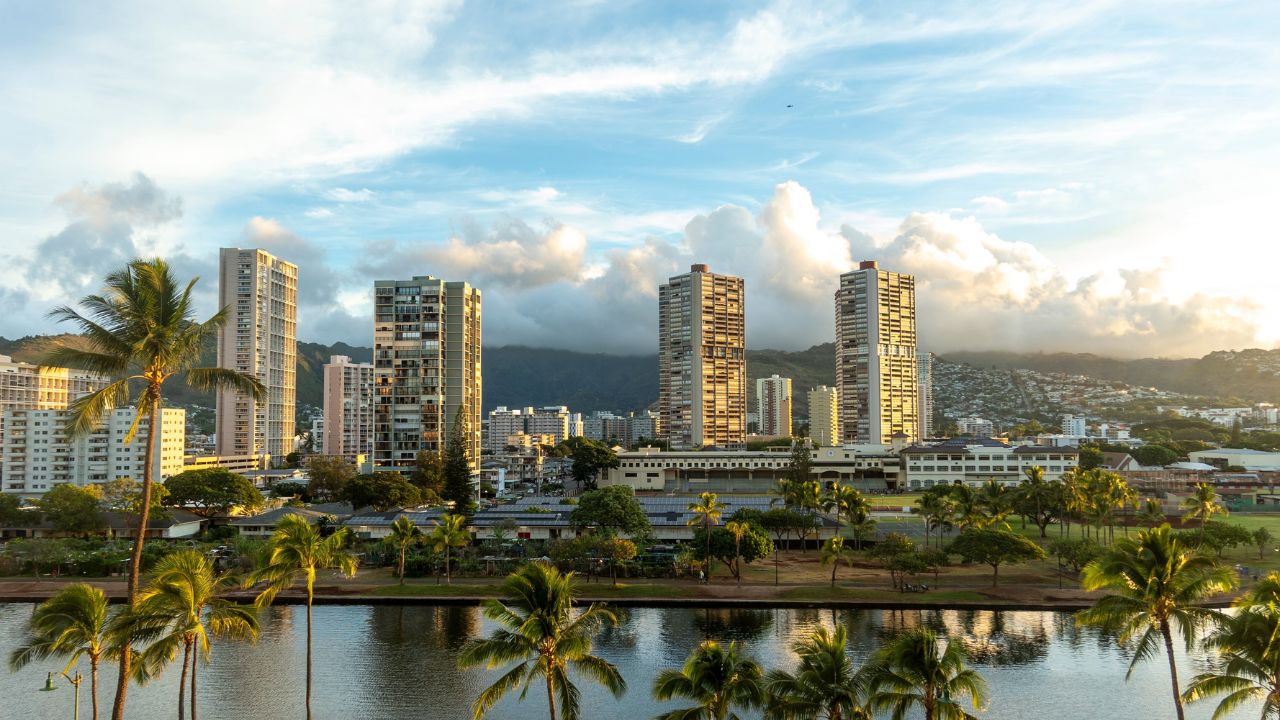
Late winter is when warm-water breeding season hits its stride across the Hawaiian Islands, and February often lands right in the thick of it. The Hawaiian Islands Humpback Whale National Marine Sanctuary notes that you can see these animals from shore and at sea from November through April, which makes February an easy fit for a short trip.
The trick is to build a trip around a few high-odds choices, then leave the rest loose. Pick a strong base, aim for calm-water windows, and let the ocean decide whether you get breaches or quiet cruising. Remember this from day one: staying respectful is not optional, because approach limits are the law here.
Make Maui Nui Your Default “High Odds” Zone
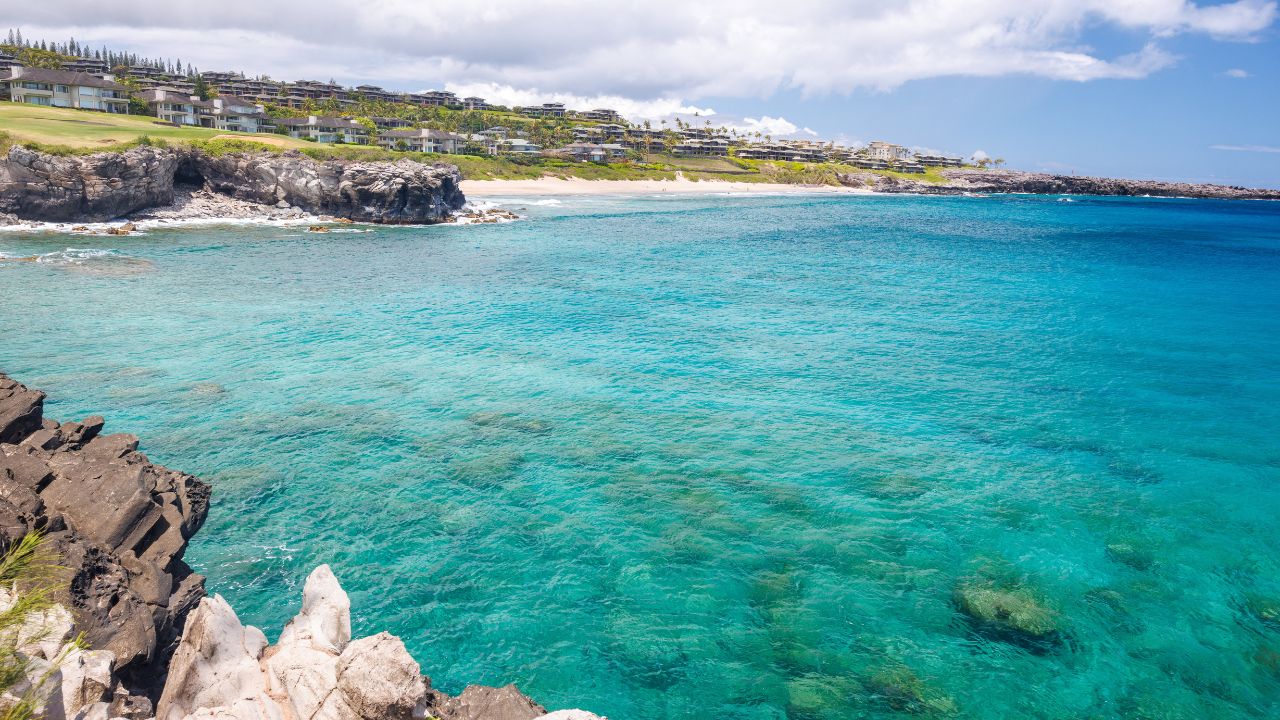
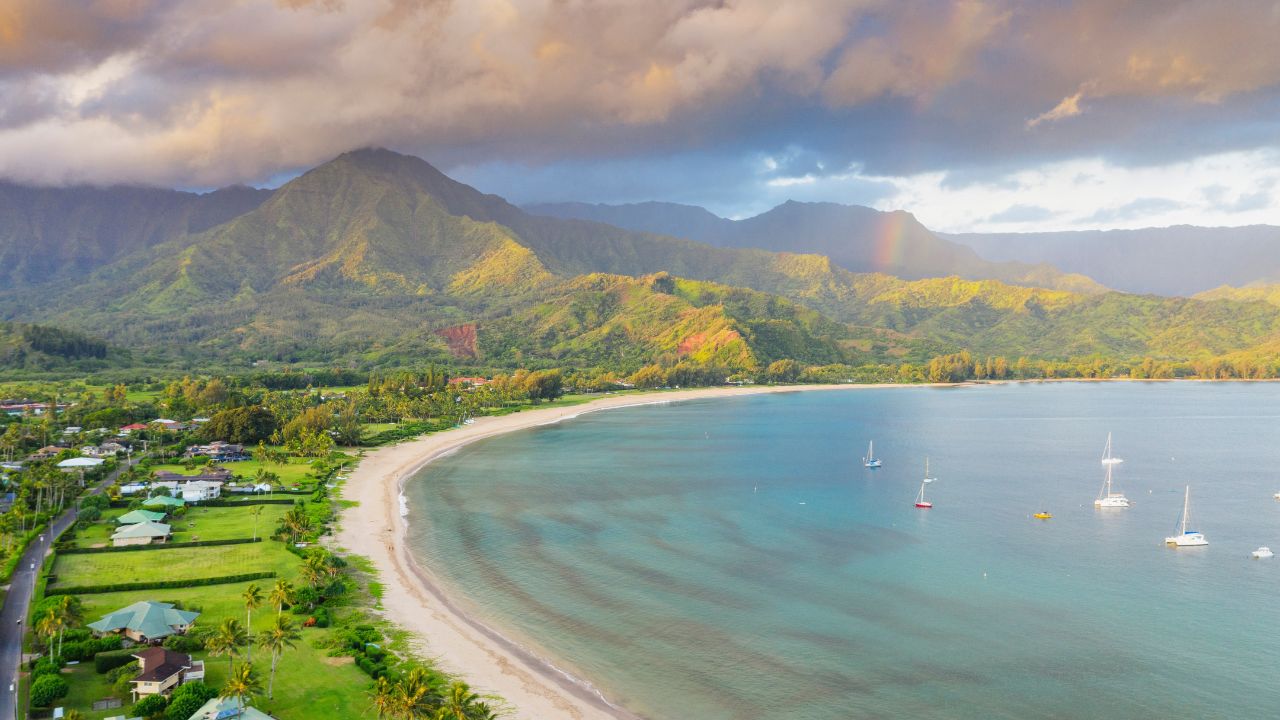
Waters around Maui, Lānaʻi, Molokaʻi, and Kahoʻolawe regularly concentrate winter activity, so a short visit can still pay off. Maui-based shoreline counts and long-running winter patterns point to this region as a consistent hotspot during peak season.
Set your base where you can reach both a harbor departure and a few roadside pull-offs without thinking too hard. South Maui stays convenient for quick drives and sunrise starts. When conditions cooperate, you can rack up sightings in a single day without “planning” beyond showing up.
Choose an Early-Morning Boat Slot and Call It Done
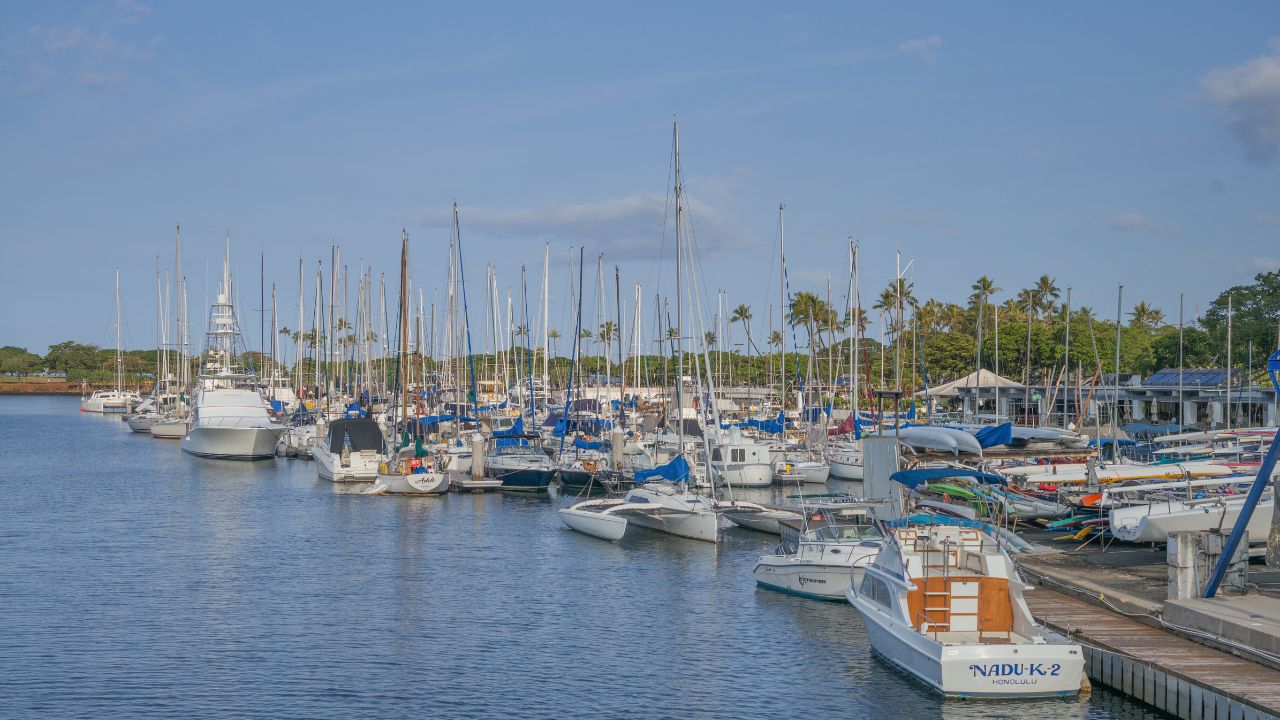
Calmer seas tend to show up earlier in the day, and smoother rides make it easier to stay out longer. A straightforward two-hour cruise is plenty for first-timers who want the experience without turning the day into a marathon. Operators in the main harbors run frequent departures during the season, so you rarely need to schedule far in advance.
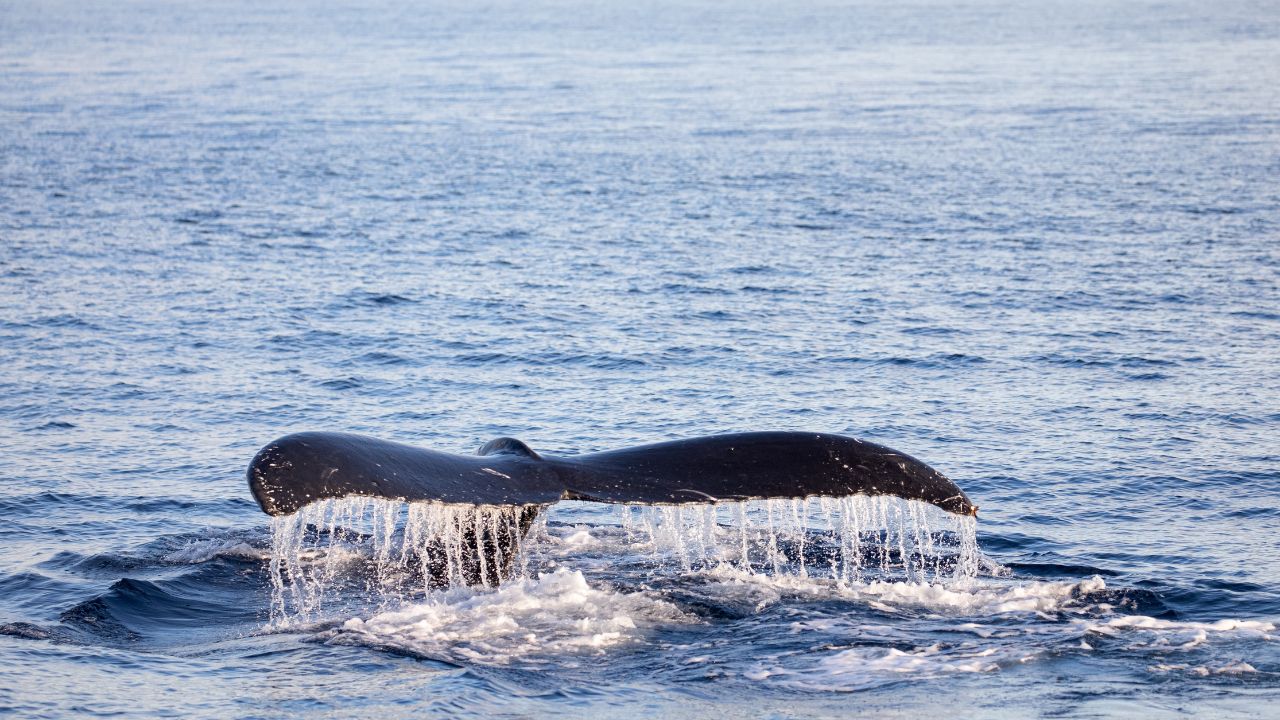
Onboard narration helps you spot clues you would miss from shore, like distant blows, tail flukes, or a pod changing direction. Hold the rail with one hand and keep your eyes on the horizon. If you dislike swells, go with a larger vessel with stable seating.
Use Maui’s Easiest Shore Lookouts as Your “No-Booking” Plan
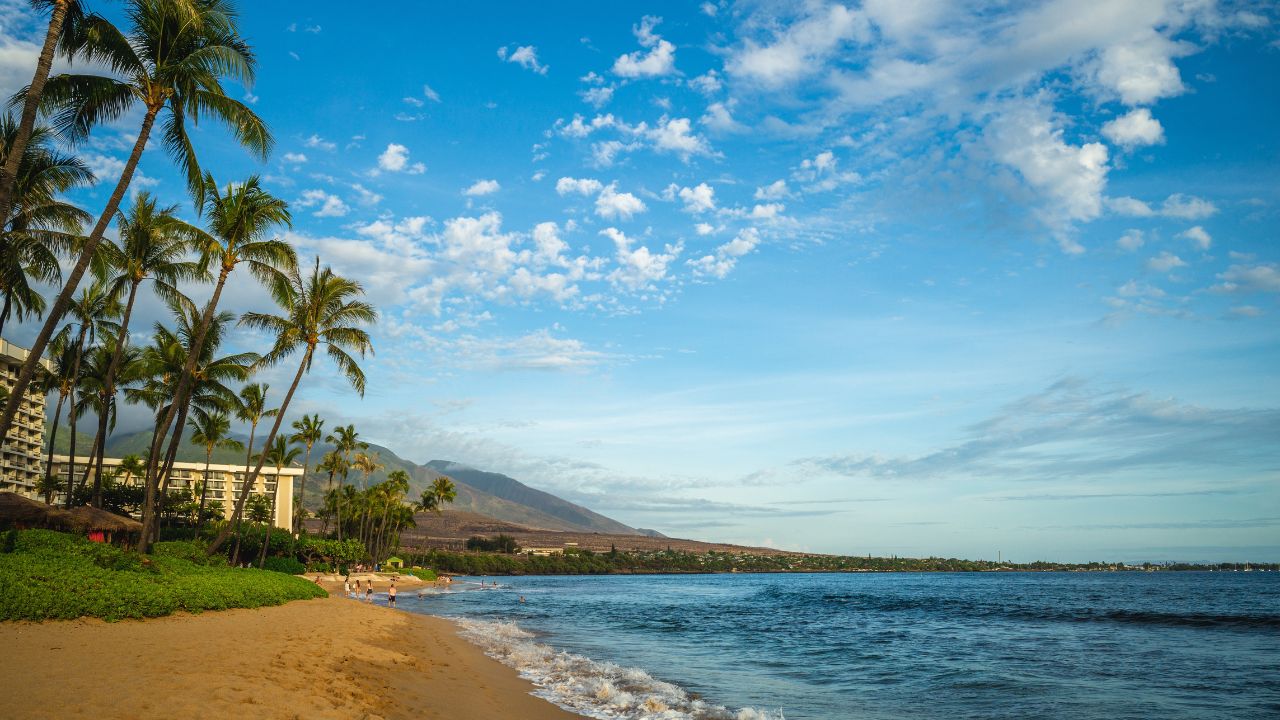
Maui has reliable land-based viewing spots where scanning the channel can be surprisingly productive. The state tourism site specifically calls out McGregor Point lookout and beaches in Kāʻanapali, Kīhei, and Wailea as good shoreline options during the season.
Build an easy routine: arrive with coffee, sit for thirty minutes, then decide whether to linger or move. Binoculars turn distant spots into real moments. Even a quiet session still delivers ocean therapy, which is the whole point of a reset trip.
Drop by the Sanctuary Visitor Center in KīHei for a Smart Shortcut
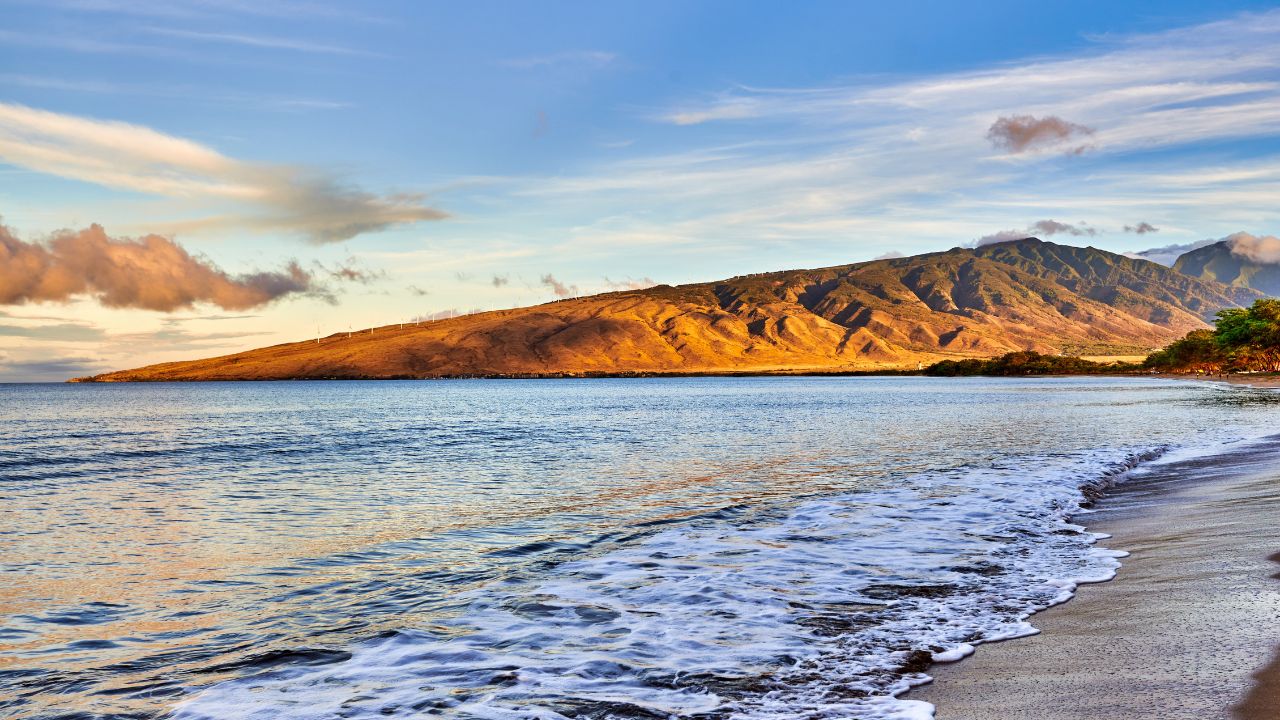
The sanctuary visitor center in Kīhei sits on the beach with views across prime habitat, and it is designed for learning without homework. NOAA notes it can be an ideal place to learn about the marine environment and may even offer chances to see breaching from the shoreline.
Stop in early, absorb the basics on behavior and safety, then walk straight outside and practice spotting. This one stop improves every other viewing session afterward. It also helps you recognize when animals look stressed, which makes you a better guest in their home.
On OʻAhu, Do the MakapuʻU Lighthouse Walk for a Built-in Vantage Point
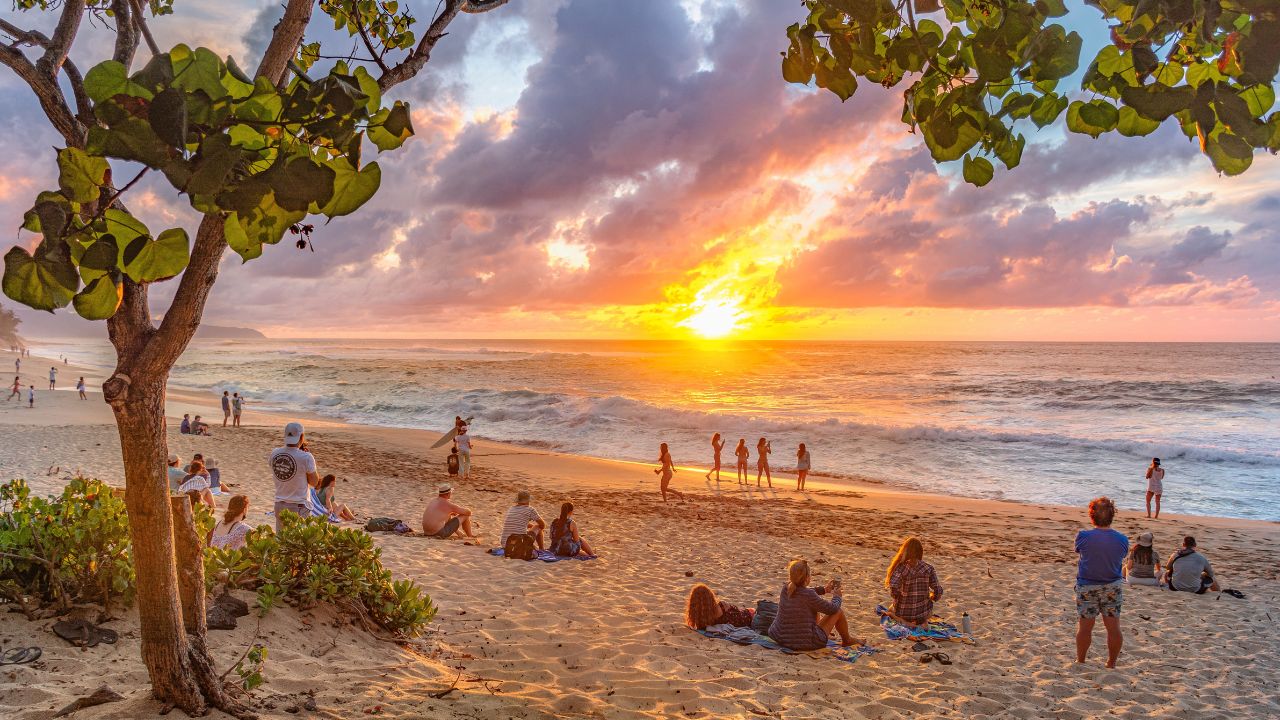
Makapuʻu Point Lighthouse Trail is an easy, well-known route with elevated sightlines over a key channel. Hawaiʻi DLNR calls it an excellent place to view migrating humpbacks in season, and it mentions an interpretive sign and viewing scope along the way.
Go early to beat the heat and crowds, then take your time at the overlook rather than racing to the end. Wind can pick up, so a light jacket helps. Treat it like a scenic stroll with the chance of a bonus breach.
On HawaiʻI Island, Stick to Leeward Coasts for Calmer Scanning
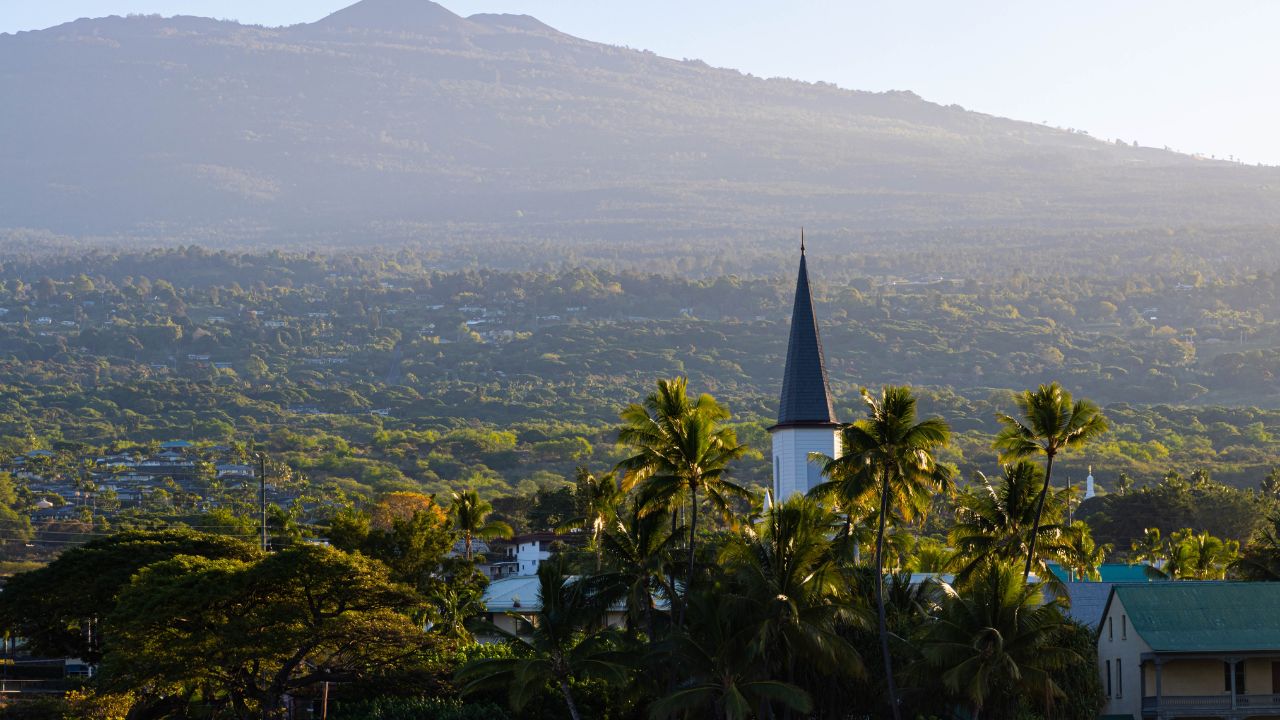
The Kona and Kohala sides often offer clearer, less windy conditions than exposed shorelines, which makes spotting easier. The sanctuary’s protected region includes these coasts, so you are still within important seasonal habitat even without boarding a boat.
Choose one seaside walk, post up for a while, then repeat the next day rather than driving all over the island. A quiet bench, a thermos, and patience can outperform frantic sightseeing. When the ocean surface smooths out, distant blows become much easier to detect.
Let the Harbor Situation Guide You, Not Your Nostalgia
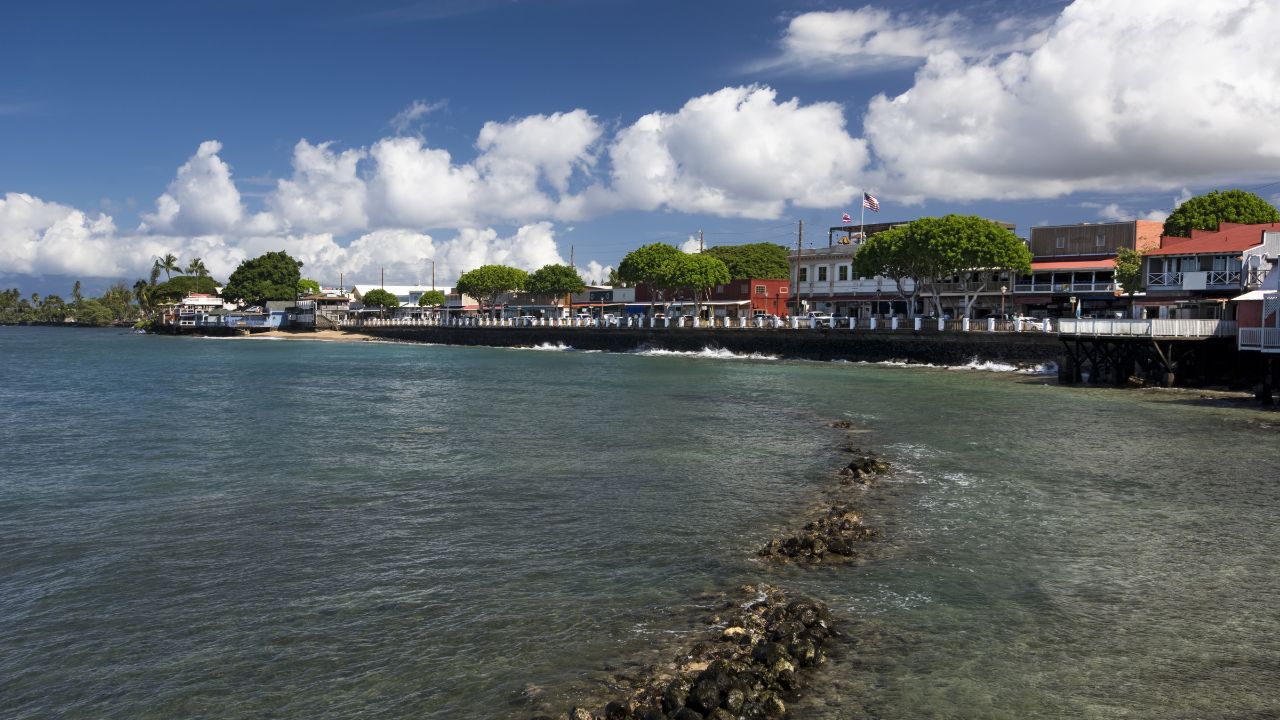
Maui’s Lahaina Harbor has reopened on a limited basis, with select licensed commercial operators returning for whale trips as approvals and infrastructure come online.
That means flexibility matters more than clinging to an old routine. If your preferred departure point is full or not running the day you arrive, pivot to Maʻalaea or another active marina and keep moving. The animals are not loyal to one dock, and your itinerary should not be either.
Bring One Viewing Tool and Use a Simple Scanning Habit
Binoculars are the single upgrade that turns “maybe” into “there it is.” Scan in slow arcs, pause at the horizon line, then re-check any patch of water that looks slightly different. Blow trails often show up as faint mist before you ever see a bat.
Leave your phone tucked away until you know where to aim. When you do film, short clips beat long, shaky recordings. The goal is a real memory, not a storage problem.
Follow the Law, Because Respectful Viewing Keeps the Season Strong

NOAA rules prohibit approaching within 100 yards by any means, and aircraft must stay at least 1,000 feet away.
Hawaiʻi DLNR also emphasizes slowing down, with guidance tied to depth and proximity. It repeats the 100-yard rule plainly. When a captain or guide hangs back, that is not “missing the action”; that is doing it right.
Use One Scheduled Event to Anchor Your Weekend, Then Leave the Rest Open
If you like a little structure without turning into a spreadsheet person, the Great Whale Count offers set mornings on February 28th and March 28th, 2026.
Pacific Whale Foundation also runs World Whale Day programming in early February, which can be an easy excuse to book one themed outing and leave everything else spontaneous. One anchor plus free time is the sweet spot for a trip that feels organized yet still relaxed.