When the Gran Turismo game series launched its Vision GT program, it gave automakers a rare opportunity: build the car of your dreams without worrying about gravity, safety regulations, or production costs. The result? A fleet of outrageous digital concept cars. Some were wild, some stunning, and all were memorable.
While some fans see these vehicles as over-the-top vanity projects, they offer a unique look at what the future of automotive design could be. And in a few cases, the digital dream even became real metal. Here are 24 of the coolest Vision GT cars ever created.
How These Digital Dream Machines Made the Cut
We focused on official Vision Gran Turismo entries developed in collaboration with Polyphony Digital, the creator of Gran Turismo. All the cars on this list were designed or sanctioned by major automotive manufacturers and made available as playable vehicles within the Gran Turismo game series.
To narrow it down, we looked for models that stood out for their design, powertrain innovation, and cultural impact, whether they pushed the boundaries of realism or actually inspired real-world production cars. Each vehicle featured here was selected for its blend of creativity, performance potential, and what it reveals about the brand behind it. Some cars were included for being shockingly plausible, others for being gloriously absurd, but all earned their spot by capturing the spirit of automotive imagination.
Porsche Vision GT

Unveiled in 2021 and featured in Gran Turismo 7 a few months later, the Porsche Vision GT was the brand’s first concept designed exclusively for the virtual world. It blends signature Porsche elements like the 911’s curves and Taycan-inspired lighting with a sleek, futuristic body that pushes the company’s design language into uncharted territory.
Underneath its sculpted shell, the Vision GT packs a dual-motor electric setup delivering 1,274 horsepower. With advanced torque vectoring and a driver-focused, single-seat cockpit, it’s a high-tech glimpse at what a no-limits Porsche hypercar could look like, if physics and budgets weren’t part of the equation.
Ferrari Vision GT

Ferrari revealed its long-awaited Vision GT at the 2022 Gran Turismo World Finals, marking its official debut in Gran Turismo 7. It was a standout moment—one of the most iconic brands finally joining the Vision GT lineup with a car as dramatic as fans hoped.
Powered by a hybrid setup featuring a turbocharged 3.0-liter V6 and three electric motors, the Vision GT produces a staggering 1,338 horsepower and 664 lb-ft of torque. With a top speed of 239 mph and razor-sharp aerodynamics, it captures Ferrari’s racing spirit in a digital form that’s equal parts beauty and brute force.
Suzuki Vision GT

Suzuki may not be known for flashy tech or luxury features, but its cars have always embraced simplicity and fun, and their Vision GT is no exception. This lightweight roadster stays true to Suzuki’s playful spirit with a compact, no-frills design made for pure driving joy.
Weighing just 2,100 pounds, it’s powered by a hybrid system that pairs electric motors with a high-revving engine from the legendary Hayabusa motorcycle. The result is a nimble, futuristic concept that feels like the digital equivalent of a wind-in-your-hair backroad blast.
Mercedes-Benz AMG Vision GT

Mercedes-Benz was the first automaker to join the Vision GT program, setting the tone with the stunning AMG Vision Gran Turismo. Its design blends futuristic curves with nods to classic Mercedes sports cars, creating a sleek, almost alien shape that still feels rooted in the brand’s heritage.
Under the hood, a twin-turbocharged V8 delivers 585 horsepower, pushing just 3,050 pounds of sculpted aluminum and carbon fiber. Fast, agile, and dripping with attitude, it was a bold opening act for the Vision GT project—and still one of the most iconic.
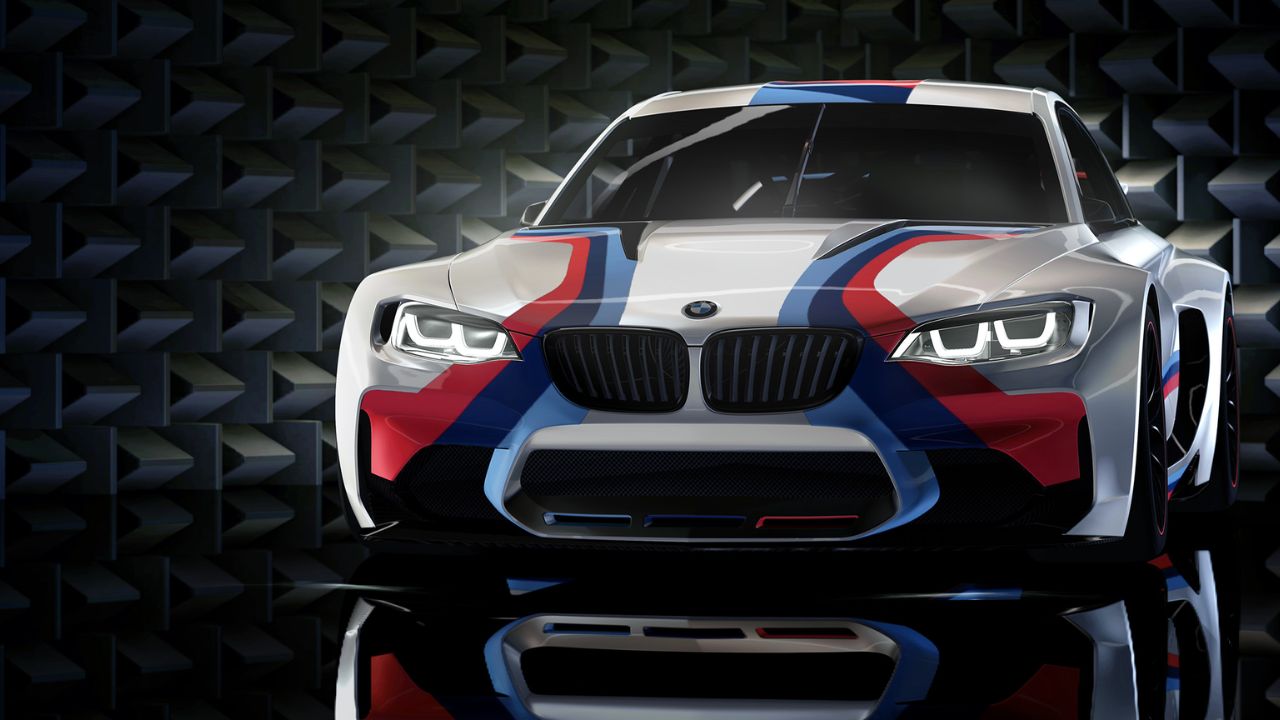
BMW Vision GT

BMW was one of the first to join the Vision GT program, taking a more grounded approach than most. Instead of a wild hypercar, the Vision GT explores what an unshackled M2 might look like—refined, aggressive, and track-ready.
The design nods to the legendary 3.0 CSL “Batmobile,” but with a modern twist and carbon fiber bodywork. A twin-turbo 3.0-liter inline-six delivers a realistic 541 horsepower, making it one of the more believable—and drivable—cars in the Vision GT lineup.
Fittipaldi Motors EF7 Vision Gran Turismo by Pininfarina

Unlike most Vision GT cars, the Fittipaldi EF7 was intended for a limited production run. Designed by Pininfarina and backed by racing legend Emerson Fittipaldi, it aimed to bring a digital dream to life—but the real-world version never materialized.
In the game, the EF7 is powered by a naturally aspirated 4.8-liter V8 making 600 horsepower, paired with a featherlight 2,200-pound chassis. That power-to-weight ratio makes it a serious track weapon, even in virtual form.
Lamborghini V12 Vision Gran Turismo

Unveiled at the 2019 Gran Turismo World Finals in Monaco, the Lamborghini V12 Vision GT is one of the boldest entries in the lineup. It’s not just digital flash—it features a real hybrid powertrain based on the V12 supercapacitor system from the Sián and Countach.
With wild aero, fighter-jet styling, and a single central driving position, this concept cranks up every modern Lambo trait to the extreme. It’s loud, dramatic, and unmistakably Lamborghini—even in the virtual world.
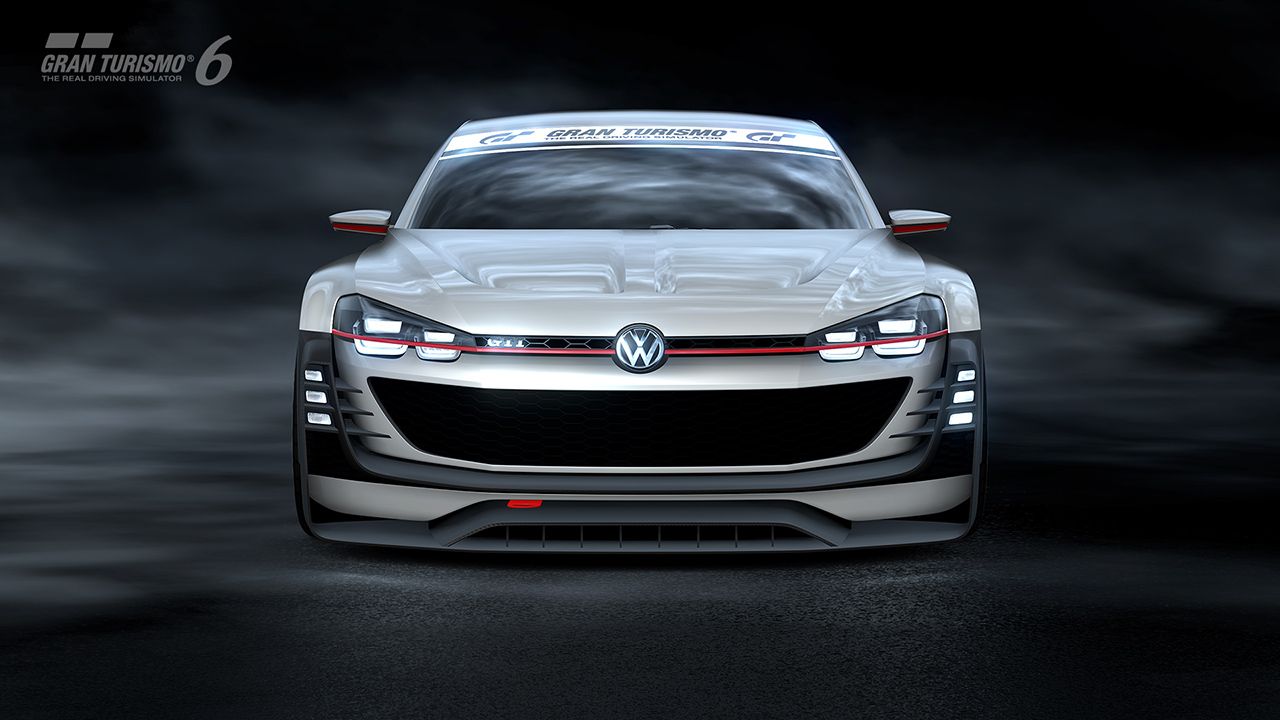
Volkswagen GTI Roadster Vision GT

The GTI Roadster Vision GT takes the spirit of the Golf GTI and blasts it into supercar territory. With a low-slung, wide-body design, it looks like a track monster disguised as a hot hatch—and it delivers on that promise.
Under the hood is a 503-horsepower twin-turbo 3.0-liter VR6 sourced from the Touareg, paired with a seven-speed DSG and VW’s 4Motion all-wheel-drive system. It’s a fantasy car built on real tech, and it rips.
Chevrolet Chaparral 2X Vision Gran Turismo

Of all the Vision GT cars, the Chaparral 2X is easily the most outrageous. Weighing just 990 pounds and producing 905 horsepower, it claims a top speed of 254 mph in Gran Turismo 7—and that’s the least wild part.
Chevrolet dreamed up a battery-powered laser propulsion system that fires light pulses to create shockwave thrust. It’s complete sci-fi nonsense, but that’s the point. The 2X is a digital fever dream, and we love it for that.
Alpine Vision GT

Inspired by Alpine’s legendary Le Mans racers, the Alpine Vision GT blends vintage motorsport spirit with futuristic flair. Its sleek, low-slung body hides a mid-mounted 4.5-liter V8 producing 450 horsepower, paired with a 7-speed sequential transmission.
Weighing just 1,984 pounds, it’s a featherweight with serious bite, reaching a top speed of 199 mph. It’s a pure, analog-feeling racer—digitally reimagined for modern circuits.
Infiniti Concept Vision GT

Designed by Infiniti’s Beijing studio, the Concept Vision GT blends sleek curves with aggressive aerodynamics, including underbody aero, diffusers, and a prominent rear wing—all the hallmarks of a proper digital supercar.
It’s powered by a 4.5-liter V8 paired with an electric motor, and its front mid-engine layout gives it an ideal 45:55 weight distribution. Stylish and well-balanced, it’s one of the more refined entries in the Vision GT lineup.
Lexus LF-LC Vision GT

Originally a concept, the LF-LC eventually became the stunning Lexus LC production car—offered with a hybrid V6 or a 5.0-liter V8. In Gran Turismo, the Vision GT version closely mirrors the LC GT500 race car, complete with racing aero and track-ready posture.
It may have lost some of its wow factor now that it’s real, but the design still hits hard. With its wide stance, sculpted bodywork, and sharp aerodynamic lines, the LF-LC Vision GT remains one of the most beautiful cars to ever jump from screen to showroom.
Citroën GT

The Citroën GT is the original Gran Turismo fantasy car. Debuting in GT5 back in 2008—before the Vision GT program even existed—it was a purely digital concept that may have sparked the entire idea.
In the game, it’s a futuristic quad-motor EV. But Citroën also built a real-world version powered by a 655-horsepower Ford V8, making it one of the few Vision cars to straddle both virtual and physical worlds.
Aston Martin DP100 Vision GT

When Aston Martin revealed the DP100 at the 2013 Goodwood Festival of Speed, it looked wild—sharp lines, dramatic proportions, and a futuristic presence. In hindsight, it almost feels subdued next to the real-life Valkyrie.
Still, the DP100 gave us a glimpse of what was coming. Its grille design later appeared on the Vantage, and its taillights closely resemble those on the Vulcan. It’s a concept that helped shape Aston’s design future, even if it started in pixels.
Honda Sports Vision GT

The Honda Sports Vision GT stands out by not being outrageous. Unlike the wild, physics-defying hypercars in the Vision lineup, this concept feels like something Honda could realistically build.
Sleek, compact, and mid-engined, it looks like a baby NSX with real-world sensibility. Power comes from a turbocharged 2.0-liter VTEC inline-four—likely derived from the Civic Type R—making 404 horsepower. It’s grounded, balanced, and unmistakably Honda.
Volkswagen GTI Supersport Vision GT

The GTI Supersport Vision GT takes a more grounded approach than the earlier Roadster, resembling an ultra-aggressive, track-ready version of the classic Golf GTI. Under the hood, it packs a 500-horsepower turbocharged VR6 engine, making it a true hot hatch on steroids.
While there’s no official link, it’s hard not to see shades of this concept in the later GTI Clubsport and Clubsport S models. The Supersport may be digital, but its influence feels real.
Jaguar Vision Gran Turismo Coupé

The Jaguar Vision GT Coupé is a futuristic electric hypercar with clear roots in the brand’s racing heritage. Its flowing lines and proportions echo classics like the C-Type, D-Type, and E-Type, blending old-school elegance with cutting-edge design.
Beneath that sleek body, it packs a triple-motor electric setup delivering over 1,000 horsepower and 885 lb-ft of torque. With a top speed north of 200 mph, it’s a digital tribute to Jaguar’s past—with performance that leaves it in the dust.
IsoRivolta Zagato Vision GT
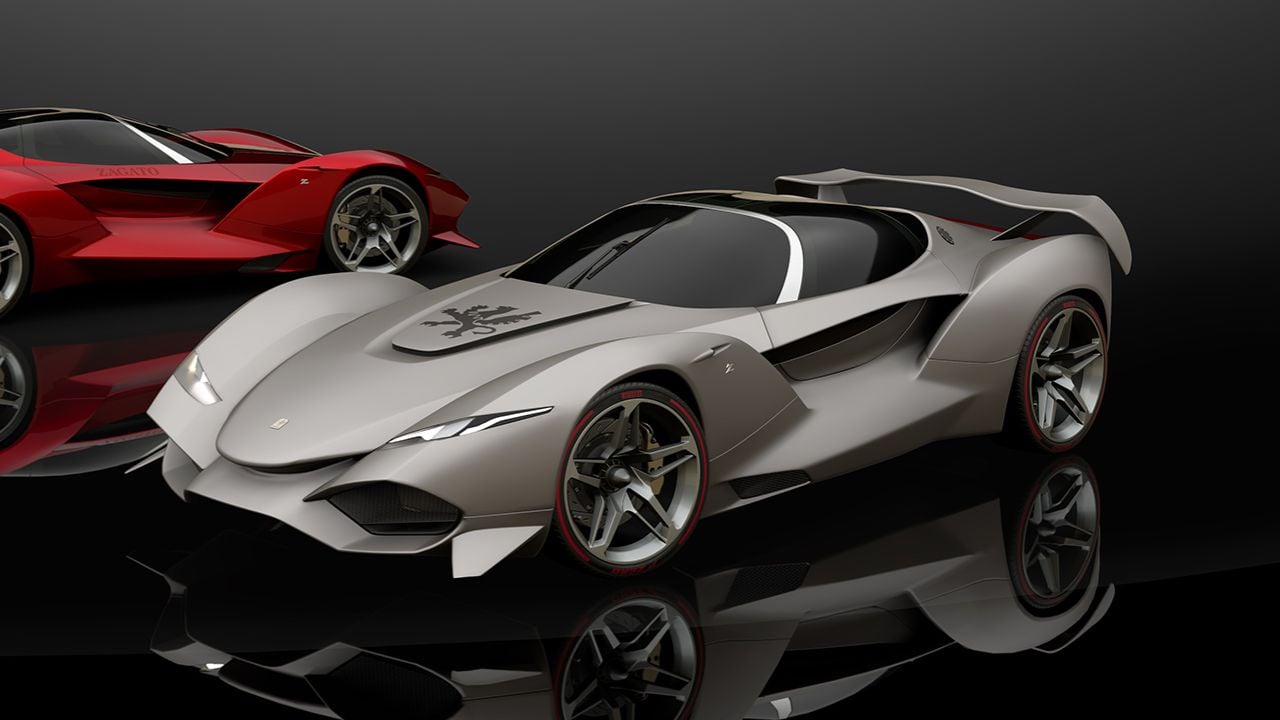
Zagato is known for building some of the most eye-catching cars in the world, which makes the IsoRivolta Vision GT surprisingly restrained—at least by their standards. It still packs a punch, though, with a 1,000-horsepower Callaway-built 6.2-liter V8 under the hood.
Reviving the IsoRivolta name from the 1960s, the concept debuted at the 2017 Tokyo Motor Show. Billed as a “contemporary gentleman driver’s sports car,” it combines Italian flair with American muscle and was designed to compete at the highest levels—if only virtually.
Mazda LM55 Vision Gran Turismo

The Mazda LM55 Vision GT is a digital tribute to the brand’s legendary 1991 Le Mans victory with the iconic 787B. While there’s nothing like it in Mazda’s current lineup, its spirit is unmistakably tied to the brand’s racing heritage.
Blending sleek “Kodo” design language with modern endurance racer styling, the LM55 looks ready for the podium. It’s a fan-favorite concept that sparks one big question: when will we see a hybrid rotary racer return to Le Mans?
Peugeot Vision GT

Peugeot kept things refreshingly simple with its first Vision GT entry—even the name. No hybrid systems or sci-fi gimmicks here, just pure performance wrapped in a clean, aggressive design.
At its core is a turbocharged 3.2-liter V6 delivering 874 horsepower to all four wheels through a 6-speed dual-clutch gearbox. Weighing just 1,930 pounds, it’s a lightweight powerhouse built for serious speed.
Hyundai N 2025 Vision GT

Hyundai’s rise in performance and motorsport has been impressive, and the N 2025 Vision GT shows they’re aiming even higher. This concept hints at the brand’s Le Mans ambitions, blending sleek design with cutting-edge tech.
Powered by a hydrogen fuel cell system and a supercapacitor setup, the N 2025 delivers a futuristic 875 horsepower. It’s bold, innovative, and a clear signal that Hyundai is ready to play in the big leagues—both on and off the track.
McLaren Ultimate Vision GT

The Ultimate Vision GT offers a glimpse into McLaren’s vision for the future of performance. True to form, McLaren didn’t just design a virtual car—they created a full spec sheet, complete with drivetrain details and multiple liveries.
Power comes from a revised version of the 720S’s twin-turbo 4.0-liter V8, paired with electric motors on the front wheels for a combined output of around 1,150 horsepower. It’s fast, futuristic, and unmistakably McLaren—even in digital form.
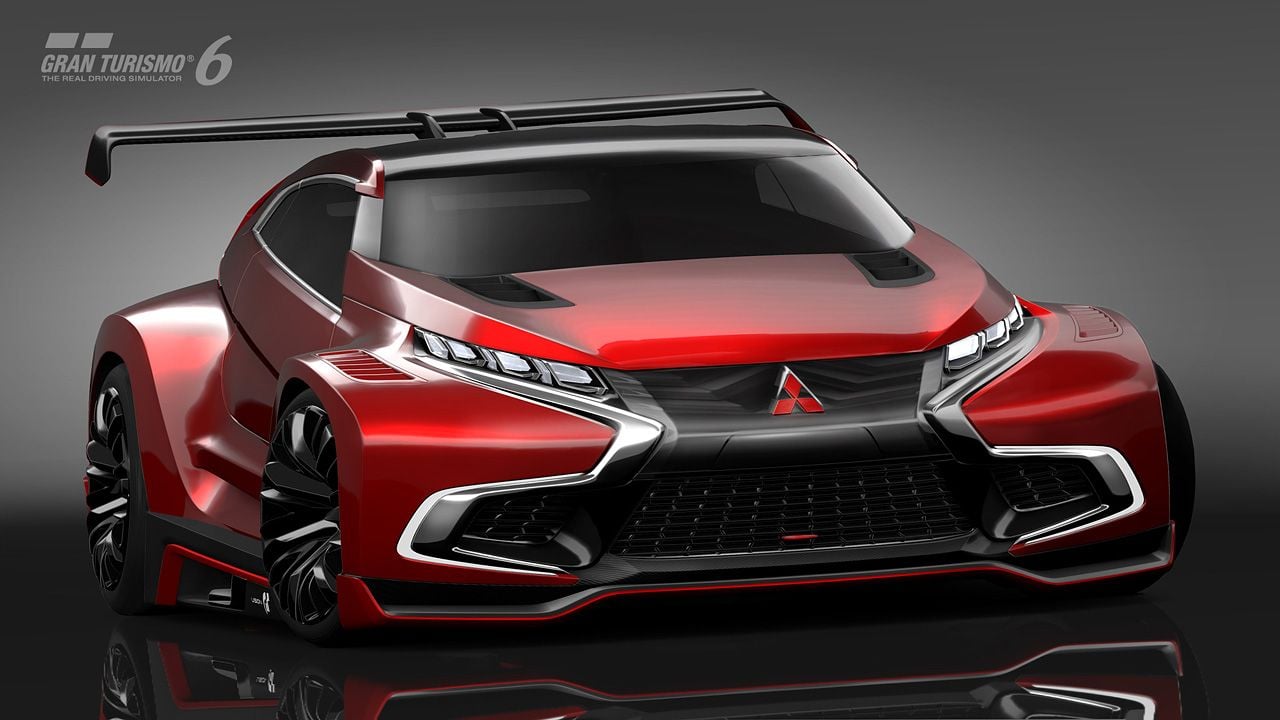
Mitsubishi Concept XR-PHEV Evolution Vision GT
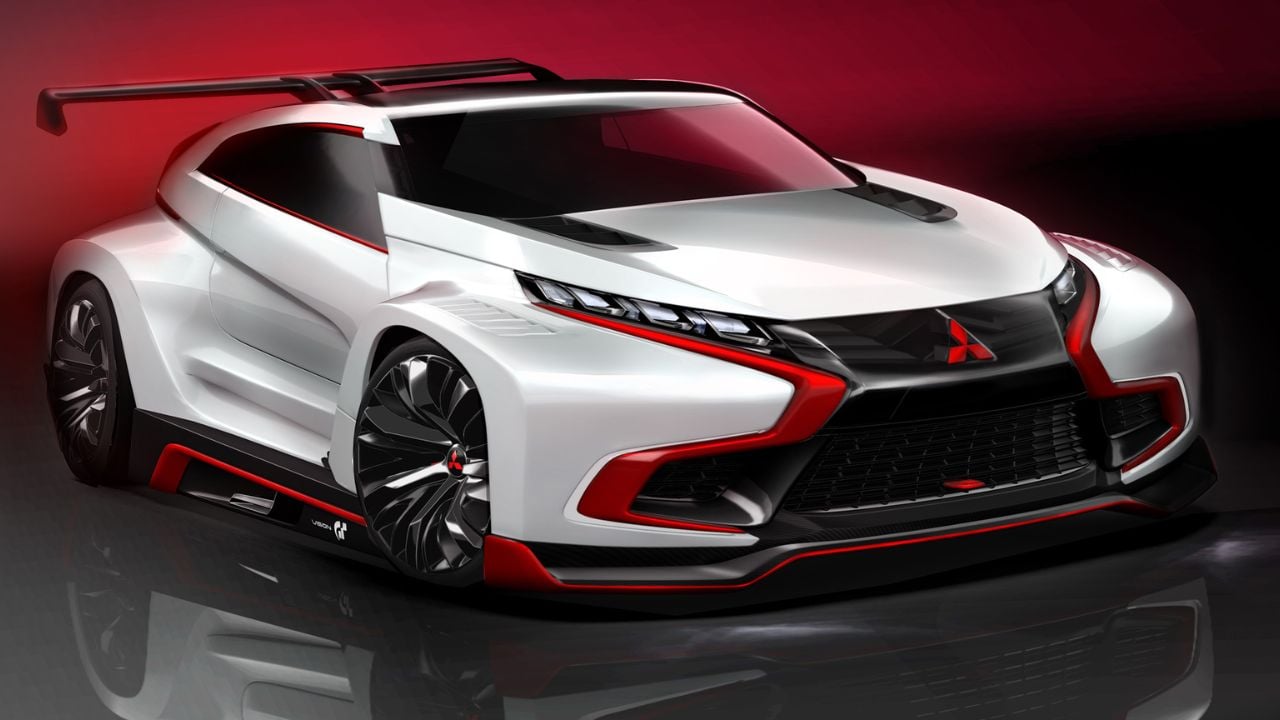
Once known for building legendary performance cars like the Lancer Evolution, Mitsubishi has shifted toward SUVs in recent years—but the XR-PHEV Evolution Vision GT hints at what could be. It revives the Evo name in bold, hybrid form.
This plug-in concept features an oversized rear wing, aggressive carbon-fiber bodywork, and a stance that would make Rocket Bunny fans proud. It’s a wild reminder of Mitsubishi’s racing roots—and a hopeful glimpse at what a modern Evo could be.
Nissan Concept 2020 Vision GT

Nissan described the Concept 2020 Vision GT as “a vision of what a high-performance Nissan could look like in the future,” and it’s hard not to see it as a digital preview of the next GT-R.
With a twin-turbo V6, three electric motors, all-wheel drive, torque vectoring, and active aero, the specs read like a wish list for an R36. It’s sharp, aggressive, and packed with potential, even if the production version is likely to dial things down.
Where Fantasy Meets the Fast Lane
The Vision GT project is a sandbox for the world’s best car designers to let loose. These cars may never touch real pavement, but they offer something just as exciting: a glimpse into the “what if” world of automotive design without limits.
Whether powered by lasers, hydrogen, or the spirit of a Le Mans legend, each Vision GT car tells a story about its brand’s identity, ambition, or future vision. And who knows? As we’ve seen with models like the Lexus LF-LC and Nissan Concept 2020, some of these wild ideas do make the leap from pixels to pavement. Until then, we’re happy to keep driving the dream, one digital lap at a time.