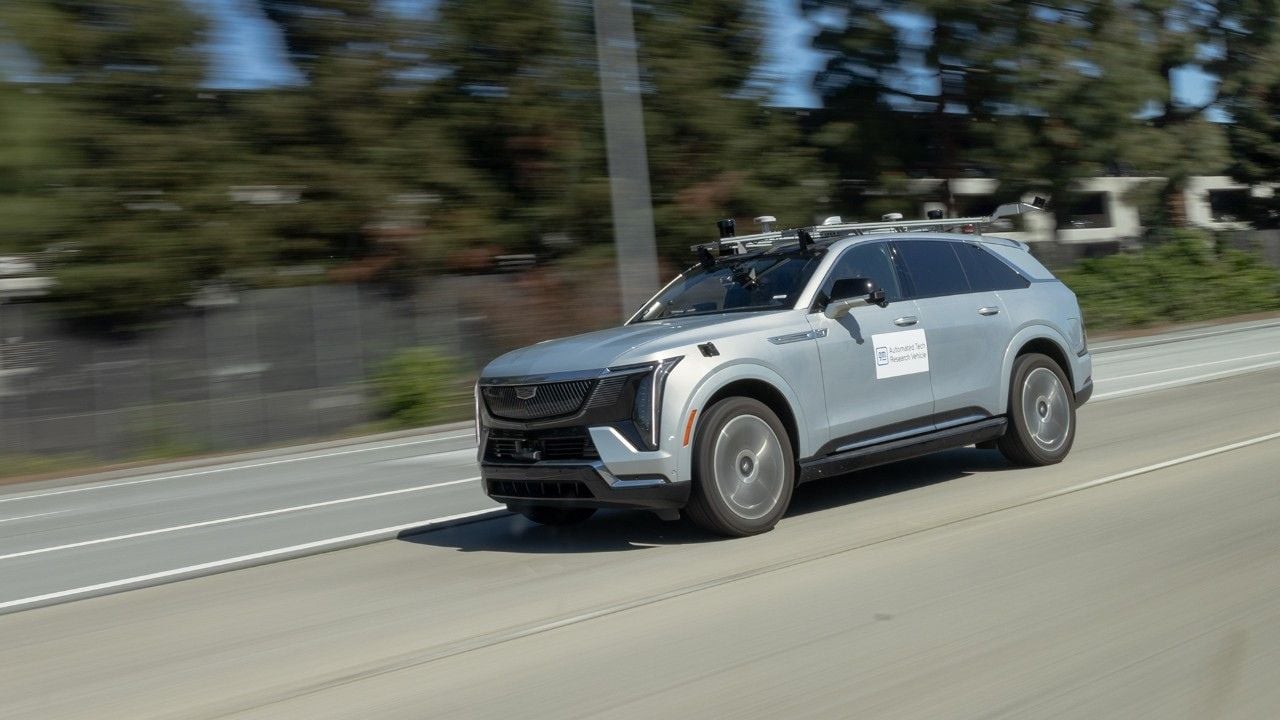
GM is stepping up efforts to bring its next-generation automated driving system for personal vehicles onto public roads by launching supervised public-road tests. The company has deployed over 200 manual and supervised development vehicles across limited-access highways in California and Michigan, which marks a key milestone when years of manual data collection and virtual simulations will be validated in the real world.
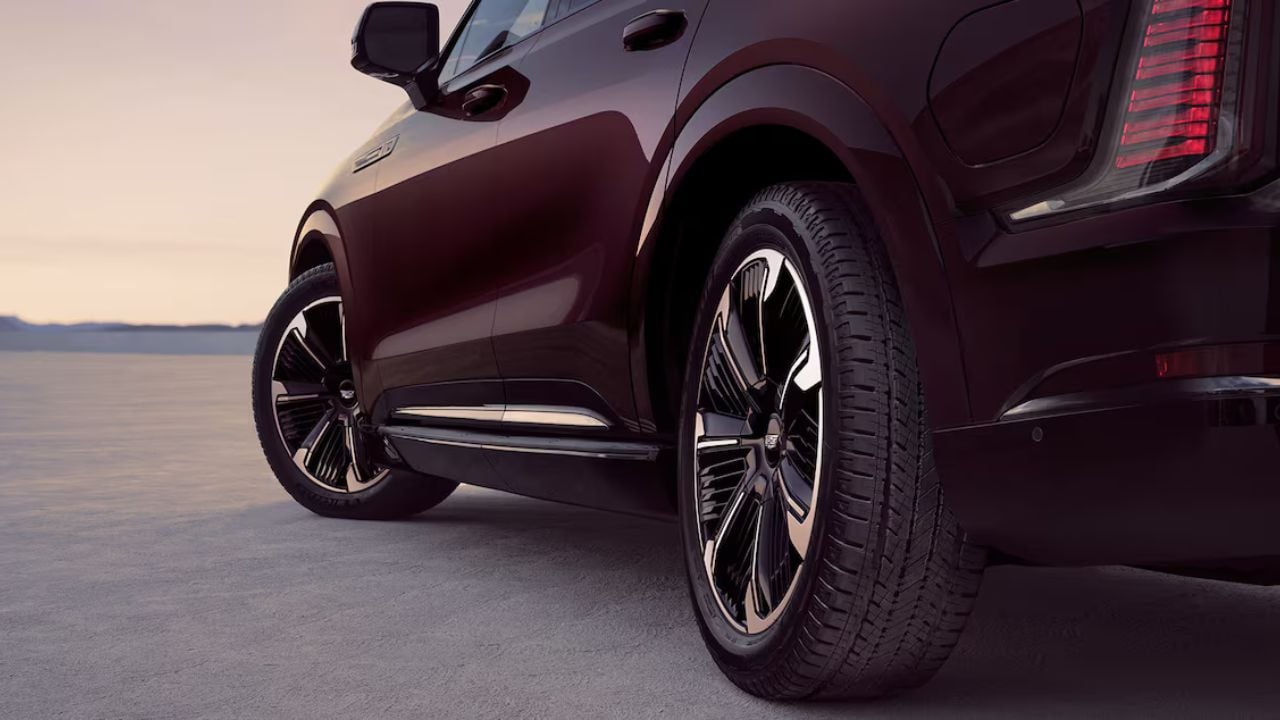
The system appears to be aimed at Level 3-style ‘eyes-off’ capability, but GM is taking a safety-first approach by staffing each test car with a trained human supervisor capable of taking immediate control when necessary. GM says it plans to introduce the system starting in 2028 with the Cadillac Escalade IQ, subject to the usual validation and rollout requirements.
How the Tests Will Work
The road-testing phase is a real-world validation step for GM’s next-generation automated driving stack, which builds on Super Cruise and related autonomy work. Before a single tire touched public asphalt, GM says the system was trained on millions of real-world miles and stress-tested millions of times in simulated scenarios. GM says its simulation environment can model roughly 100 years of human driving per day, helping engineers refine edge-case behavior.
On the road, the 200-vehicle fleet utilizes a comprehensive sensor suite including LiDAR, radar, and high-resolution cameras to build a 360-degree map of its surroundings. Each vehicle will have a trained human supervisor who’ll monitor the system’s performance and intervene instantly when necessary, ensuring that the “eyes-off” capability is refined under strict human oversight before it is ever handed over to a consumer. By focusing on supervised public testing first, GM is attempting to build public and regulatory trust before the system’s planned introduction in 2028.
The Evolution of GM’s Self-Driving Vision
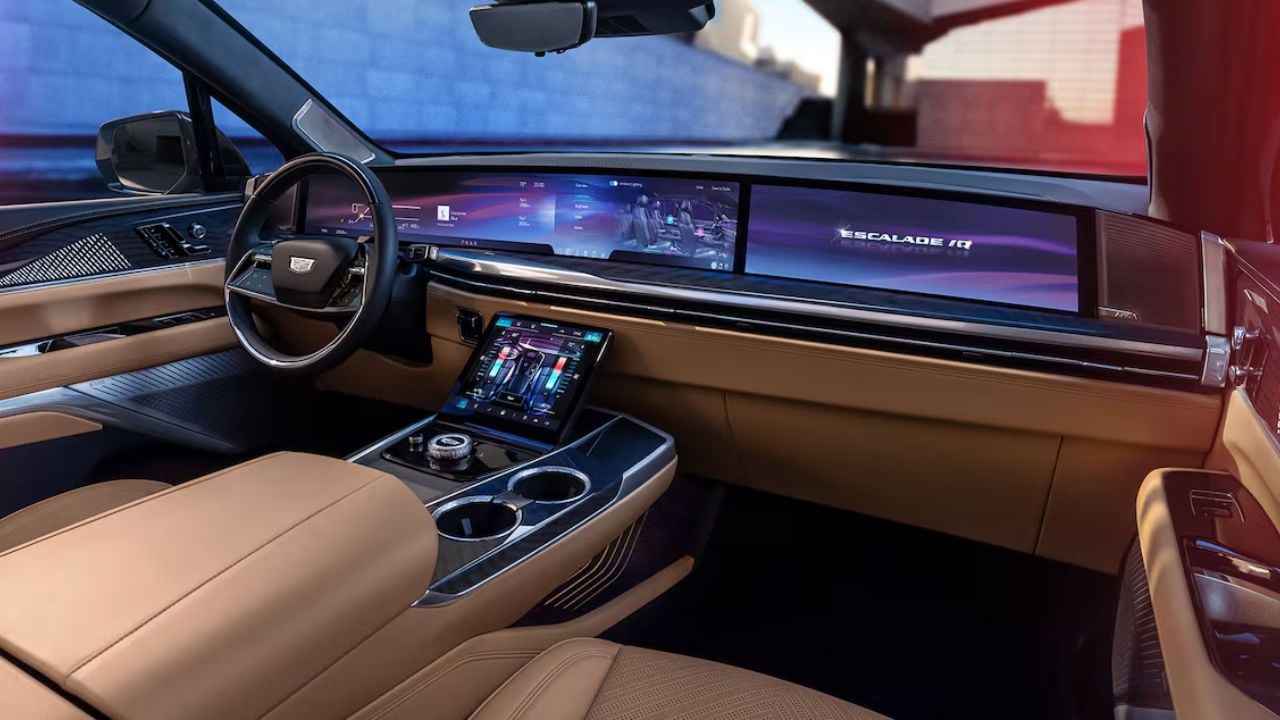
GM’s journey toward autonomy began with Super Cruise, which debuted in 2017 as the industry’s first true hands-free freeway-driving system. While Super Cruise laid the groundwork with high-precision mapping and driver-monitoring tech, it still required drivers to stay focused on the road. GM also pursued driverless urban robotaxis through Cruise, but in late 2024, it ended Cruise’s robotaxi development push and pivoted toward perfecting advanced autonomy and driver-assistance systems specifically for personal vehicles. GM says Super Cruise has accumulated more than 800 million customer-driven miles across 23 vehicles, and Cruise contributes more than 5 million fully autonomous miles. This latest testing phase represents the convergence of these two paths: taking the robust highway performance of Super Cruise and marrying it with the advanced AI brains developed for robotaxis to move toward an eyes-off system that resembles Level 3 capability.
Where Rivals Stand
GM isn’t the only heavyweight throwing punches in the autonomous arena. Several automakers are also working toward more advanced automated-driving systems, though they have different timelines and technical strategies. Mercedes-Benz currently holds the pole position in the U.S., having already received regulatory approval for its DRIVE PILOT Level 3 system in California and Nevada, though it’s currently limited to 40 mph in heavy traffic. Meanwhile, Ford is hot on GM’s heels and aims to bring Level 3 driver-assistance capability to market in 2028.
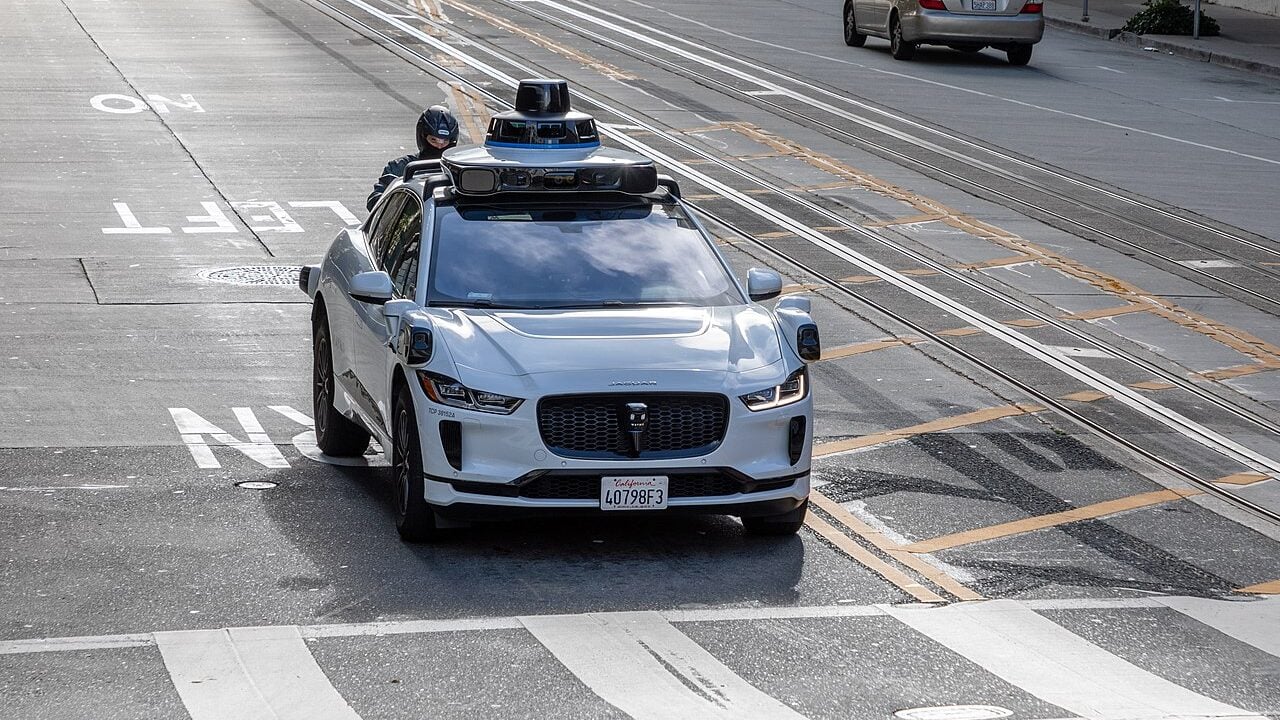
Tesla continues to push its Full Self-Driving software, though it remains a supervised Level 2 system that relies on cameras and AI alone, a stark contrast to GM’s hardware suite that includes LiDAR, radar, and cameras. In the background, Alphabet’s Waymo remains the leader in U.S. commercial driverless ride-hailing, operating fully driverless Level 4 robotaxis in major hubs like Phoenix and San Francisco.
The Road to 2028
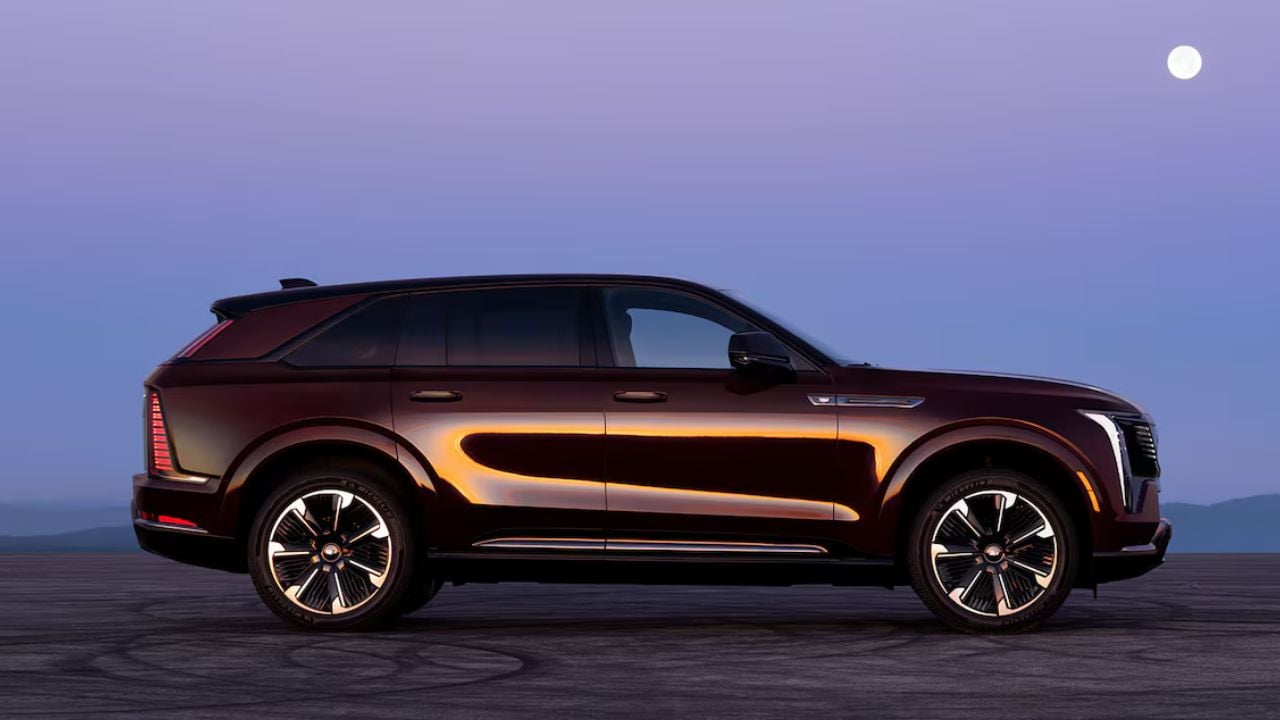
These tests are an important real-world validation step ahead of GM’s planned 2028 introduction. Goldman Sachs has estimated that up to 10% of global new-car sales could be Level 3 vehicles by 2030, sparking a ‘passenger economy’ worth trillions. For GM, the goal is clear: transition from a traditional automaker to a provider of technology that lets drivers use commute time for other activities while the car handles the commute. GM plans to introduce eyes-off driving in 2028, starting with the 2028 Cadillac Escalade IQ, followed by additional gas and electric vehicles.