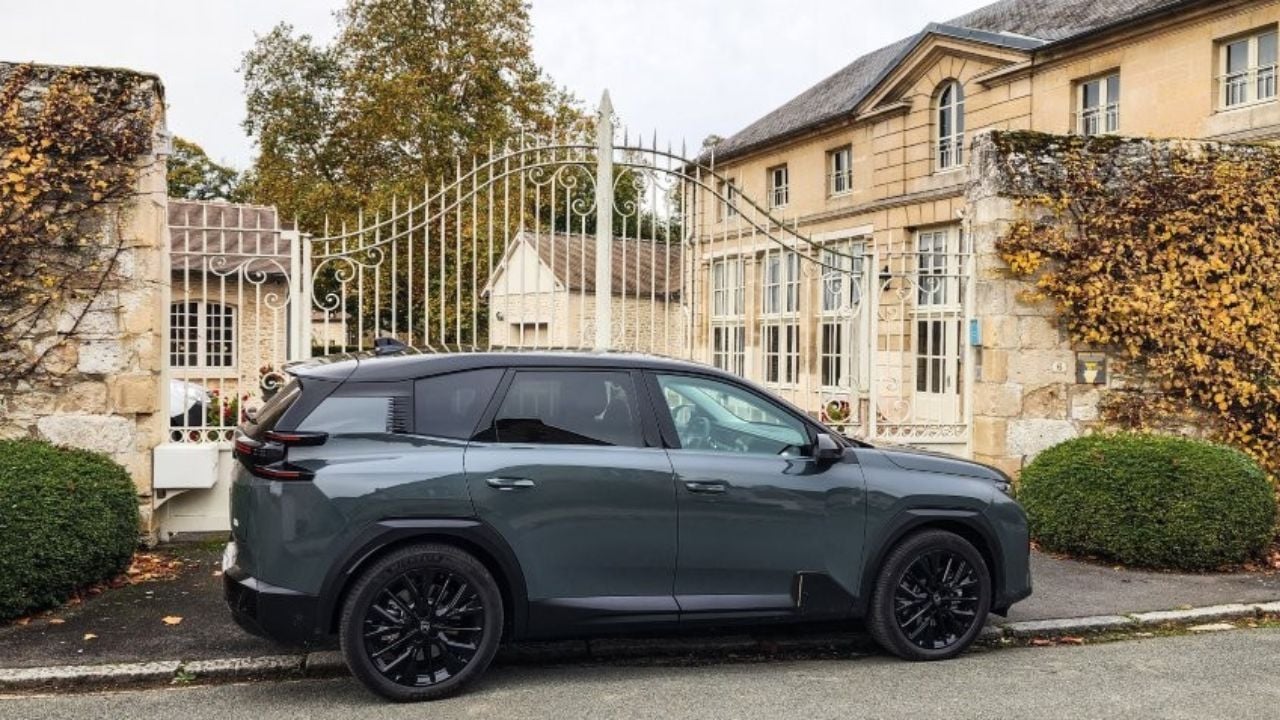
High fuel prices in Germany are starting to reshape car shopping in real time. Recent industry reporting says more than 70% of the latest configurations on Carwow’s German platform have been for electric vehicles, a sharp swing that the company’s leadership says is unusually fast.
That shift did not begin with oil alone. Germany’s newly announced EV subsidy program, worth up to about $7,000 for eligible households, had already started improving buyer interest before the Iran conflict sent fuel costs sharply higher.
Now the market is reacting faster than many expected.
Dealers say showroom traffic has tilted heavily toward EVs, and the official March registration data shows this is not just an online trend. For the first time, battery electric vehicles narrowly outsold gasoline cars in Germany over a full month.
Fuel Prices Are Rewriting The Math
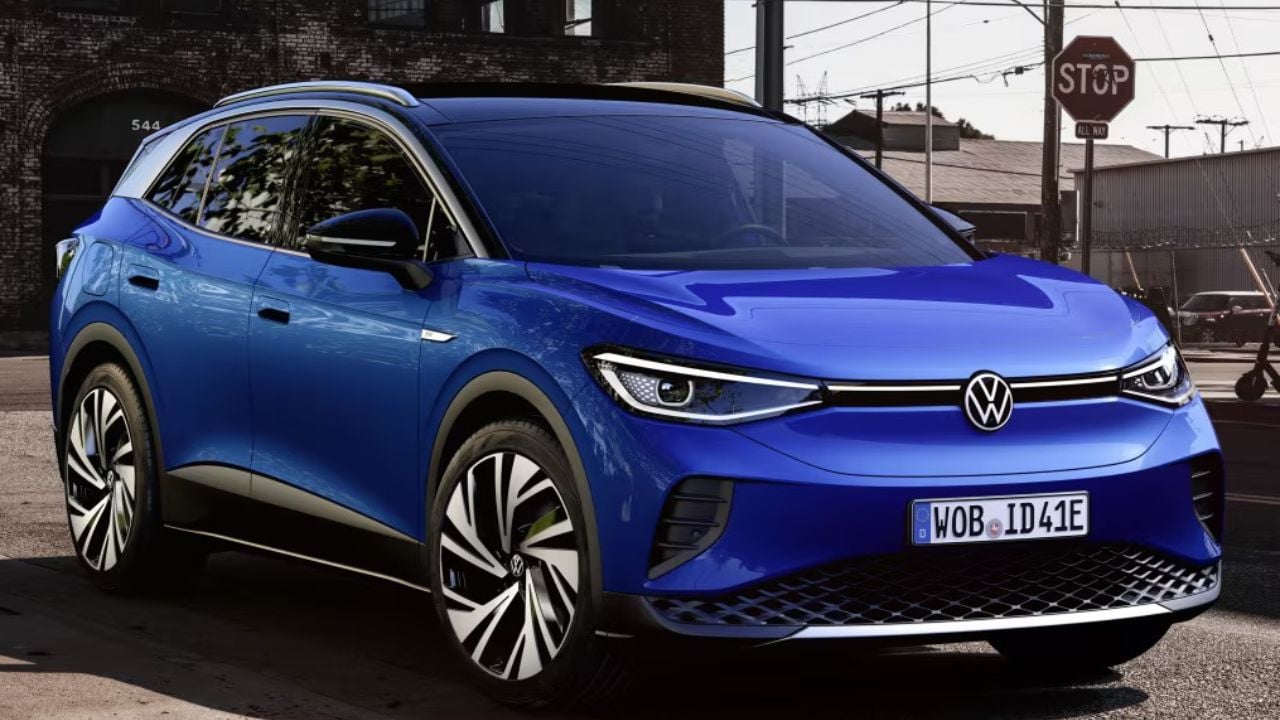
The immediate trigger is easy to see. Reuters reported that the Iran war disrupted a key shipping route that carries roughly 20% of global oil supplies, while average gasoline prices across the European Union climbed 12% between February 23 and March 16.
Germany has already responded with emergency relief. The coalition government announced a $1.9 billion package that includes a temporary fuel tax cut worth about $0.70 per gallon, a sign of just how seriously Berlin is treating the pressure at the pump.
For car buyers, that changes the ownership conversation almost overnight. Once fuel becomes this volatile, the running cost advantage of an EV suddenly feels less theoretical and much more immediate, which is the clearest explanation for the sudden swing in online configurations and used EV activity across Europe.
March Delivered A Clear Signal

The March numbers in Germany were hard to ignore. According to KBA-based reporting, 294,161 passenger cars were newly registered in the month, up 16% from a year earlier, with 70,663 of them fully electric and 66,959 powered by gasoline.
That meant EVs took roughly 24% of the market and edged past gasoline cars for the first time in a single month. Hybrids still led overall with roughly 117,846 registrations when conventional hybrids and plug-in hybrids were combined, which shows that many buyers are still moving toward electrification in stages rather than all at once.
Germany was not alone. Reuters reported that Europe as a whole posted a record March for EV registrations, with regional sales up 37%, suggesting that Germany’s spike fits into a broader shift rather than a one-off anomaly.
Interest Alone Will Not Settle The Question
The current surge still needs to be judged carefully. Platform data can move faster than actual vehicle deliveries, and even supportive coverage in Germany has noted that online configuration activity does not map perfectly to final sales.
Even so, this is not coming out of nowhere. Germany had already laid out a new subsidy program ranging from about $1,700 to $7,000, with applications expected to be handled retroactively for eligible registrations from January 1 once the portal goes live in May.
That means the recent jump in interest is probably best understood as two forces landing at once. The subsidy announcement improved the mood around EVs, then the fuel shock made the cost case much harder for buyers to ignore.
Supply May Decide What Happens Next
The harder question is whether the industry can respond quickly enough. Volkswagen has already begun previewing the ID.3 Neo as the successor to the current ID.3, but the company itself says the new model is still a near production concept and not yet on sale, which shows how easy it is for demand to outrun fresh product availability.
Stellantis dealers are already feeling that pressure in another part of the market. German reporting summarized by Electrive says long-range Opel and Peugeot EV deliveries are slipping into late 2026 or even the first quarter of 2027 in some cases because demand is exceeding production capacity and supplier ramp-up has been slower than expected.
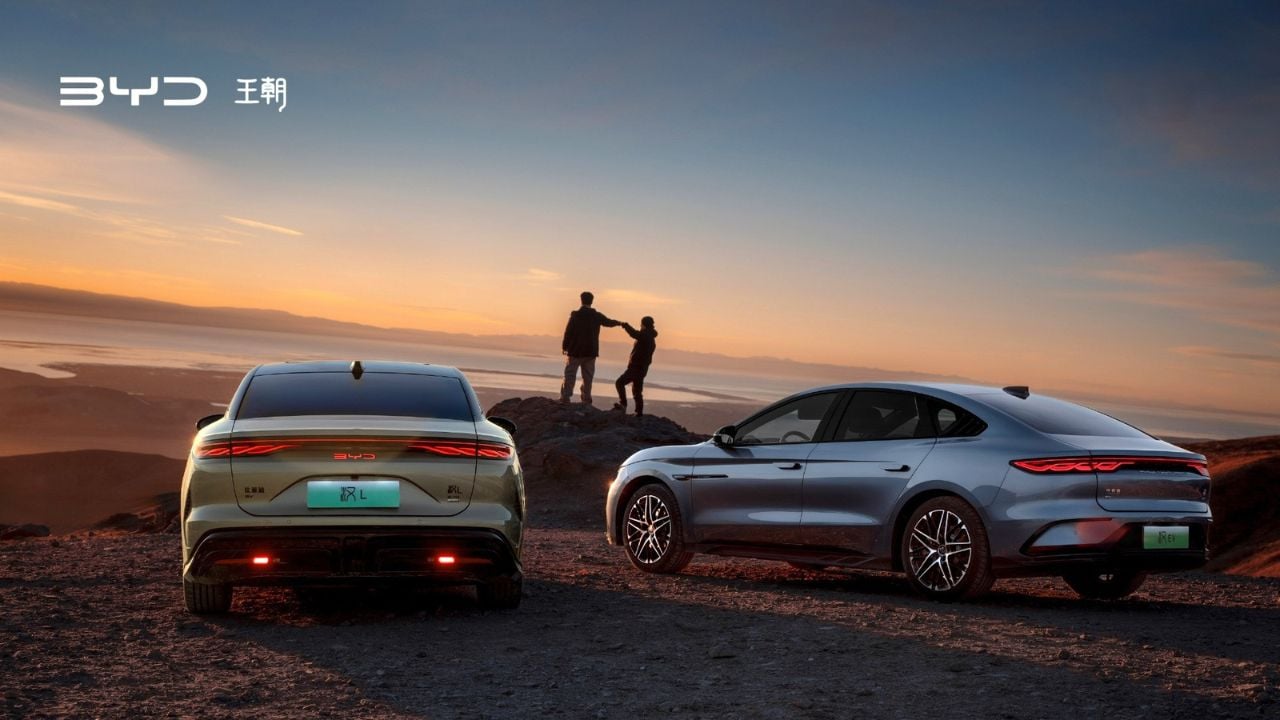
That creates an opening for brands that can deliver cars quickly and price them aggressively. BYD, for example, is already pushing major discounts in Germany and has set a goal of selling 50,000 vehicles there this year, which could make it one of the biggest beneficiaries if established European brands cannot keep up.
Germany’s recent EV surge, then, is about much more than one painful stretch at the pump. High gasoline prices may have lit the fuse, but whether this becomes a lasting market shift will depend on something more basic and more difficult: whether policy stays clear, whether supply improves, and whether automakers can put enough compelling EVs in front of buyers while interest is still running this hot.
This article originally appeared on Autorepublika.com and has been republished with permission by Guessing Headlights. AI-assisted translation was used, followed by human editing and review.