

A high stakes legal battle is unfolding in the state of Georgia, where the family of Hannah Payne is pushing for a new trial in a case that has drawn national attention for its tragic and controversial circumstances.
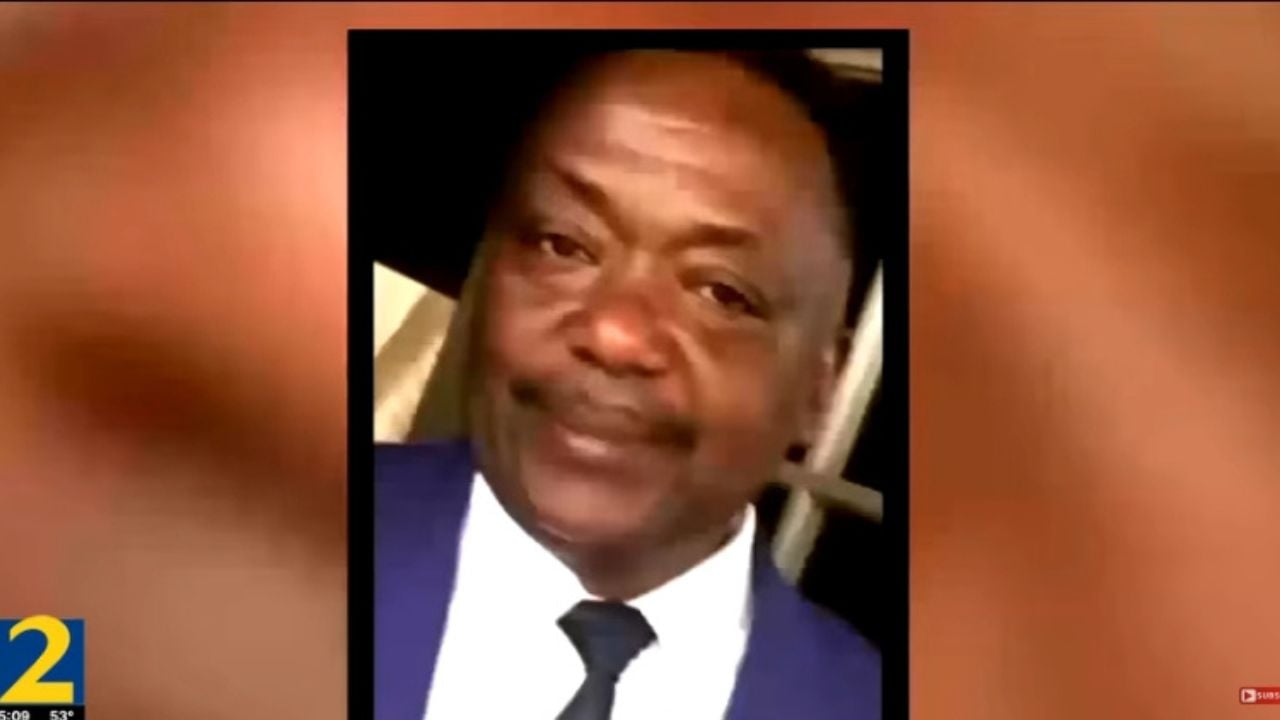
Payne is currently serving a life sentence for the fatal shooting of Kenneth Herring, a 62-year-old man who was killed following a roadside confrontation in 2019.
The latest developments played out before the Georgia Supreme Court in downtown Atlanta, where justices heard arguments centered on whether Payne received a fair trial in 2023.
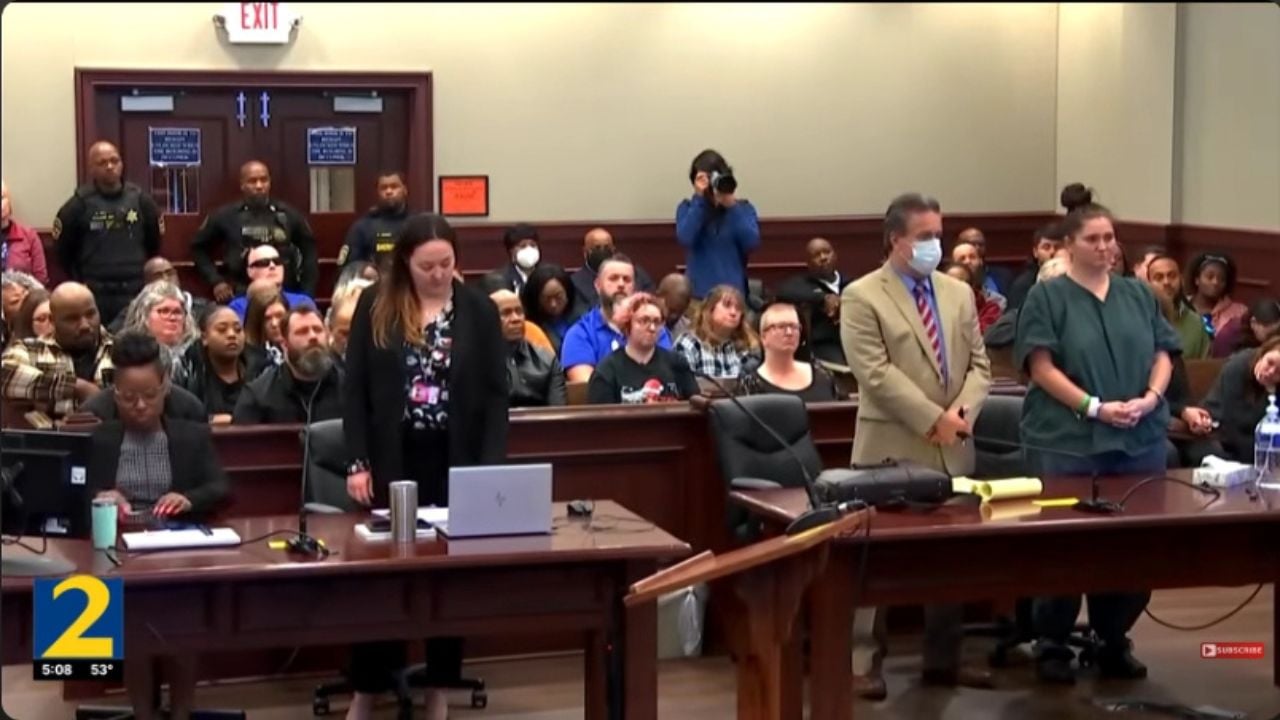
At the heart of the appeal is the performance of her trial attorney, Matt Tucker, and whether key legal strategies were mishandled in a way that may have influenced the jury’s guilty verdict.
According to arguments presented in court, Payne’s legal team now contends that Tucker failed to properly present critical defenses that could have altered the outcome of the case.
Specifically, they argue that jurors were not instructed to consider whether Payne acted in defense of others or within the scope of a citizen’s arrest. These legal concepts, while complex, could have provided an alternative framework for interpreting her actions during the fatal encounter.
The Fatal Encounter
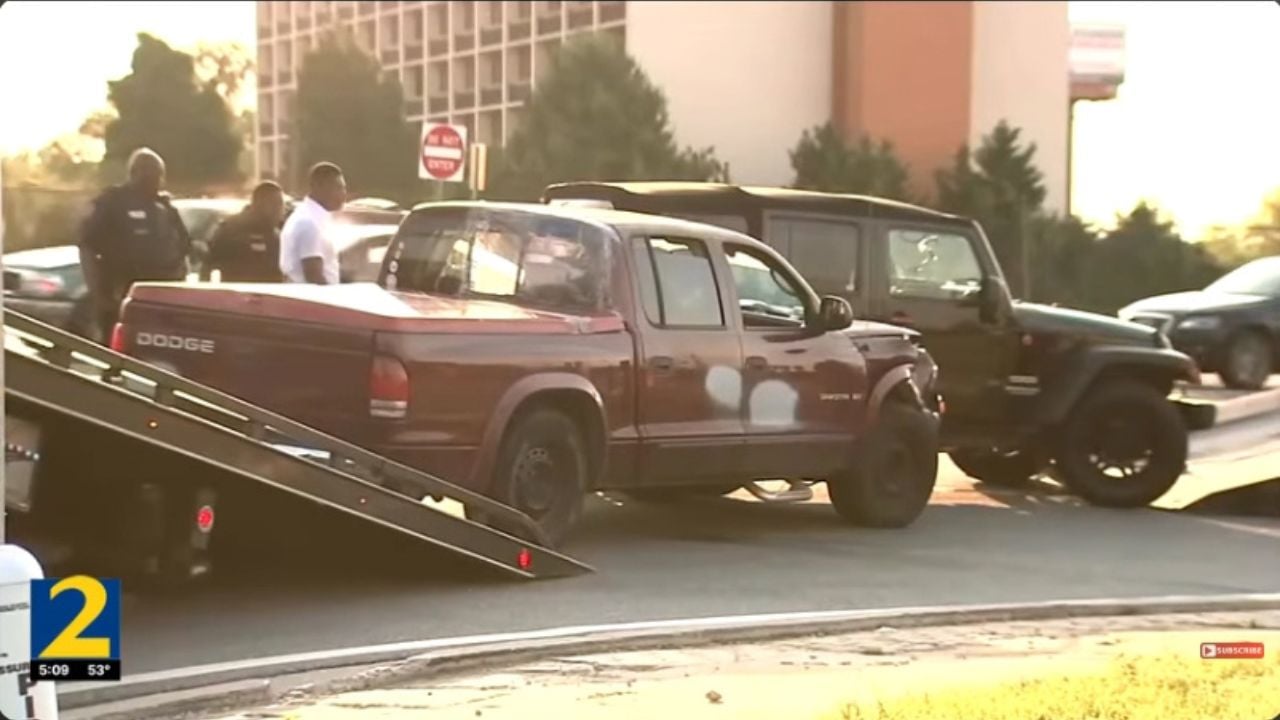
The incident itself traces back to a crash involving Herring, who struck a tractor trailer and left the scene in Clayton County, possibly experiencing a medical episode. The crash occurred on Clark Howell Highway near I‑285.
Payne, who witnessed the aftermath, chose to pursue Herring in her vehicle despite being explicitly told by a 911 operator not to do so. Prosecutors later emphasized this decision as a critical turning point, arguing that Payne escalated the situation unnecessarily.
What followed was a confrontation that ended in gunfire. Authorities said Payne approached Herring’s truck, leading to a physical struggle. During that altercation, she shot and killed him.

Payne’s defense at trial maintained that she acted out of fear, claiming that Herring attacked her during the encounter. However, prosecutors painted a different picture, describing her actions as reckless and unjustified, particularly given her decision to chase Herring against official advice.
The fatal encounter between Payne and Herring occurred in May 2019 at the intersection of Forest Parkway and Riverdale Road in Clayton County, Georgia. Clayton County is part of the Atlanta metropolitan area, and the intersection of Forest Parkway and Riverdale Road is a busy corridor.
The proximity to I‑285 highlights how quickly Payne was able to follow Herring after the initial crash. Prosecutors emphasized that Payne’s decision to pursue Herring escalated the situation beyond what law enforcement advised.
The date and location of the fatal encounter are central to the case because they establish jurisdiction (Clayton County courts) and frame the timeline of Payne’s actions. The defense’s appeal argues that Payne’s pursuit could have been interpreted under citizen’s arrest or defense of others, but the jury was not instructed to consider these defenses.
The Georgia Supreme Court is now reviewing whether Payne’s trial attorney mishandled these strategies, potentially affecting the fairness of her conviction.
The Question of Ineffective Counsel

Inside the courtroom this week, justices focused heavily on whether Tucker’s legal decisions amounted to ineffective counsel. One of the central questions raised was not just whether mistakes were made, but whether those alleged errors prejudiced the jury against Payne.
In legal terms, this distinction is critical. Even if an attorney’s performance is deemed deficient, a conviction is not automatically overturned unless it can be shown that the outcome would likely have been different.
The state argued that Tucker’s choices were deliberate and grounded in the evidence. Prosecutors maintained that instructions related to citizen’s arrest or defense of others were not supported by the facts presented at trial. Therefore, they argued, omitting those arguments was a strategic decision rather than a failure of representation.
Tucker himself has defended his approach, explaining that he believed introducing a citizen’s arrest argument would not resonate with jurors. His assessment reflects the difficult balance defense attorneys must strike when deciding which legal strategies to pursue in front of a jury.
The Aftermath and the Wait for a Decision
Meanwhile, Payne’s family remains steadfast in their support. They have publicly stated that she continues to rely on her faith as she awaits the court’s decision. For them, the appeal represents a chance to revisit a case they believe was not fully or fairly presented the first time.
Notably, the initial crash involving Herring and a tractor trailer did not result in any deaths or serious injuries. The collision was described as a minor crash, and no fatalities or major injuries were reported from that impact.
So, the tragedy did not stem from the crash itself. It was Payne’s pursuit and confrontation afterward that escalated into a deadly encounter.
The Georgia Supreme Court is expected to rule on whether Payne will be granted a new trial by mid-July, or possibly sooner. That decision could either reaffirm the original verdict or reopen a case that continues to spark debate about self-defense, legal strategy, and the boundaries of civilian intervention on the road.