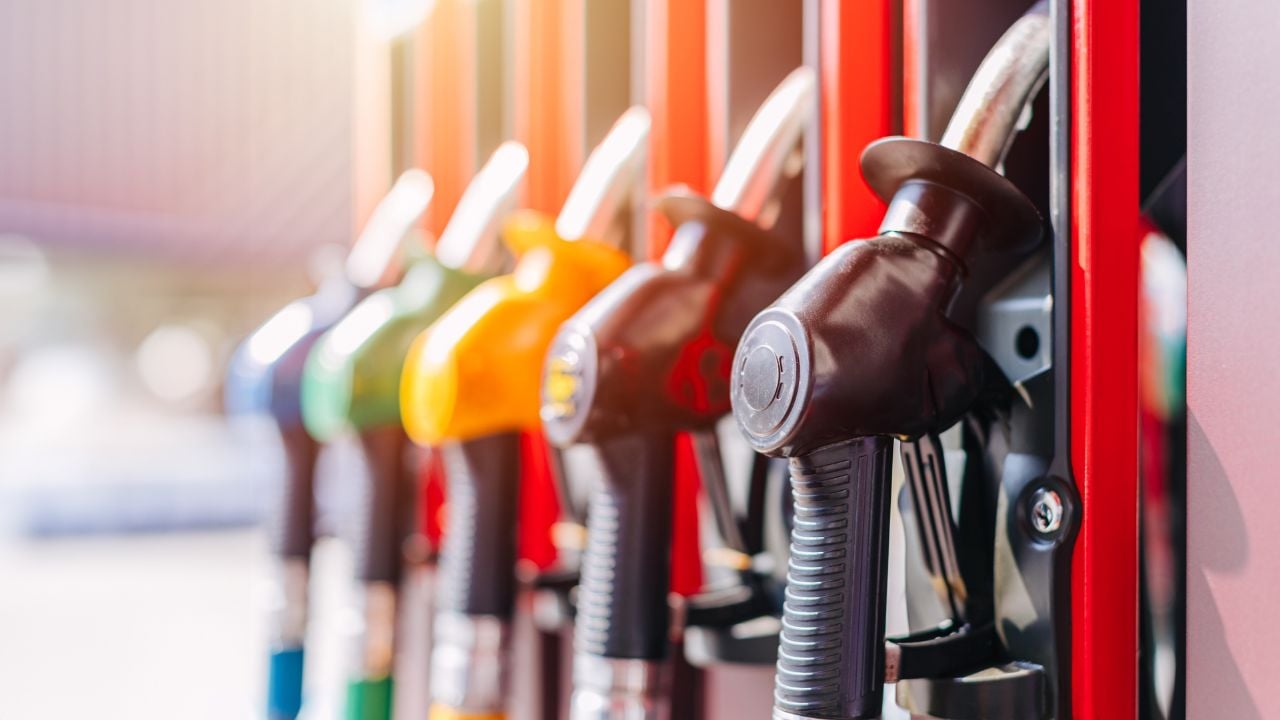
Several major gas station operators are facing a proposed class-action lawsuit in California over claims that artificial intelligence was used to keep fuel prices artificially high. According to KTLA, the complaint was filed by a group of drivers in federal court in Sacramento.
The lawsuit names BP, Circle K, 7-Eleven, Walmart, Marathon Petroleum, Albertsons, and pricing technology company Kalibrate as defendants. According to the complaint, the companies allegedly relied on the same AI-powered pricing tool to analyze market data and recommend pump prices.
At the center of the case is a bigger question now spreading across multiple industries: when does algorithmic pricing become unlawful coordination? The drivers argue that the software reduced competition by allowing rival gas stations to move prices upward together.
The allegations arrive at a sensitive time for California motorists, who already pay some of the highest fuel prices in the country. If the lawsuit advances, it could become an important early test of how antitrust law applies to AI-driven pricing systems.
Lawsuit Claims AI Tool Helped Raise Pump Prices
According to the complaint, Kalibrate’s software collected data from competing stations and used that information to recommend fuel prices. The drivers allege that widespread use of the same tool allowed gas station operators to keep prices elevated rather than compete aggressively for customers.
The suit claims prices rose by as much as 30 cents per gallon in areas where the software was heavily used. The named gas station operators reportedly run more than 1,700 locations across California, giving the alleged pricing system a large footprint in the state.
The lawsuit argues that this conduct violates California’s Cartwright Act, the state’s main antitrust law. The complaint accuses the defendants of joining what it describes as an “AI-powered trust” that harmed drivers by limiting price competition.
California Drivers Already Face High Fuel Costs
California’s fuel market is already one of the most expensive in the United States, making even small price increases meaningful for commuters. The complaint claims that every additional penny per gallon costs California drivers roughly $134 million annually statewide.
That math turns the alleged 30-cent increase into a serious financial concern for motorists. For families who depend on gasoline vehicles for daily commuting, delivery work, or long-distance travel, pump prices can quickly reshape monthly budgets.
The lawsuit also says some areas saw fuel prices climb above $7 per gallon. While gas prices can rise for many reasons, including taxes, refinery supply, crude oil costs, and regional regulations, the plaintiffs argue this case involves something different: competitors allegedly using the same pricing system in a way that weakened market competition.
AI Pricing Could Face New Scrutiny

AI-based pricing tools are not automatically illegal. Many businesses use software to analyze demand, inventory, location, and competitor activity when making pricing decisions.
The legal concern emerges when rival companies allegedly rely on the same system in a way that produces coordinated results. In that scenario, the plaintiffs argue, an algorithm may become a modern version of price-fixing.
The defendants have not yet publicly responded to the allegations in the reports provided. For now, the claims remain unproven, and the case will need to move through the courts before any liability is established.
Fuel Prices Keep Influencing Car-Buying Decisions
The case also matters beyond the gas station forecourt. High fuel prices have already pushed many shoppers toward hybrids, smaller vehicles, and EVs, especially in states where gasoline is consistently expensive.
For automakers, that consumer pressure can affect product planning and sales momentum. Trucks and large SUVs remain popular, yet sustained fuel cost anxiety often gives efficient vehicles a stronger argument.
Whether this lawsuit succeeds or not, it shows how closely drivers, regulators, and courts are beginning to watch AI’s role in everyday pricing. For motorists, the concern is simple: when several stations in the same area seem expensive at once, the question may no longer be limited to oil markets or taxes.