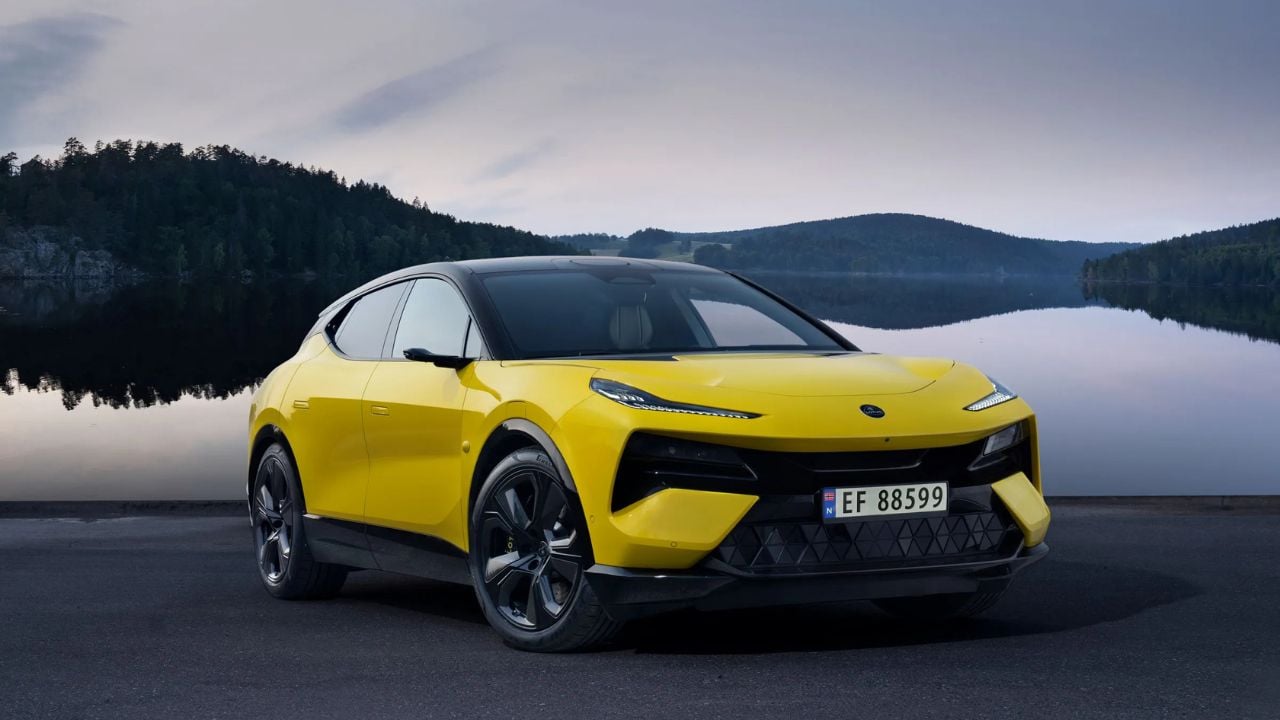
Canada is preparing to welcome the first Chinese-owned, Chinese-built electric vehicles under a new trade agreement with China, marking a significant change in the country’s EV market. The first shipment is expected to arrive in early July and will feature the Lotus Eletre, a luxury electric SUV built by Geely in Wuhan.
The move highlights the growing divide between Canadian and U.S. policies toward Chinese electric vehicles. While Canada is opening its market under a reduced-tariff agreement, the United States continues tightening restrictions on vehicles manufactured in China over national security concerns.
The shipment follows an agreement reached earlier this year between Canadian Prime Minister Mark Carney and Chinese President Xi Jinping. Under the deal, Canada will allow up to 49,000 Chinese-built EVs to enter the country annually at preferential tariff rates as Ottawa looks to diversify trade beyond the United States.
Although the first arrivals target the premium luxury segment rather than budget-conscious buyers, they could signal the beginning of broader changes in Canada’s automotive market. Several other Chinese automakers are already working toward entering the country over the coming months.
Lotus Leads China’s EV Entry Into Canada

According to Reuters, Geely will officially launch the Lotus Eletre in Canada during a delivery ceremony scheduled to take place in Montreal. The SUV becomes the first Chinese-owned and Chinese-manufactured electric vehicle to enter the Canadian market under the new trade framework.
The Eletre is positioned as a high-end performance SUV rather than an affordable mass-market EV. With a starting price of approximately CAD 119,900, or around $84,000 USD, it competes against premium electric models such as the Porsche Macan Electric and Tesla Model X.
Unlike many Chinese EVs that have gained attention for their low prices, Lotus is using its luxury brand to establish an early presence. That strategy allows Geely to enter Canada with an established global name while introducing consumers to Chinese-built premium vehicles.
More Chinese Brands Could Soon Follow
The Lotus shipment is expected to be only the beginning. Chinese ambassador Wang Di told Reuters that manufacturers, including BYD and Chery, are working with Canadian authorities to complete regulatory requirements before launching their own vehicles.
Some vehicles from those companies have already arrived in Canada for testing and certification. If approvals proceed as expected, additional Chinese brands could begin selling EVs in Canada later this year.
Chinese automakers are also reportedly exploring future investments in Canada’s EV industry. While joint ventures remain a long-term possibility, company executives are currently focused on building sales, establishing dealer networks, and measuring consumer demand before expanding manufacturing or partnerships.
The arrival of additional brands could increase competition across multiple price segments. Canadian buyers may benefit from greater model choice, while established automakers could face increased pressure from well-equipped EVs entering the market at competitive prices.
A Different Path Than The United States

Canada’s strategy stands in sharp contrast to the United States, where policymakers have taken a much tougher stance on Chinese-built connected vehicles. American officials have argued that internet-connected vehicles manufactured in China could present cybersecurity and national security risks.
Those concerns have already affected several automakers connected to Geely. Polestar is expected to stop selling new vehicles in the U.S. beginning with the 2027 model year, while Volvo continues operating under specific regulatory approvals despite ongoing scrutiny of its Chinese ownership ties.
The restrictions have complicated Geely’s North American expansion plans. Canada is becoming an increasingly attractive destination for Chinese manufacturers even as opportunities south of the border become more limited.
Some proposed U.S. measures could also affect owners traveling across borders. If future restrictions are fully implemented, drivers of certain Chinese-built connected vehicles purchased in Canada or Mexico may encounter limitations when attempting to enter the United States.
Trade Agreement Extends Beyond Electric Vehicles
The EV agreement forms part of a broader effort to strengthen economic ties between Canada and China. During his visit to Beijing earlier this year, Prime Minister Mark Carney announced plans to significantly expand Canadian exports to China by the end of the decade.
Chinese officials have suggested bilateral trade could potentially grow even faster than Canada’s original targets. Recent figures cited by China’s ambassador indicate Canadian exports have already risen substantially during the months following the agreement.
Energy and agriculture remain major opportunities for future trade. China has expressed interest in increasing imports of Canadian crude oil, liquefied natural gas, canola products, beef, peas, and other agricultural goods, although some tariffs remain in place and future trade negotiations are still ongoing.
For the automotive industry, however, the immediate significance lies in the arrival of Chinese-built EVs on Canadian roads. As luxury models like the Lotus Eletre establish an early foothold, Canada may soon become one of the most accessible North American markets for Chinese electric vehicles, even as those same models remain effectively out of reach for American buyers.