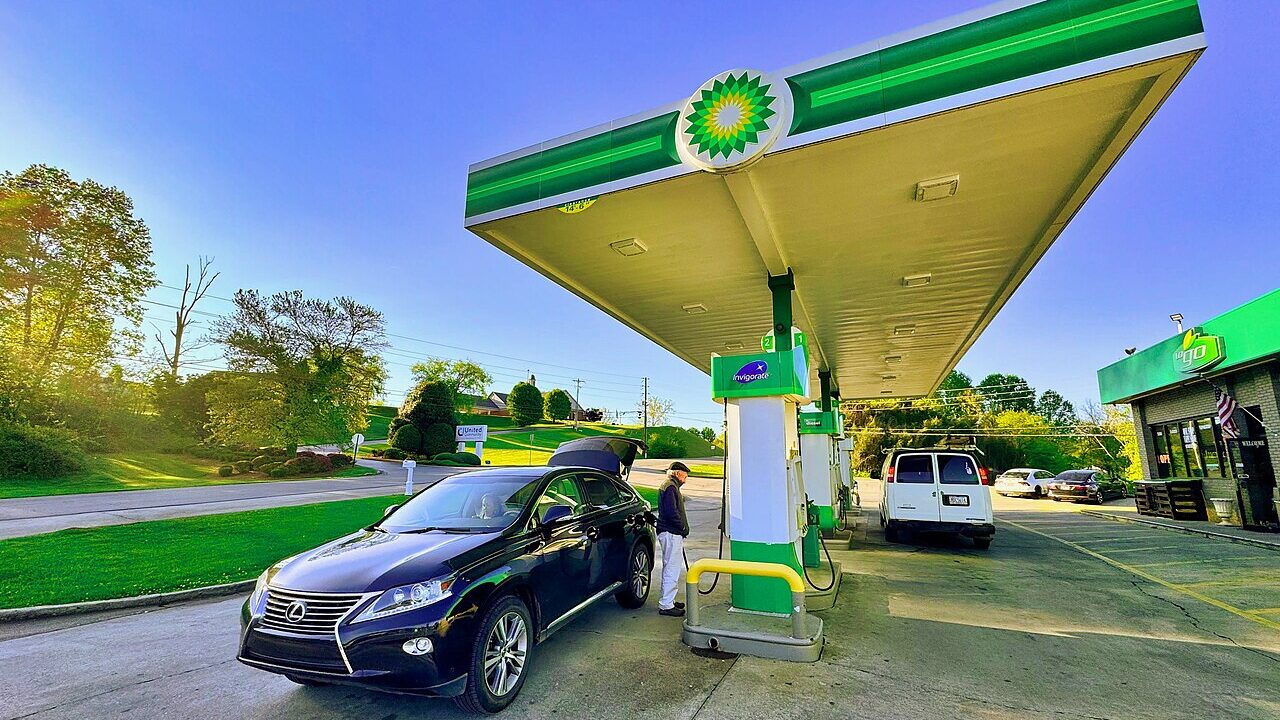

For drivers across the United States, the familiar routine of filling up at the pump may soon come with a heavier pinch on wallets.
Average gasoline prices in the country are climbing back above three dollars per gallon following major military strikes against Iran that have roiled global oil markets and raised fresh concerns about supply disruptions and inflation.
What Triggered the Spike?
The sudden move in pump prices follows a dramatic escalation in the Middle East. A coordinated airstrike by U.S. and Israeli forces in early March targeted sites in Iran, killing the country’s Supreme Leader and triggering swift and forceful retaliation by Tehran.
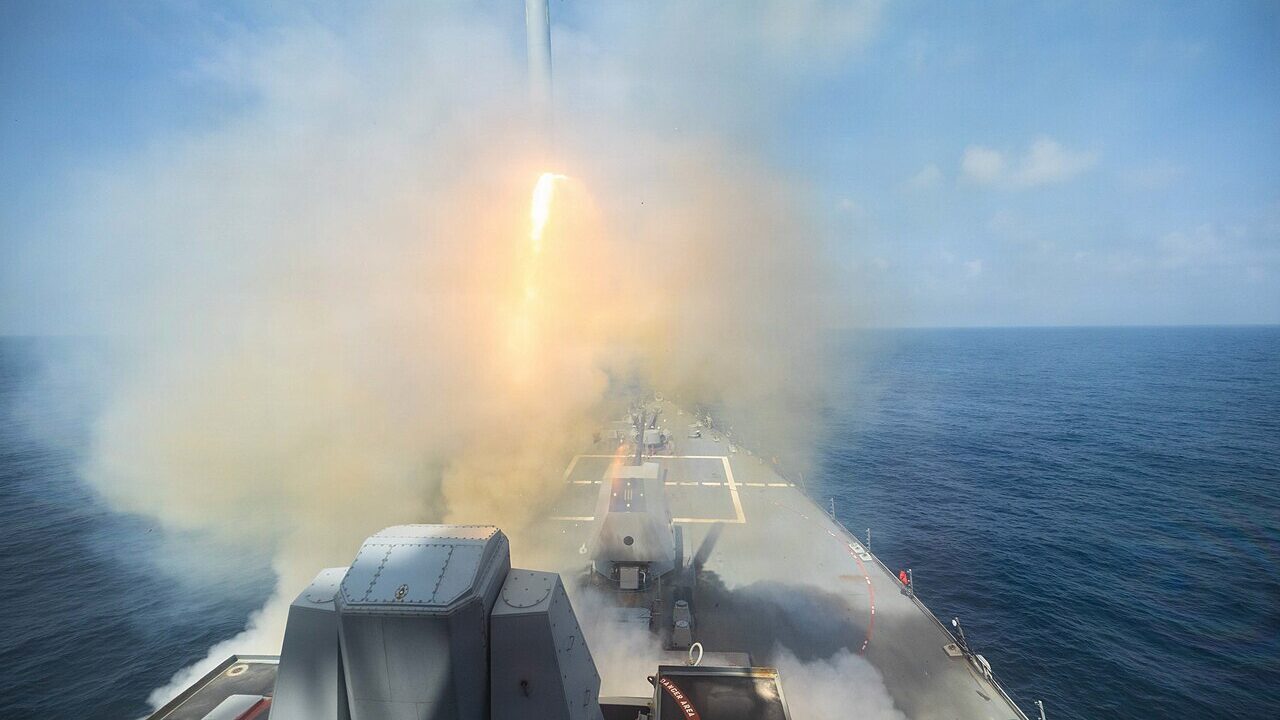
In response, Iranian authorities announced they had closed navigation through the Strait of Hormuz, a vital corridor for the world’s oil trade, effectively cutting off a key artery through which roughly one fifth of global crude oil flows.
The closure and ongoing hostilities have already disrupted shipping in the region, with at least three tankers reported damaged and major shippers opting to avoid the waters entirely for safety reasons.
That has compounded market fears about an actual supply shock at a time of steady global energy demand and tightening inventories outside the United States.
How High Can Prices Go?
Oil prices reacted immediately to the heightened risk environment. The global oil benchmark Brent crude jumped by about ten percent in the immediate aftermath of the strike, reaching near $80 per barrel in over-the-counter trading.

Some analysts warn Brent could climb as high as $100 per barrel if the conflict drags on and disruptions persist.
That surge in crude prices tends to feed directly into pump prices for gasoline because wholesale fuel prices are fundamentally linked to the price of crude oil.
Patrick De Haan, a senior petroleum analyst, summed up the transmission mechanism succinctly when he noted in commentary after the strikes that oil markets move first and gasoline follows.
Gasoline was already poised to get more expensive before the geopolitical flare-up hit. In the weeks leading up to the military strikes, U.S. refiners had begun shifting production toward a more costly summer-grade fuel blend that meets tighter environmental standards.
Those costs typically flow through to consumers at the pump during the spring and summer driving season when demand also rises, a seasonal pattern that was already pushing prices upward.
What Drivers Can Expect
With these added market pressures, analysts now expect the national average price of regular unleaded gasoline to stay above three dollars per gallon, a level that has not been consistently seen since late last year.

In some markets, prices could climb higher still, even topping $3.25 a gallon or more if crude markets remain unsettled and refiners push through higher costs.
U.S. gasoline inventories remain relatively healthy for now, with stocks holding near multi-year highs according to the latest data. That could help temper the magnitude of price increases if the crisis subsides quickly.
But if the Strait of Hormuz remains effectively closed for an extended period and shipping routes are further compromised, inventories may not provide enough buffer against tightening supplies abroad.
The Political Fallout
The situation also carries major political implications domestically. Higher gasoline prices tend to hit household budgets directly and can contribute to broader inflationary pressures. This can be a key concern for policymakers.
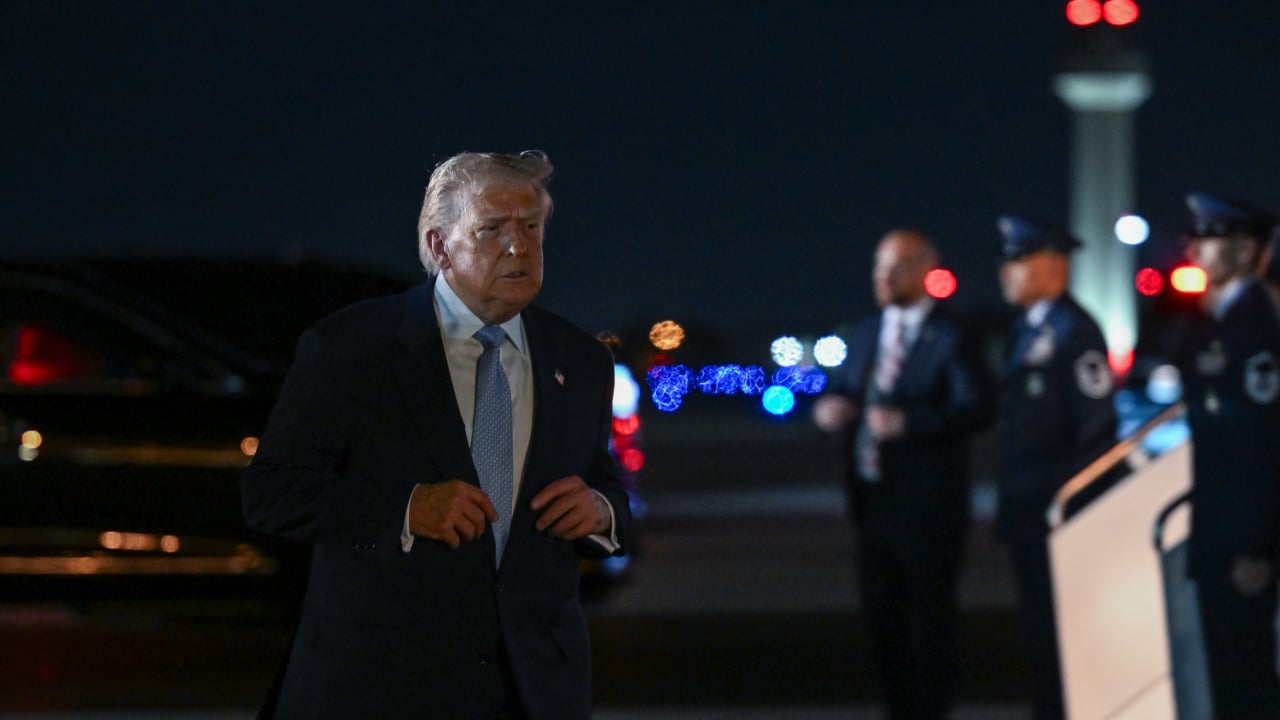
With U.S. midterm elections on the horizon, rising energy costs could complicate the political environment for the current administration and Congress.
Some economists and market strategists have suggested the government could consider releasing crude from the Strategic Petroleum Reserve to help steady prices, an instrument used in past supply disruptions like during the 2022 energy crunch.
Such moves can help bring down wholesale crude costs temporarily, though their effectiveness in the face of a sustained geopolitical conflict is uncertain.
That said, the immediate takeaway for car owners is that fuel expenses may edge higher in the coming weeks as crude oil prices absorb the risk premiums tied to Middle East instability.
Whether this proves a short-lived wobble or the start of a steeper climb will depend on how quickly the conflict’s effects on global oil flows can be resolved.
Sources: Reuters