
French automakers have always followed their own path, sometimes eccentric, often ingenious, and almost always memorable. From the earliest days of motoring, France was at the heart of automotive innovation, producing elegant luxury cars that rivaled the best from Britain and Italy. Decades later, that same spirit of experimentation gave the world clever family sedans, rally-bred hatchbacks, and some of the boldest designs ever to roll off a production line.
While their reputation for quirkiness sometimes overshadows their engineering achievements, France’s carmakers have repeatedly pushed boundaries and redefined what a car could be, stylish yet practical, futuristic yet approachable, and always unmistakably French.
What follows is a celebration of that creativity and courage. From roofless roadsters and mid-engined marvels to record-breaking hypercars, these vehicles capture the essence of France’s fearless approach to automotive design and innovation.
Renault Alpine GTA Turbo
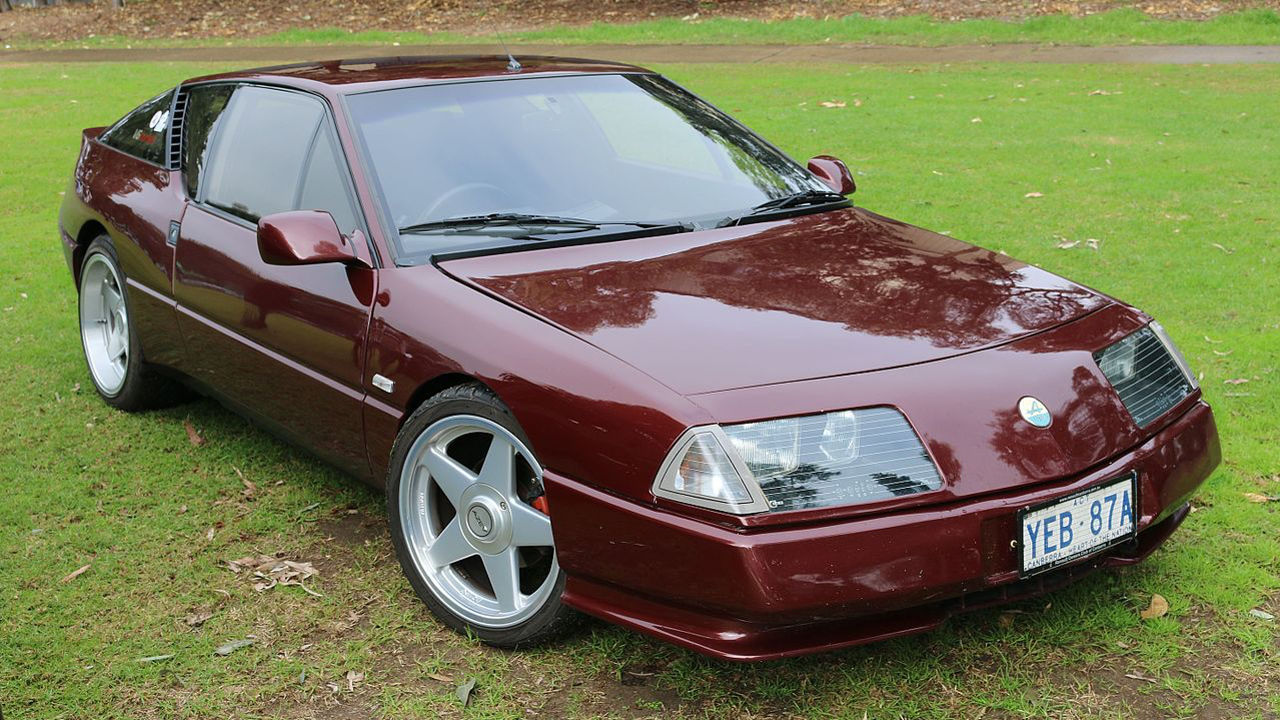
By the early 1980s, Renault and Alpine had already been working together for many years, but the 1985 GTA was one of the first all-new Alpines developed fully under Renault’s later corporate control. The GTA mixed Renault parts with Alpine engineering, and the now-largely unknown sports car was a hit among those in the know.
Behind the driver, there was a naturally aspirated 2.8-liter PRV engine with 160 hp or a turbocharged version with a 200-hp 2.5-liter. Not a ton of power, but the GTA’s body was made from polyester plastics and fiberglass, making it lighter and faster than the competition, such as the Porsche 944, and it was a surprisingly good grand tourer.
Renault Clio V6

In the 1980s, French carmakers earned a reputation for making exceptionally fun hot hatchbacks. Through the 1990s, they cooled off a bit, and were more lukewarm than scorching hot. In 2001, Renault wanted to take its hot-hatch game to the next level, so they came up with the Clio V6.
Similar to the treatment they gave the R5 Turbo in the ’80s, Renault ripped out the rear seat and fitted the engine behind the driver. Unlike the R5 Turbo, it didn’t have a small, turbocharged engine, but a whopping 3.0-liter naturally aspirated V6. Early cars sent 230 hp to the rear wheels, and that later increased to 255 hp, making it the world’s most potent hot-hatch at the time. Zero to 60 mph was dealt with in 5.8 seconds – which was as fast as a proper sports car back then.
Venturi Atlantique 400GT

If you’ve never heard of Venturi, don’t worry, you’re not alone. According to GT Planet, Venturi built some incredible sports cars. At least some of these cars should’ve been highly successful, but for whatever reason, Venturi struggled to convince people to buy them.
The Atlantique was the carmaker’s flagship model, and the 400 was the last version available before Venturi’s finances finally unraveled in the late 1990s. Being Venturi’s last attempt at greatness, the Atlantique 400GT had a top speed of more than 180 mph and handled like a race car. In the end, only 15 road-going cars were built.
Renault Sport Spider

Years ago, I came really close to buying a Renault Sport Spider, as I wanted something fun to drive around Europe for a couple of months while exploring the best roads. Unfortunately, it was just too impractical.
When the French roadster first emerged in 1996, it certainly stood out. Nowadays, there are a few companies that build minimalist sports cars for track use, but back then, that wasn’t really a thing. Early models didn’t even have a windshield, but they were legal for road use. There’s a naturally aspirated 2-liter engine positioned behind the driver, and while 148 hp makes it sound underpowered, the Sport Spider only weighs 2,050 lbs. It even had its own one-make racing series for a while.
Bugatti Veyron
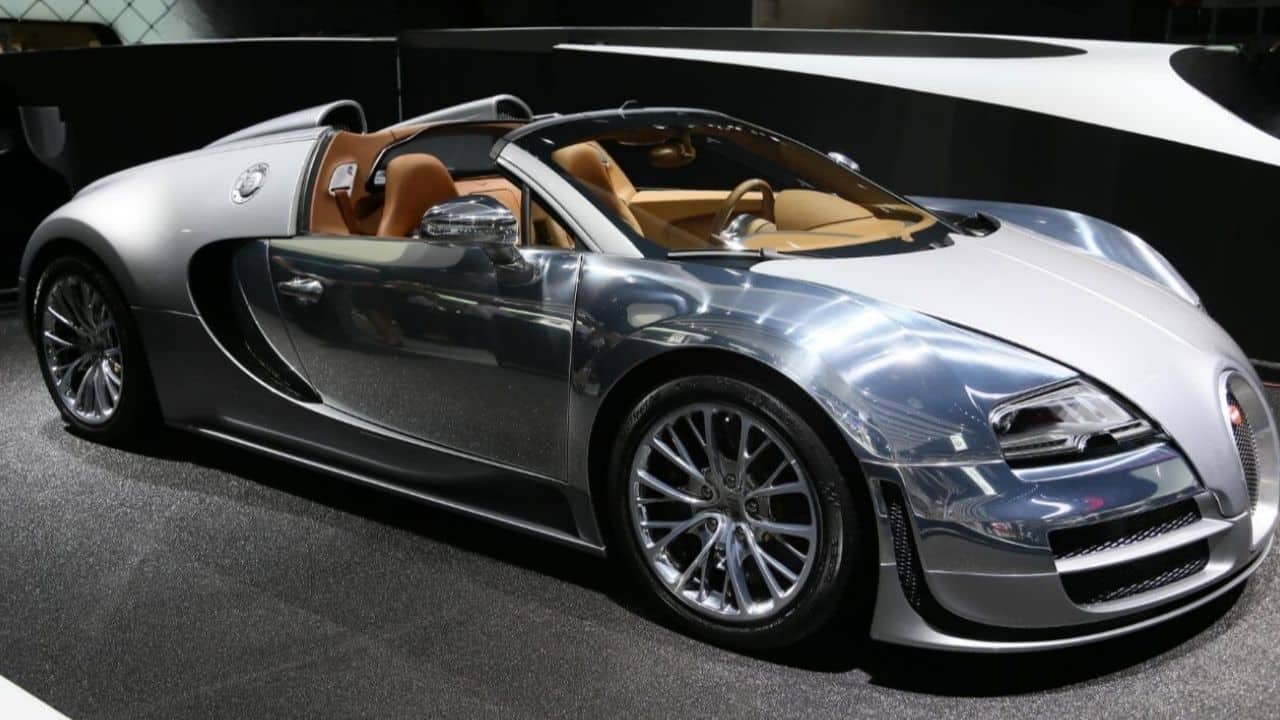
Everyone knows the Bugatti Veyron, so it’s certainly not a sleeper car! This car turned the entire supercar world on its head when it was launched with a 1,000-hp quad-turbo W16 engine in 2005. The engineering behind this automotive marvel may have been exclusively German, as it was one of VW boss Ferdinand Piëch’s vanity projects, but Bugatti is still a French brand.
The refined Veyron hypercar was the closest thing billionaires could get to a road-going private jet. Its occupants were surrounded by luxury, and the car launched off the line like a fighter jet. It reached 62 mph in under three seconds, and kept on going until it hit a top speed over 250 mph. While its performance isn’t as special today, the Veyron is still one of the best and most important vehicles ever made.
Delahaye 135MS
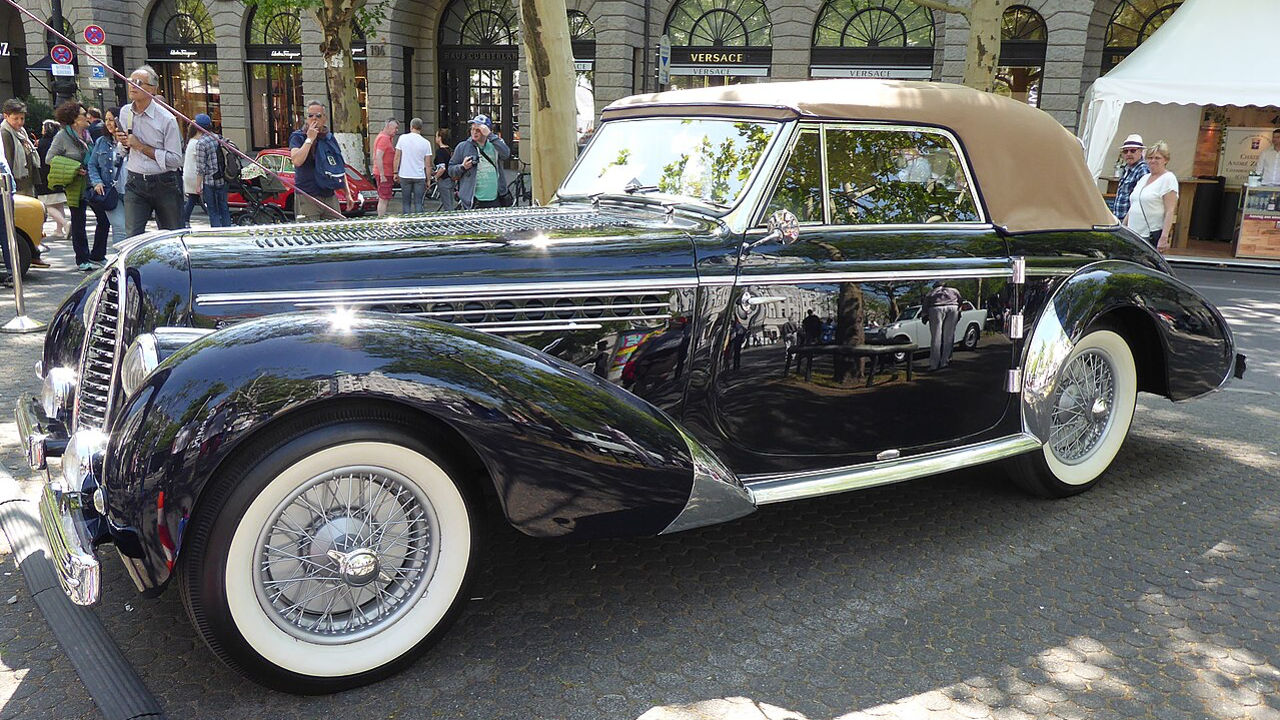
Delahaye was founded in 1894 by Émile Delahaye, meaning the French company was one of the world’s first carmakers. The 135MS was one of Delahaye’s most important sporting models, and this was the car that put the company on the map. Deservedly so, as it truly raised the bar for what a sports car could be.
Under the hood, it had a straight-six engine that produced as much as 160 hp in its most potent form. It also became a successful race car, winning several prestigious races, and eventually earned the nickname “Coupe des Alpes,” due to its success in the Alpine Rally.
Bugatti Type 35
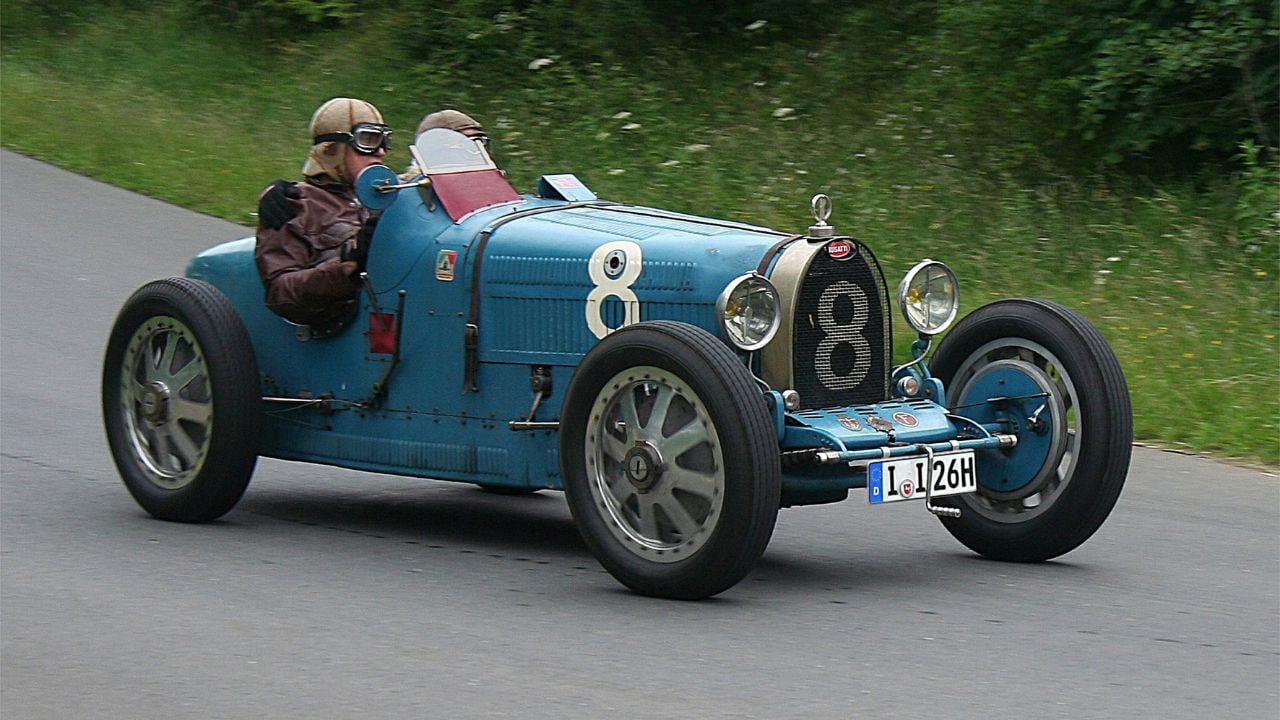
The Bugatti Type 35 is probably the most successful race car ever. Bugatti estimates that the Type 35 won more than 2,500 races during its active period. During its heyday, it racked up an incredible 12 race wins a month – unheard of in motor racing.
Bugatti offered the Type 35 in both naturally aspirated and supercharged form. It’s said that Ettore Bugatti wasn’t a fan of forced induction, but it was hard to argue against its benefits. If only he could see what his company has achieved today by strapping turbochargers on the engines. The most potent versions are commonly cited at roughly 120–140 horsepower, depending on specification. Considering that these cars were made between 1924 and 1930, it’s easy to see how they dominated the racetracks.
Facel Vega Facel II
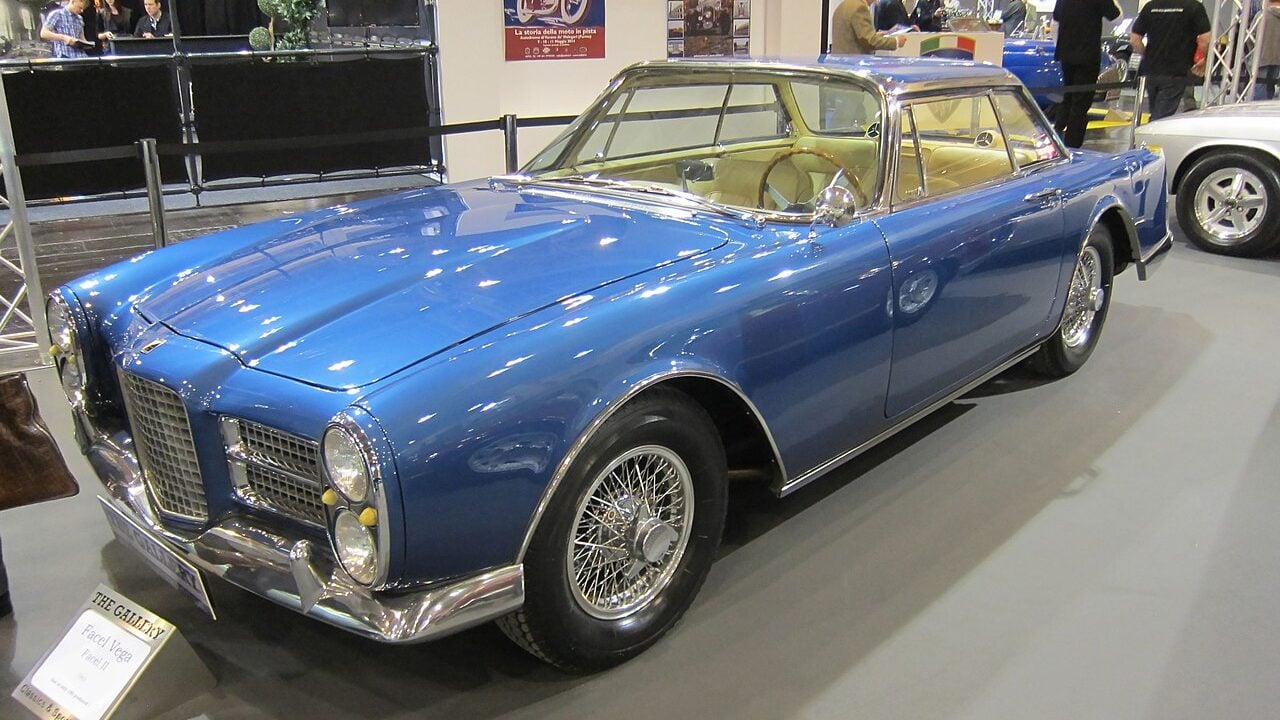
The Facel Vega Facel II is gorgeous. In fact, I’ll argue that it’s among the most beautiful cars ever, and a poster child of the French style of the 1960s. Facel Vega was a Paris-based, low-volume carmaker, and the Facel II was a desperate attempt to stave off bankruptcy. After the Facel II, the company tried its hands at smaller cars, but before long, the dreaded bankruptcy came knocking.
Under the hood, the Facel II had a massive, Chrysler-sourced 6.3-liter or 6.7-liter V8. With 355–390 hp available (depending on configuration), it would leave Aston Martin DB4s and Ferrari 250GTs in its dust.
Renault 5 Turbo
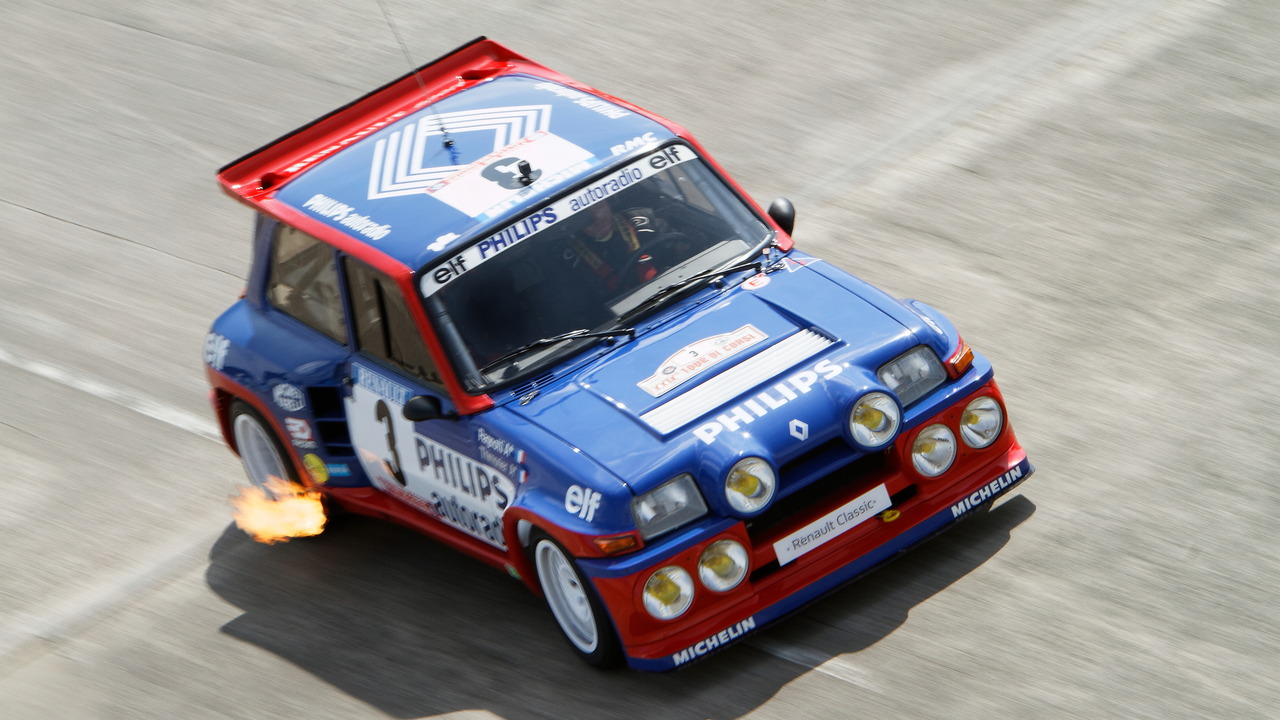
Remember the Renault Clio V6 mentioned earlier? Its predecessor, the Renault 5 Turbo, was a homologation car built initially for Group 4 homologation, later evolving into Group B forms. Renault basically just stuffed a turbocharged four-cylinder 1.4-liter engine where the rear seats used to be and gave it much wider bodywork.
In road-going form, the Renault 5 Turbo produced around 160 hp and 163 lb-ft of torque, pretty impressive in 1980, and keep in mind that tiny mid-engined cars can be a handful to keep on the road. The rally version had over 340 horsepower and won the 1981 Monte Carlo Rally.
Alpine A110

Alpine built the original A110 between 1963 and 1977, with the first cars only producing 51 hp. Since the A110 only weighed 1,365 lbs, that kind of power was actually enough to make it fun to drive. However, later cars received 138 fire-breathing horses, and the A110 then went on to dominate the rally scene. It racked up 1-2-3 finishes at the 1971 and 1973 Monte Carlo rallies, and Alpine won the inaugural manufacturer’s World Rally Championship in 1973.
In 2017, Alpine released a new, retro-styled A110 with a 1.8-liter four-cylinder turbo engine from the latest Megane RS. It may not win any WRC stages, but it still looks great.
Bugatti Type 57 Atlantic
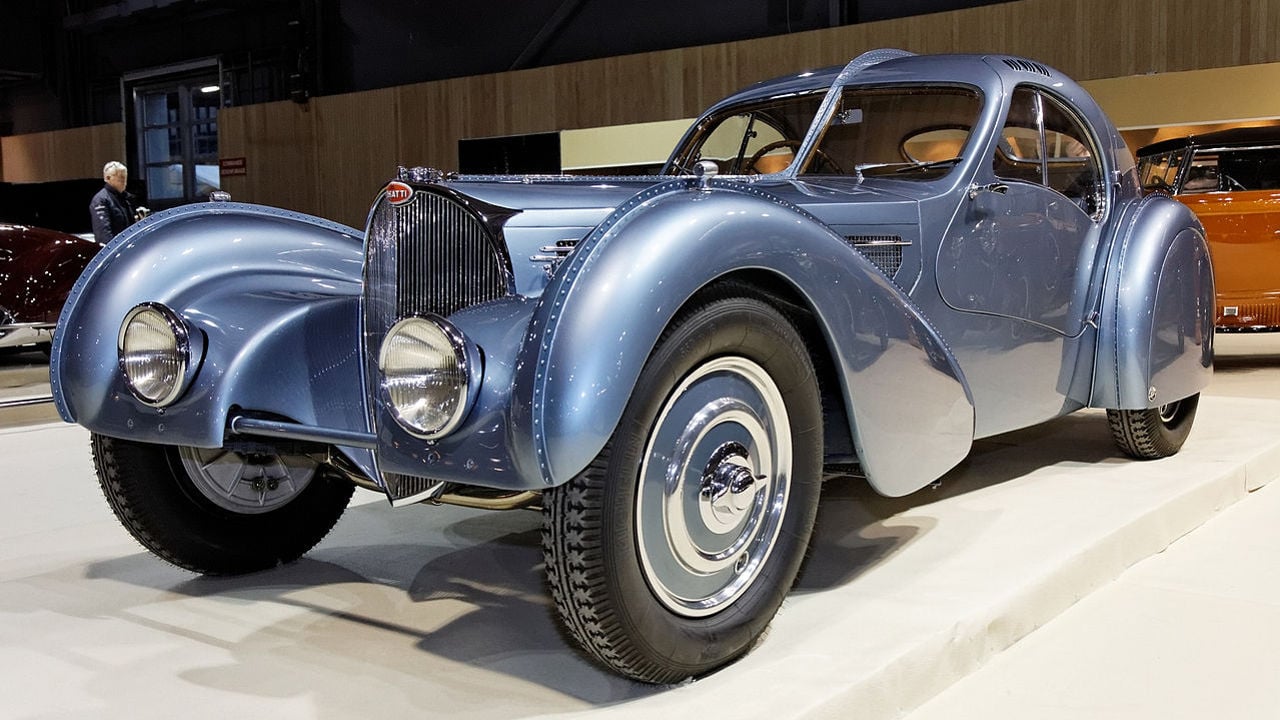
Bugatti only built four Type 57 Atlantic cars, making it one of the rarest cars in the world. One of the cars disappeared during WWII, and another was crashed and rebuilt. One of the remaining vehicles now resides in fashion mogul Ralph Lauren’s collection. While a Type 57 sold at auction for $40 million, it’s estimated that they could be worth as much as $100 million now.
The prototype’s body was made from Elektron, a lightweight but flammable alloy. Since it couldn’t be welded, they used a riveted dorsal fin to hold it together. Bugatti built the production model from aluminum but decided to keep the fin and its rivets.
Talbot-Lago T150
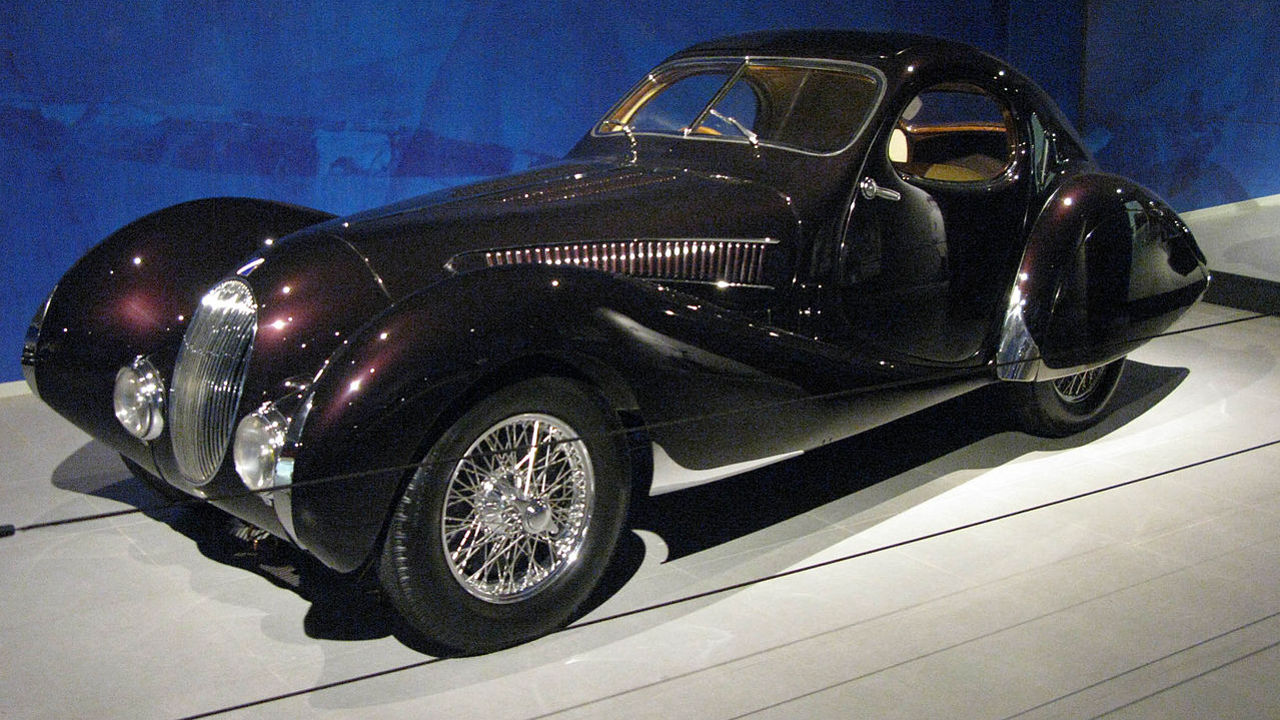
Nowadays, only hardcore gearheads and Francophiles will remember Talbot-Lago, but the French carmaker built some gorgeous cars back in the day. With bodies made by coachbuilders such as Figoni et Falaschi and Saoutchik, the T150 is by far one of the company’s most stylish cars, in fact, it’s one of the finest cars ever built. Period. I think it’s right up there alongside the Bugatti Type 57 Atlantic fighting for the art-deco car crown.
With its six-cylinder engine, independent front suspension, great brakes, low ride height, and lightweight construction, the T150 wasn’t lacking in the performance department either.
Bugatti EB110

In the late 1980s, the world was introduced to a new breed of supercars. The Porsche 959 and Ferrari F40 turned everything up to 11, and by the 1990s, other manufacturers joined in on the fun, gifting the world models such as the Jaguar XJ220 and the McLaren F1. Molsheim’s finest unleashed the very underrated Bugatti EB110. It was named after the company’s founder, Ettore Bugatti, and the number 110 was because it was created 110 years after his birth.
The EB110 was powered by a 3.5-liter quad-turbocharged V12 engine with 550 hp, and Bugatti even built an SS model with over 600 hp. It would accelerate from 0 to 60 mph in 3.2 seconds and had a top speed of 216 mph, still solid numbers today.