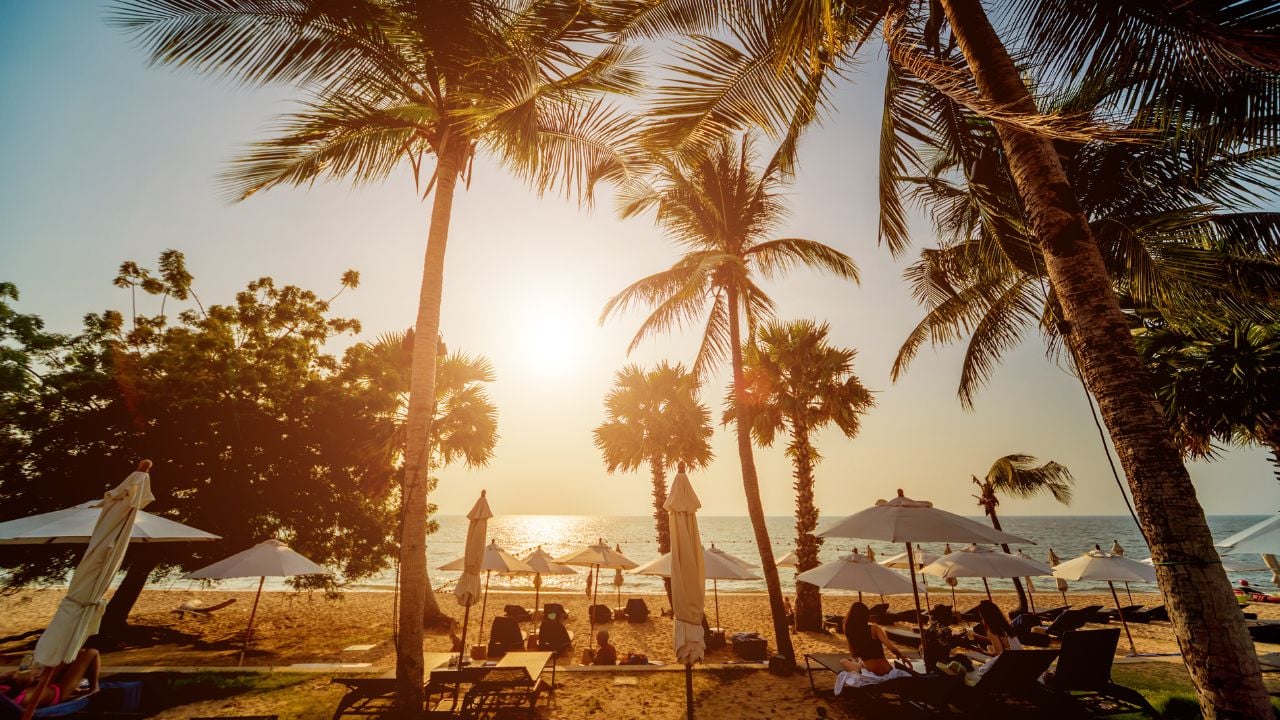
Naples has a polished new headliner on the sand, but this opening matters for more than the usual luxury-hotel reasons. Naples Beach Club, A Four Seasons Resort opened in November 2025, giving Four Seasons its first Gulf Coast address in Florida. The resort sits on 1,000 feet of white sand in Old Naples across a 125-acre coastal site whose hospitality story reaches back to 1946. That combination of local memory and brand-new construction gives the debut more substance than a standard glossy launch.
The project also arrived with real scale. Four Seasons opened the resort with 220 guest rooms and suites, five dining venues, and Market Square as a social hub meant to connect guests and locals. The wider Naples Beach Club vision also includes 153 residences and a Tom Fazio-designed golf course still to come, making this feel less like a standalone hotel opening than a long-term remake of one of the city’s most recognizable waterfront sites.
Familiar names from the old property, including HB’s and Sunset Bar, are back, while The Merchant Room gives the resort a sharper culinary calling card under chef Gavin Kaysen. In a state that never stops adding new luxury addresses, this one stands out because it is trying to revive a beloved waterfront identity rather than bulldoze it in favor of something generic.
1. A Storied Stretch of Sand Gets a Thoughtful Return
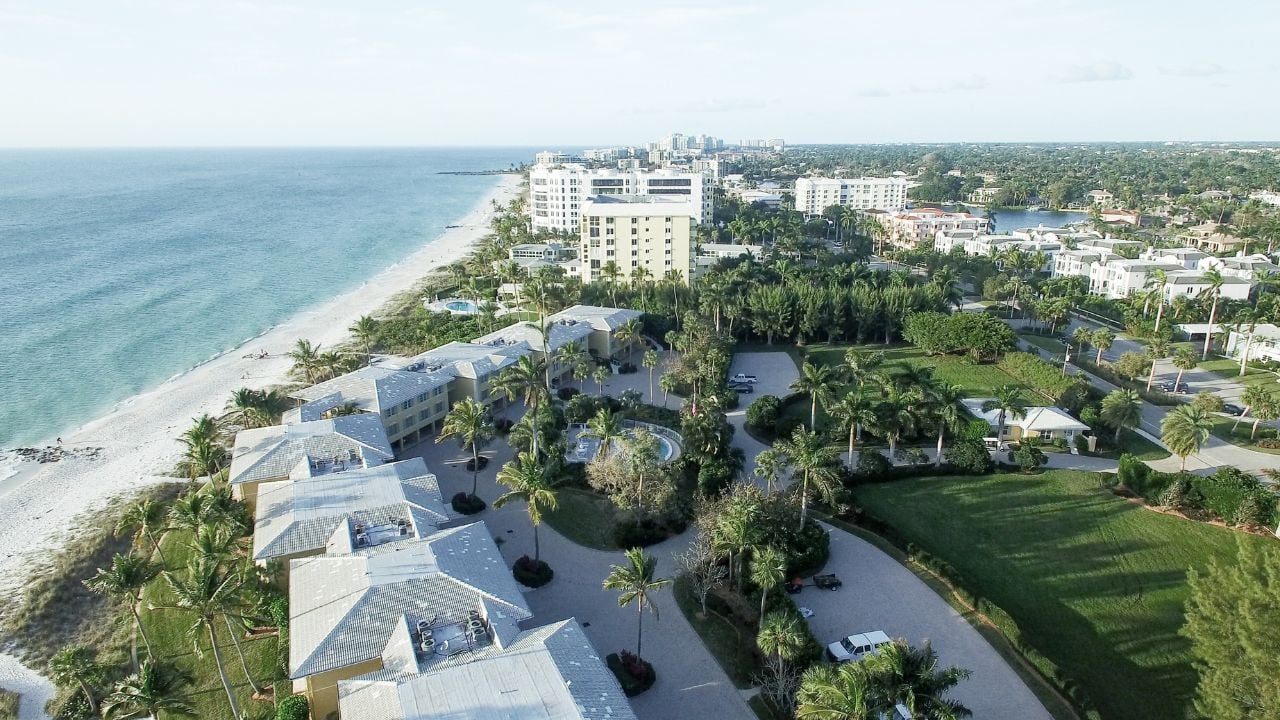
For decades, this shoreline carried unusual emotional weight in Naples. Four Seasons did not simply drop a new luxury building onto a prime beach and expect the setting to do all the work. Its own opening materials frame the property as a revival of a place already woven into local memory, which helps explain why the debut drew more attention than a routine high-end hotel launch.
The design choices reinforce that idea. Hart Howerton handled the master planning, architecture, and landscape design, while Champalimaud shaped the interiors around a more residential, lived-in mood rather than flashy spectacle. Four Seasons says the resort was conceived as a collection of buildings unfolding toward the water, a move meant to echo the way Old Naples developed over time and keep the property connected to the shoreline instead of looming over it.
That softer, more layered approach suits Naples. This is a city where luxury tends to land best when it still feels relaxed, local, and a little understated.
2. The Rooms Are Designed for Lingering, Not Just Sleeping

The accommodation story becomes persuasive the moment you picture how people actually use a beach resort. Four Seasons says its 220 rooms and suites are built around private furnished terraces and an indoor-outdoor rhythm that keeps the Gulf visually close. That matters more here than splashy room theatrics would.
The materials lean coastal without becoming cliché. In the official design brief, Four Seasons highlights painted wood paneling, carved teak, sea-glass details, tailored millwork, and a palette shaped by the surrounding sand and water. Instead of chasing over-the-top drama, the rooms aim for something more useful: calm, space, and the feeling that you could comfortably stay put for a while.
That livable mood matters even more at the top end. The Sabal Suite adds the kind of headline luxury buyers expect, including a private rooftop pool and hot tub, but the bigger selling point is still the same one the rest of the resort is chasing: outdoor space, room to spread out, and a slower, more residential version of beachfront luxury.
3. Dining Is Trying To Feel Local, Not Sealed Off

Food is where the comeback gets especially smart. The resort debuted five restaurants and bars, and the lineup is clearly designed to pull in both overnight guests and Naples locals who already know the city well.
That is why the revived names matter. HB’s returns as a treasured beachfront favorite, Sunset Bar comes back as the obvious golden-hour draw, and The Merchant Room gives the property a more formal signature restaurant with Gavin Kaysen’s name attached. Together, those moves give the resort range without making it feel cut off from the city around it.
That strategy matters in Naples, where polished places to eat are hardly in short supply. A new luxury resort cannot rely on sunset views and pretty tables alone. Reviving familiar venues while adding a high-profile restaurant is a smart way to combine nostalgia with curiosity, and it suggests the property understands that local affection matters just as much as visitor buzz.
4. The Amenity List Is Broad Enough To Shape the Whole Stay
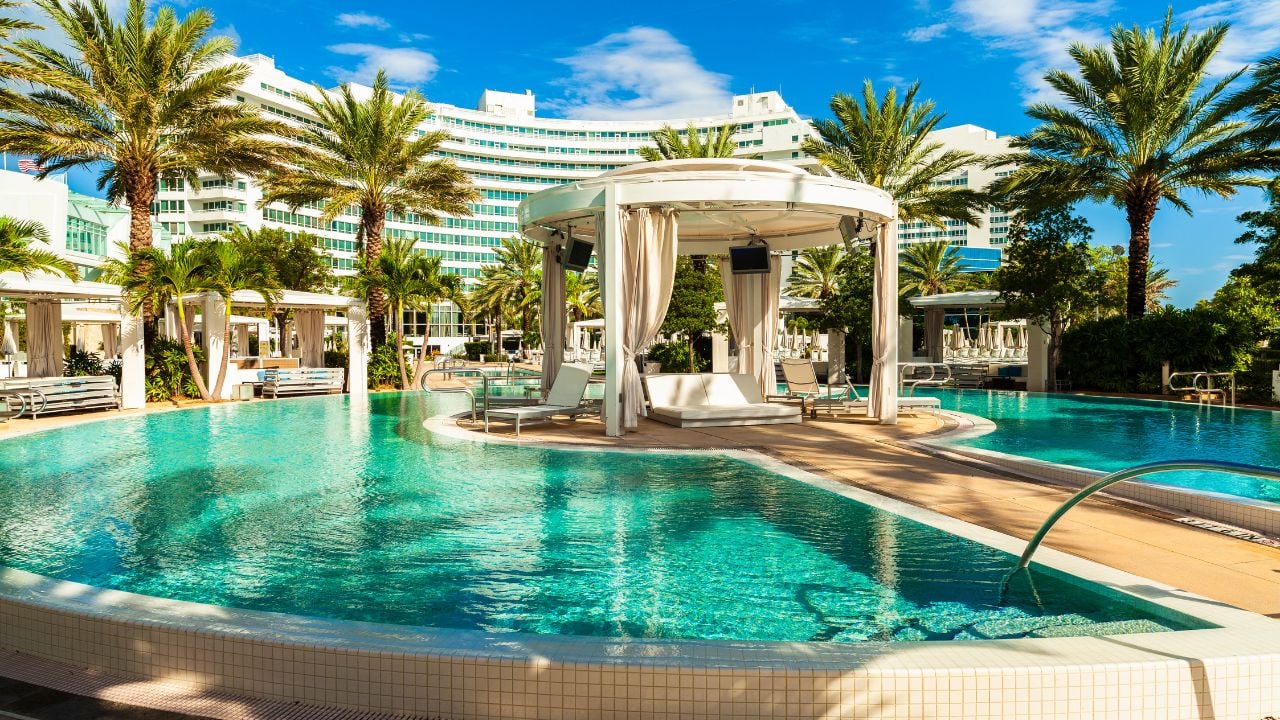
Beach loungers are only part of the proposition. The Sanctuary, which opened in March 2026, brought a 30,000-square-foot wellness anchor to the property, with an aquatherapy circuit, rooftop lap pool, recovery-focused features, and a fitness center developed with Harley Pasternak. That gives the resort a serious wellness story instead of a token spa menu attached to a beach hotel.
Elsewhere, Four Seasons highlights two main resort pools, six Har-Tru racquet courts, water sports, Market Square, and family amenities that keep the property from feeling one-note. One guest can build the day around treatments and workouts, while another can do almost nothing but beach, lunch, and sunset. That flexibility is part of the appeal.
The setting beyond the resort helps too. Four Seasons leans into Old Naples access with complimentary e-bikes, proximity to Historic Third Street South and 5th Avenue South, and outings that range from fishing to Gulf cruises aboard the resort’s Hinckley Picnic Boat. For travelers who like resort comfort but hate feeling marooned once they check in, that balance is a genuine advantage.
5. This Opening Says Something Bigger About Naples Now

The larger story is not only that a glamorous hotel has opened on a famous beach. It is that Four Seasons chose to make its Florida Gulf Coast debut here, on a site with historic weight and unusually visible local meaning. That says something about where Naples now sits in the luxury travel and branded-residence world.
Alongside the hotel, the wider Naples Beach Club development includes 153 residences and a major golf component still in development, making the project feel more like a long-arc reshaping of a landmark waterfront property than a one-off lodging addition. It is hospitality, residential real estate, lifestyle branding, and local nostalgia all moving together at once.
For travelers, though, the appeal still comes down to mood. Anyone who likes Naples for its quiet confidence, polished streets, and nightly sunset ritual now has a luxury option that seems to be trying to speak the city’s language instead of overpowering it. The revived dining names, the restrained design direction, the strong wellness component, and the breadth of experiences give the place substance beyond simple bragging rights.