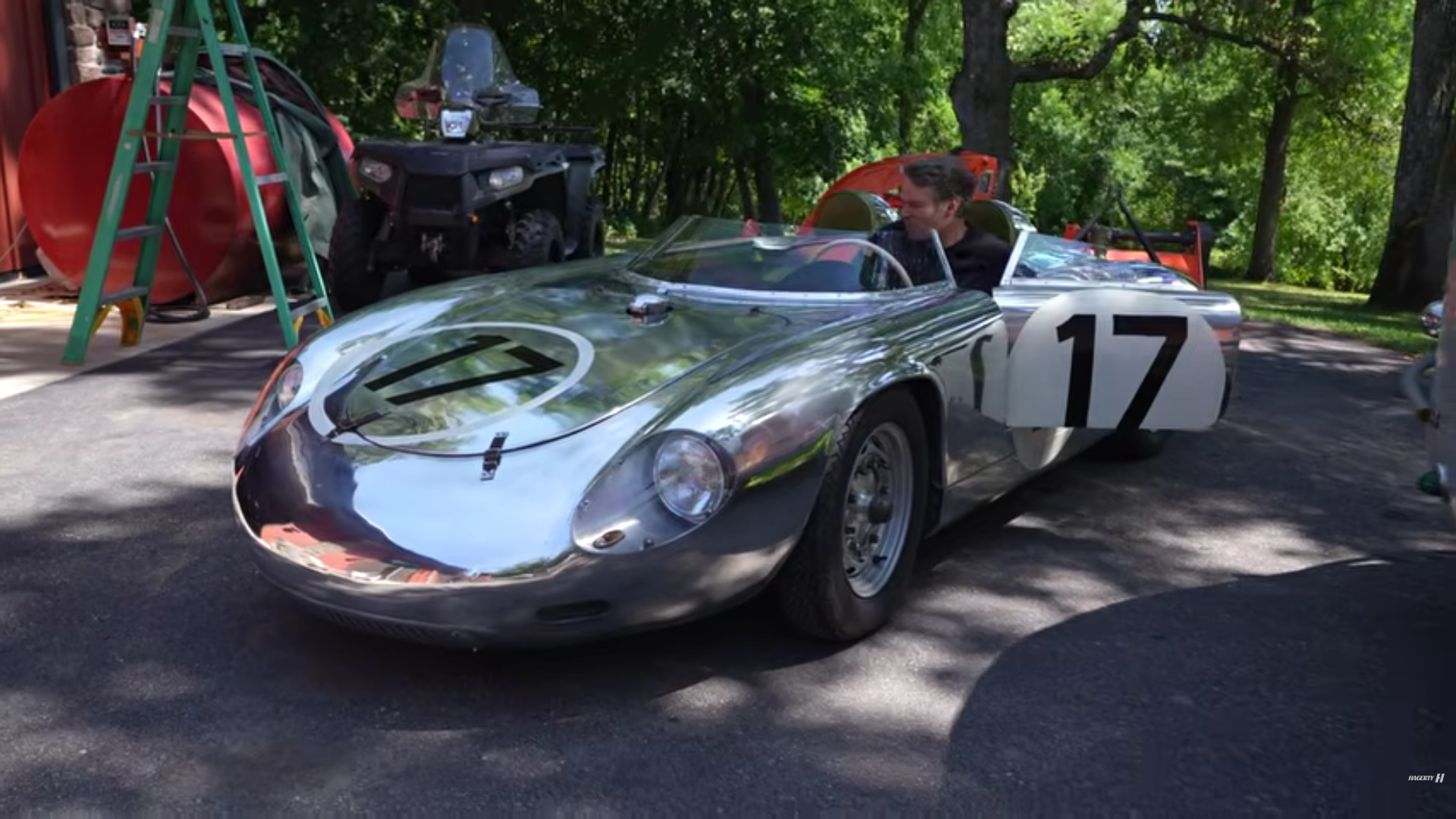
In a small workshop in Alexandria, Minnesota, a father-and-son team is building sports cars that look like they belong on a 1950s racetrack. The difference is that these machines are handcrafted from the ground up, combining traditional coachbuilding techniques with modern engineering.
Christopher Runge and his son Finn are the creative minds behind Runge Cars, a company specializing in bespoke, aluminum-bodied sports cars. Their work recently caught the attention of Tom Cotter, who visited their workshop for an episode of Hagerty’s Barn Find Hunter.
Christopher handles much of the traditional metal shaping, while Finn brings computer-aided design, 3D printing, and other modern technologies into the process. Together, they’re creating cars tailored to individual customers, right down to their seating positions.
Their ambitions have also expanded beyond bodywork and chassis construction. The duo is developing its own engines, including an ambitious flat-eight that could eventually find its way into classic Porsche 911s.
From A Barn Find To Handbuilt Sports Cars
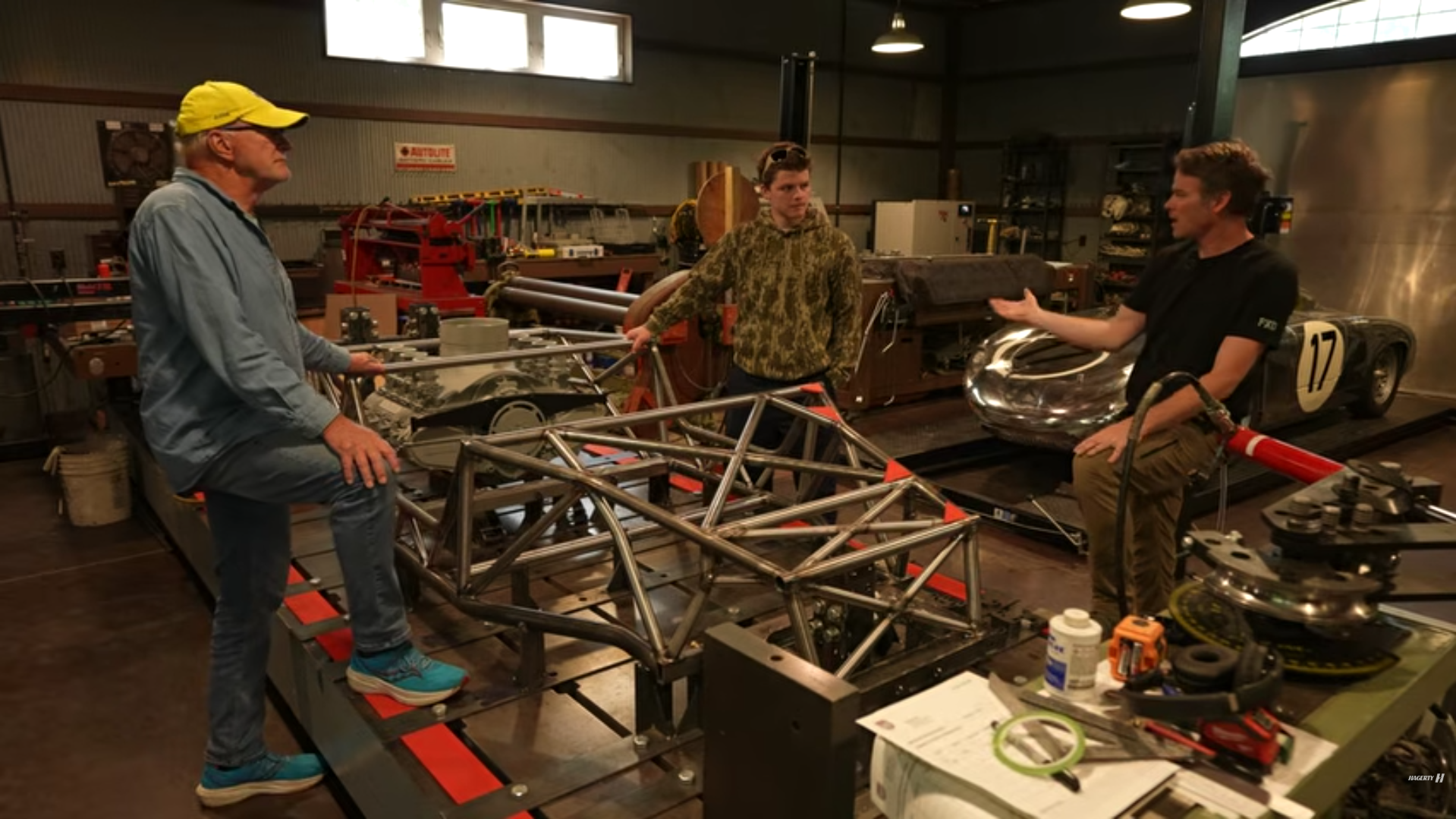
Christopher’s coachbuilding journey began in 2010 after discovering metalworking equipment while investigating a barn-find Porsche 912. Inspired by postwar German racing cars, he taught himself how to shape aluminum using an English wheel.
His first creation used an inexpensive Formula Vee racing chassis, and he had a rolling car within approximately 12 months. Since then, the business has grown substantially, with the workshop approaching completion of its 17th vehicle.
Old-School Craftsmanship Meets Modern Technology
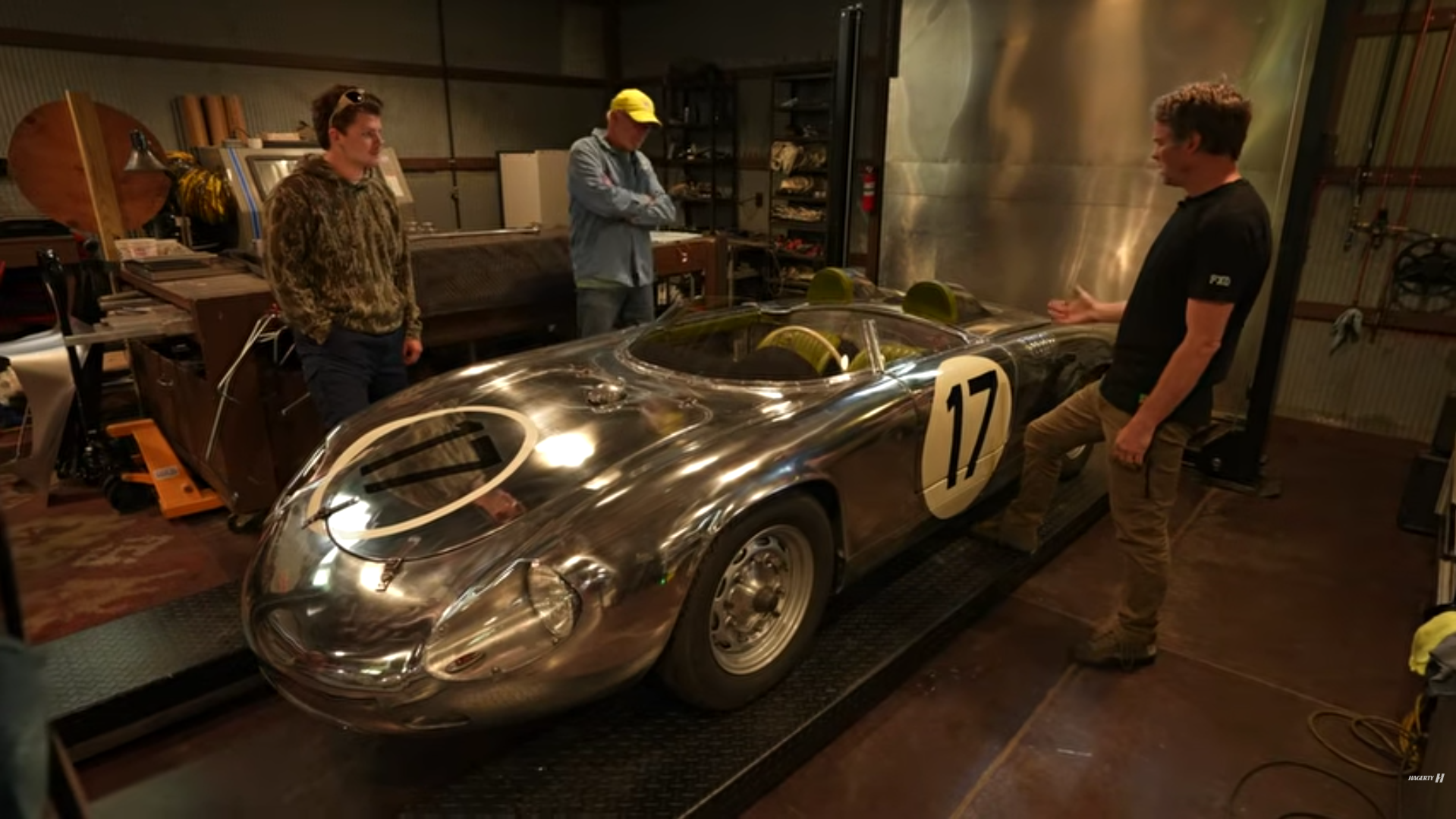
While Christopher continues shaping aluminum by hand, Finn uses CAD software and 3D printing to develop chassis components, suspension systems, and bodywork templates. The team can even scan customers in their driving positions to ensure their cars fit properly.
Modern equipment has also transformed production. A custom aluminum seat that previously required up to three days of manual work can now be formed in approximately one hour using computer-controlled machinery.
They’re Even Developing Their Own Engines
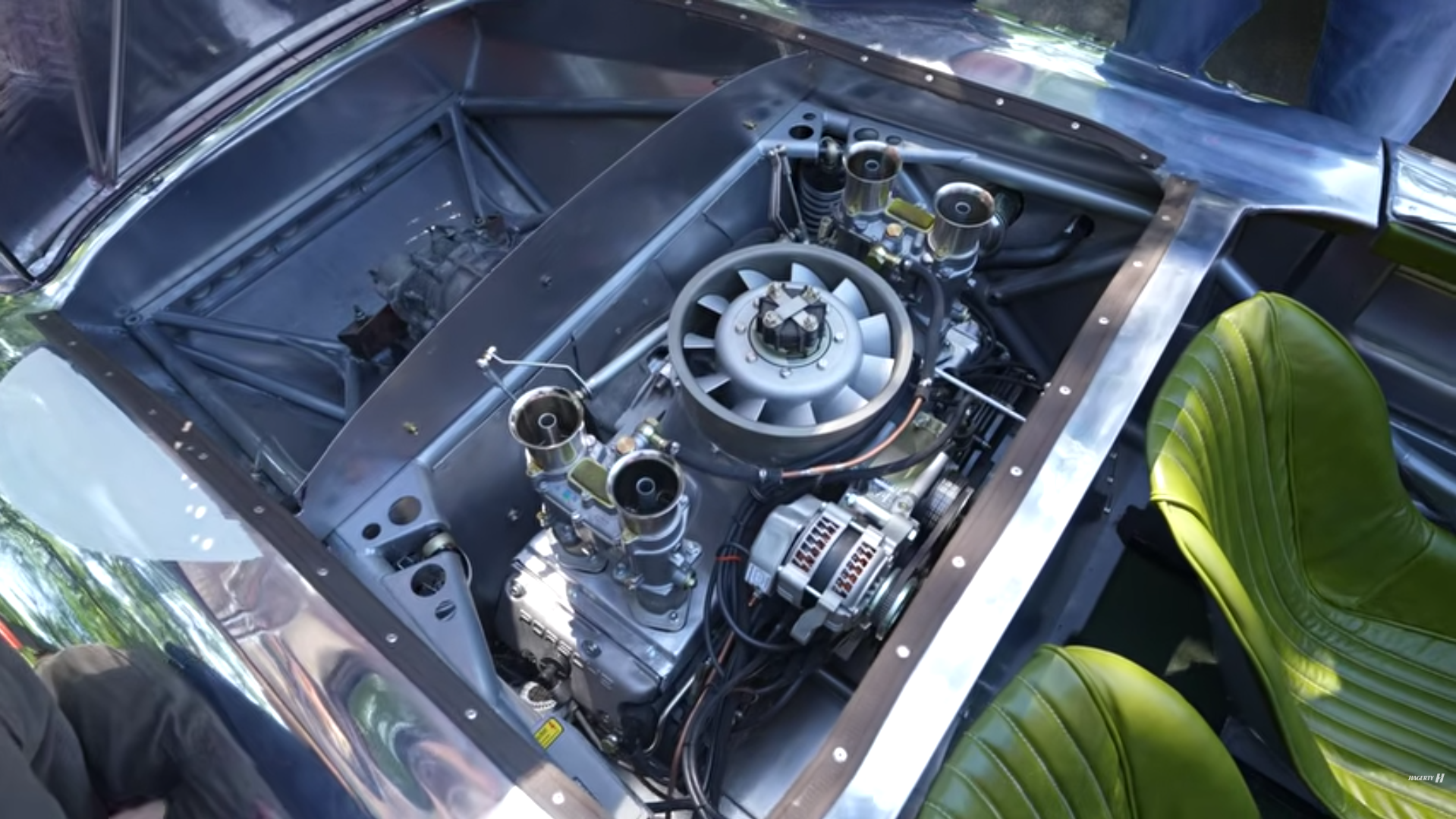
Perhaps the most ambitious project is a bespoke, air-cooled flat-eight engine developed with an engineering firm in the United Kingdom. Designed primarily for Runge’s future sports cars, it is also intended to fit certain Porsche 911 applications.
The team has already produced a full-scale 3D-printed model, while physical engine development continues. At the time of filming, the first long block was nearing completion, but a running flat-eight prototype had not yet been demonstrated.
Runge is also developing a four-cam, 2.4-liter flat-four based on Porsche 911 engine architecture, with a target output of roughly 300 horsepower. An example has already been fired up, although further dynamometer testing and tuning are required.
Christopher and Finn are keeping the art of traditional coachbuilding alive while finding new ways to improve it. With their own engines now taking shape, Runge Cars is becoming an increasingly fascinating example of what a small, independent workshop can achieve.