When you think muscle car, you probably picture a Chevelle, a Charger, or maybe a GTO rumbling down Main Street USA. But here’s the thing about that raw power philosophy — it traveled.
While Detroit was stuffing V8s into intermediate bodies, automakers around the world were watching and taking notes. Some decided to play the same game with their own twist, creating cars that captured the muscle car spirit even if they wore different badges.
These international offerings brought big displacement, straight-line thrills, and that addictive soundtrack to their home markets, proving that the desire to go fast in a straight line is pretty much universal.
1973-1976 Ford Falcon XB GT (Australia)
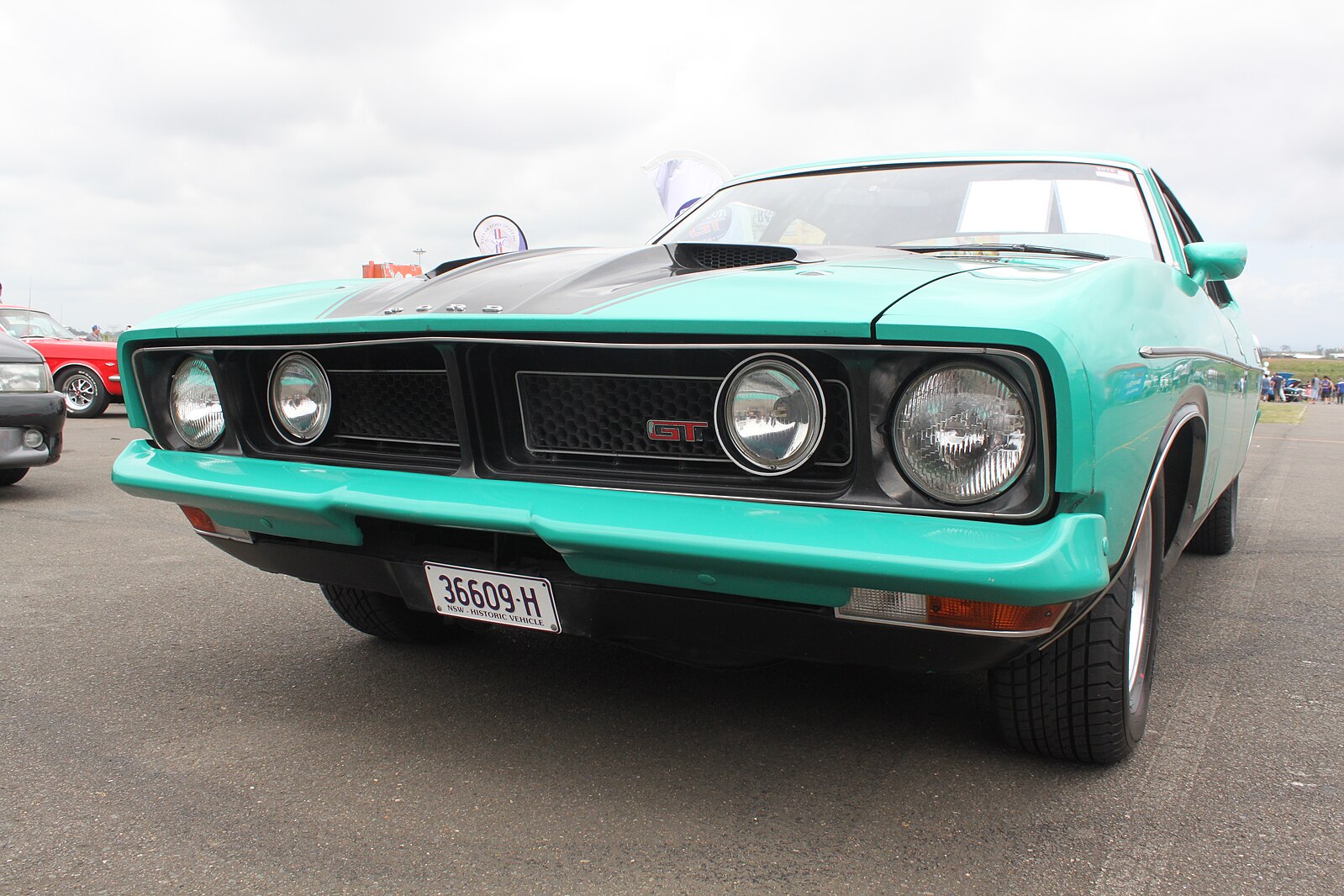
Mad Max made this car famous, but the Falcon GT was turning heads Down Under long before Mel Gibson got behind the wheel.
Ford Australia took the muscle car formula seriously, dropping a 351 cubic inch (5.8L) Cleveland V8 under the hood, rated at 224 kW (300 bhp) in an era when American muscle was getting strangled by emissions equipment. The shaker hood scoop wasn’t just for show either — it actually fed cool air to that thirsty Cleveland. With its aggressive stance and quad headlights, the XB GT looked ready to eat kangaroos for breakfast.
Australian Ford engineers proved they understood muscle car DNA perfectly, creating something that could have rolled off a Detroit assembly line if it weren’t for that right-hand drive configuration.
1968-1974 Vauxhall Ventora (UK)
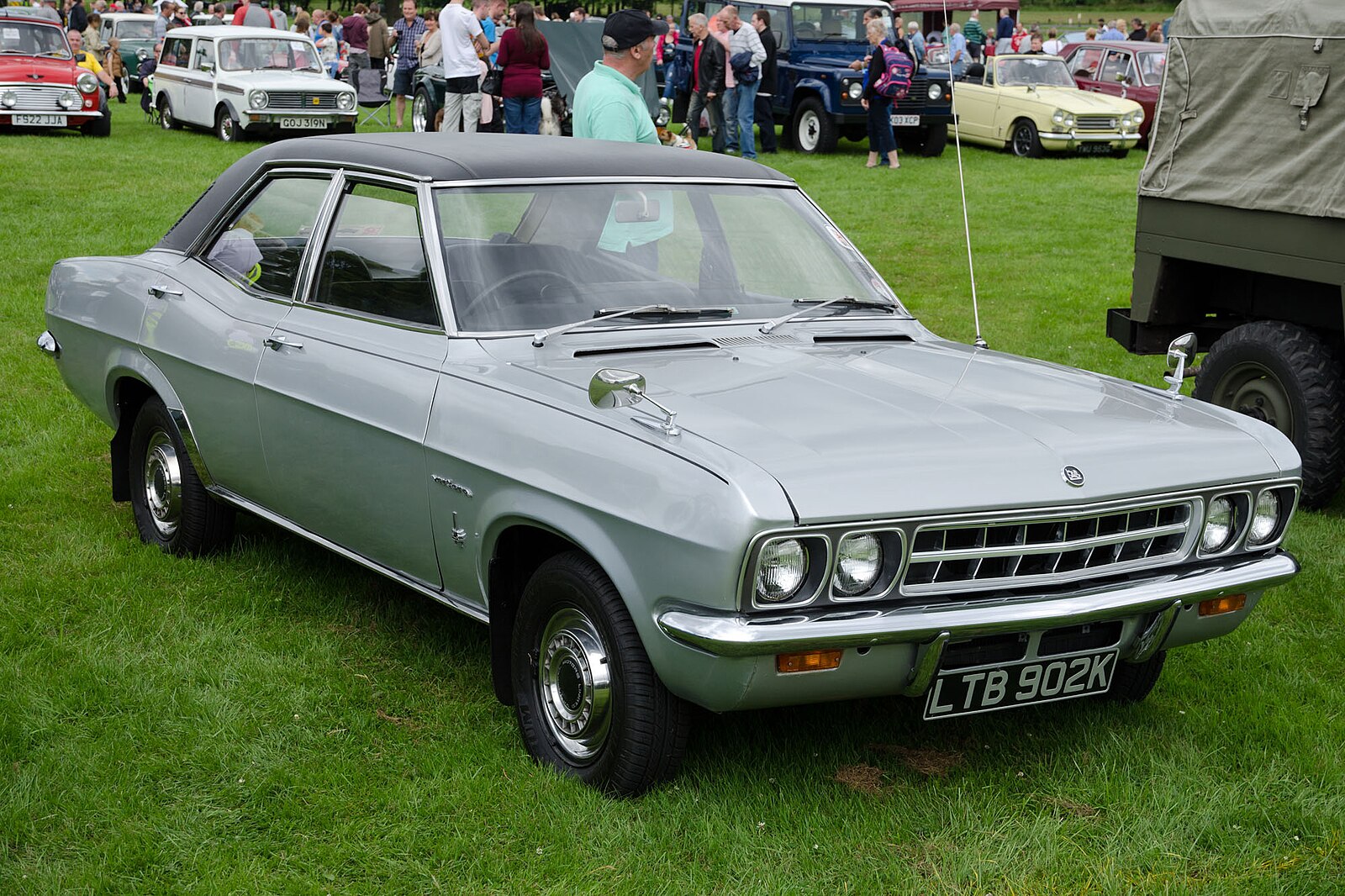
The British aren’t exactly known for muscle cars, but Vauxhall gave it an honest try with the Ventora.
This upscale sedan packed a 3.3-liter inline-six that delivered a respectable 123bhp, which might not sound like muscle car territory until you remember British cars of this era typically made do with half that. Vauxhall positioned it as the gentleman’s express, offering leather seats and wood trim alongside that willing engine. It couldn’t match the cubic inches of its American cousins, but the Ventora captured something of that same spirit — prioritizing power and presence over delicate handling dynamics.
Think of it as muscle car philosophy filtered through British sensibilities, complete with tea and biscuits in the glove box.
1965-1974 Iso Grifo (Italy)
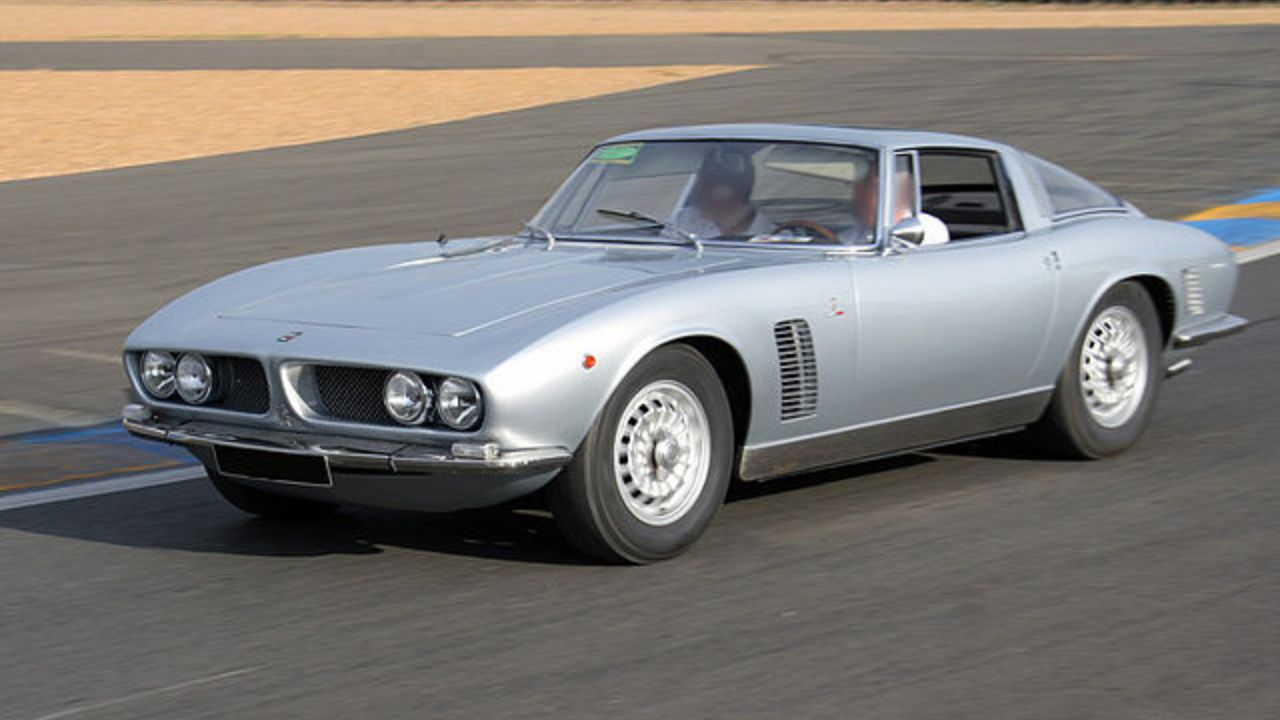
Italy usually means exotic mid-engine supercars, but Iso took a different approach with the Grifo. They bought Chevrolet V8s by the crate and dropped them into a gorgeous body styled by Giorgetto Giugiaro at Bertone, creating something that married Italian style with American muscle.
The 327 and 427 cubic inch options meant you could get up to 435 horsepower wrapped in curves that made Ferraris jealous. Iso understood that sometimes you don’t need to reinvent the wheel — or the engine — you just need to package proven performance in something beautiful.
The Grifo proved that muscle car DNA and Italian design DNA could create something truly special when mixed correctly.
1968-1971 Holden Monaro HG (Australia)
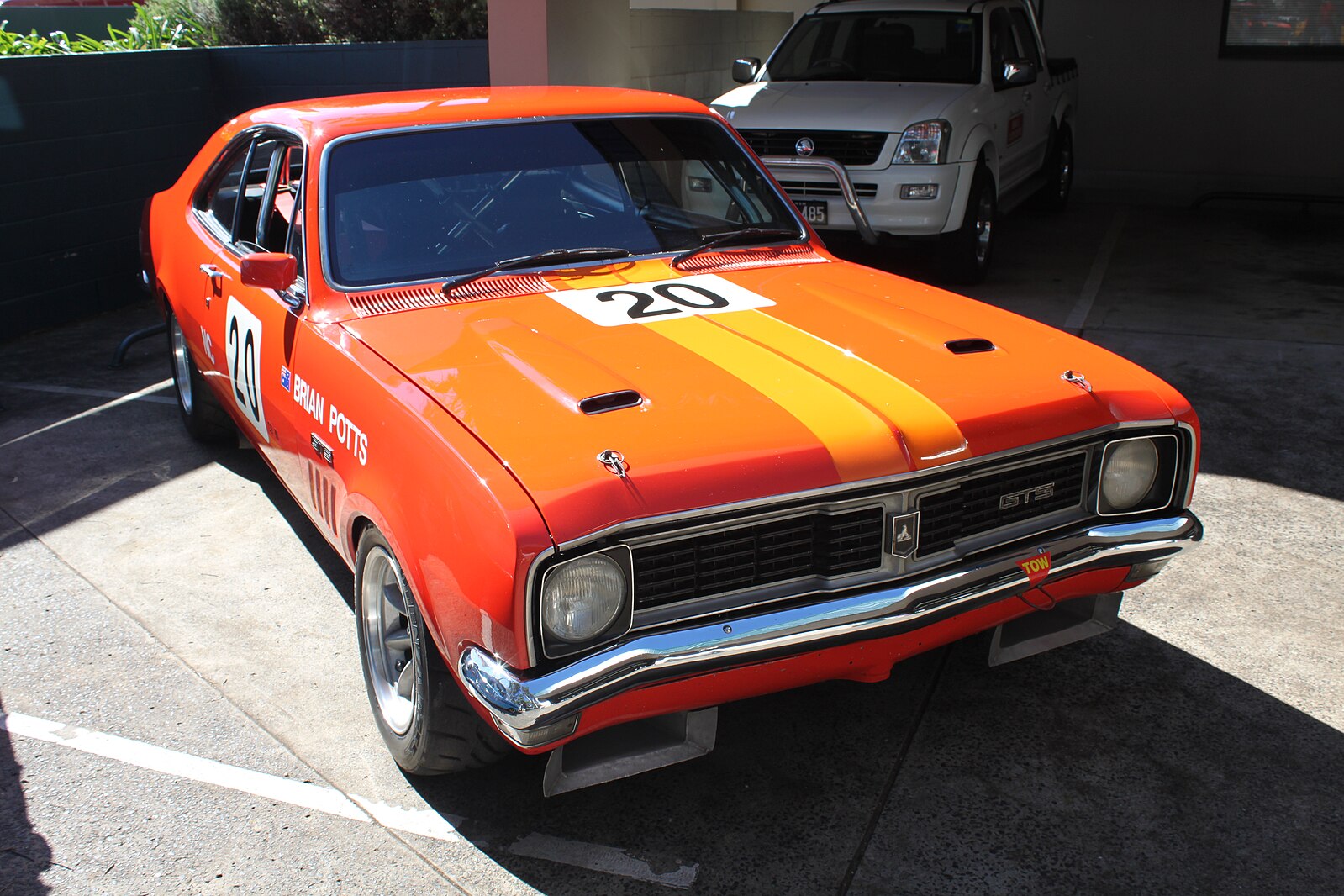
General Motors’ Australian division knew their market wanted serious performance, so they created the Monaro with proper muscle credentials.
The top-spec Monaro GTS 350 used the 350 cu in (5.7L) V8 rated at about 205 kW (275 hp), wrapped in a coupe body that looked aggressive from every angle. Australians could order it with everything from mild sixes to fire-breathing V8s, just like their American counterparts choosing between a base Chevelle and an SS 454.
The Monaro became a legend in Australia for the same reasons GTOs and Roadrunners became legends in America — it delivered accessible performance without requiring a mortgage. Holden revived the Monaro nameplate in 2001–2005, and that modern Monaro was exported to the U.S. as the 2004–2006 Pontiac GTO, which is kind of poetic when you think about it.
1967-1976 Monteverdi High Speed 375 (Switzerland)

Switzerland isn’t exactly the first place you’d look for muscle cars, but Peter Monteverdi had other ideas. He used Chrysler big-block V8s—most commonly the 7.2L (440)—with other high-performance options depending on market and build and installed them in luxurious grand tourers that could embarrass Ferraris in a straight line.
All variants carried the ‘375’ designation, referring to the claimed engine output in SAE gross terms, the High Speed 375 lived up to its name while offering hand-built Swiss quality and craftsmanship. Monteverdi understood that the muscle car ethos — big engine, big performance — could work in a premium package.
These rare Swiss rockets prove that muscle car thinking transcended borders and price points, even if most of us have never seen one in person.
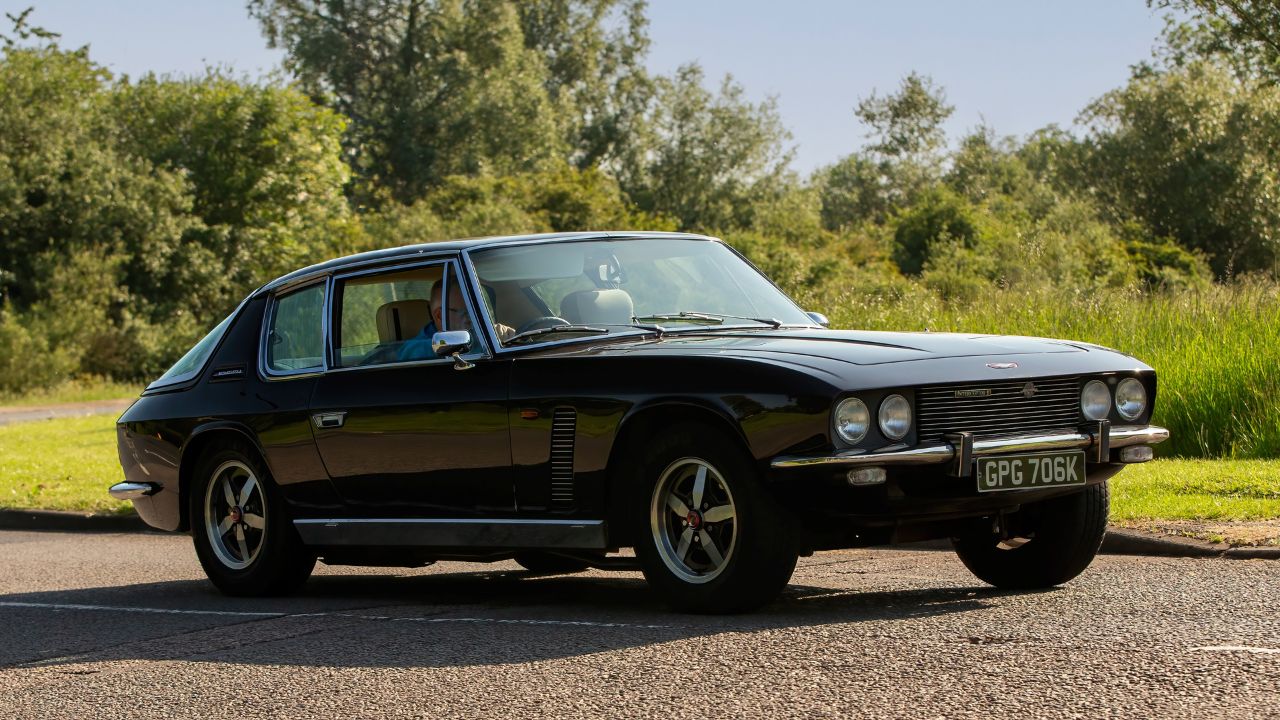
1966-1976 Jensen Interceptor (UK)

The British built luxury cars and sports cars, but rarely both in one package until Jensen created the Interceptor.
Under that distinctive fastback body sat Chrysler’s 383 or 440 cubic inch V8, with output varying by engine and year—around 250–330 hp (SAE net) in many specs, with the Interceptor SP quoted at 385 bhp in period sources. Jensen essentially created a British muscle GT, offering Connolly leather and Wilton carpets alongside American V8 thunder.
The Interceptor could cruise at triple-digit speeds all day while coddling occupants in luxury that would make a Cadillac jealous. It proved that muscle car powertrains could elevate a grand tourer into something truly special, even if the price tag was considerably higher than a Road Runner.
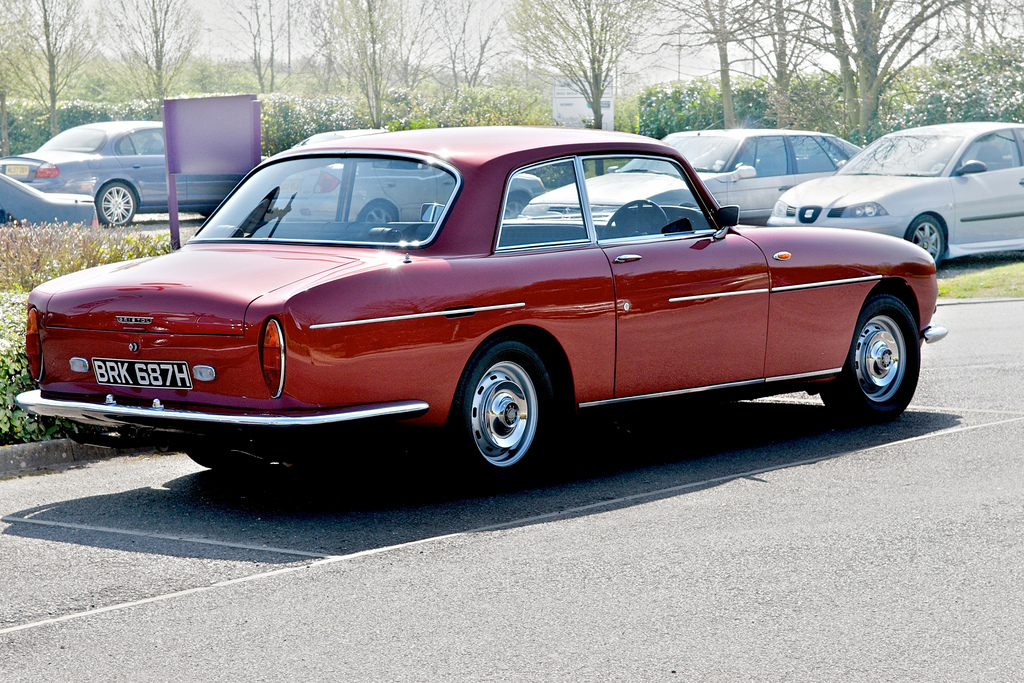
1969-1976 Bristol 411 (UK)
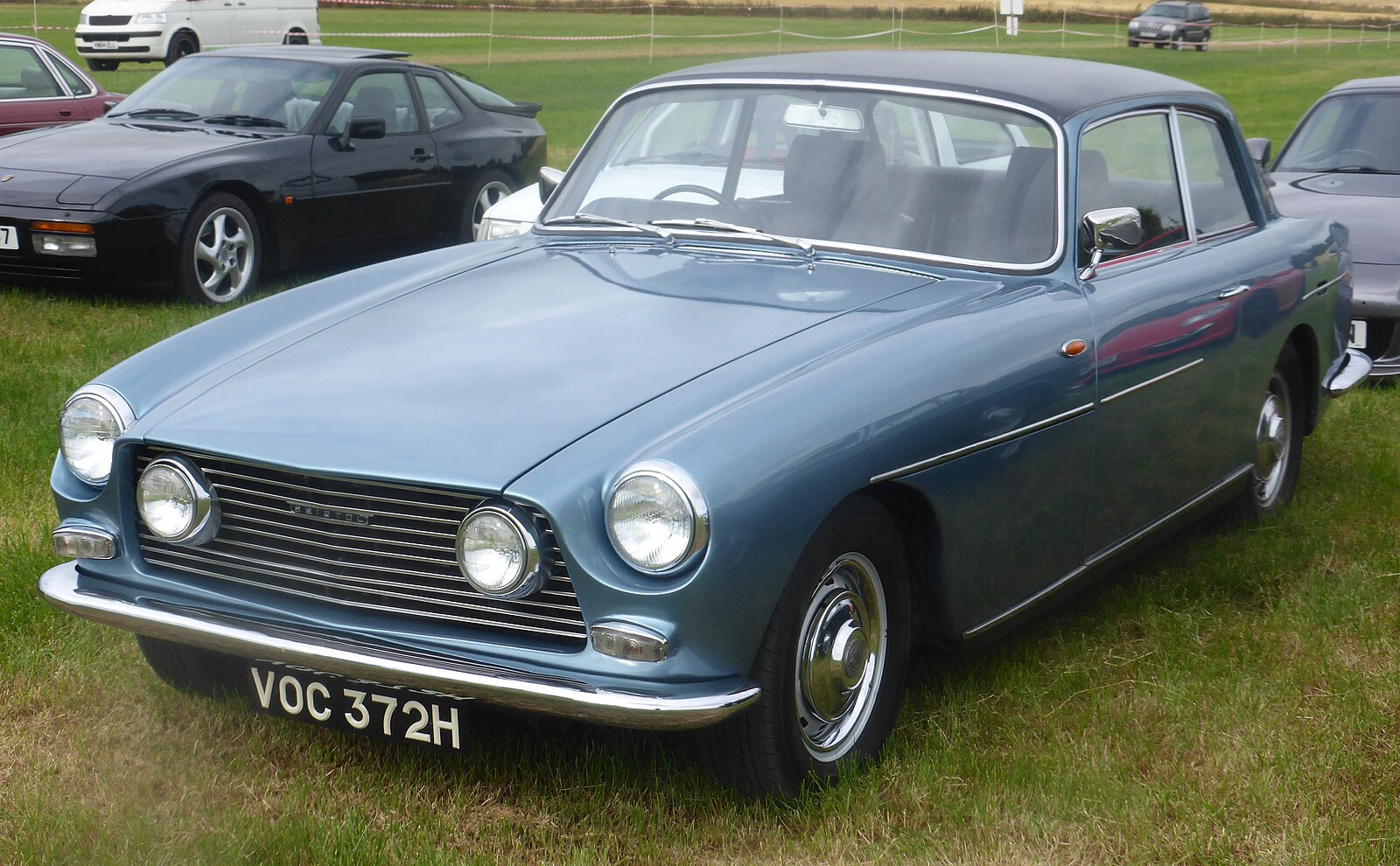
Bristol took the gentlemen’s express concept and added serious American muscle under the hood.
A Chrysler big-block V8 (including the 383 cu in), with quoted power varying by rating standard (often cited around 335 hp SAE gross for early cars), all packaged in hand-built British luxury that made Rolls-Royce look mass-produced. Bristol sold these cars in tiny numbers to wealthy buyers who appreciated the combination of bespoke craftsmanship and effortless V8 power. The 411 could hit 140 mph while offering levels of customization that would make modern luxury brands jealous.
It proved that muscle car power could live harmoniously with old-world craftsmanship, even if the price tag meant only a lucky few ever experienced it.
1969-1974 Iso Rivolta Lele (Italy)
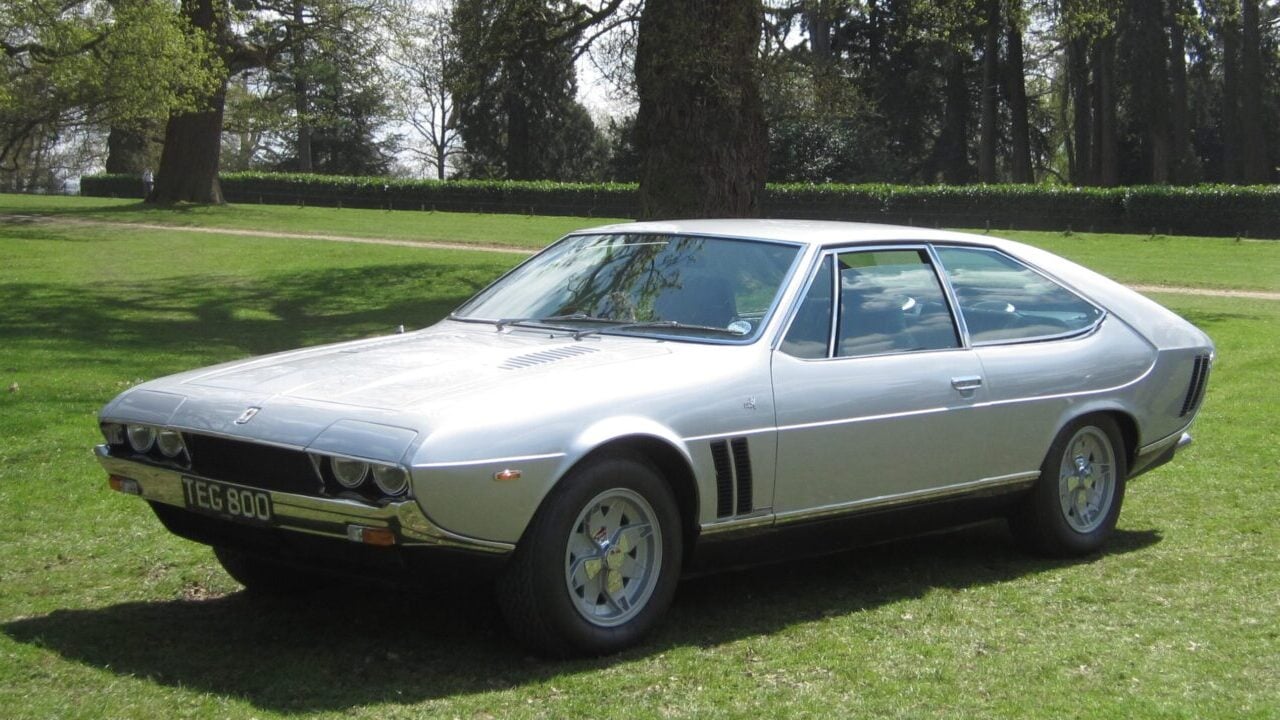
Iso didn’t stop with the Grifo — they wanted a more practical four-seater that still packed American V8 punch.
The Lele combined Bertone styling with a Chevrolet 327 V8 early on, then a Ford 351 V8 from 1972 onward, creating a grand tourer that offered rear seats and real trunk space. Making between 300 and 350 horsepower depending on specification, the Lele proved you could have muscle car performance in a package your family might actually tolerate.
Iso’s genius was recognizing that American V8s were reliable, powerful, and readily available, so why fight it? The Lele became the thinking person’s muscle GT, offering Italian style without Italian mechanical drama.
1970-1977 Triumph Stag (UK)

Triumph tried building their own V8 for the Stag instead of sourcing American iron, which was ambitious if ultimately problematic.
The 3.0-liter V8 made a modest 145 horsepower, but the Stag captured muscle car spirit in its own British way — it prioritized style, sound, and straight-line performance over nimble handling. With its distinctive T-bar roof and butch stance, the Stag looked like it meant business even if reliability issues meant many ended up with Rover V8 swaps anyway.
It represented Britain’s attempt at creating a V8 grand tourer for the masses, proving that muscle car thinking had infected even conservative British manufacturers.
Conclusion
The muscle car formula turned out to be more exportable than anyone probably expected back in the 1960s. Whether it was Australians getting their own V8 thunder, Italians wrapping Chevy engines in gorgeous bodies, or the British trying to add some American grunt to their grand tourers, the appeal of big displacement and straight-line speed proved universal.
These international interpretations of the muscle car philosophy show that automotive enthusiasts everywhere speak the same language when it comes to horsepower. Some of these cars stayed true to the affordable performance ethos while others took it upmarket, but they all understood that sometimes the best solution to any automotive question is simply “more engine.”
The muscle car might have been born in America, but its spirit clearly had a passport!