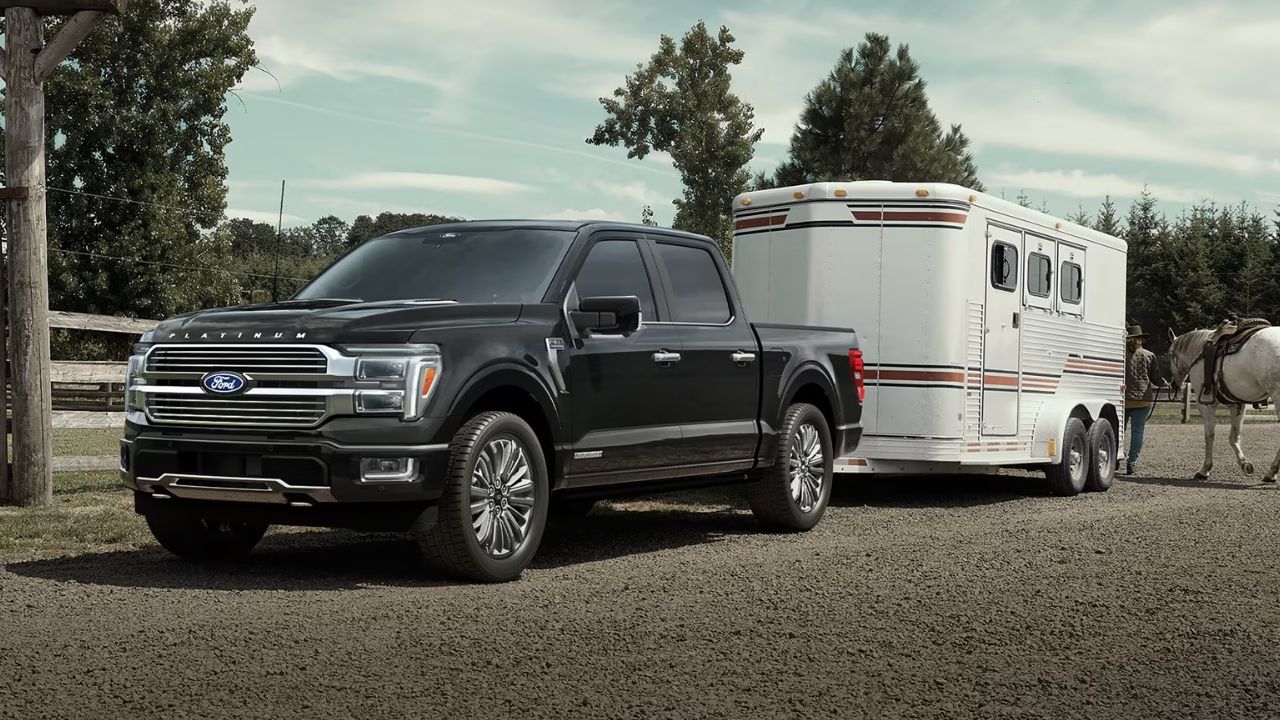
One fire at one plant managed to shake up the entire pickup truck market. Here is what happened, where things stand right now, and what it means for anyone looking to buy America’s best-selling vehicle.
If you have been shopping for a Ford F-150 lately and noticed the lots looking a little empty, you are not imagining things. What started as a factory fire last September has snowballed into one of the most disruptive supply chain events the truck market has seen outside of the COVID-19 pandemic. Dealers who normally stock dozens of F-150s are working with single digits, and buyers who expected a smooth purchase are finding longer waits and higher prices than they bargained for.
The root of the problem is a fire at a Novelis aluminum plant in New York, which supplies the lightweight aluminum used in the bodies of Ford’s trucks and SUVs. That blaze broke out on September 16, 2024, and before the plant could fully recover, a second fire hit in November, essentially resetting the clock on any progress Ford had made. Two fires, one plant, and suddenly the supply chain behind the most profitable vehicle in America was in serious trouble.
The numbers tell a stark story. F-150 inventory across the U.S. has fallen 43 percent since that first fire, according to data firm CatalystIQ. Days of supply have dropped from 107 in September to around 57 by mid-April, and Ford’s share of the full-size pickup segment slipped from 37 percent to 32 percent year over year in the first quarter. That is a significant retreat for a vehicle that has held the title of best-selling truck in America for decades running.
Ford has acknowledged the disruption is going to cost the company roughly $2 billion, with a more complete picture expected when the company reports first-quarter financial results on April 29. The automaker has been clear that recovery will be uneven, with most of the volume rebound expected in the second half of 2025.
Why This Shortage Hits Harder Than Most
Not all vehicle shortages are created equal. The F-150 is not just a popular truck; it is the financial engine that drives Ford’s entire business (and even the Lightning did well before it was discontinued). The F-Series has been the best-selling vehicle line in the United States for 49 consecutive years. When that pipeline slows down, the ripple effects are felt far beyond the showroom floor.
Historically, Ford has maintained a commanding inventory lead over its competitors in the truck segment. That lead allowed the company to price the F-150 more competitively, giving buyers more options and giving dealers more flexibility in negotiations. With supply tightening, that advantage has largely disappeared. CatalystIQ’s data shows Ford’s inventory share dropped from 37.2 percent to 28.2 percent in just seven months. That is not a minor fluctuation; that is a structural shift in the competitive landscape, at least for now.
Dealers in the Midwest and South, which are historically among the strongest pickup markets in the country, are feeling the pinch most acutely. In Omaha, Nebraska, F-150 supply has fallen 63 percent, and the advertised price on an entry-level XL trim in that region has climbed roughly $5,000, or about 10 percent, since the fires. Similar patterns are playing out in markets like Odessa-Midland in Texas, Mobile, Alabama, and Raleigh-Durham in North Carolina.
What Ford Is Actually Doing About It

To Ford’s credit, the company has not been sitting still. The automaker has rolled out a multi-pronged response aimed at getting more trucks to dealerships as quickly as possible. Ford plans to add roughly 50,000 F-Series vehicles to production this year to offset the lost output, and it is skipping the traditional summer shutdown at four plants that build various versions of the truck.
Earlier this year, Ford also sped up the production line at its Kentucky Truck Plant, which handles the Super Duty, Expedition, and Lincoln Navigator. In February, the company added a third shift at the Dearborn Truck Plant, one of two facilities that build the standard F-150. These are meaningful moves, but they take time to work their way through the system.
There is also a cost beyond just lost sales. Because Ford has had to source aluminum from overseas suppliers to keep production going, the company is absorbing unexpected tariff costs. Reports indicate Ford was among several automakers that sought relief from aluminum tariffs under the current trade environment, though those requests did not result in an exemption.
Dealers have been told by Ford executives that April represents the low point, with supply expected to begin recovering in May and largely normalize by late July or early August.
What We Can Learn From the F-150 Supply Crisis
The F-150 situation is a textbook case study in single-source supply chain risk, and it is the kind of lesson that applies well beyond the auto industry. When one supplier provides a critical, highly specialized material with no easy substitute, a single incident can bring operations to a halt for months. Ford is not unique in this vulnerability; it is just unusually visible because of how important the F-150 is to the overall market.
For automakers, this incident will likely accelerate conversations about supplier diversification, particularly for materials that are difficult to source quickly and that have no domestic alternatives readily available. The aluminum used in the F-150’s body is not a commodity you can simply order from somewhere else overnight. Building redundancy into that kind of supply chain is expensive, but as Ford is now demonstrating, not building it in can be far more costly.
For consumers, the broader takeaway is simple: the vehicles that seem like permanent fixtures on dealer lots are more vulnerable than they appear. If you are in the market for a high-demand vehicle, flexibility and patience are worth more than ever.
Will the F-150 Bounce Back?

The short answer is almost certainly yes. The F-150 has too much brand loyalty, too much market inertia, and too much product strength for one supply disruption to derail it permanently. Truck buyers tend to be fiercely loyal, and most customers have been willing to wait out the shortage rather than switch brands, according to dealers.
The more interesting question is whether Ford can fully recapture the supply and pricing advantage it held before the fires. Competitors like Ram and Chevrolet have had months to court F-150 shoppers with attractive deals, and some of those buyers will stick around even after Ford’s lots refill. CatalystIQ analysts noted that there has been significant churn in the segment during this period, which means Ford will have some work to do on the back end to win back customers who tried something new.
For now, the market is watching April’s numbers closely. If Ford’s prediction holds and supply starts moving in the right direction this spring, Truck Month next year could look very different.